— Ideas & inspiration
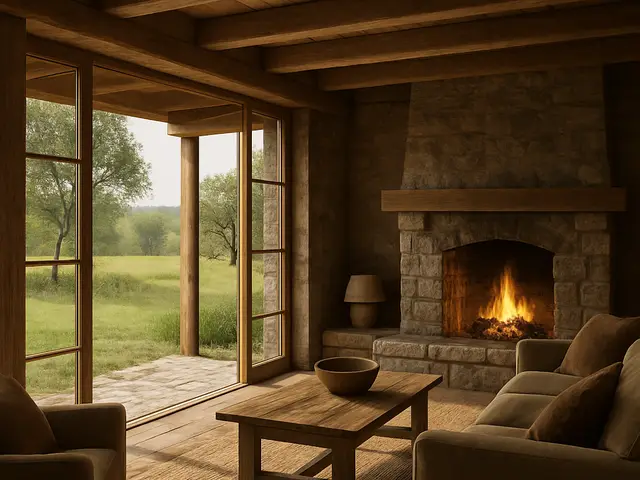
A rustic living room with warmth and texture
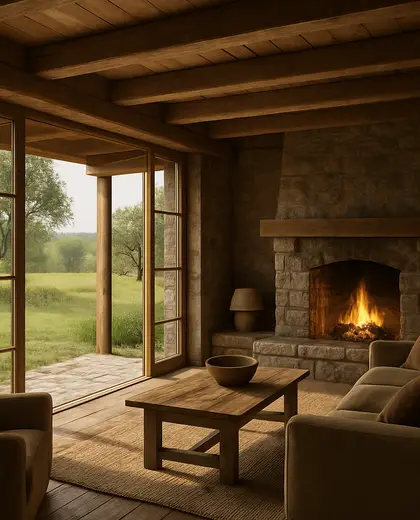
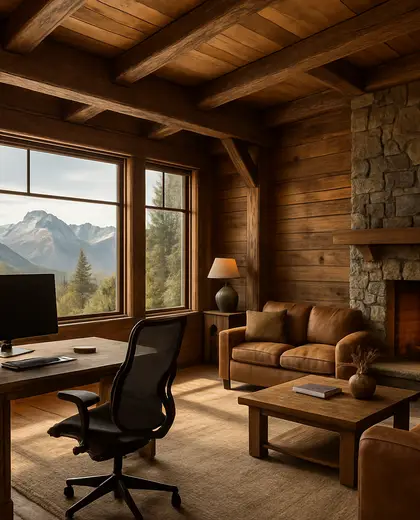
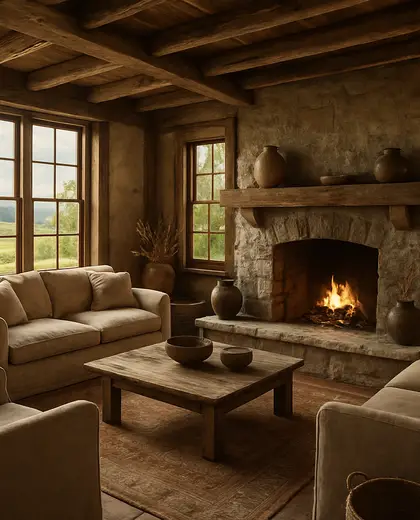
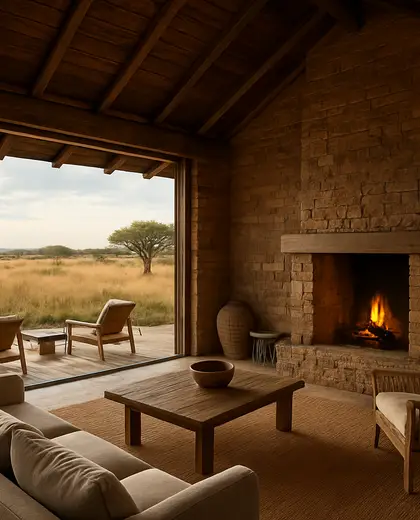
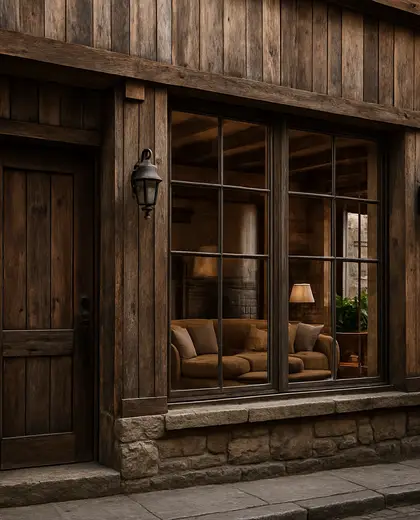
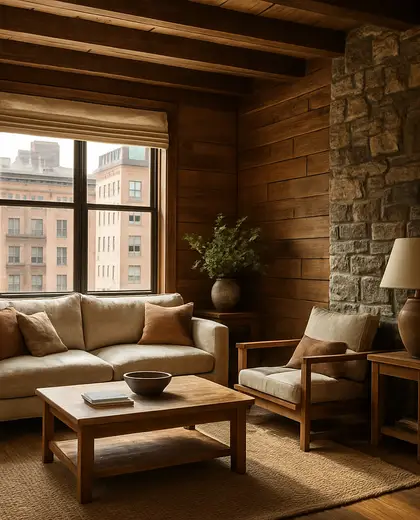
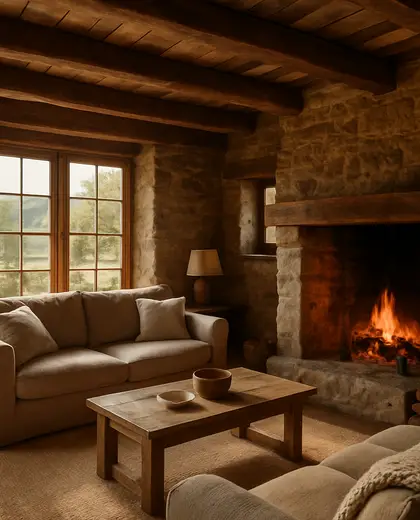
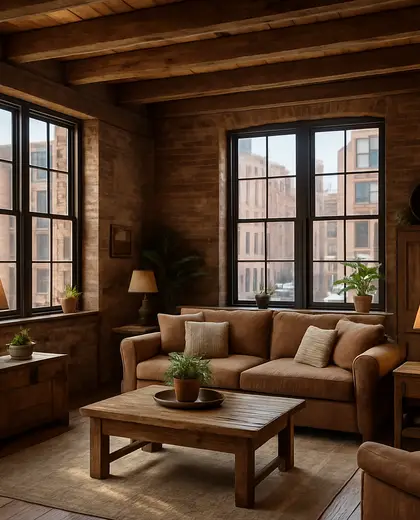
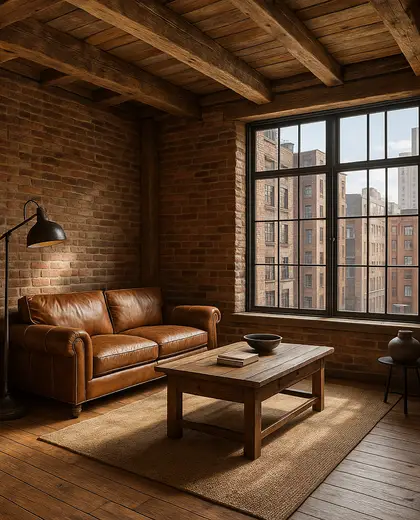
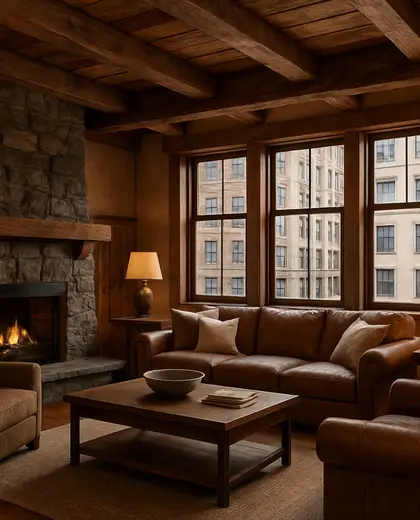
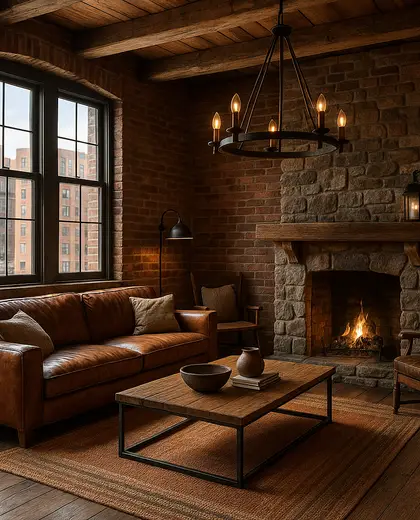
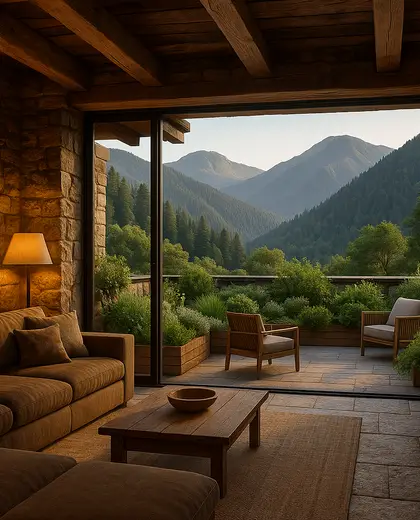
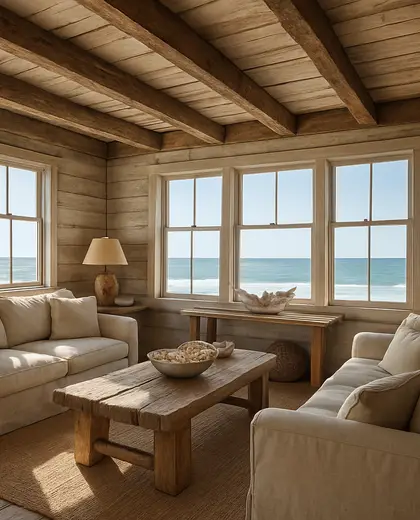
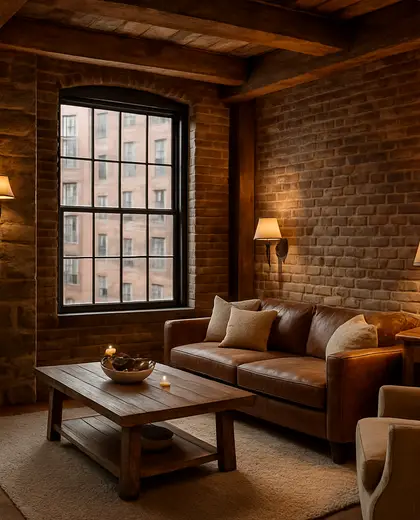
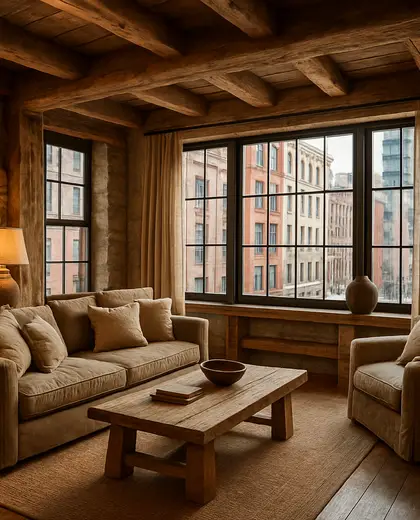
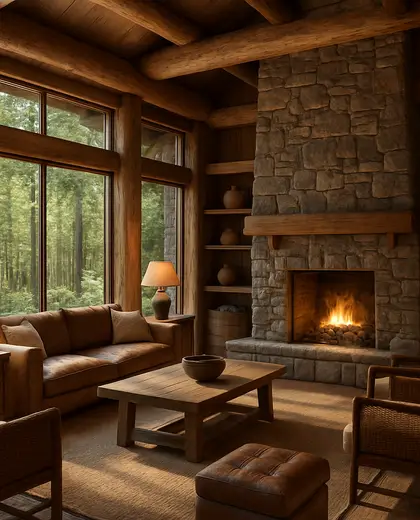
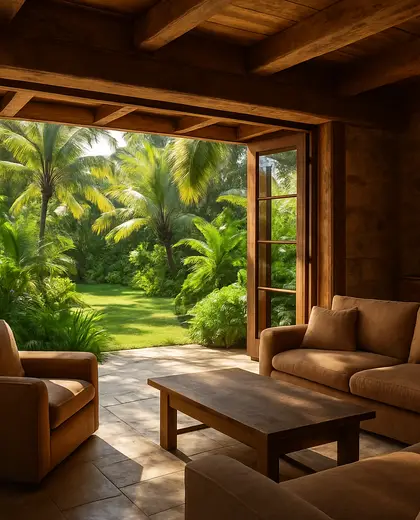
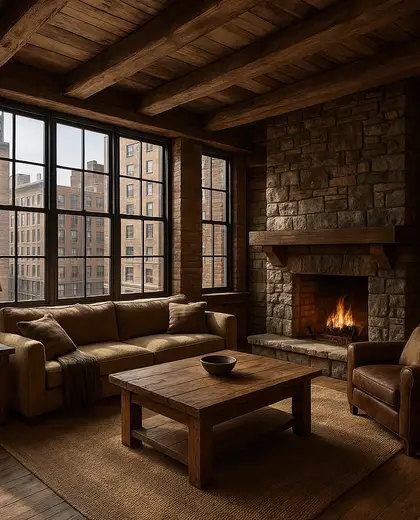
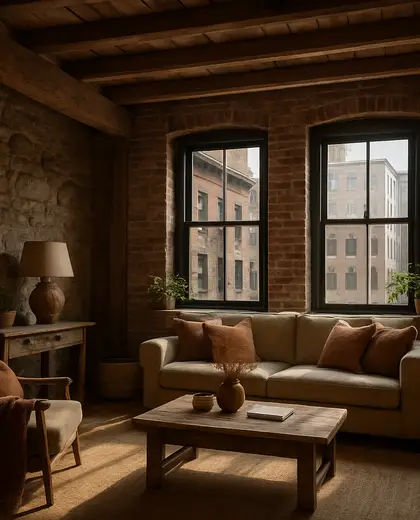
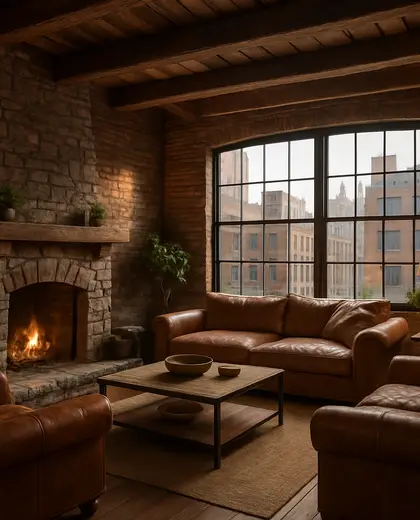
A rustic living room is defined by natural materials, visible texture, and a relaxed, timeworn feel. Wood, stone, linen, leather, and aged metal usually set the tone, often paired with sturdy furniture, exposed beams, and handcrafted details. The palette stays earthy and muted, with browns, creams, warm grays, and soft greens or clay tones.
- living room
- rustic
— References
References to explore
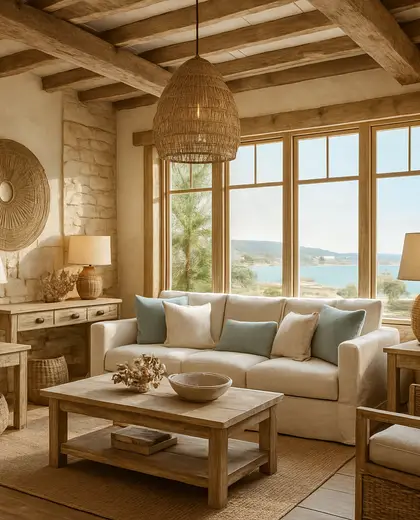
What makes a living room feel rustic rather than just traditional?
Rustic spaces emphasize natural, aged, or handcrafted materials and visible texture. Traditional rooms can be more polished, while rustic rooms usually feel more raw, grounded, and informal.
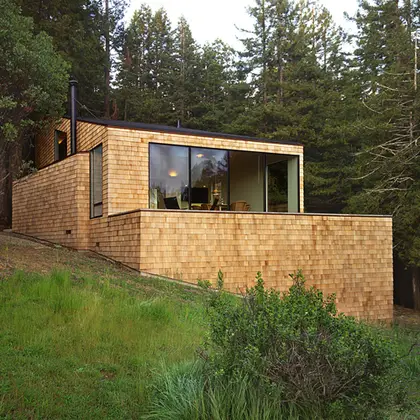
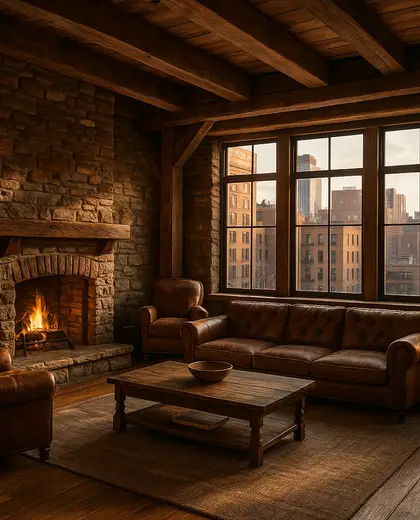
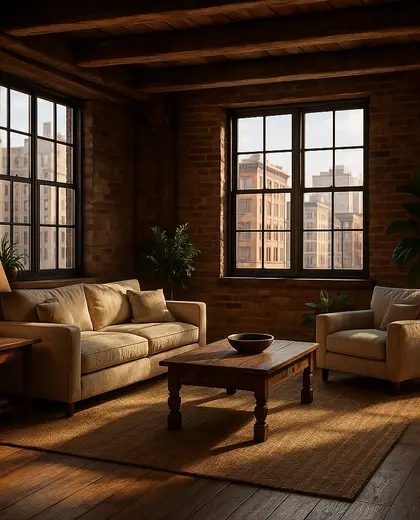
Can a rustic living room still look modern?
Yes. Keep the layout clean, limit ornament, and mix rustic wood or stone with simple furniture and restrained finishes. This gives the room a rustic-modern balance.
What fabrics work best in a rustic living room?
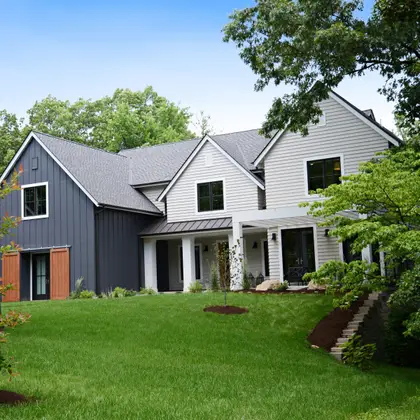
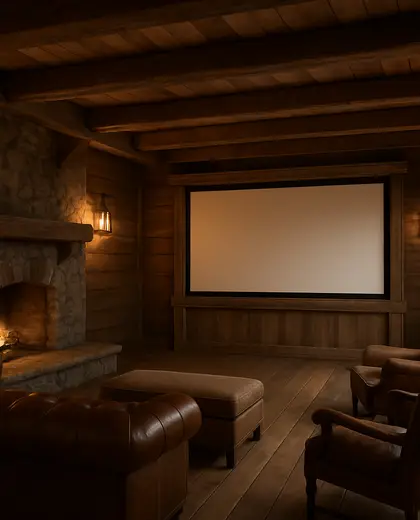
Linen, cotton, wool, jute, and leather work well because they add softness without feeling overly refined. Layering these fabrics helps the room feel warm and lived-in.
— The style
What defines it
Reclaimed wood, stone, linen, leather, wrought iron, and ceramic accents are common.
Earthy neutrals dominate: warm browns, beige, ivory, taupe, charcoal, and muted green or terracotta.
It often blends with farmhouse, cabin, industrial, or contemporary interiors when you want a softer, natural look.
— Professionals
Who has already built it
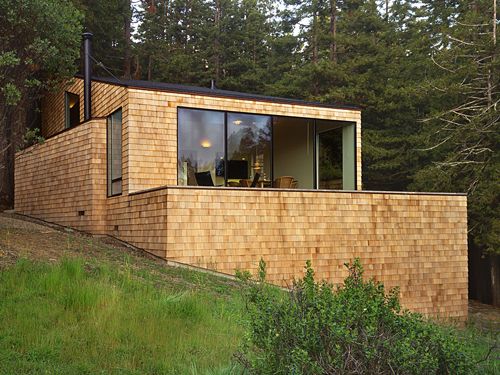

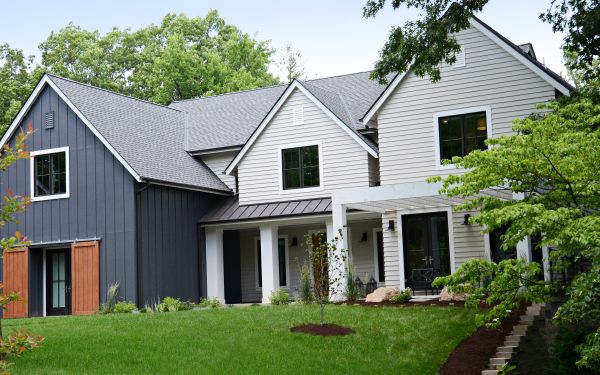

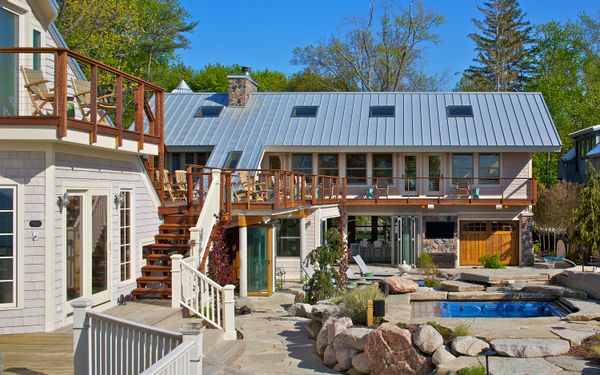

- annilee b watermanarchitects · Wylie · 1 projectsView profile →
- interior design by emilyinterior designers · 1 projectsView profile →
- Karavaan Homefurniture sellers · High Point · 4 projectsView profile →
- jacob galleslandscape designers · 2 projectsView profile →
— Explore
Keep exploring
— Questions
Frequently asked questions
What makes a living room feel rustic rather than just traditional?
Rustic spaces emphasize natural, aged, or handcrafted materials and visible texture. Traditional rooms can be more polished, while rustic rooms usually feel more raw, grounded, and informal.
Can a rustic living room still look modern?
Yes. Keep the layout clean, limit ornament, and mix rustic wood or stone with simple furniture and restrained finishes. This gives the room a rustic-modern balance.
What fabrics work best in a rustic living room?
Linen, cotton, wool, jute, and leather work well because they add softness without feeling overly refined. Layering these fabrics helps the room feel warm and lived-in.