— Ideas & inspiration
Theater in alpine light
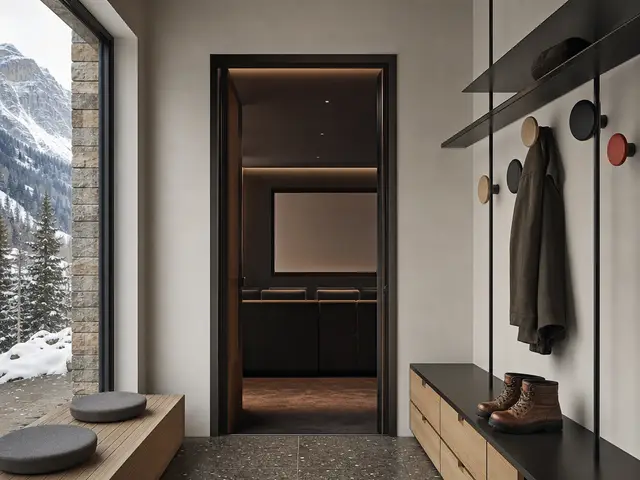
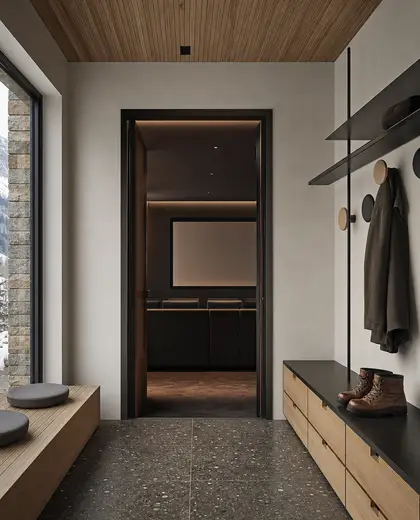
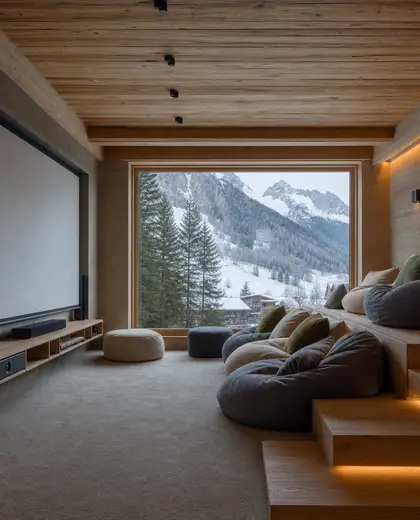
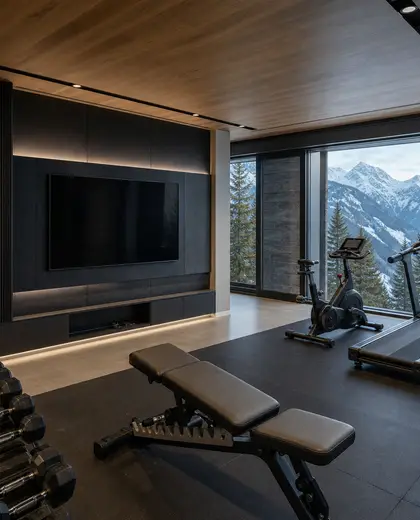
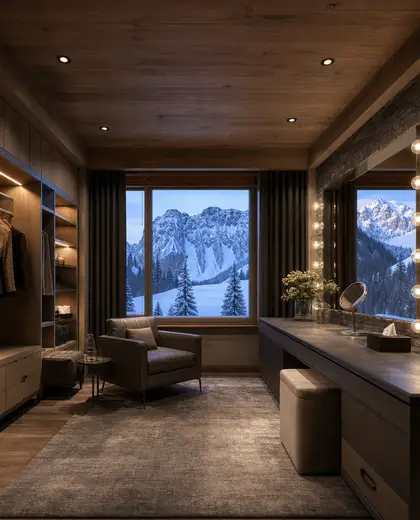
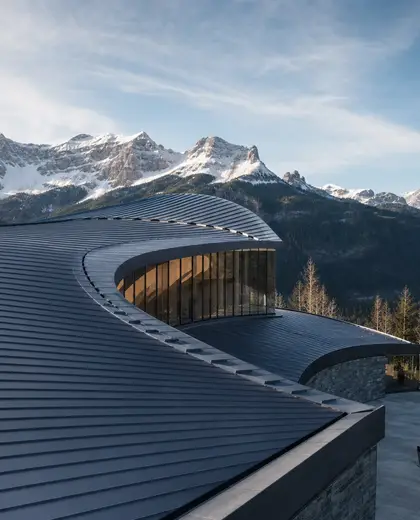
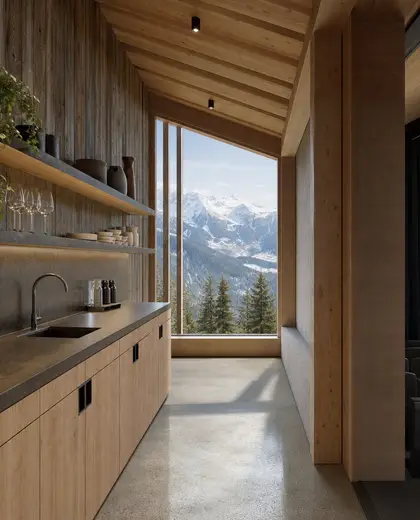
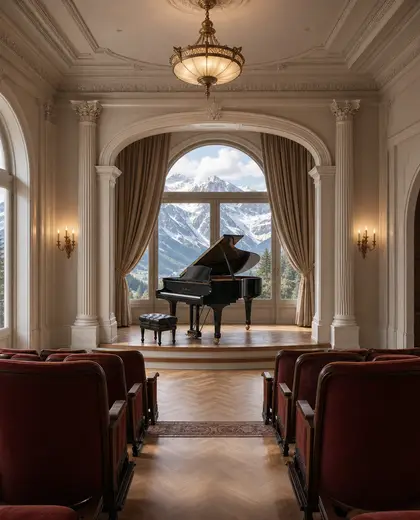
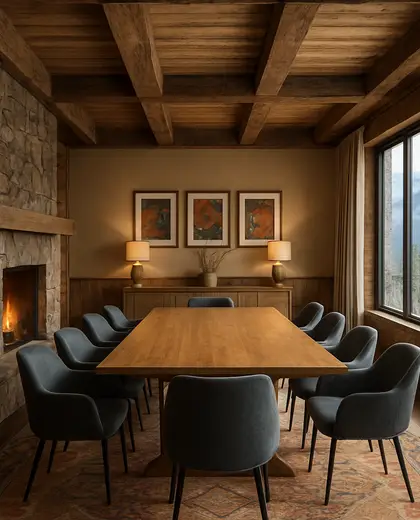
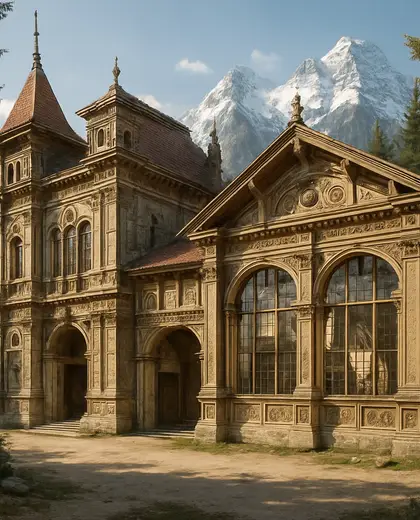
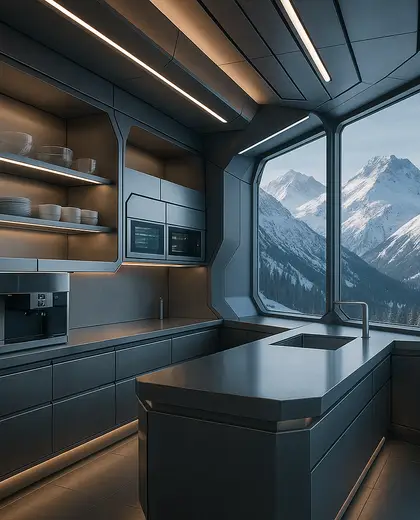
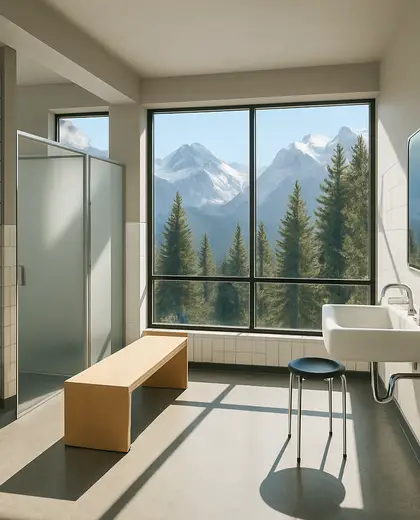
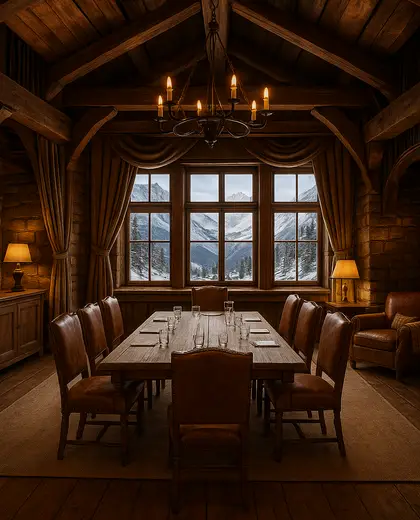
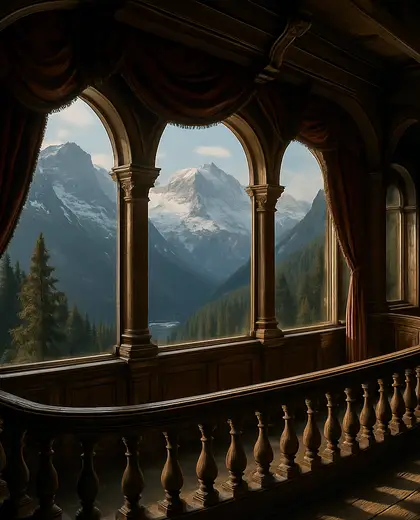
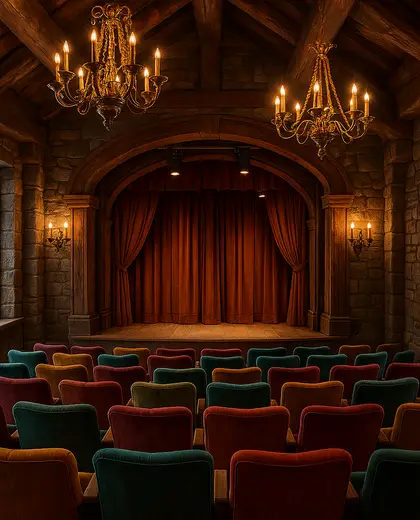
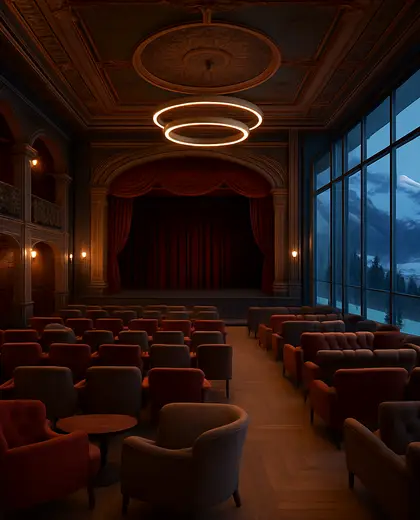
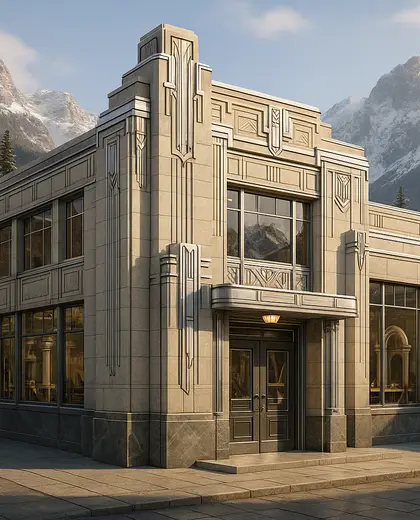
This composition pairs the drama of theater-inspired spaces with the clarity of alpine architecture. Expect dark timber, stone, velvet-like textures, sharp sightlines, and large openings that frame mountain views while keeping the interior warm and grounded. The palette usually moves between deep charcoals, rich browns, muted greys, and snow-bright whites.
- theater
- alpine
— References
References to explore
What makes a theater and alpine composition feel balanced rather than heavy?
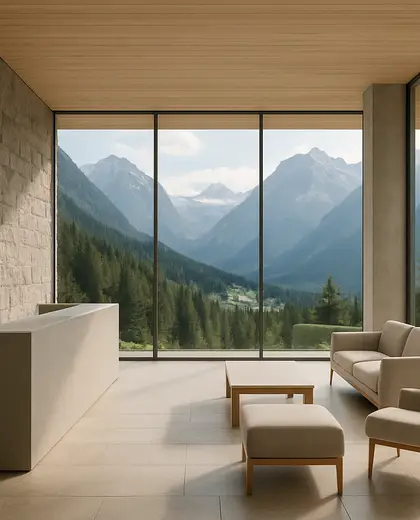
Balance comes from keeping the structure simple and letting the drama come from light, contrast, and material texture instead of excess ornament. Large windows and pale surfaces can offset the weight of timber and stone.
Can this style work in a small home?
Yes, if the plan stays restrained and the finishes are carefully chosen. Use one strong feature wall, integrated storage, and a few bold materials rather than many competing elements.
What kind of lighting suits this composition?
Layered lighting works best: indirect ambient light, focused accents, and warmer sources that soften dark finishes. In alpine settings, daylight should be maximized with deep reveals or large glazed openings where possible.
— The style
What defines it
Dark wood, natural stone, plaster, metal accents, and soft textiles that echo stage curtains and alpine lodges.
Charcoal, pine brown, slate grey, warm black, and crisp white with occasional muted red or brass highlights.
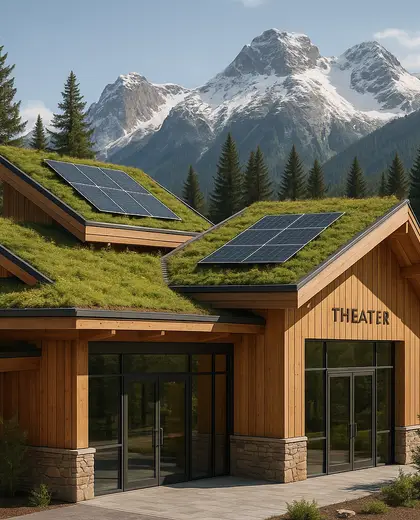
It combines theatrical contrast, layered lighting, and framed views with alpine solidity, compact forms, and weather-ready detailing.
— Professionals
Who has already built it
- john allegrettiarchitects · 6 projectsView profile →
- pfuner designinterior designers · 11 projectsView profile →
- Karavaan Homefurniture sellers · High Point · 4 projectsView profile →
- jacob galleslandscape designers · 6 projectsView profile →
— Explore
Keep exploring
— Questions
Frequently asked questions
What makes a theater and alpine composition feel balanced rather than heavy?
Balance comes from keeping the structure simple and letting the drama come from light, contrast, and material texture instead of excess ornament. Large windows and pale surfaces can offset the weight of timber and stone.
Can this style work in a small home?
Yes, if the plan stays restrained and the finishes are carefully chosen. Use one strong feature wall, integrated storage, and a few bold materials rather than many competing elements.
What kind of lighting suits this composition?
Layered lighting works best: indirect ambient light, focused accents, and warmer sources that soften dark finishes. In alpine settings, daylight should be maximized with deep reveals or large glazed openings where possible.