— Ideas & inspiration
Urban church architecture
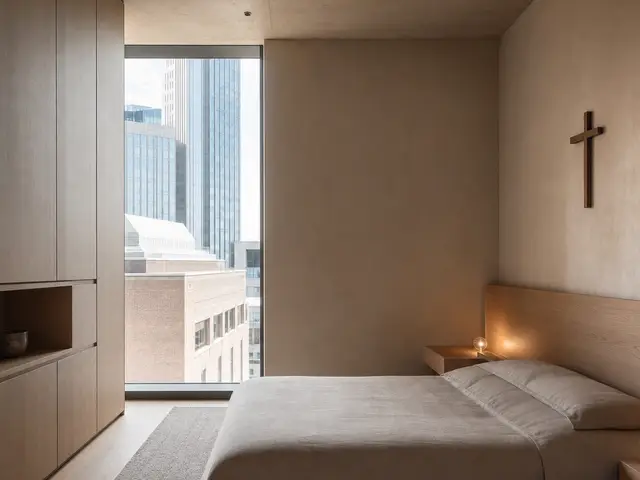
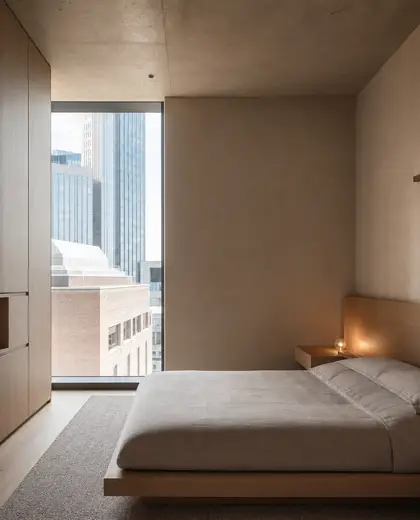
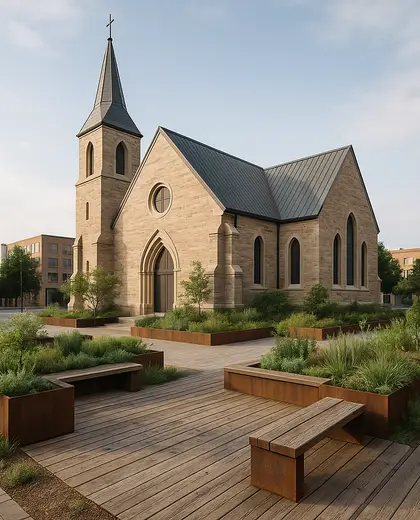
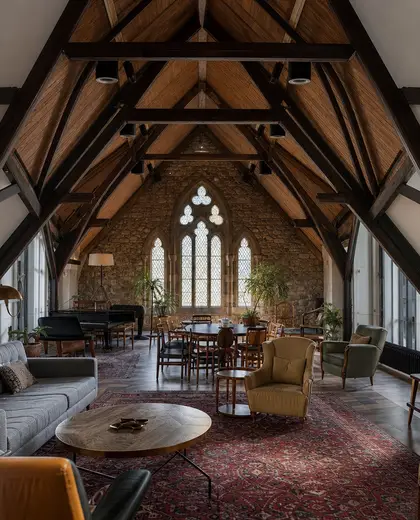
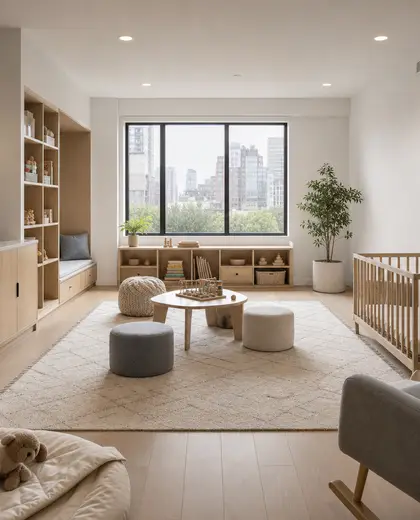
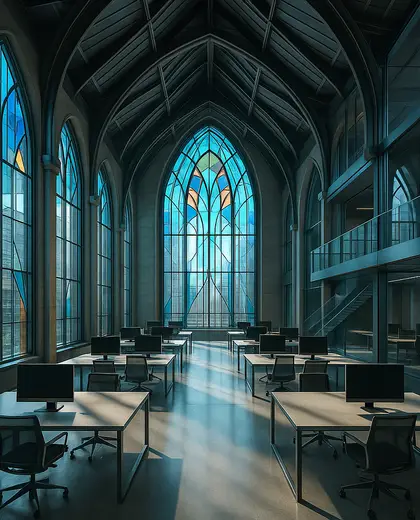
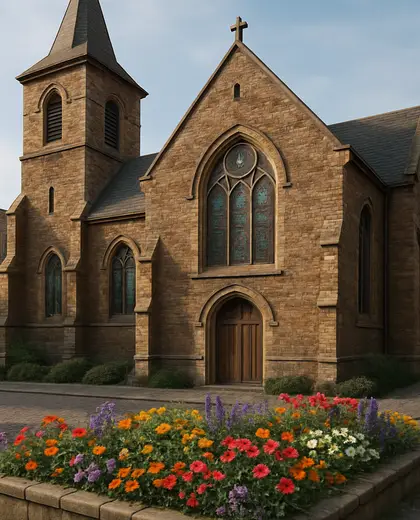
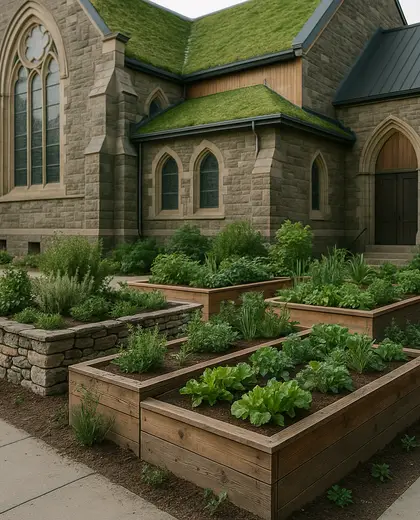
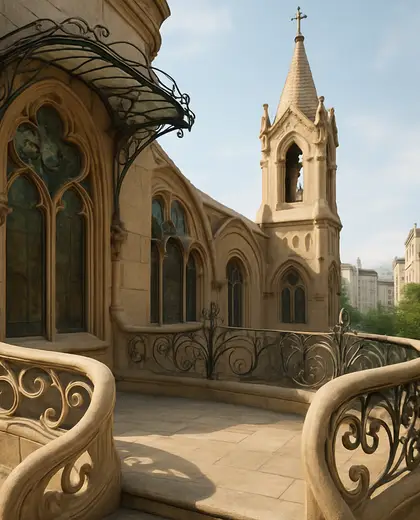
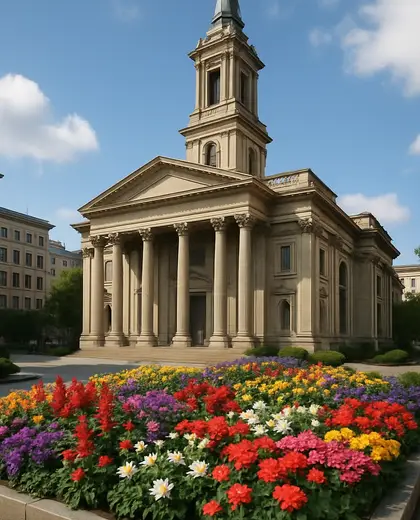
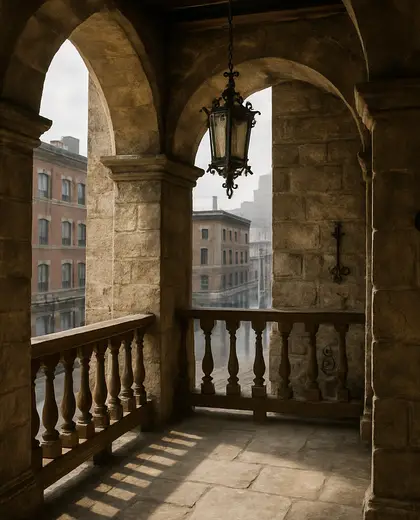
This composition pairs sacred architecture with a dense city context, often using stone, brick, concrete, and glass to create a calm civic presence. The palette is usually restrained, with neutrals, weathered reds, charcoal, and soft light shaping the interior and exterior mood. Key elements include a clear vertical volume, simple massing, large openings, and public-facing thresholds that connect worship spaces to the street.
- church
- urban
— References
References to explore
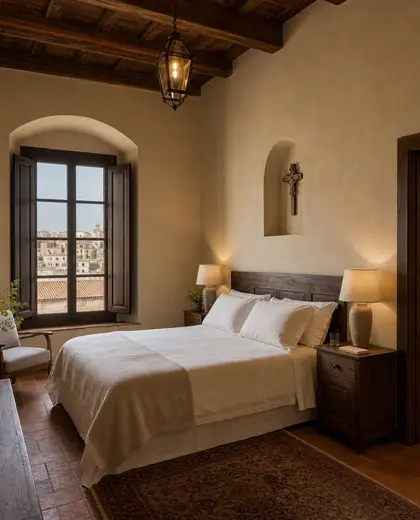
How do you make a church feel urban without losing its character?
Use a simple, legible form and durable materials, then shape the ground floor, entry, and public edges to meet the street clearly.
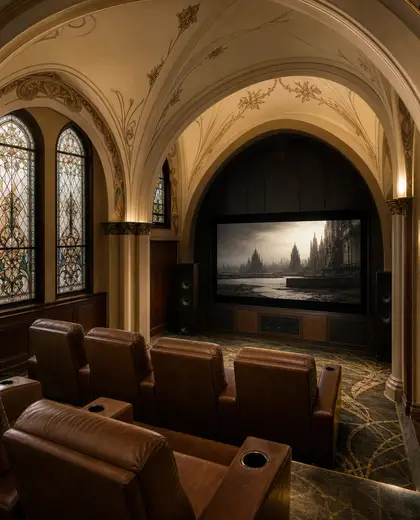
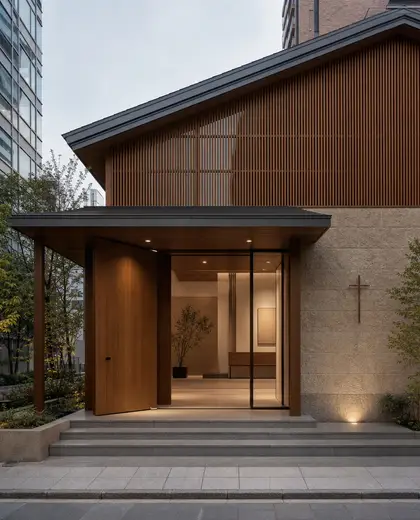
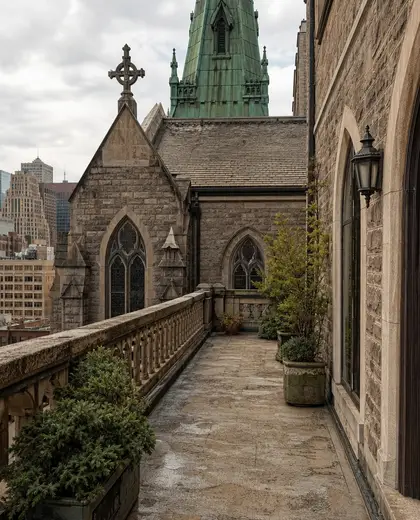
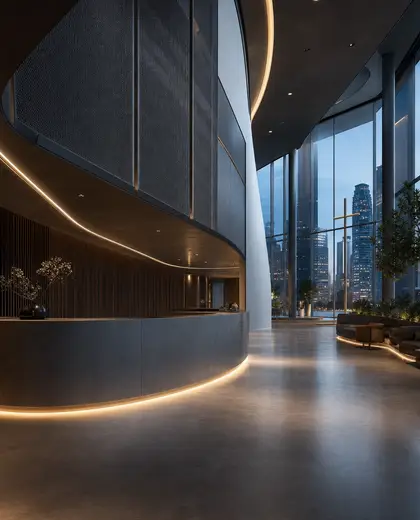
What materials work best for an urban church project?
Brick, stone, and concrete suit the urban setting well, while glass and timber can soften the interiors and bring in light.
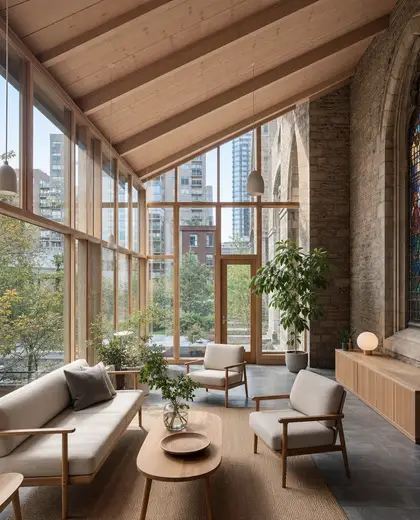
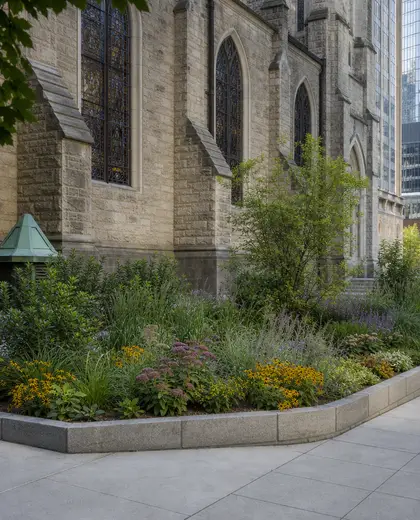
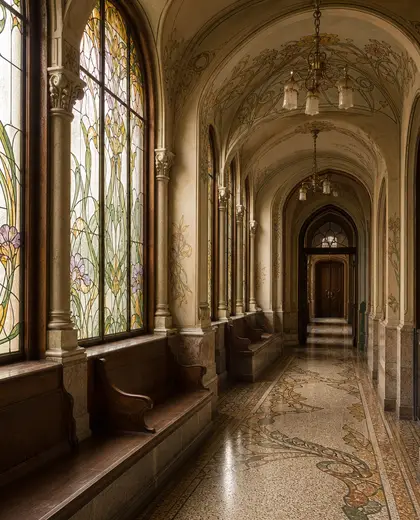
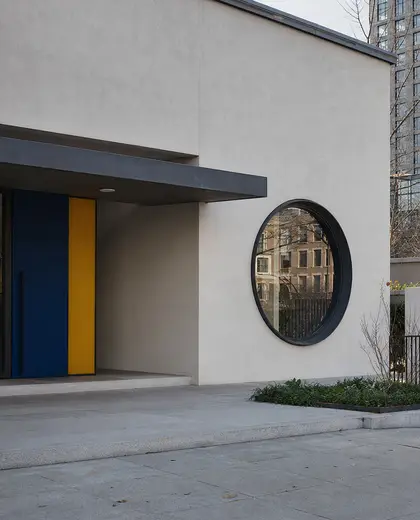
Does an urban church need to look modern?
Not necessarily. It can be contemporary or traditional, as long as the massing, materials, and public presence fit the city context.
— The style
What defines it
Stone, brick, board-formed concrete, timber, and clear or stained glass are common choices.
Mostly neutral and grounded: white, gray, charcoal, muted earth tones, and warm natural finishes.
Urban streetscapes, plazas, mixed-use blocks, civic landmarks, and compact site conditions.
— Professionals
Who has already built it
- shahinazarchitects · New York · 6 projectsView profile →
- Karavaan Homefurniture sellers · High Point · 4 projectsView profile →
- jacob galleslandscape designers · 6 projectsView profile →
- pfuner designinterior designers · 11 projectsView profile →
— Explore
Keep exploring
— Questions
Frequently asked questions
How do you make a church feel urban without losing its character?
Use a simple, legible form and durable materials, then shape the ground floor, entry, and public edges to meet the street clearly.
What materials work best for an urban church project?
Brick, stone, and concrete suit the urban setting well, while glass and timber can soften the interiors and bring in light.
Does an urban church need to look modern?
Not necessarily. It can be contemporary or traditional, as long as the massing, materials, and public presence fit the city context.