— Ideas & inspiration
Church composition
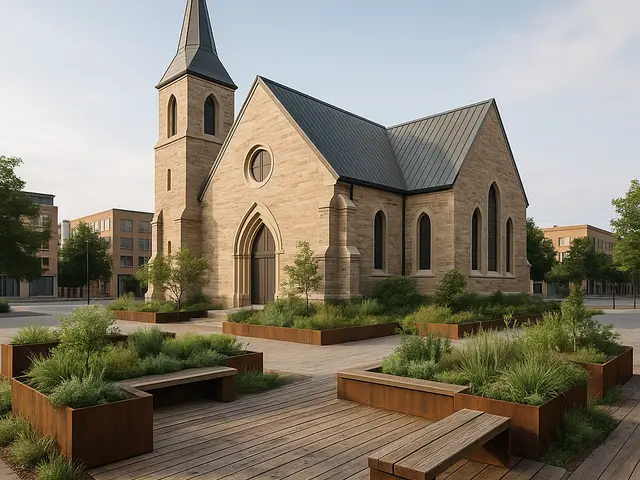
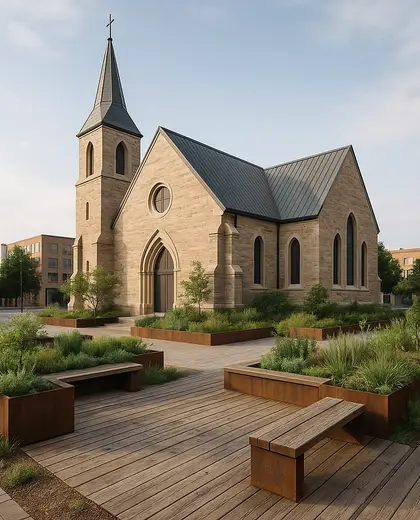
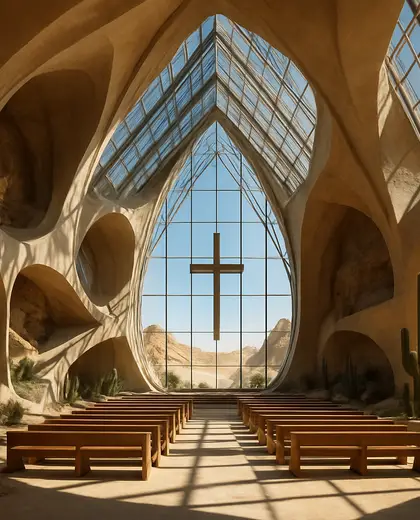
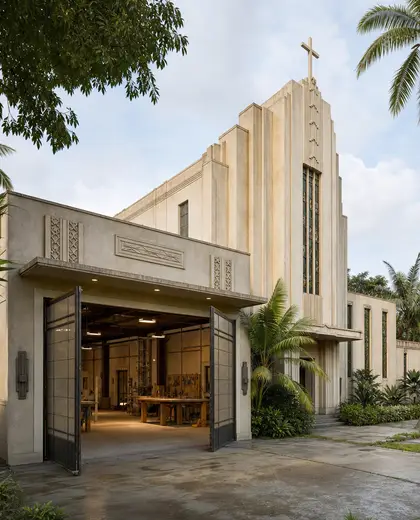
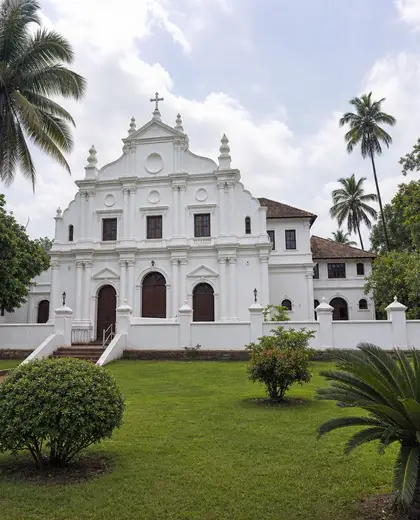
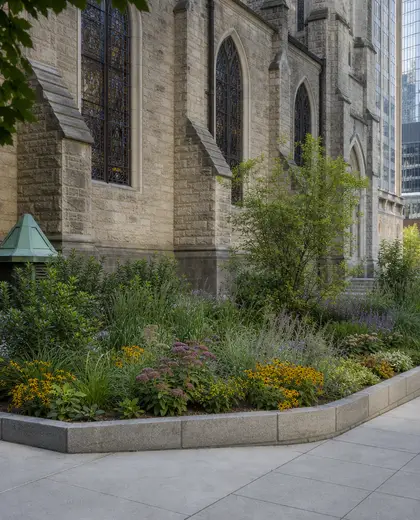
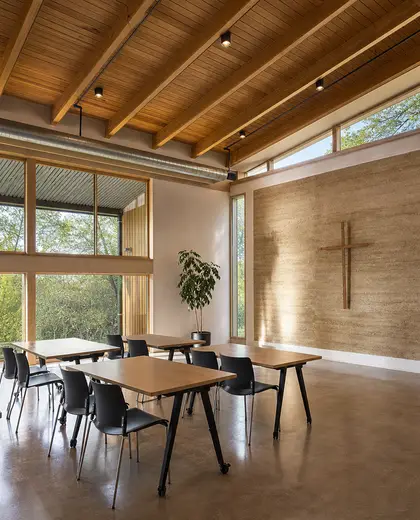
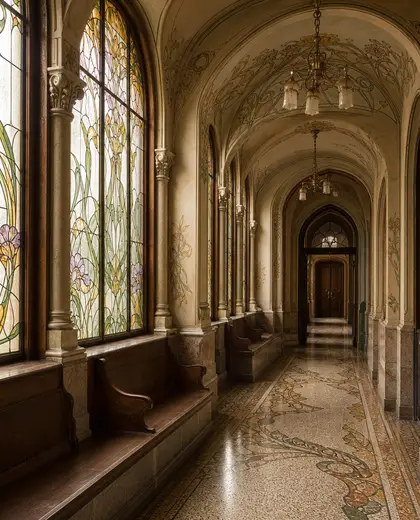
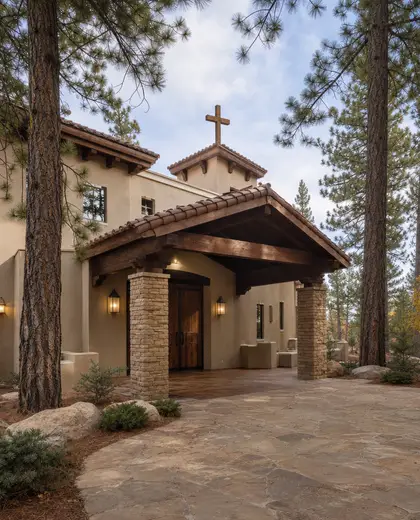
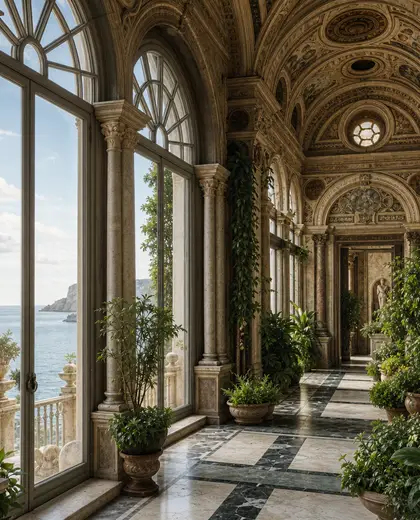
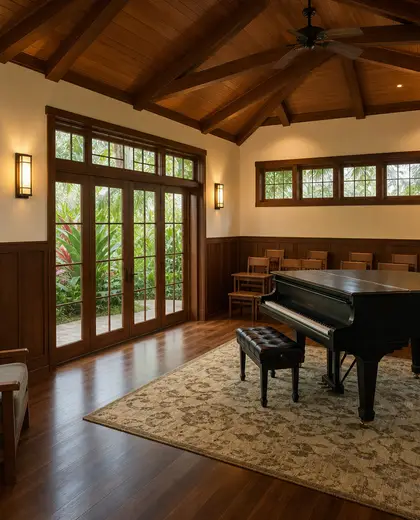
A church composition is usually defined by tall vertical proportions, masonry or stone walls, and a clear axial layout that leads toward the altar or focal point. Common elements include arched openings, stained glass, timber pews, vaulted ceilings, and restrained ornament that emphasizes light and volume. The palette is often grounded in stone, plaster, dark wood, and muted colors, with natural light used as a primary design material.
- church
— References
References to explore
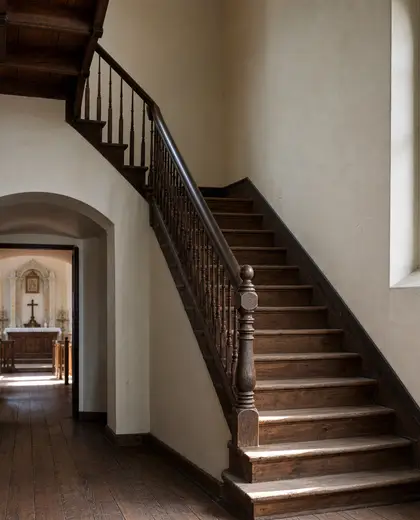
Does a church composition have to look historic?
No. It can be traditional or contemporary, but it usually keeps a clear sacred focus, vertical emphasis, and a calm, ordered interior.
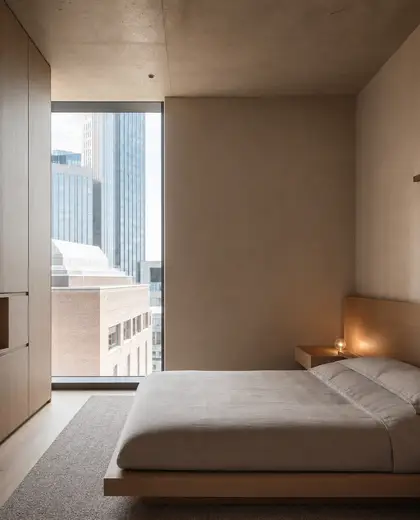
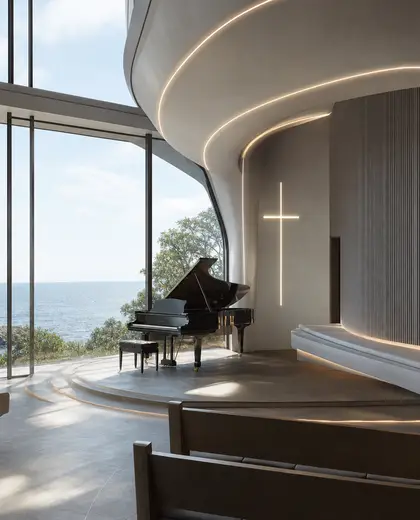
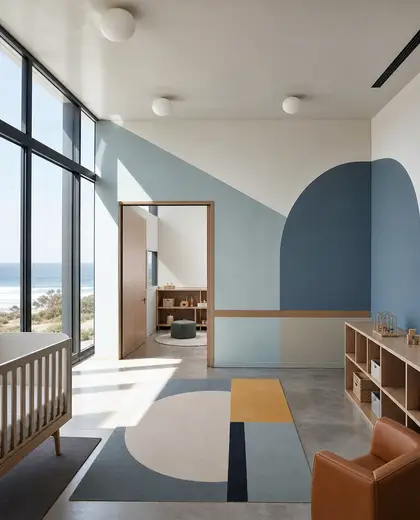
Can modern materials be used in a church composition?
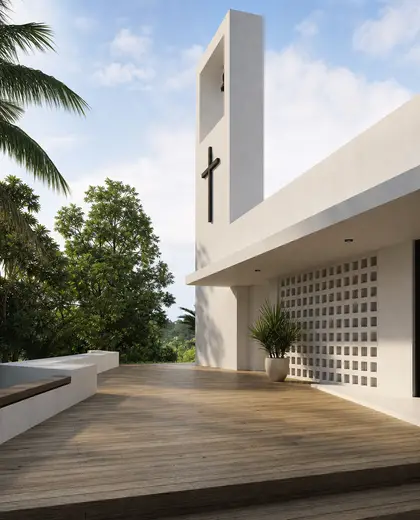
Yes. Concrete, steel, and engineered timber are common in newer buildings, as long as the material palette supports warmth, acoustics, and reverence.
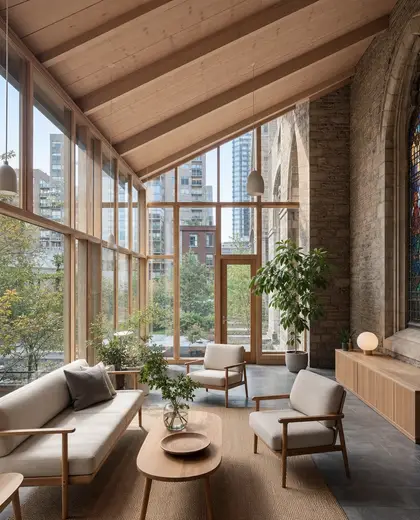
What makes the interior feel like a church rather than a hall?
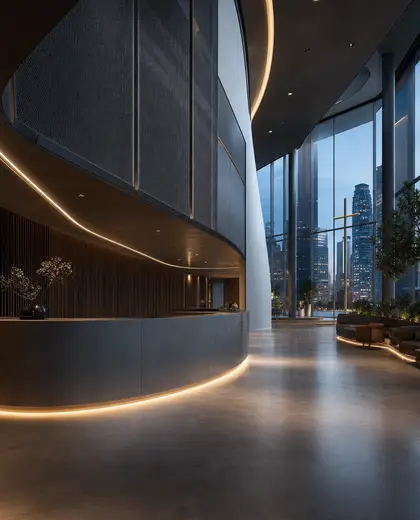
The combination of axial layout, altar focus, controlled ornament, filtered light, and acoustically softened surfaces usually creates the church character.

— The style
What defines it
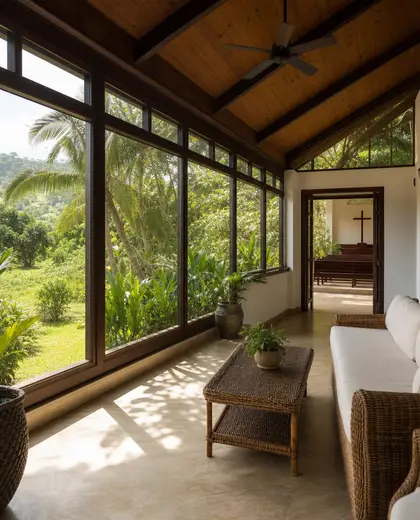
Stone, brick, plaster, timber, leaded or stained glass, and occasionally concrete in contemporary churches.
Muted neutrals, warm wood tones, mineral grays, cream, deep reds, and colored light from glass rather than bright paint.
Works with vaulted ceilings, arches, rhythmic columns, long sightlines, and simple furnishings that keep the space calm and ceremonial.
— Professionals
Who has already built it
- dederick bakerarchitects · San Diego · 7 projectsView profile →
- Karavaan Homefurniture sellers · High Point · 4 projectsView profile →
- jacob galleslandscape designers · 6 projectsView profile →
- pfuner designinterior designers · 11 projectsView profile →
— Questions
Frequently asked questions
Does a church composition have to look historic?
No. It can be traditional or contemporary, but it usually keeps a clear sacred focus, vertical emphasis, and a calm, ordered interior.
Can modern materials be used in a church composition?
Yes. Concrete, steel, and engineered timber are common in newer buildings, as long as the material palette supports warmth, acoustics, and reverence.
What makes the interior feel like a church rather than a hall?
The combination of axial layout, altar focus, controlled ornament, filtered light, and acoustically softened surfaces usually creates the church character.