— Ideas & inspiration
Contemporary calm with a coastal edge
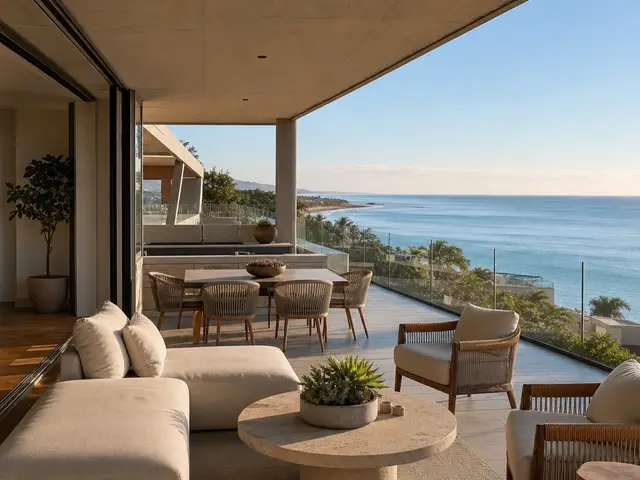
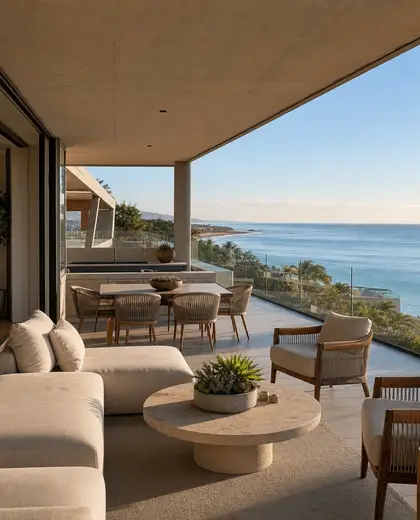
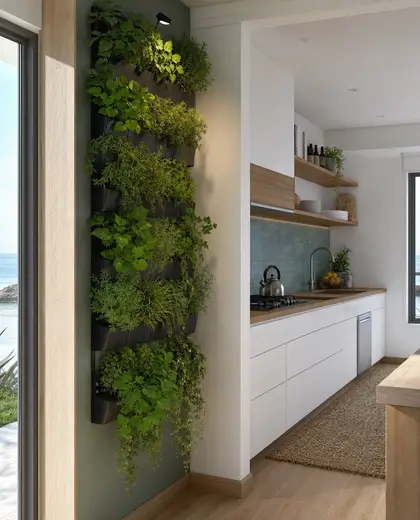
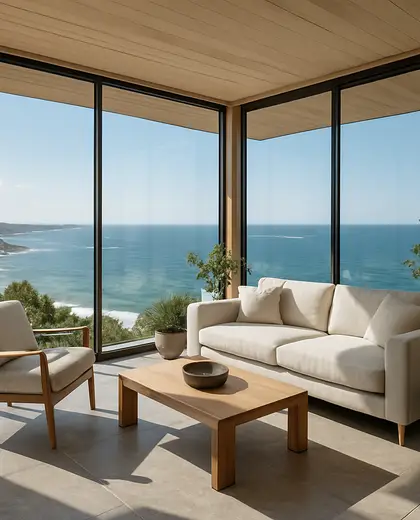
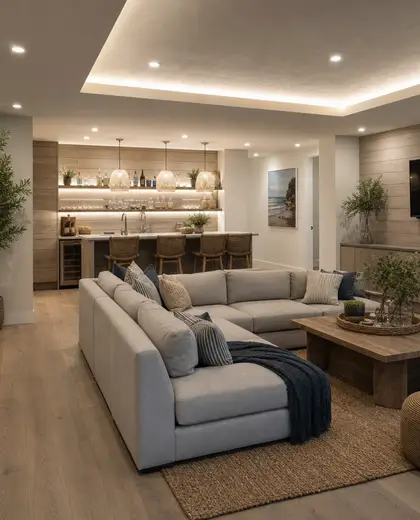
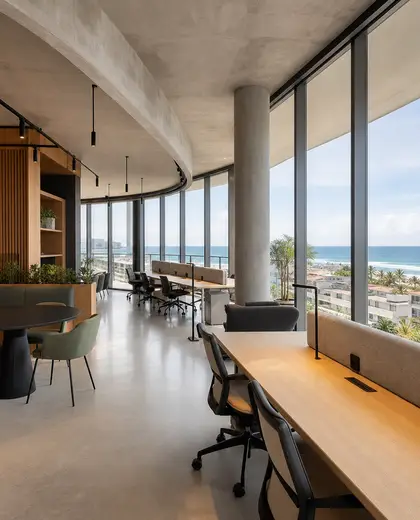
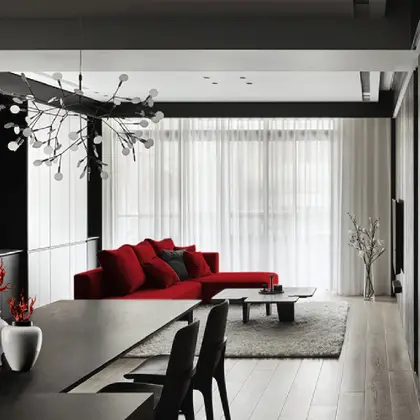
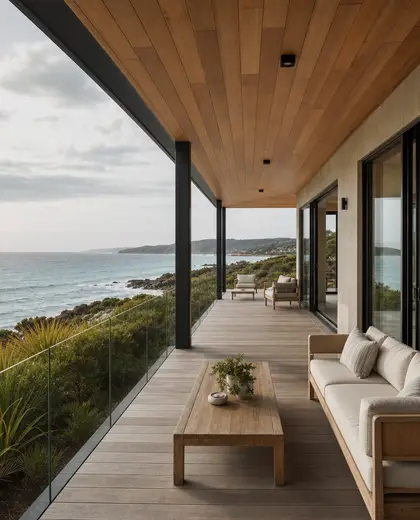
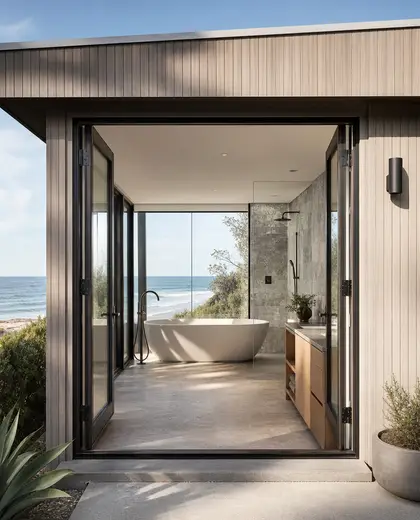
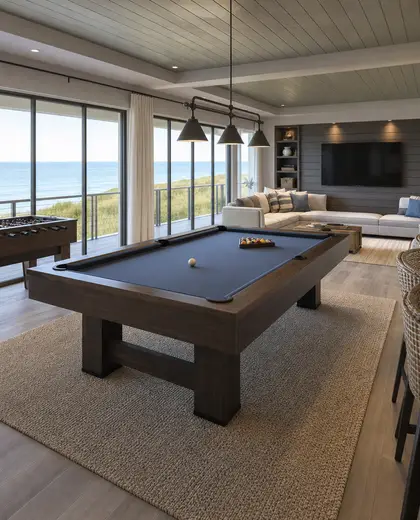
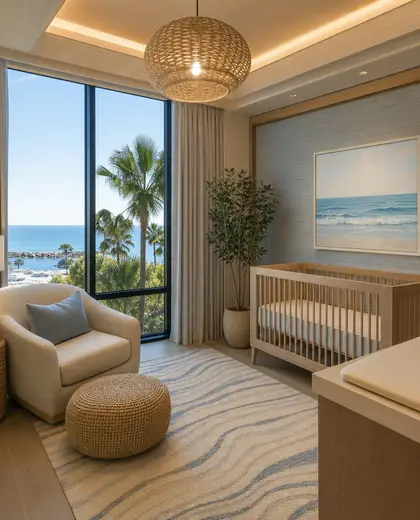
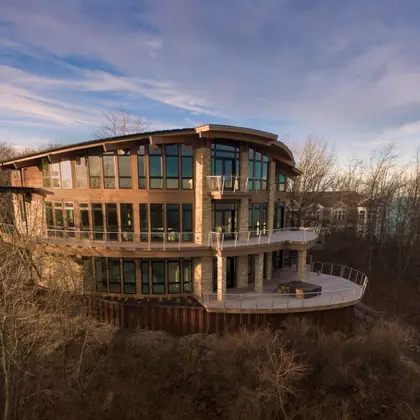
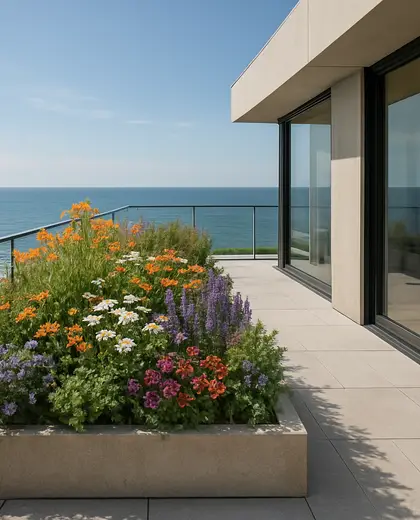
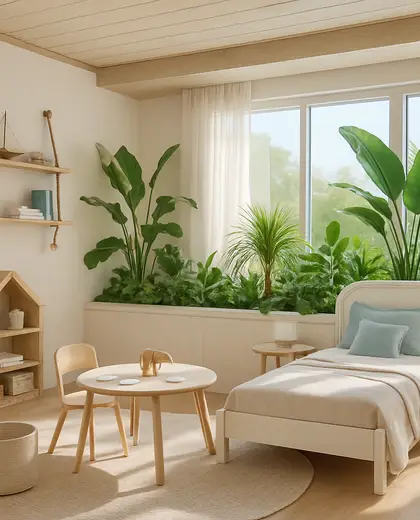
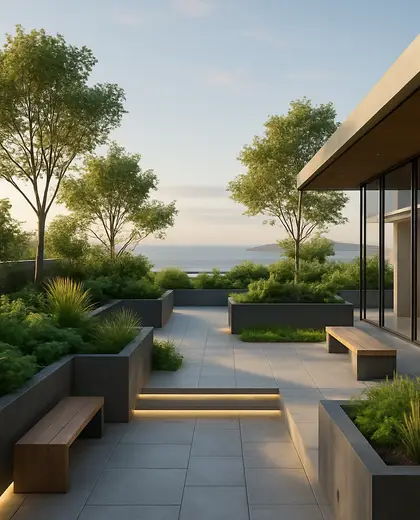
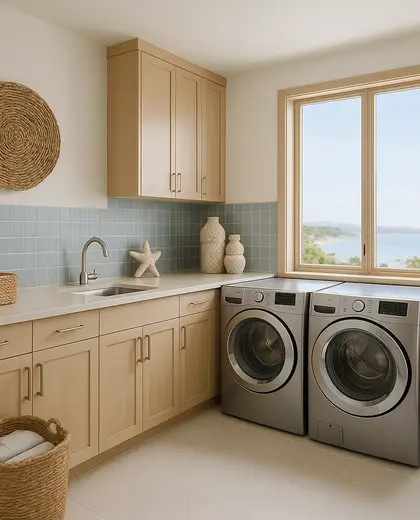
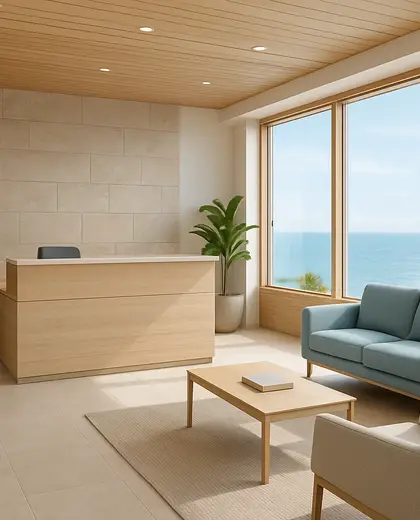
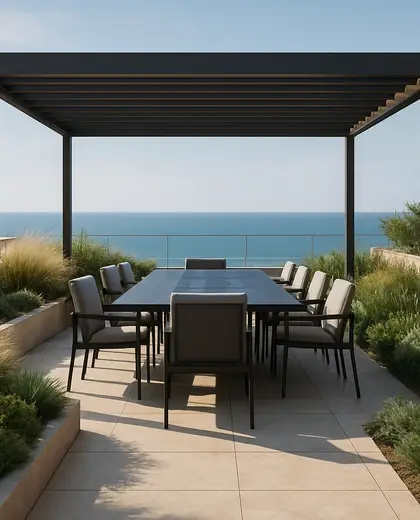
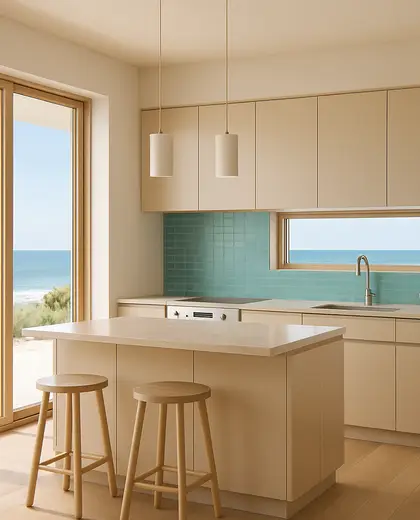
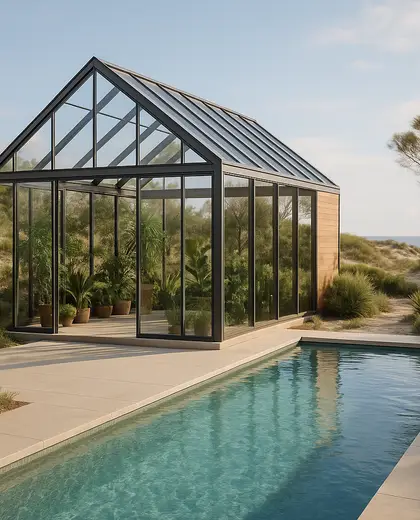
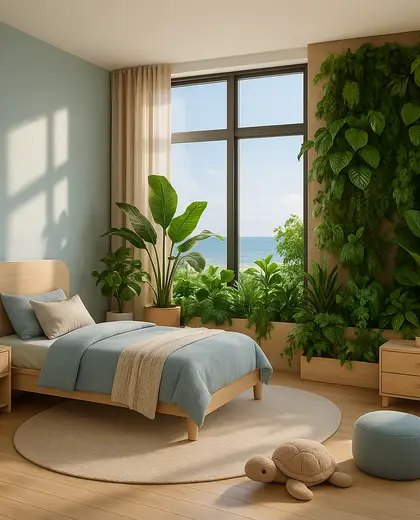
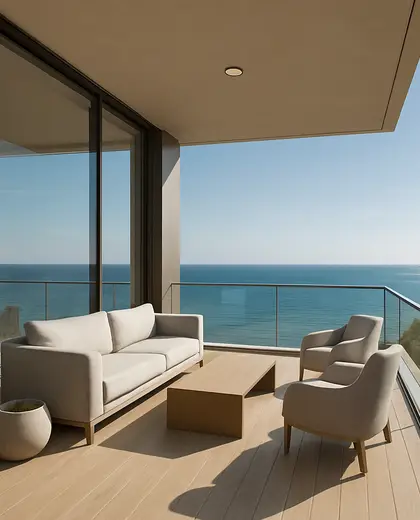
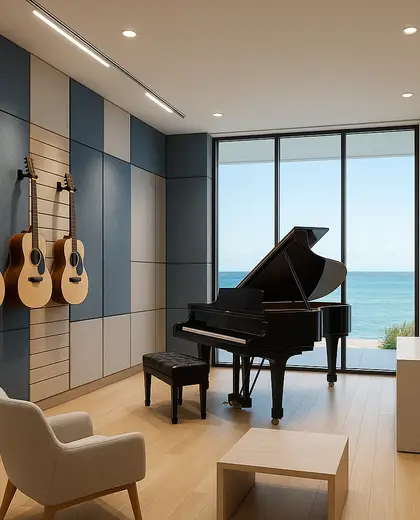
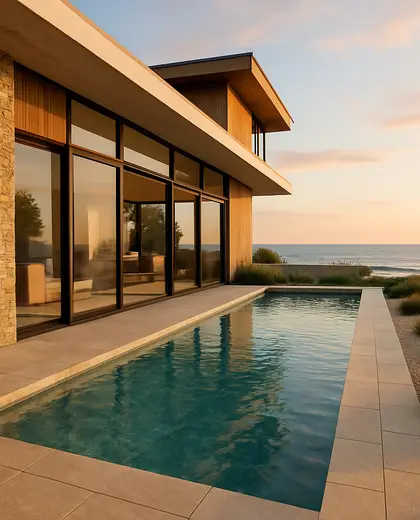
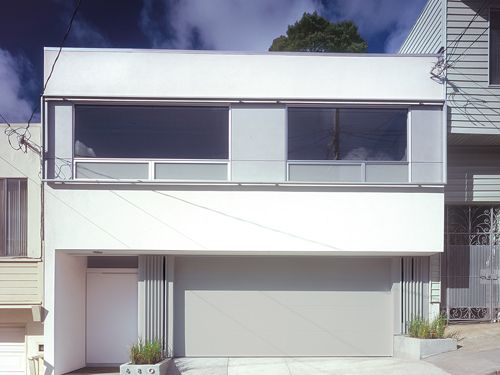
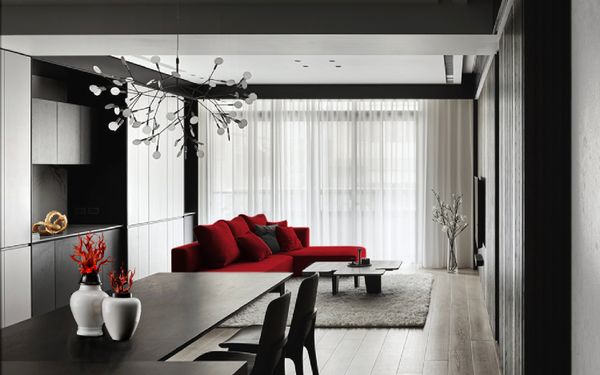
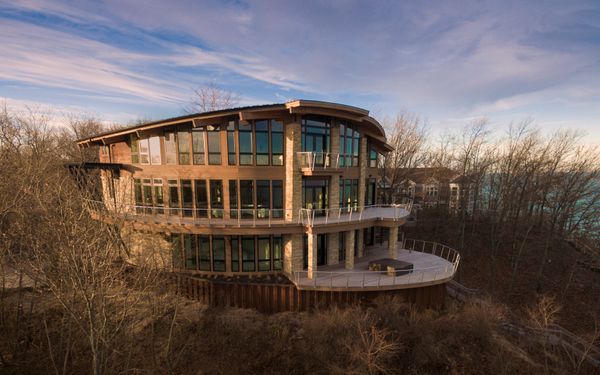
Contemporary coastal design pairs clean architectural lines with light-filled, relaxed spaces. It often uses natural materials like white oak, limewashed walls, stone, linen, and glass, with a palette of white, sand, driftwood, pale blue, and soft gray. The look is defined by open layouts, simple detailing, and a breezy connection to terraces, views, or other outdoor spaces.
- contemporary
- coastal
— References
References to explore
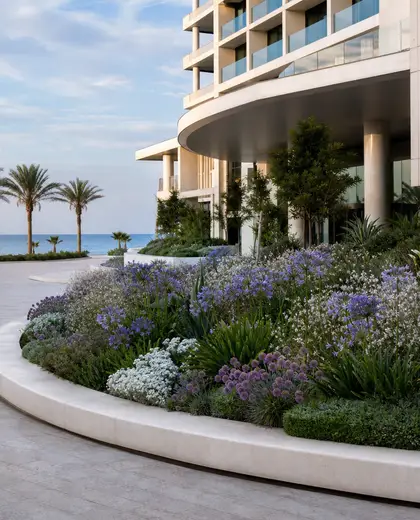
How is contemporary coastal different from traditional coastal style?
Contemporary coastal is simpler and more architectural, with cleaner lines and less nautical decoration. It keeps the relaxed, light feel of coastal design but edits out the obvious seaside motifs.
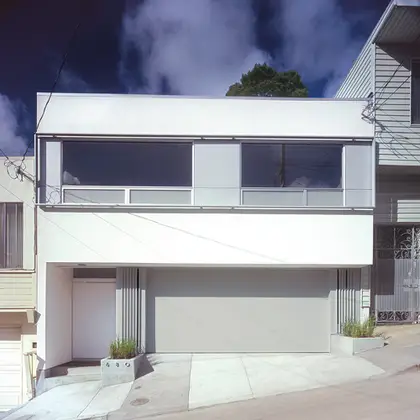
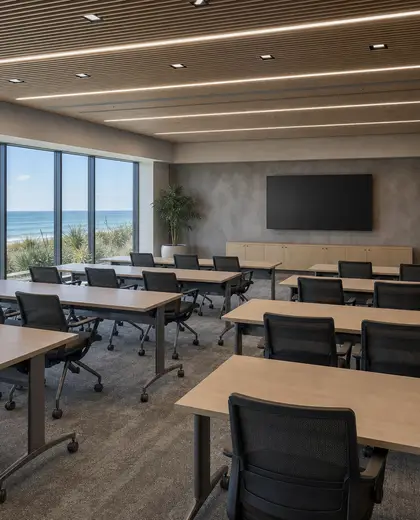
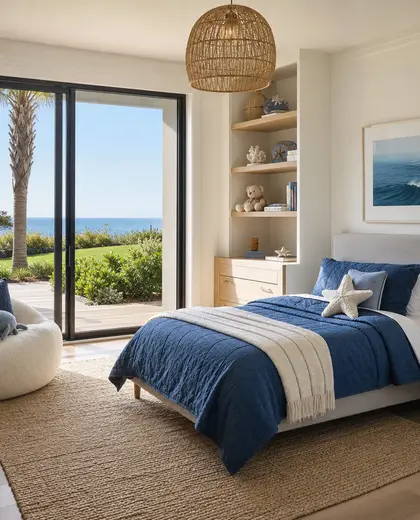
What finishes work best in this style?
Matte or lightly textured finishes usually suit it best, especially plaster, honed stone, natural wood, and woven fabrics. High-gloss surfaces can work in small amounts, but they are not usually the main feature.
Does contemporary coastal only work near the water?
No. It can work anywhere if the space has plenty of daylight, a calm palette, and materials that feel natural and durable. Proportions and detailing matter more than the actual location.
— The style
What defines it
White oak, natural stone, plaster, linen, glass, and weathered timber are common choices.
Soft white, sand, pale blue, muted gray, and warm beige create a bright, airy feel.
Minimal detailing, open-plan layouts, large windows, and indoor-outdoor living.
— Professionals
Who has already built it



- interior design by emilyinterior designers · 4 projectsView profile →
- fathoms designarchitects · Wheaton · 2 projectsView profile →
- Karavaan Homefurniture sellers · High Point · 4 projectsView profile →
- jacob galleslandscape designers · 2 projectsView profile →
— Explore
Keep exploring
— Questions
Frequently asked questions
How is contemporary coastal different from traditional coastal style?
Contemporary coastal is simpler and more architectural, with cleaner lines and less nautical decoration. It keeps the relaxed, light feel of coastal design but edits out the obvious seaside motifs.
What finishes work best in this style?
Matte or lightly textured finishes usually suit it best, especially plaster, honed stone, natural wood, and woven fabrics. High-gloss surfaces can work in small amounts, but they are not usually the main feature.
Does contemporary coastal only work near the water?
No. It can work anywhere if the space has plenty of daylight, a calm palette, and materials that feel natural and durable. Proportions and detailing matter more than the actual location.