— Ideas & inspiration
Contemporary composition
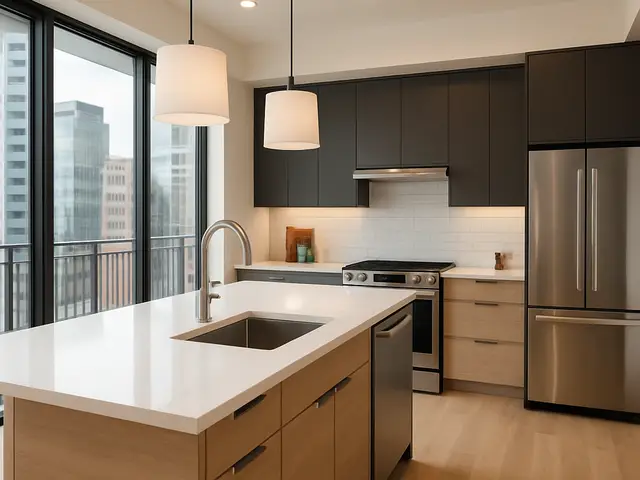
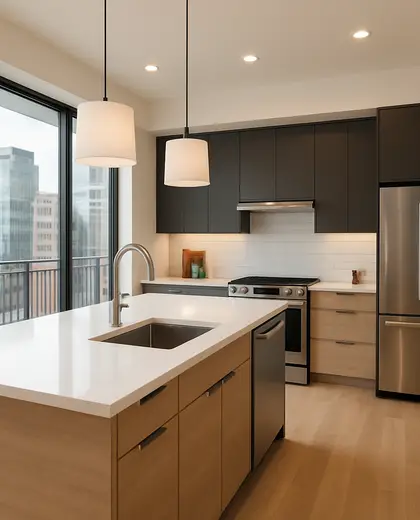
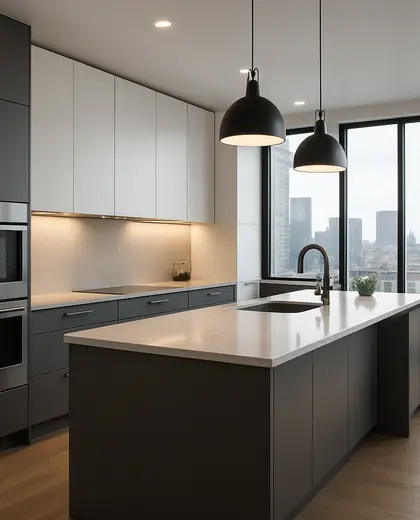
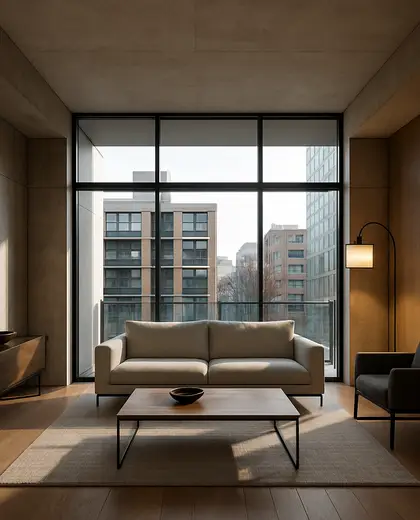
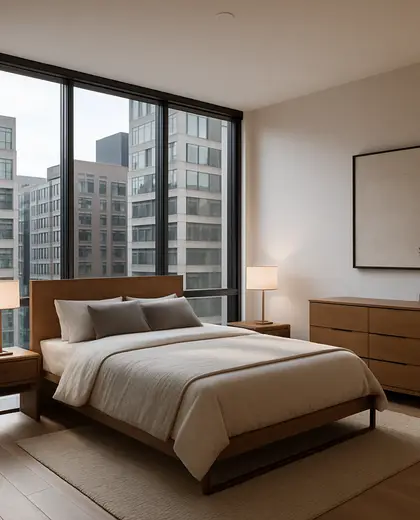
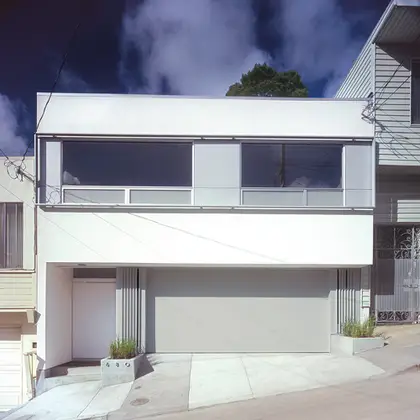
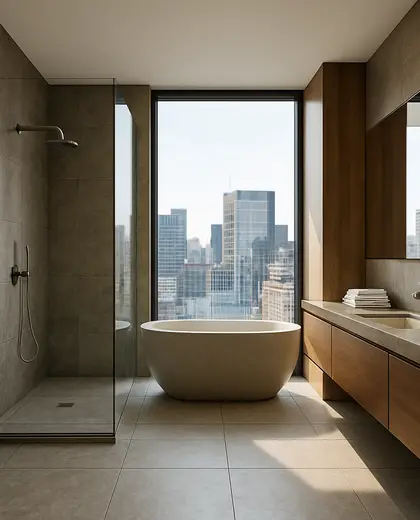
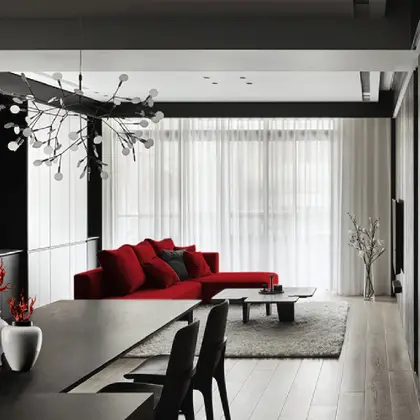
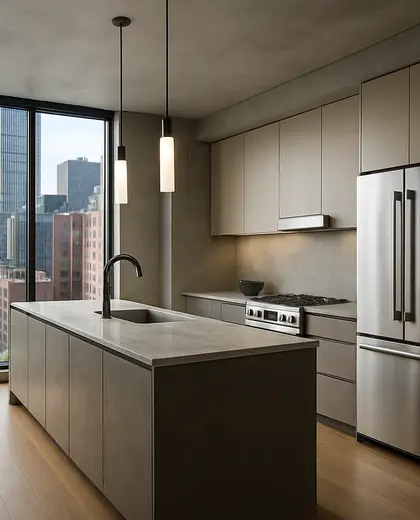
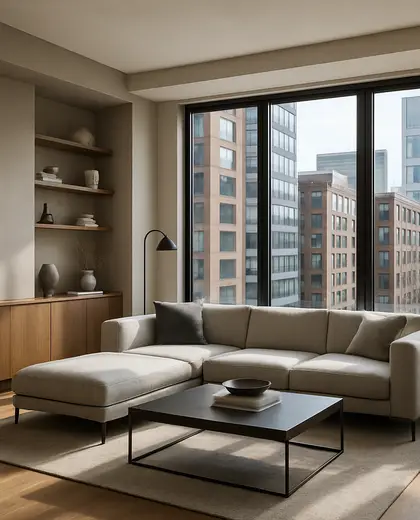
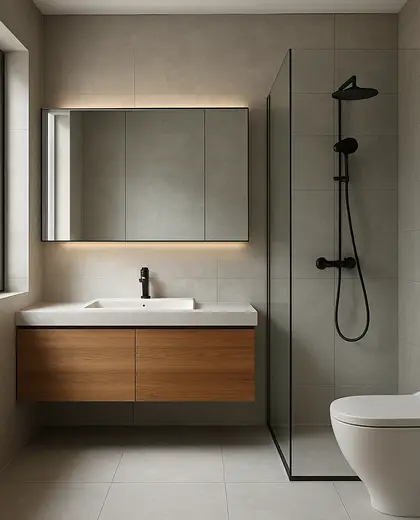
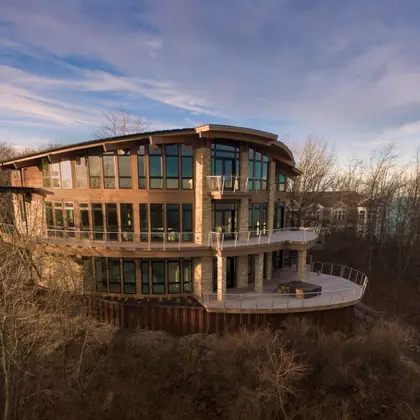
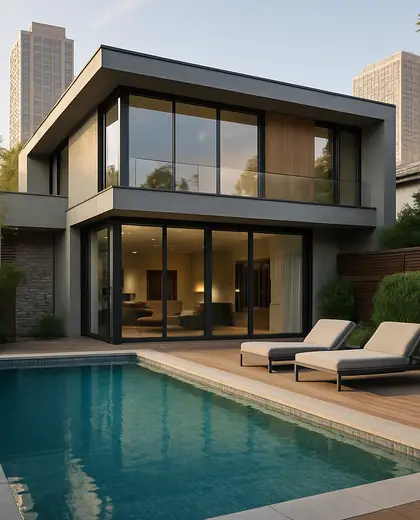
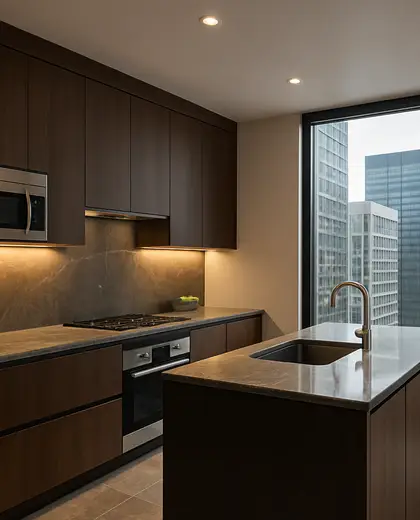
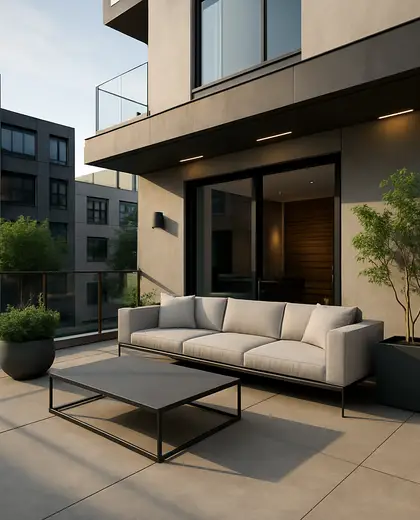
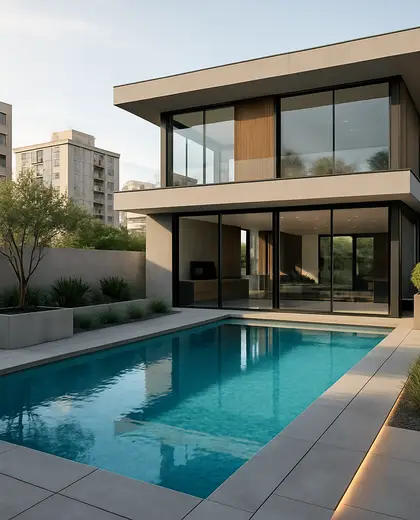
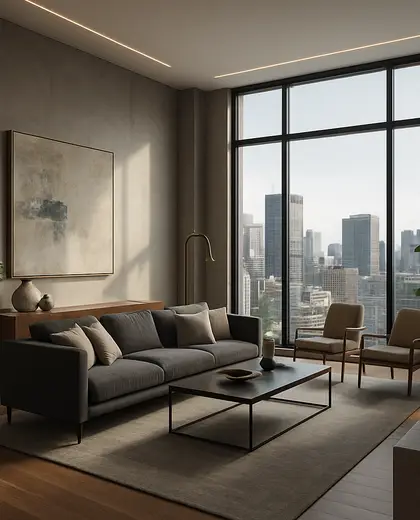
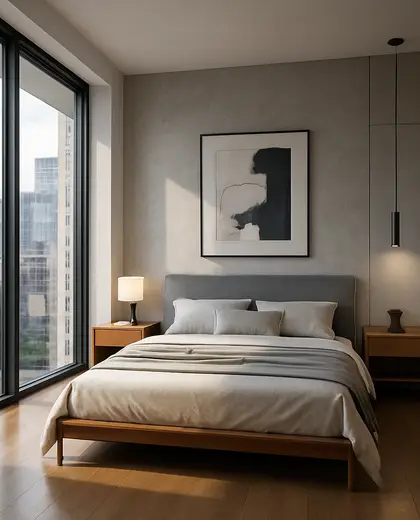
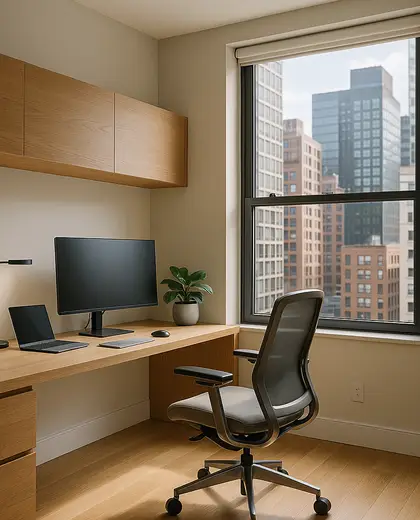
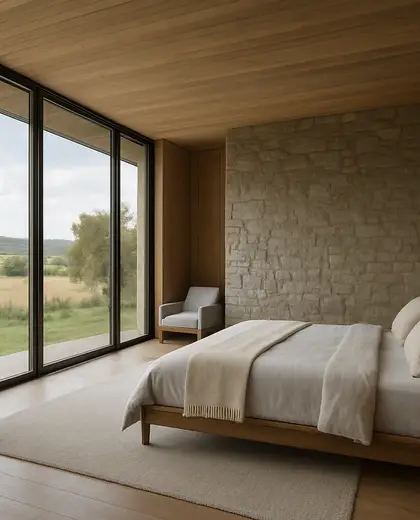
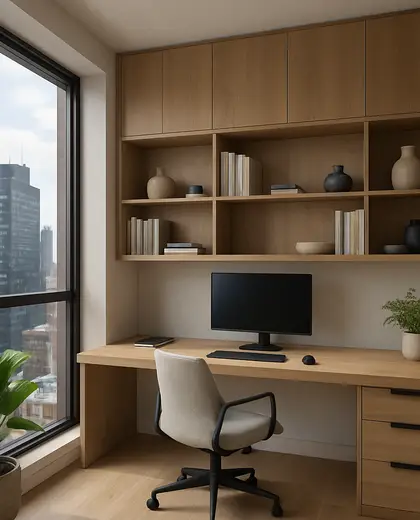
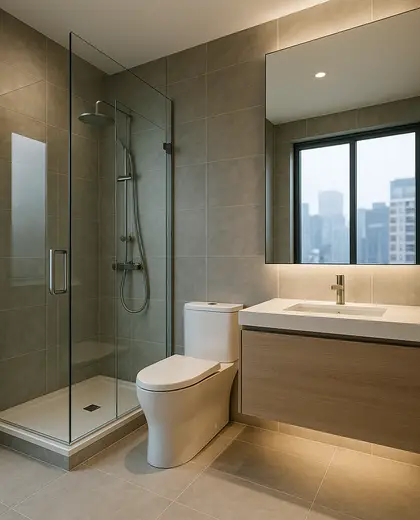
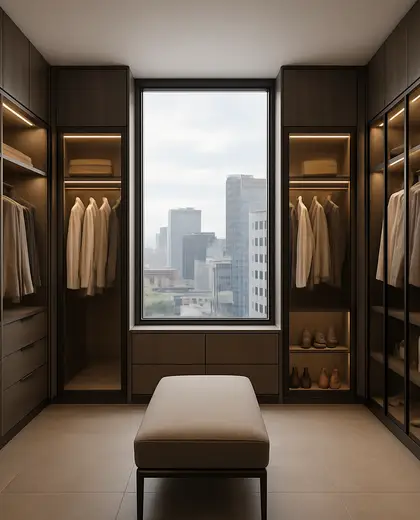
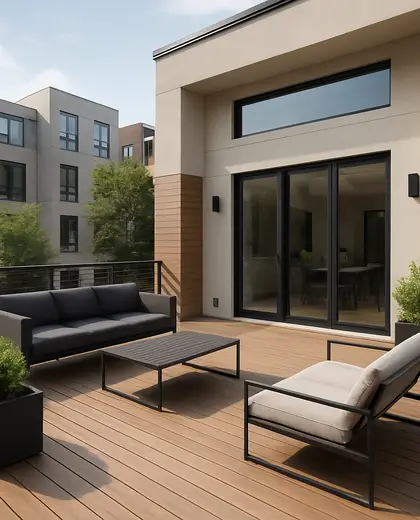
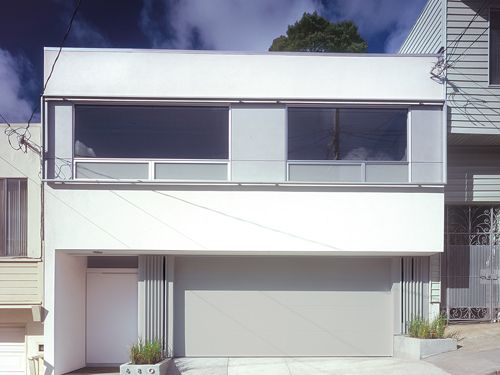
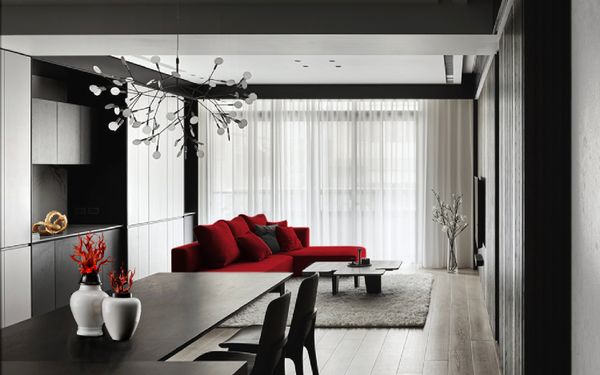
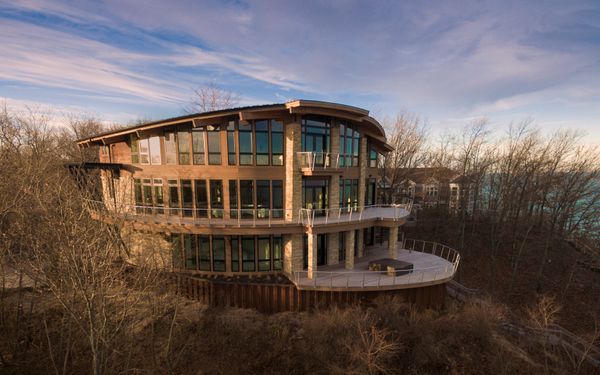
Contemporary composition is defined by clean lines, simple volumes, and a restrained mix of materials such as concrete, glass, steel, and smooth plaster. The palette is usually neutral, with white, grey, black, and natural wood tones used to keep the architecture calm and current. It often includes large openings, flat or low-slope roofs, and minimal detailing.
- contemporary
— References
References to explore
Is contemporary the same as modern?
Not exactly. Contemporary refers to what is current now, while modern usually points to a specific architectural movement with stricter forms and details.
Does contemporary design only use cold materials?
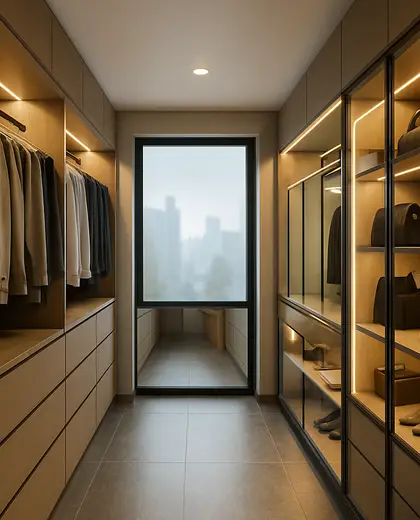
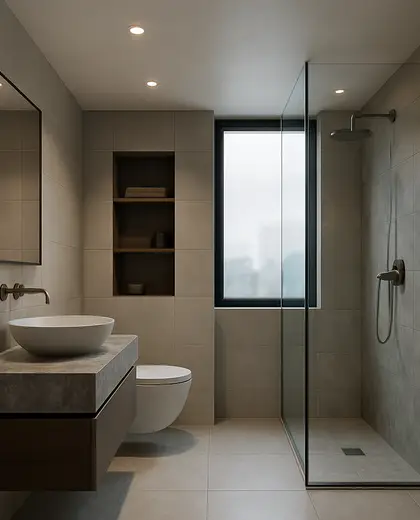
No. It often uses concrete, metal, and glass, but these are commonly balanced with timber, textured finishes, and softer furnishings.
Can a contemporary house feel warm?
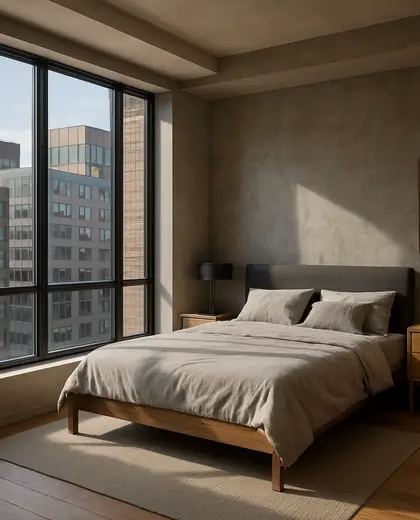
Yes. Warmth usually comes from wood, natural light, textured surfaces, and a balanced interior palette rather than from decoration alone.
— The style
What defines it
Concrete, glass, steel, plaster, and timber are the most common materials.
Neutral tones dominate: white, grey, black, and warm wood accents.
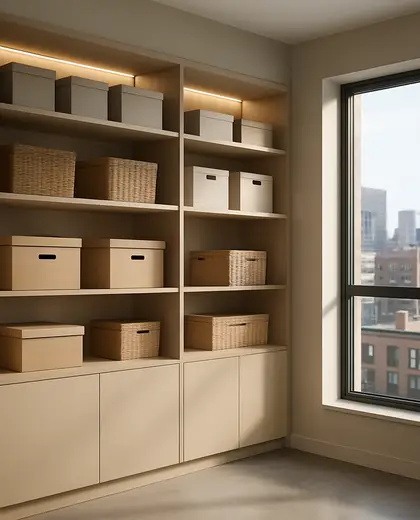
Works well with open-plan layouts, large glazing, built-in storage, and simple landscaping.
— Professionals
Who has already built it



- michael matthewsarchitects · Los Angeles · 5 projectsView profile →
- interior design by emilyinterior designers · 4 projectsView profile →
- Karavaan Homefurniture sellers · High Point · 4 projectsView profile →
- jacob galleslandscape designers · 2 projectsView profile →
— Questions
Frequently asked questions
Is contemporary the same as modern?
Not exactly. Contemporary refers to what is current now, while modern usually points to a specific architectural movement with stricter forms and details.
Does contemporary design only use cold materials?
No. It often uses concrete, metal, and glass, but these are commonly balanced with timber, textured finishes, and softer furnishings.
Can a contemporary house feel warm?
Yes. Warmth usually comes from wood, natural light, textured surfaces, and a balanced interior palette rather than from decoration alone.