— Ideas & inspiration
Contemporary lines meet the beach
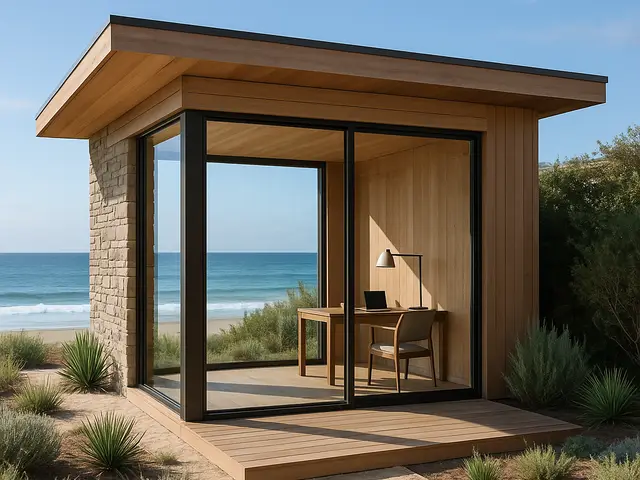
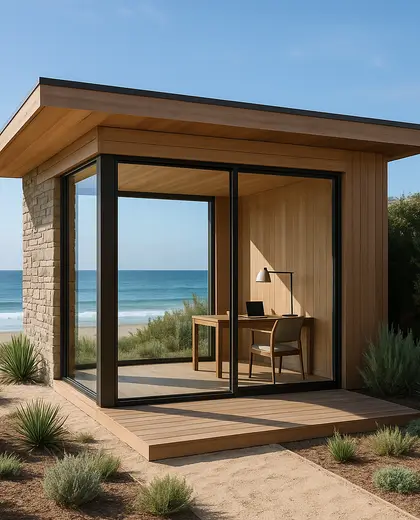
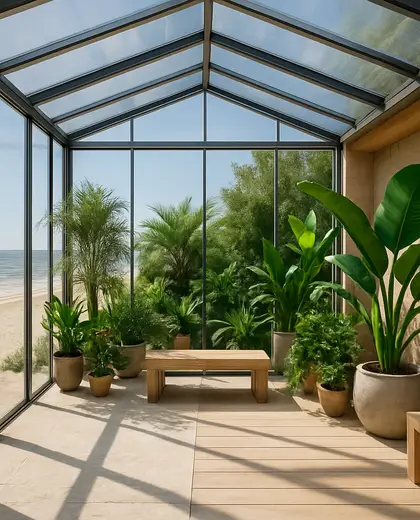
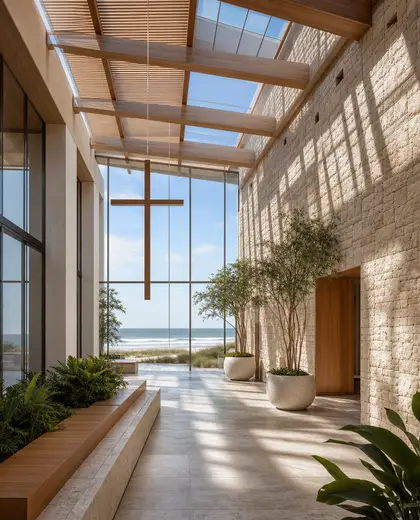
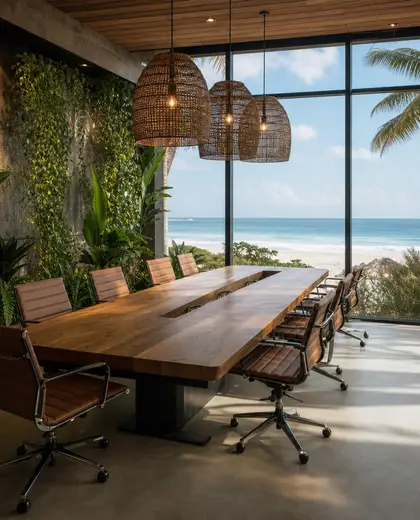
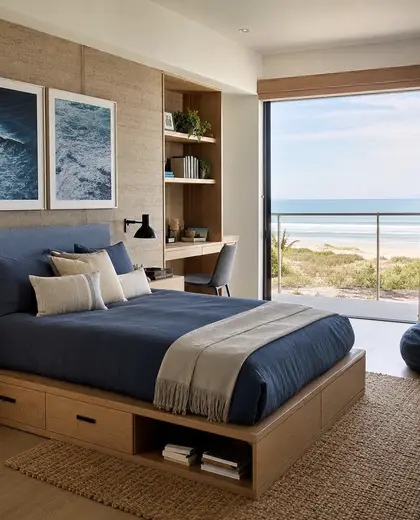
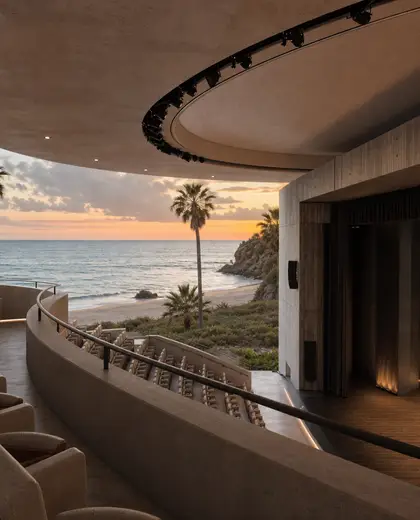
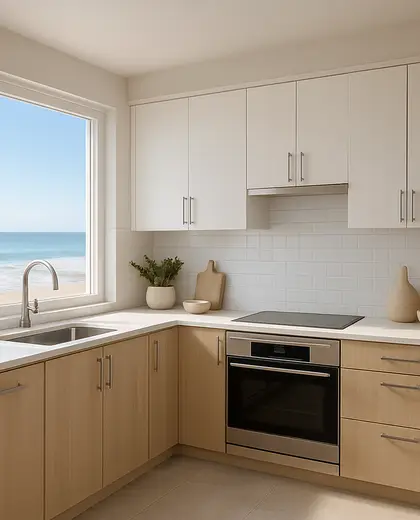
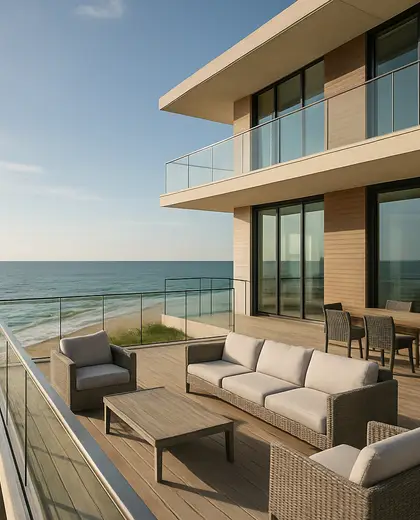
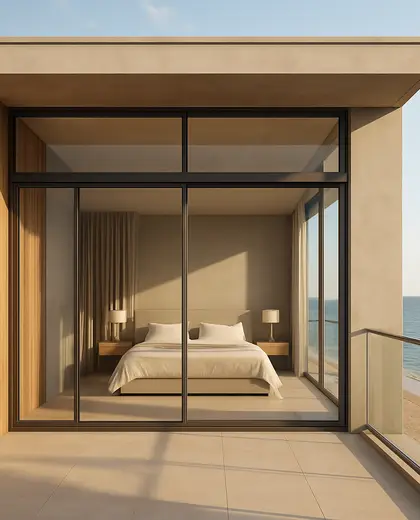
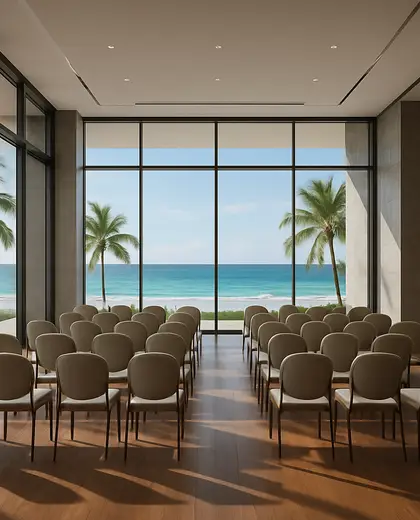
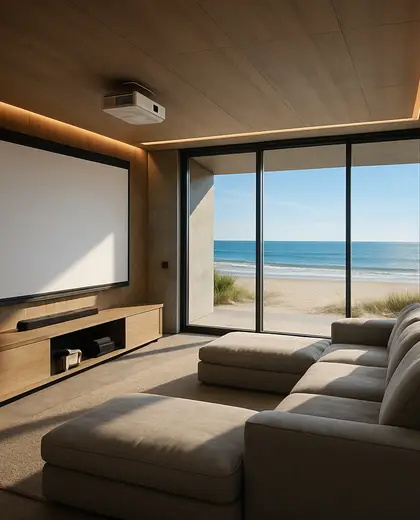
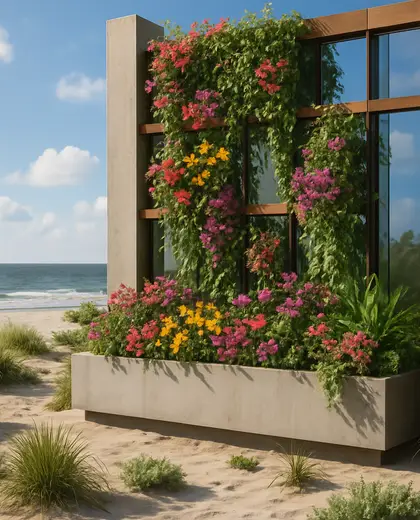
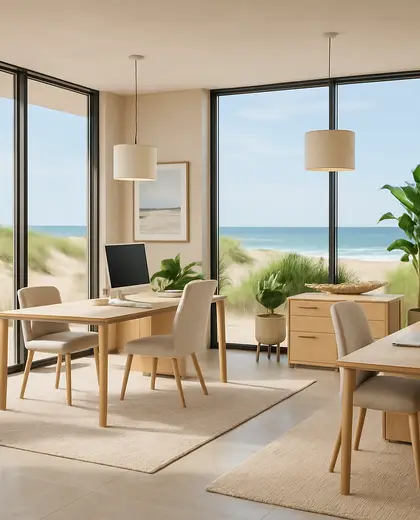
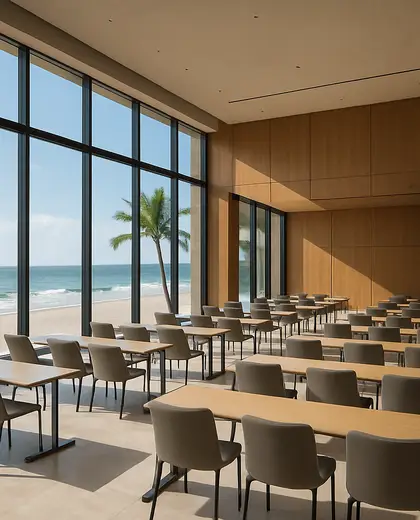
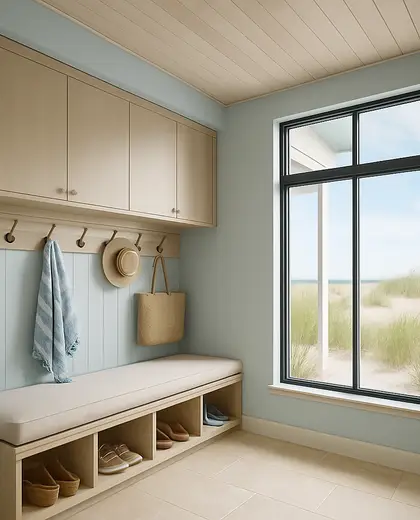
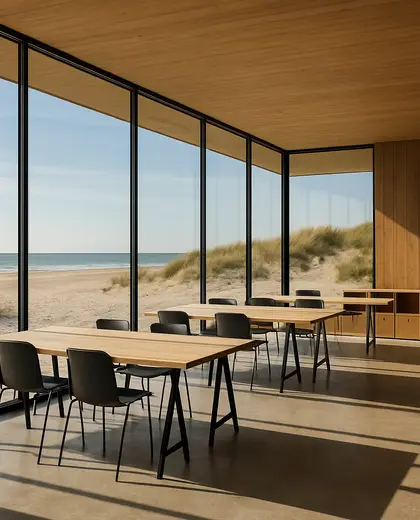
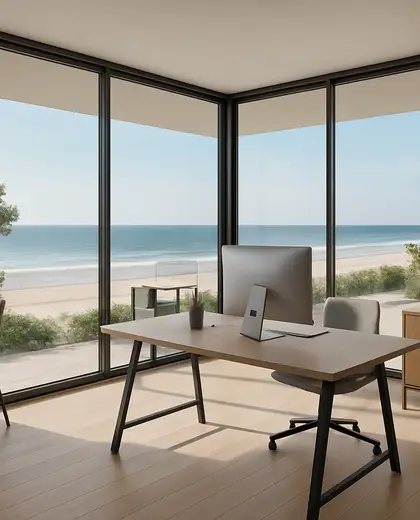
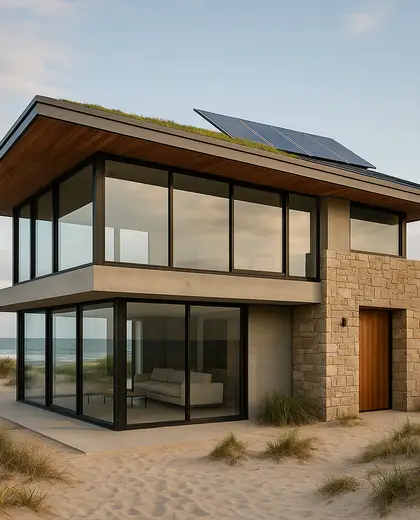
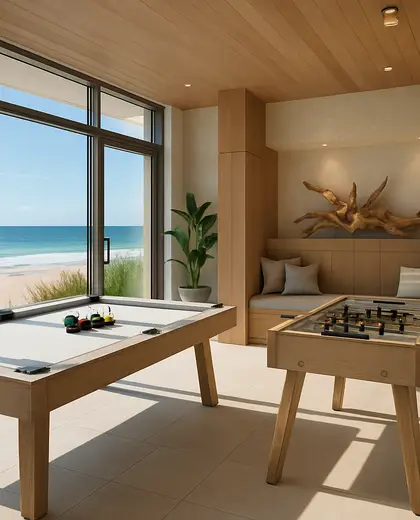
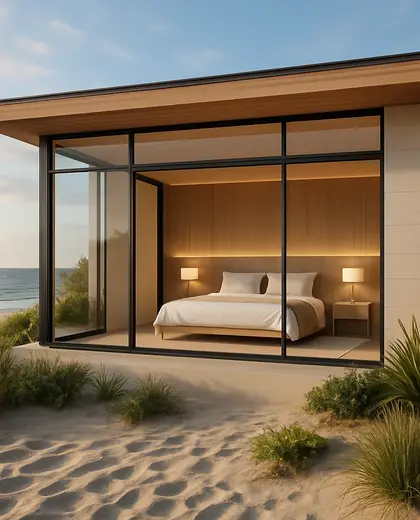
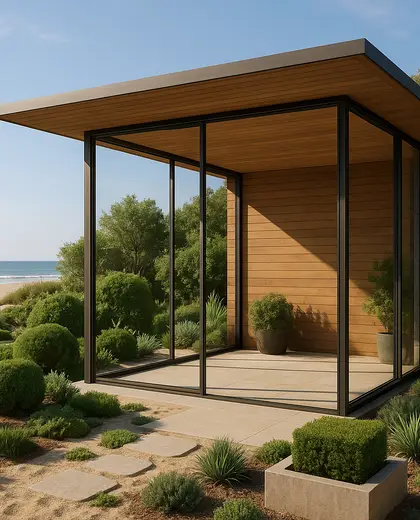
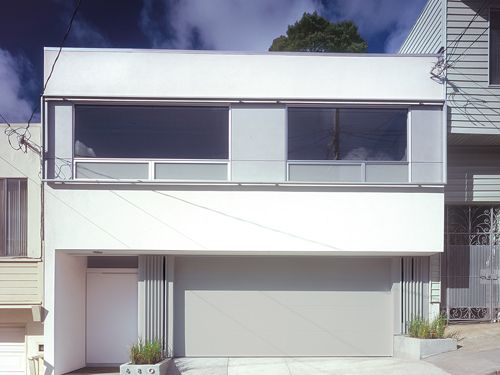
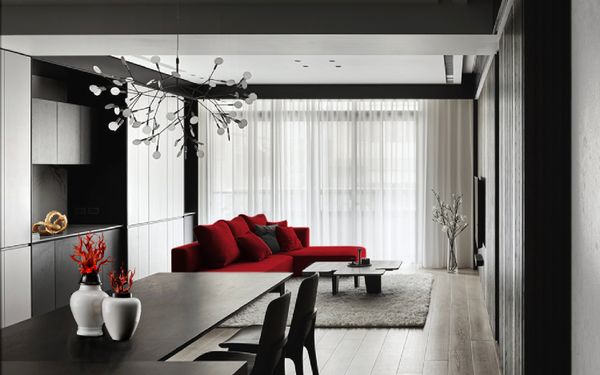
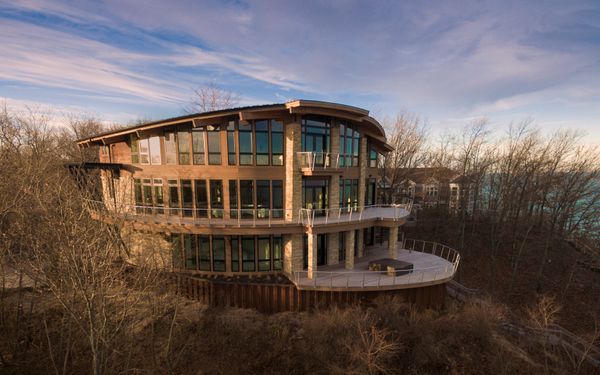
Contemporary beach design pairs clean, simplified forms with light-filled spaces and a relaxed coastal feel. It often uses natural materials like timber, stone, glass, and limewashed or painted surfaces, with large openings, shaded outdoor areas, and finishes that stand up to salt, sun, and humidity. The look is defined by restraint: open plans, crisp detailing, and a palette that stays bright, soft, and weathered rather than ornate.
- contemporary
- beach
— References
References to explore
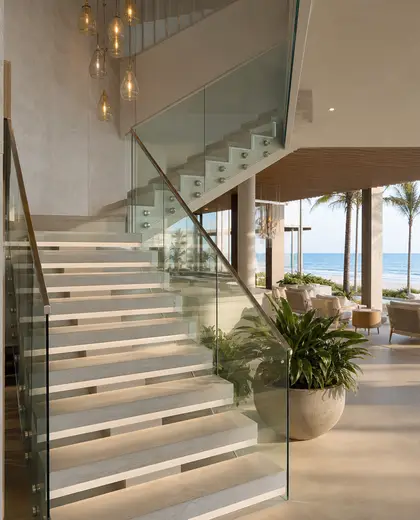
How do I keep a contemporary beach home from feeling too casual?
Use a strong architectural structure, simple detailing, and a restrained material palette. Clean lines and well-proportioned openings keep the design contemporary while softer textures and coastal colors keep it relaxed.
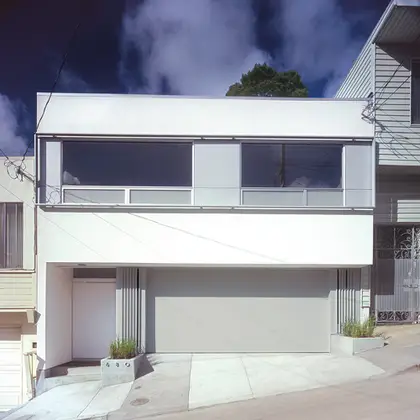
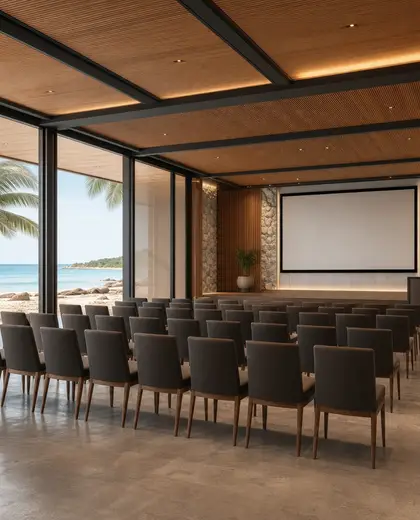
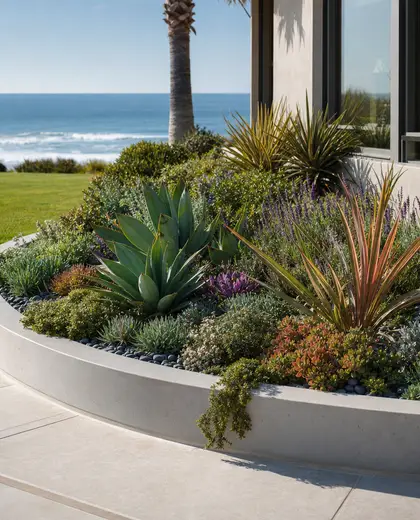
What materials work best near the coast?
Choose finishes that tolerate moisture, salt, and UV exposure, such as treated timber, stone, powder-coated metal, quality glazing, and durable exterior coatings. Avoid highly delicate finishes in exposed areas unless they are carefully protected.
Can this style work in a cooler or less sunny location?
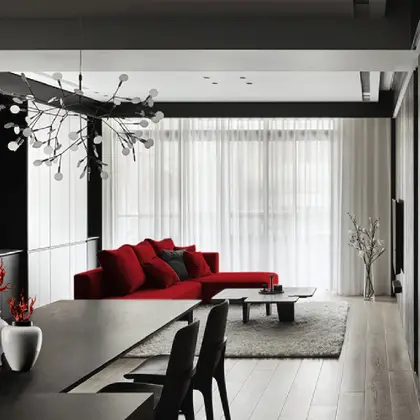
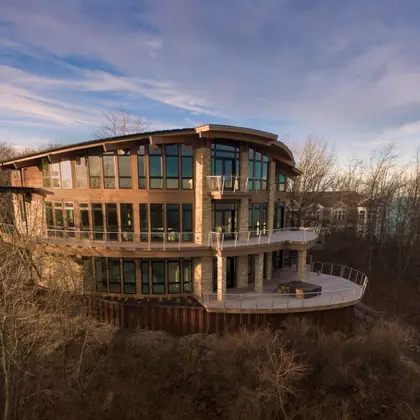
Yes, if you adapt the palette and openings to the climate. You can keep the same clean forms and natural materials while using warmer woods, more enclosure, and less emphasis on oversized outdoor living spaces.
— The style
What defines it
Timber, stone, glass, concrete, and moisture-resistant finishes are common, often with textured surfaces that feel natural and durable.
White, sand, oatmeal, pale grey, driftwood tones, and muted blues create a light, coastal atmosphere.
This composition works with open-plan living, deep eaves, verandas, terraces, and indoor-outdoor layouts.
— Professionals
Who has already built it



- jeffry kocharchitects · Rose Hill · 2 projectsView profile →
- Karavaan Homefurniture sellers · High Point · 4 projectsView profile →
- jacob galleslandscape designers · 2 projectsView profile →
- interior design by emilyinterior designers · 4 projectsView profile →
— Explore
Keep exploring
— Questions
Frequently asked questions
How do I keep a contemporary beach home from feeling too casual?
Use a strong architectural structure, simple detailing, and a restrained material palette. Clean lines and well-proportioned openings keep the design contemporary while softer textures and coastal colors keep it relaxed.
What materials work best near the coast?
Choose finishes that tolerate moisture, salt, and UV exposure, such as treated timber, stone, powder-coated metal, quality glazing, and durable exterior coatings. Avoid highly delicate finishes in exposed areas unless they are carefully protected.
Can this style work in a cooler or less sunny location?
Yes, if you adapt the palette and openings to the climate. You can keep the same clean forms and natural materials while using warmer woods, more enclosure, and less emphasis on oversized outdoor living spaces.