— Ideas & inspiration
Quiet lines in the countryside
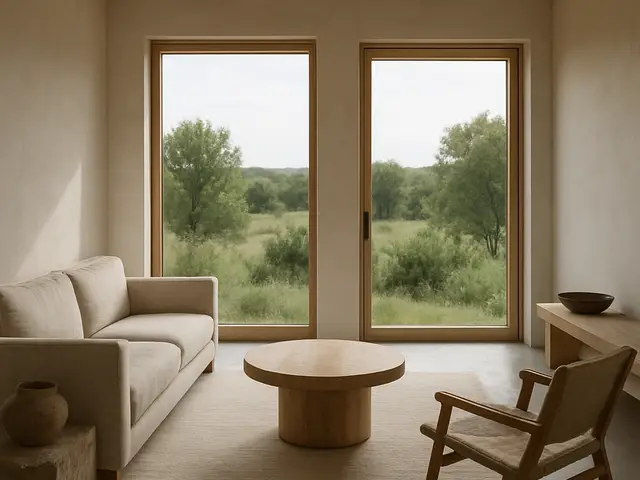
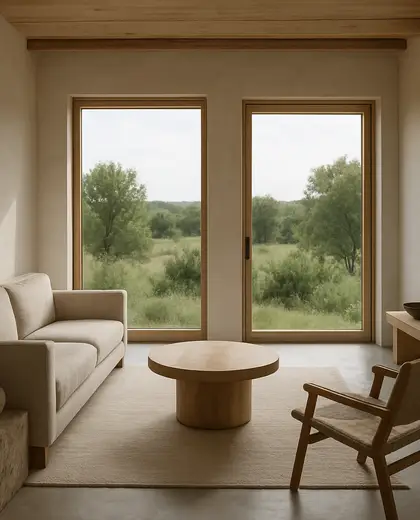
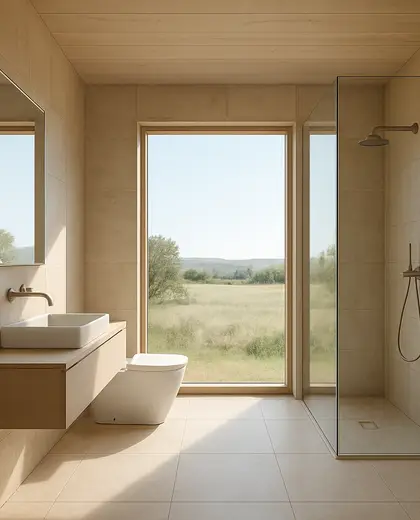
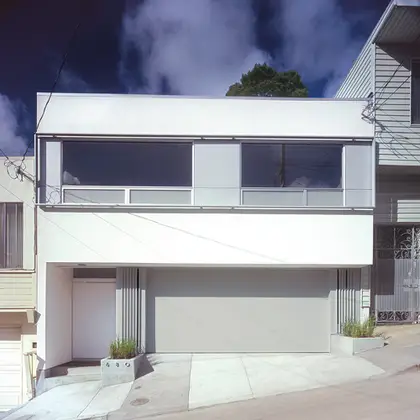
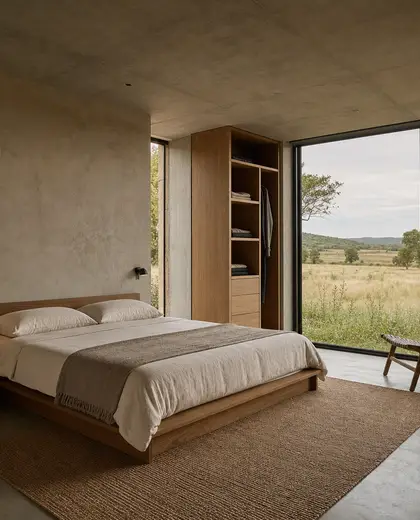
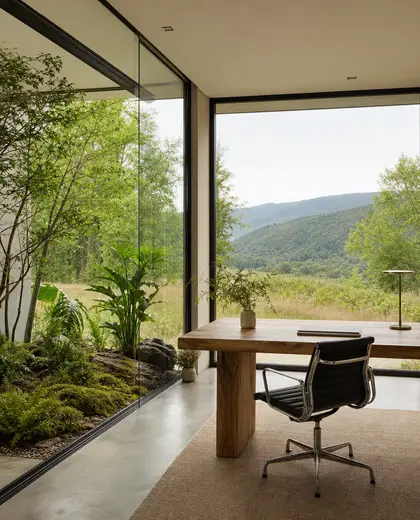
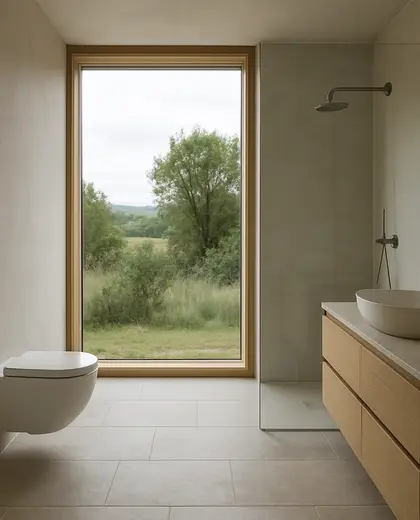
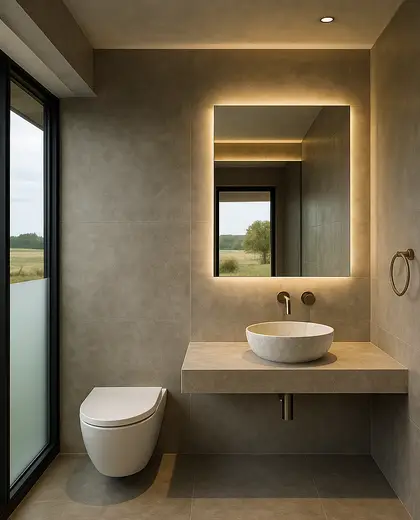
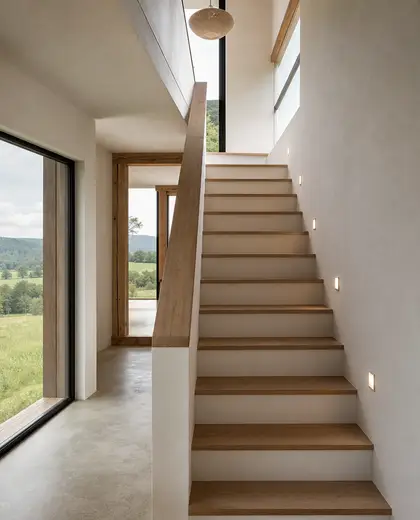
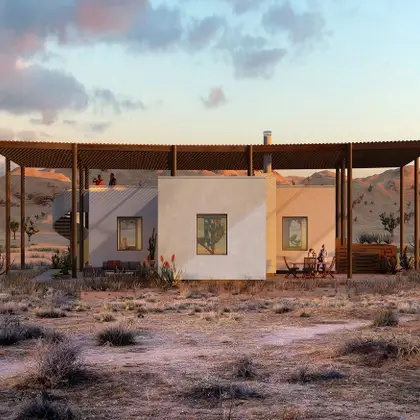
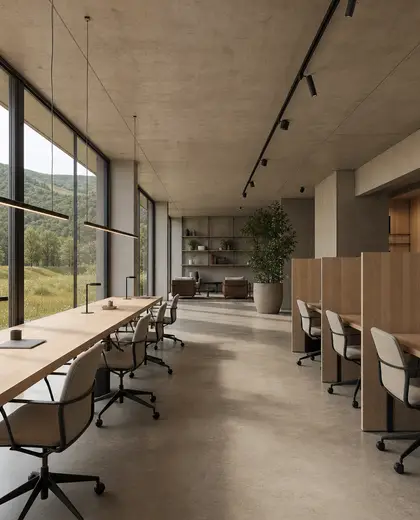
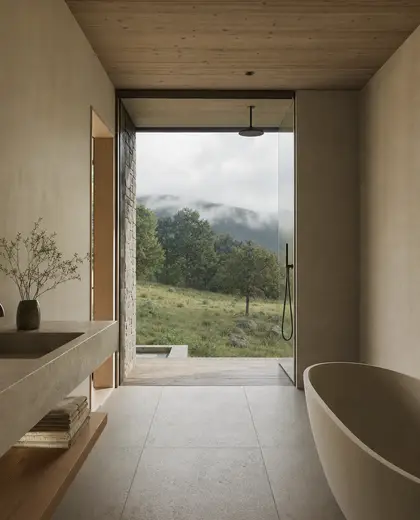
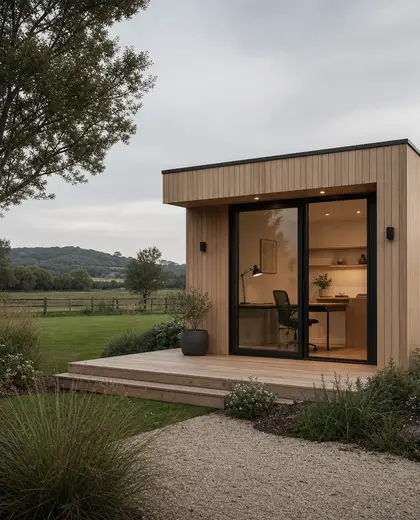
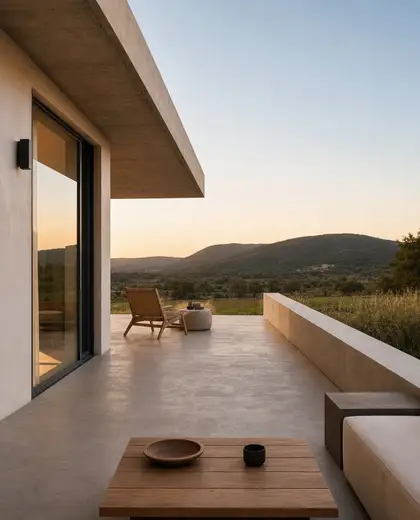
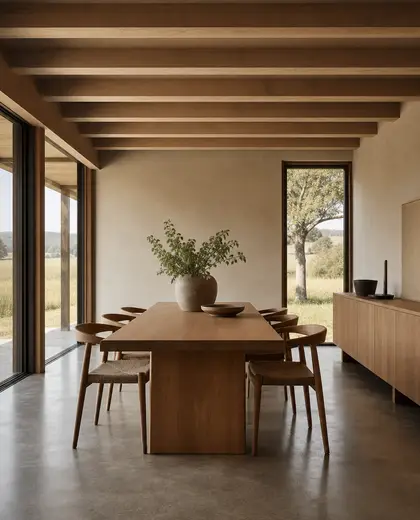
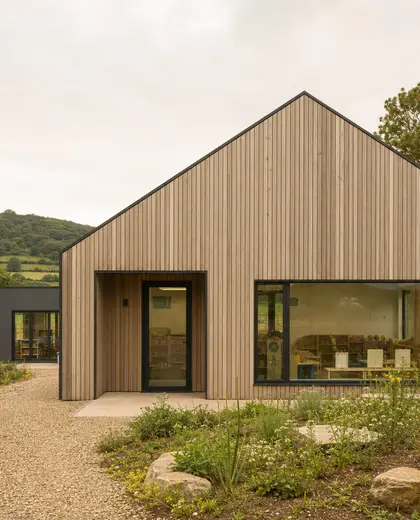
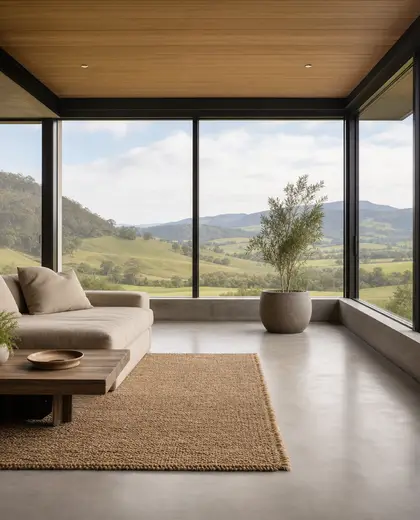
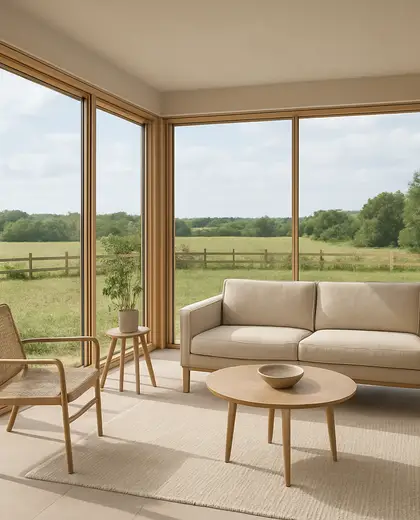
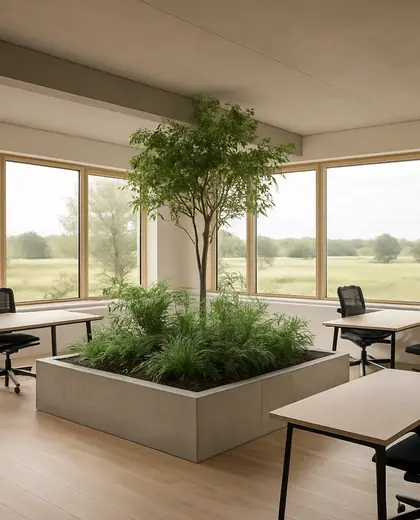
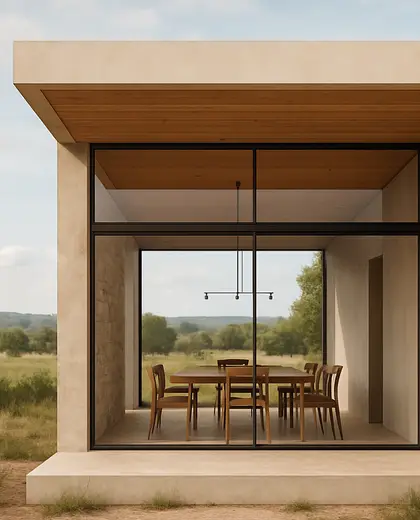
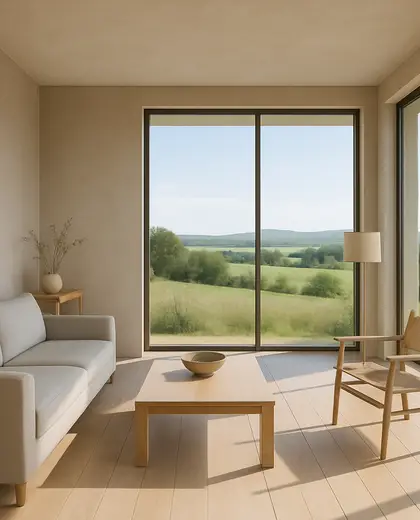
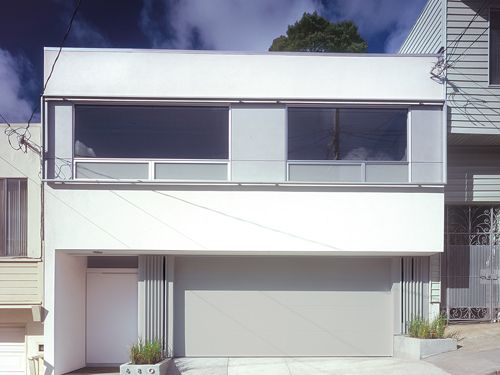
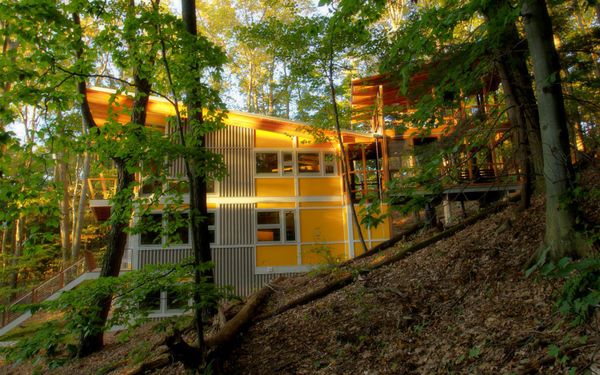
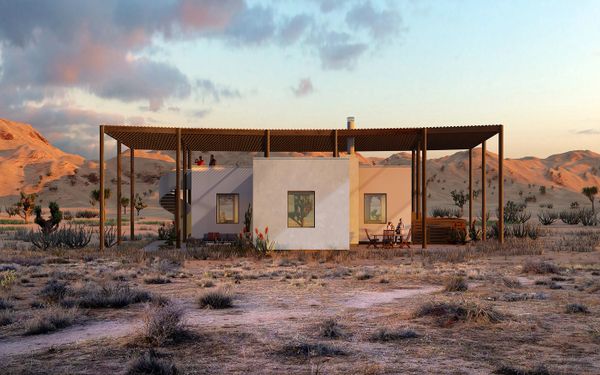
Minimalist rural architecture uses simple forms, low visual noise, and a restrained material palette to fit naturally into a countryside setting. It often pairs white plaster, timber, stone, and metal with large openings, plain roofs, and uncluttered facades. The result is calm, functional, and closely tied to the landscape.
- minimalist
- rural
— References
References to explore
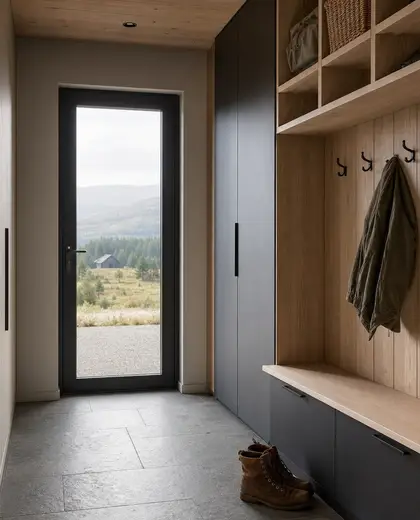
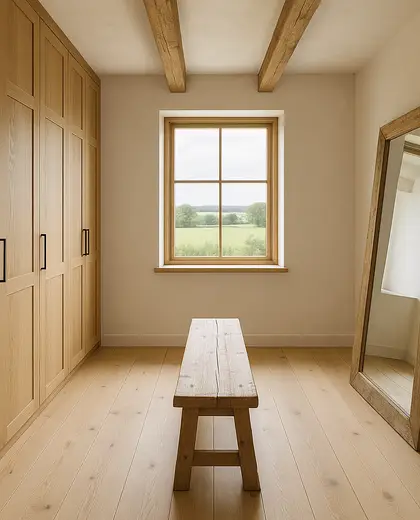
Can minimalist rural design still feel warm and lived in?
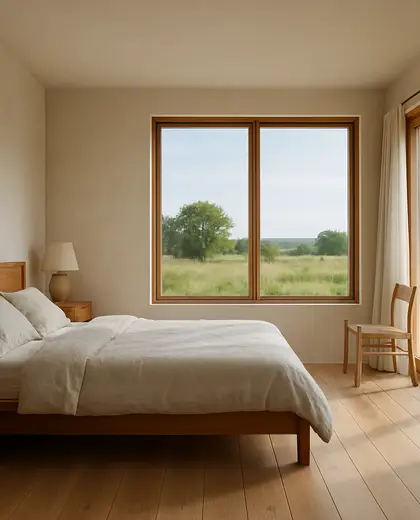
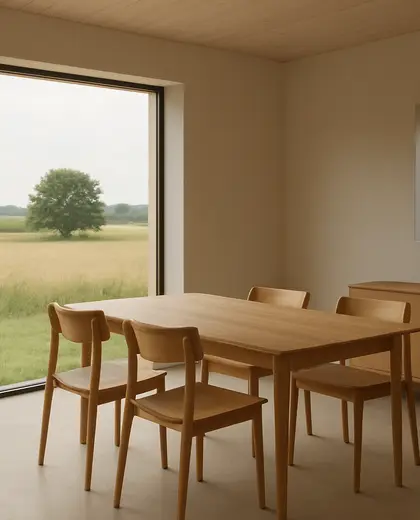
Yes. Warmth usually comes from wood, textured plaster, stone, and soft daylight rather than decoration.
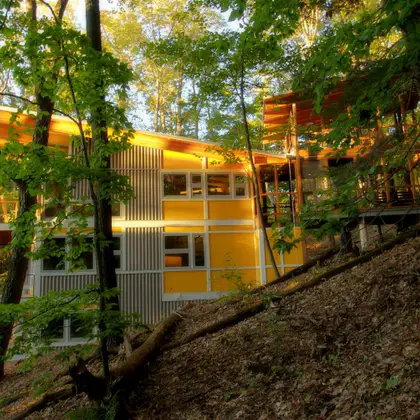
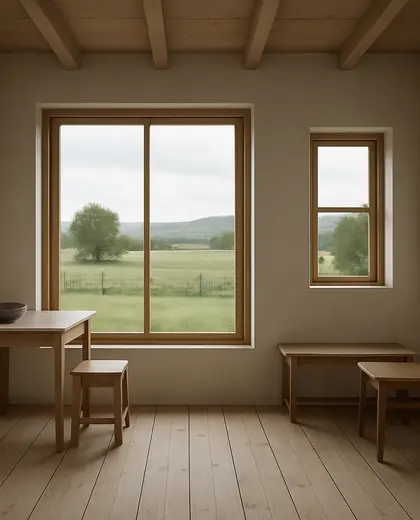
Does this style work on an existing farmhouse?
It can, if the renovation keeps the building simple and uses materials that suit the original rural context.
What details make it feel rural instead of urban minimalism?
Long rooflines, natural finishes, generous outdoor space, and a strong relationship to the surrounding land are key.
— The style
What defines it
White or earth-toned plaster, natural timber, local stone, concrete, and standing-seam metal are common.
Muted, natural colors: off-white, beige, sand, grey, weathered wood, and dark metal accents.
Works well with rural plots, barns, farmhouses, open fields, gardens, and low-density landscapes.
— Professionals
Who has already built it



- interior design by emilyinterior designers · 2 projectsView profile →
- fathoms designarchitects · Wheaton · 3 projectsView profile →
- Karavaan Homefurniture sellers · High Point · 4 projectsView profile →
— Explore
Keep exploring

— Questions
Frequently asked questions
Can minimalist rural design still feel warm and lived in?
Yes. Warmth usually comes from wood, textured plaster, stone, and soft daylight rather than decoration.
Does this style work on an existing farmhouse?
It can, if the renovation keeps the building simple and uses materials that suit the original rural context.
What details make it feel rural instead of urban minimalism?
Long rooflines, natural finishes, generous outdoor space, and a strong relationship to the surrounding land are key.