— Ideas & inspiration
Sustainable facades with a refined architectural edge
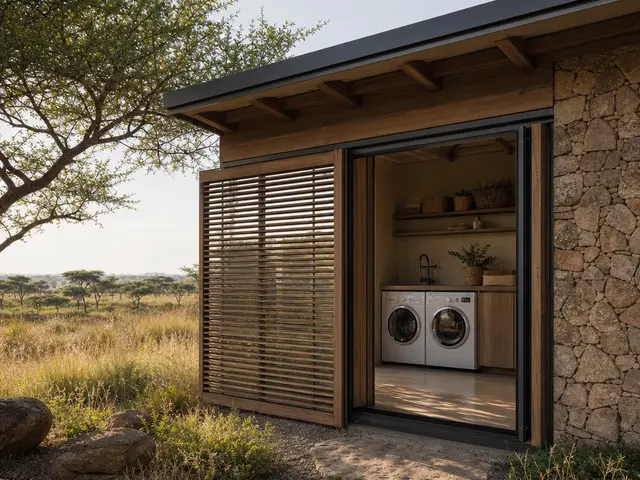
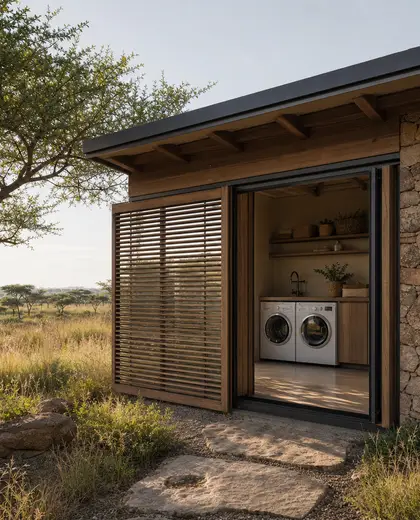
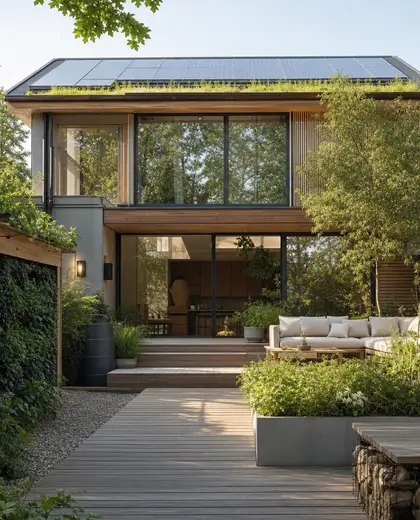
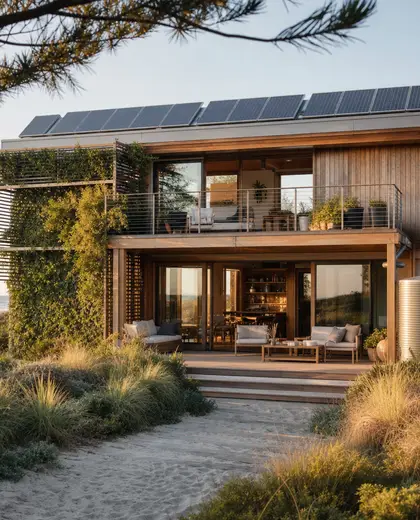
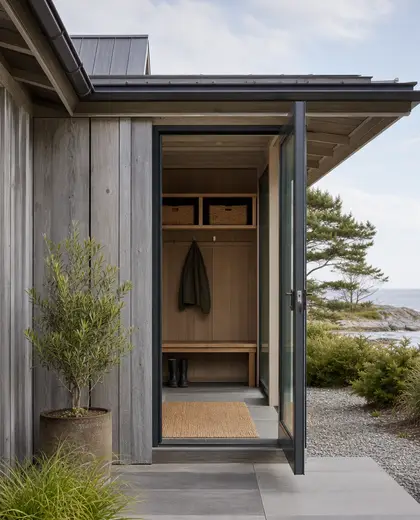
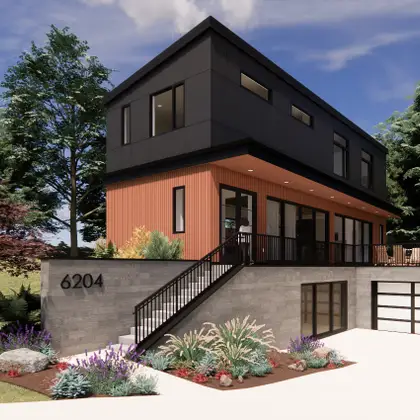
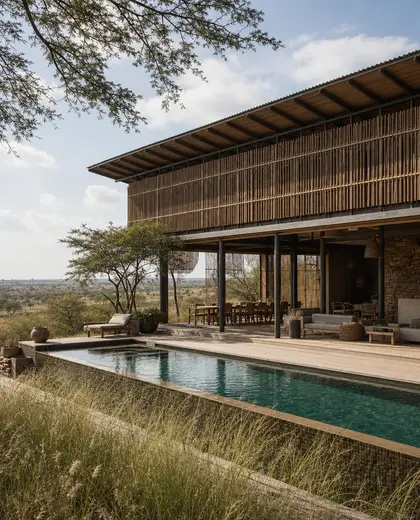
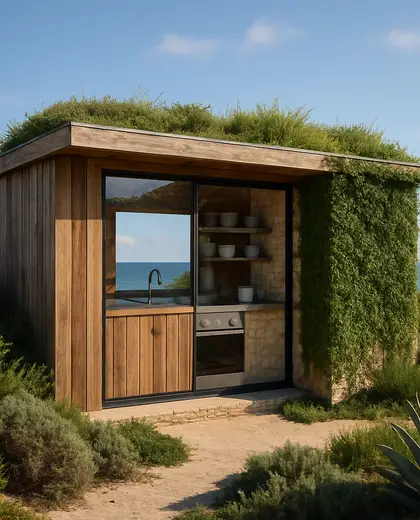
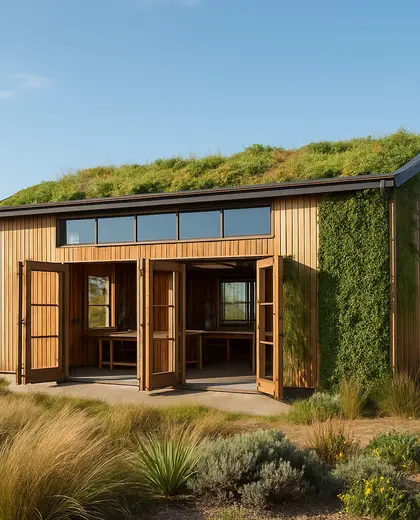
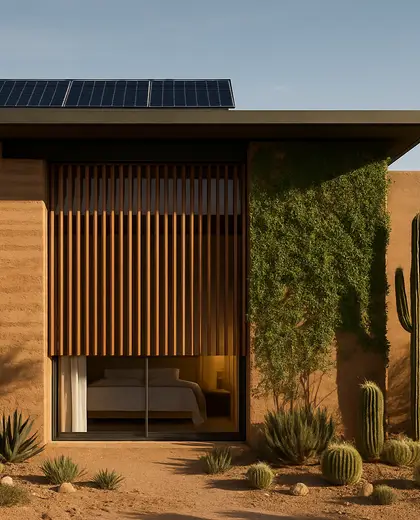
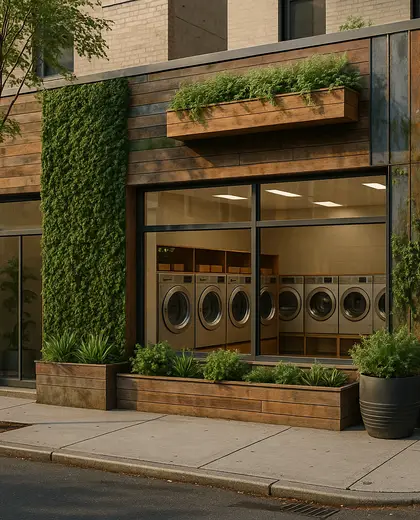
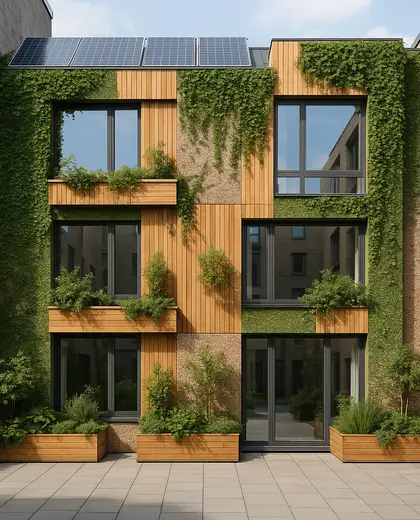
This composition is defined by an exterior envelope that reduces energy demand while shaping the building’s character. It typically uses recycled, locally sourced, or low-carbon materials such as timber slats, brick, terracotta, metal screens, fiber-cement panels, or high-performance glazing. The look is usually calm and natural, with layered textures, shaded openings, and details that support insulation, ventilation, and solar control.
- facade
- sustainable
— References
References to explore
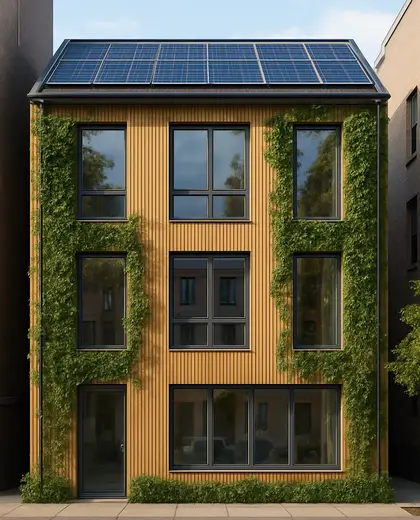
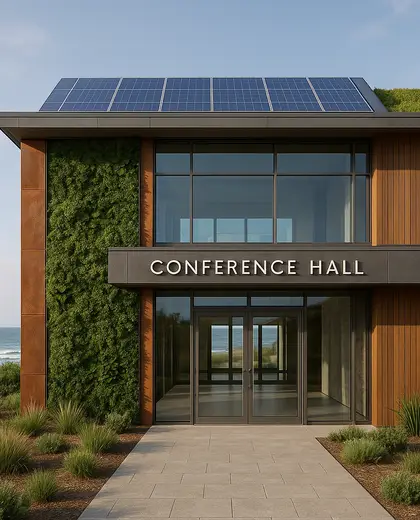
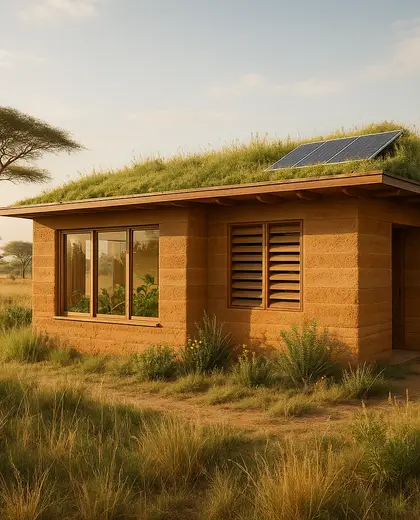
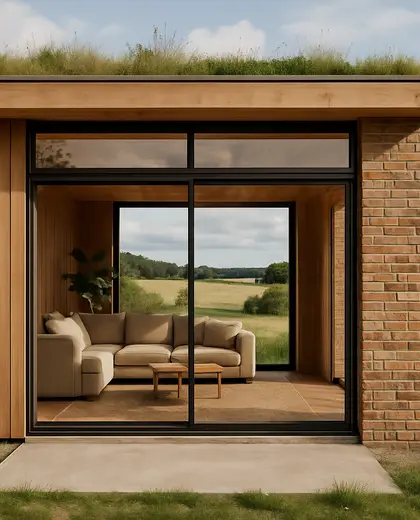
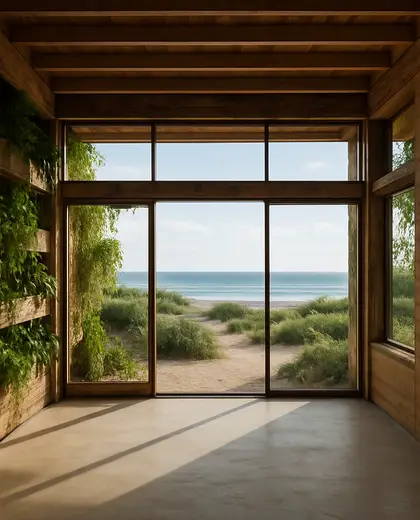
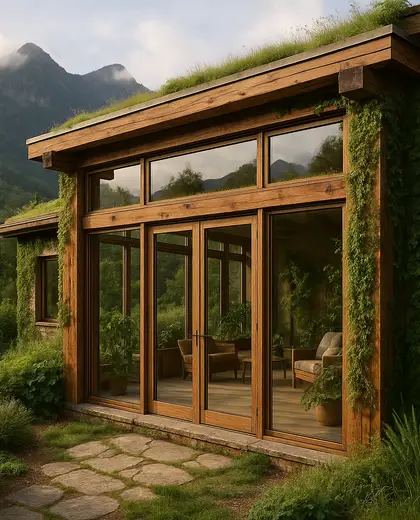
What makes a façade sustainable?
A sustainable façade limits heat gain and loss, uses durable or low-impact materials, and helps the building work with daylight, ventilation, and shading.
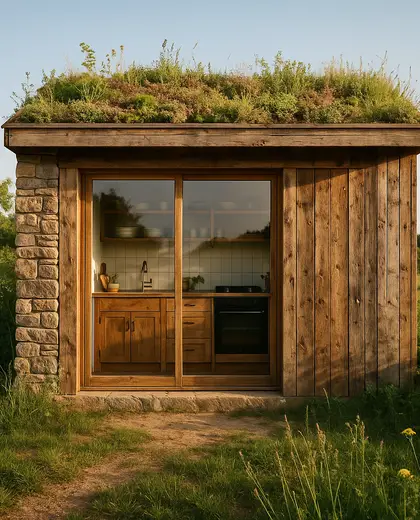
— The style
What defines it
Timber, brick, terracotta, recycled metal, fiber-cement, and performance glass are common choices.
Earth tones, muted grays, warm wood finishes, and natural surface variation keep the façade grounded.
Energy-efficient glazing, shading devices, rain screens, green walls, and passive design strategies.
— Professionals
Who has already built it
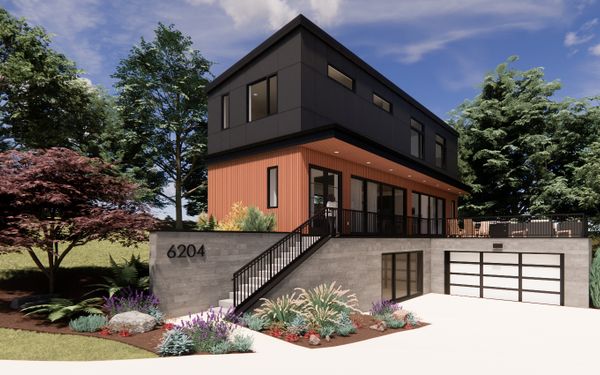

- Karavaan Homefurniture sellers · High Point · 4 projectsView profile →
— Explore
Keep exploring
— ARTICLES
Related reading
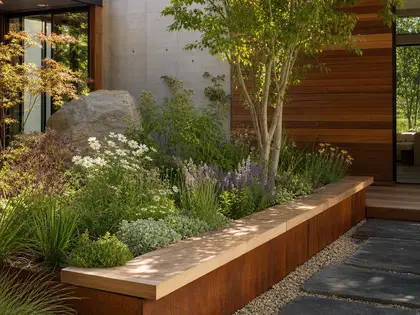
Flower Bed Trends for a More Natural, Low-Fuss Garden in 2026
A practical look at the newest flower bed trends, from climate-smart planting and clean edging to muted colors, smarter layouts, and low-maintenance upgrades you can add without rebuilding the whole garden.
Read article →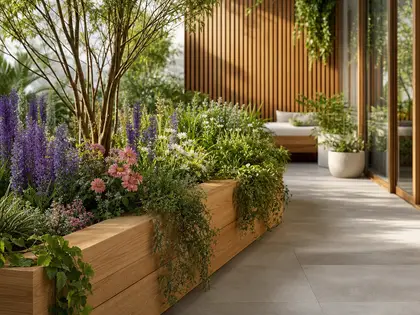
flower bed renovation on a real-world budget: what it costs and where to spend
A practical budget guide for renovating a flower bed in the U.S., with realistic cost ranges, smart places to splurge or save, and hidden expenses to plan for.
Read article →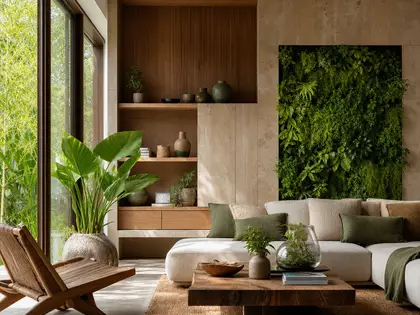
Edging on a budget: what a realistic landscape renovation actually costs
A practical budget guide to landscape edging renovation in the U.S., including material costs, labor trade-offs, hidden expenses, and where to spend or save for a clean, durable result.
Read article →— Questions
Frequently asked questions
What makes a façade sustainable?
A sustainable façade limits heat gain and loss, uses durable or low-impact materials, and helps the building work with daylight, ventilation, and shading.
Can a sustainable façade still look modern?
Yes. Clean lines, slim profiles, screened openings, and textured natural materials can create a modern appearance without sacrificing performance.
Is this approach only for new homes?
No. Many sustainable façade upgrades can be added during renovation, such as better cladding, improved insulation, shading, or higher-performance windows.