— Ideas & inspiration
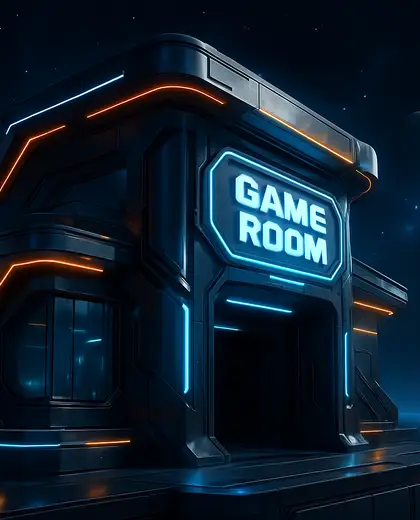
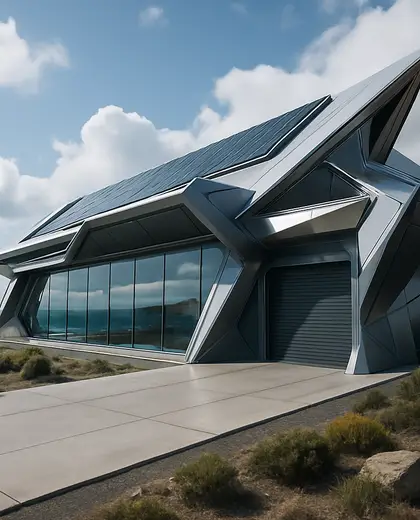
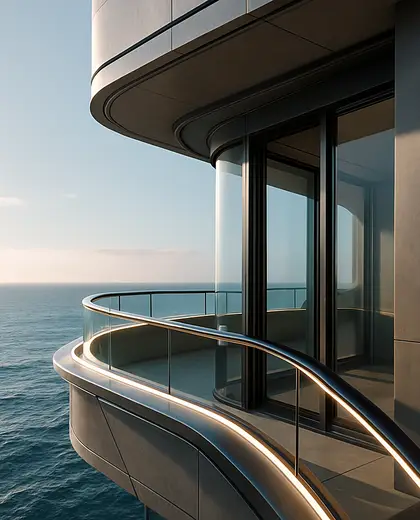
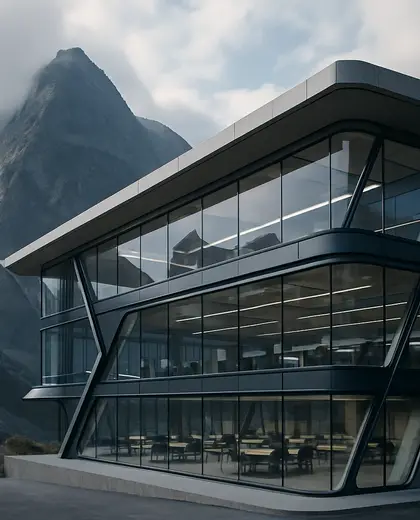
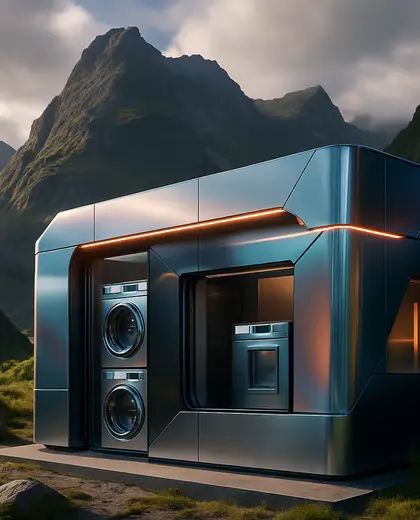
A futuristic facade with sharp lines and luminous surfaces
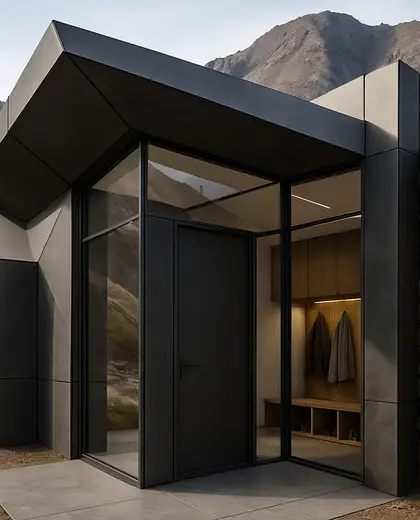
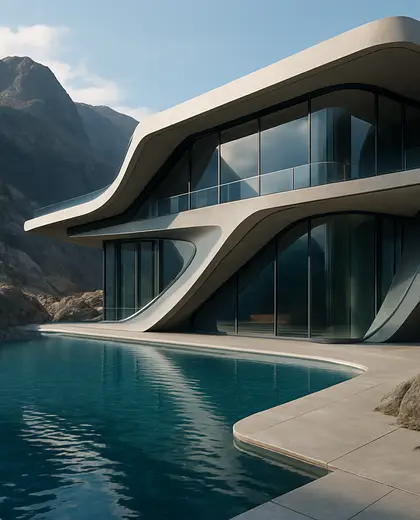
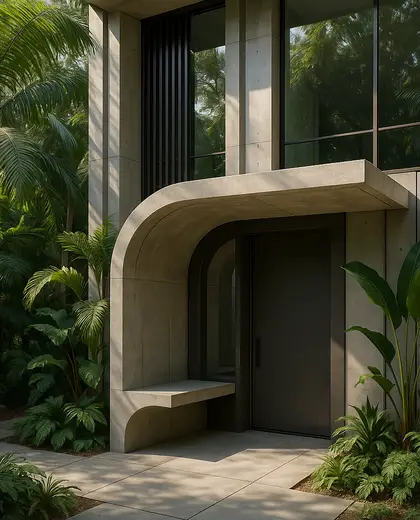
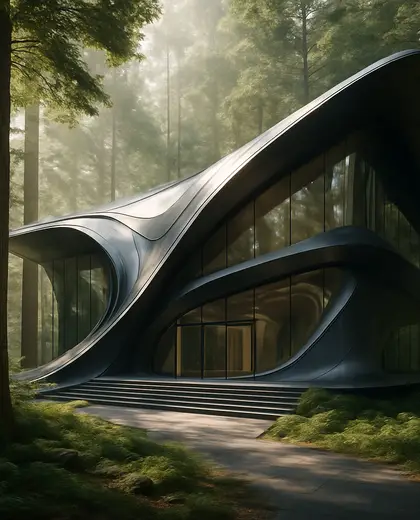
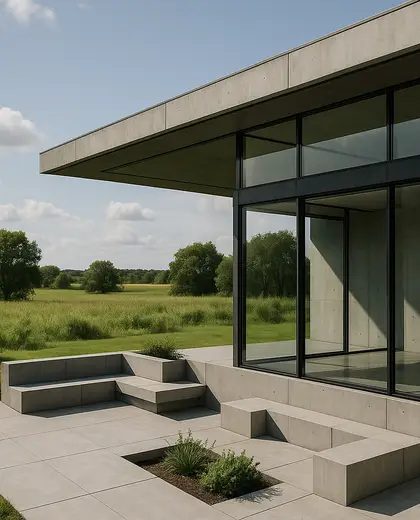
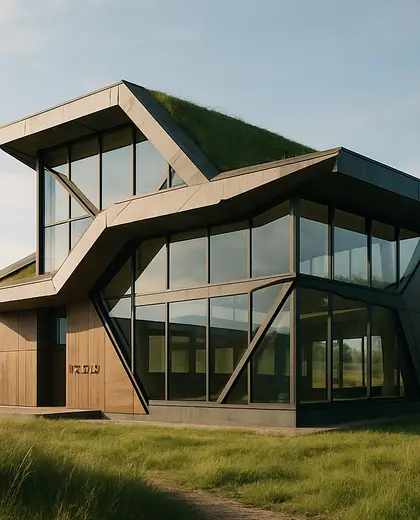
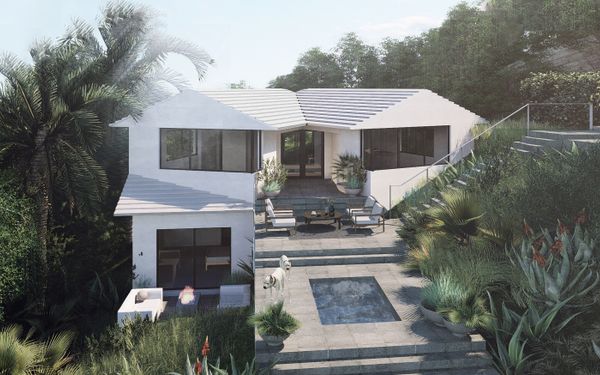
This composition is defined by crisp geometry, smooth cladding, and a highly controlled play of light and shadow. Common materials include metal panels, glass, concrete, and high-performance composite surfaces, often finished in matte white, graphite, silver, or dark neutral tones. The look is shaped by clean joints, large openings, layered volumes, and illuminated details that give the facade a forward-looking feel.
- facade
- futuristic
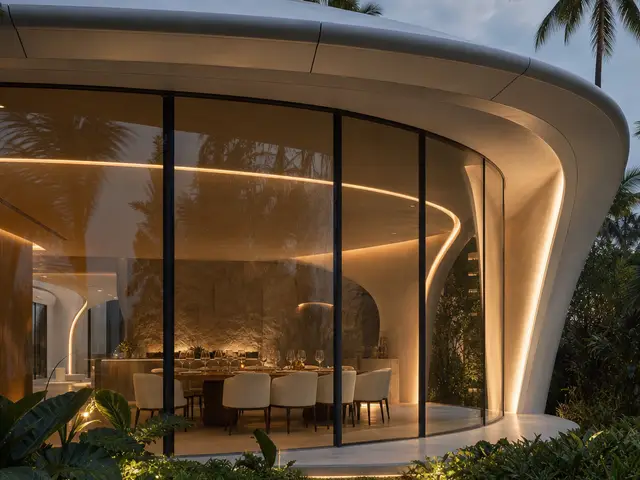
— References
References to explore
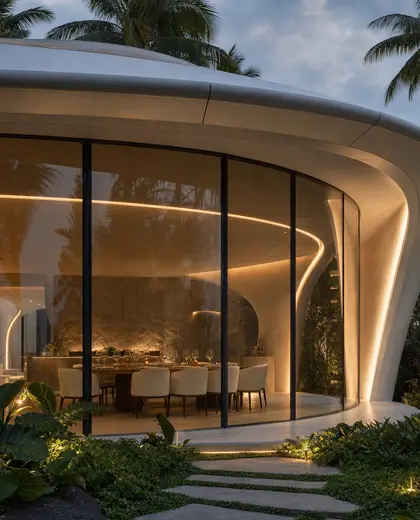
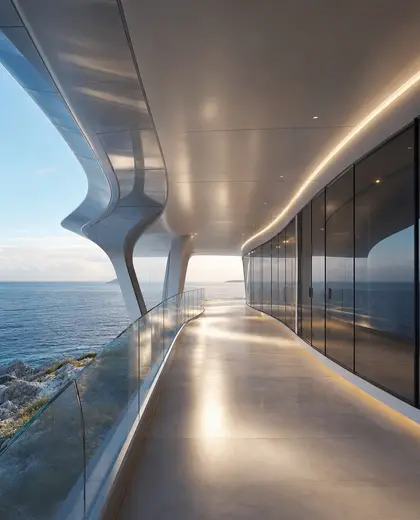
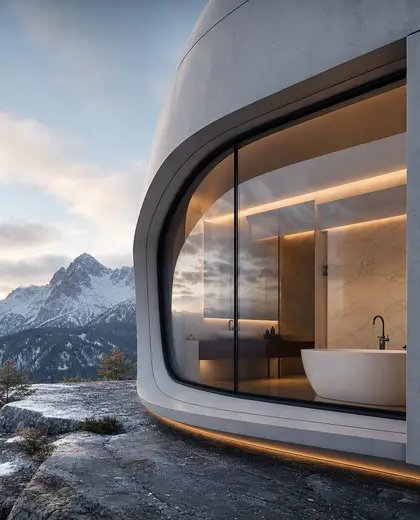
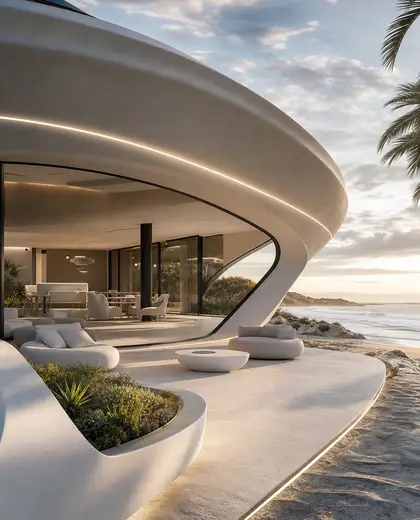
Will a futuristic facade work on a family home?
Yes, if the design is softened with practical proportions, durable materials, and comfortable window placement. It can feel modern without looking cold when the layout stays human-scaled.
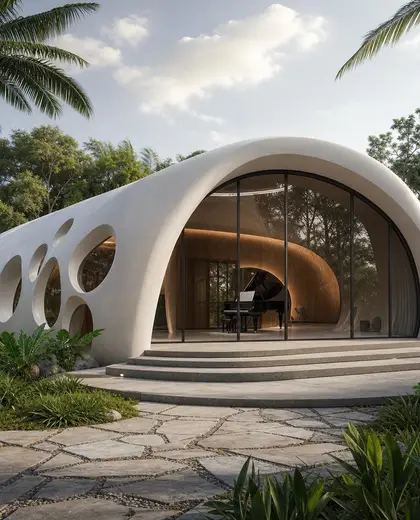
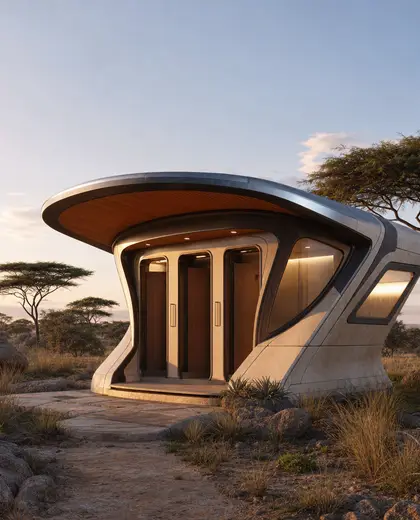
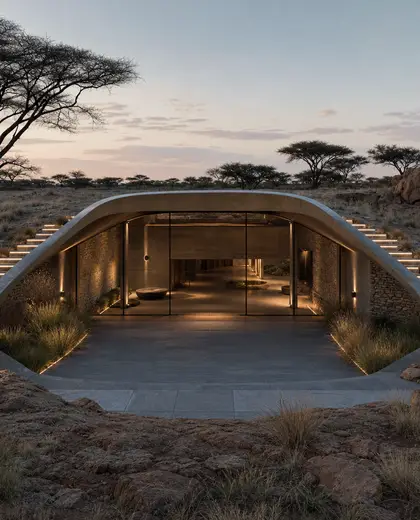
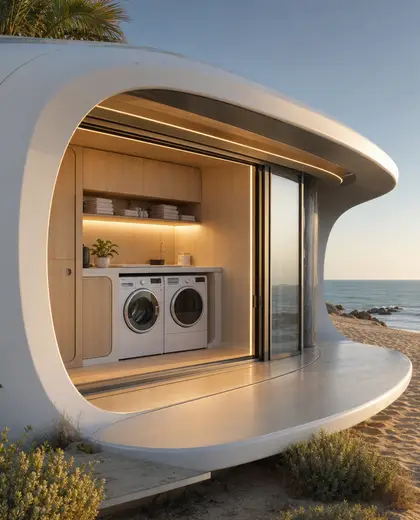
Does this style require high-maintenance finishes?
Not necessarily. Many futuristic facades use durable coatings, treated metal, and low-maintenance glazing, but reflective or highly polished surfaces may need more upkeep to stay clean.
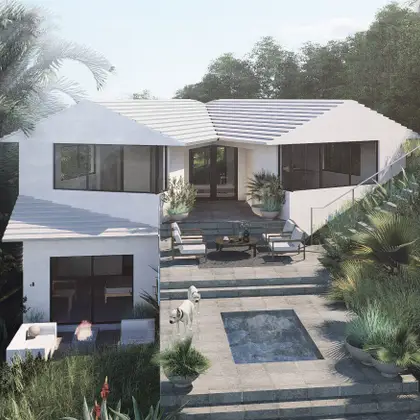
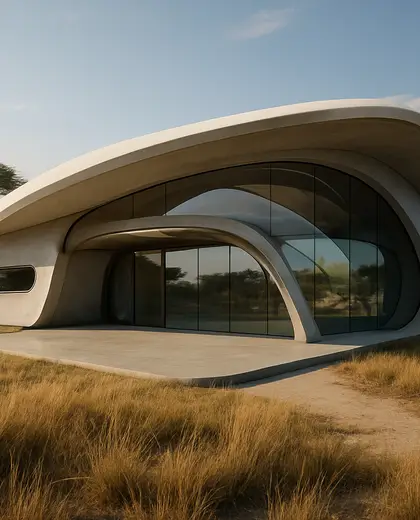
Can it still feel warm and inviting?
Yes. Warmth usually comes from wood accents, textured surfaces, softer interior light, and a balanced mix of solid and glazed areas rather than from ornament.
— The style
What defines it
Metal, glass, concrete, aluminum composite panels, and occasionally perforated screens or polished stone.
Neutral and restrained: white, black, charcoal, silver, cool gray, and occasional reflective or translucent accents.
Minimal massing, asymmetrical openings, cantilevers, linear lighting, and concealed trims or seams.
— Professionals
Who has already built it



- Karavaan Homefurniture sellers · High Point · 4 projectsView profile →
— Explore
Keep exploring
— Questions
Frequently asked questions
Will a futuristic facade work on a family home?
Yes, if the design is softened with practical proportions, durable materials, and comfortable window placement. It can feel modern without looking cold when the layout stays human-scaled.
Does this style require high-maintenance finishes?
Not necessarily. Many futuristic facades use durable coatings, treated metal, and low-maintenance glazing, but reflective or highly polished surfaces may need more upkeep to stay clean.
Can it still feel warm and inviting?
Yes. Warmth usually comes from wood accents, textured surfaces, softer interior light, and a balanced mix of solid and glazed areas rather than from ornament.