— Ideas & inspiration
Contemporary facades with clean lines and layered materials
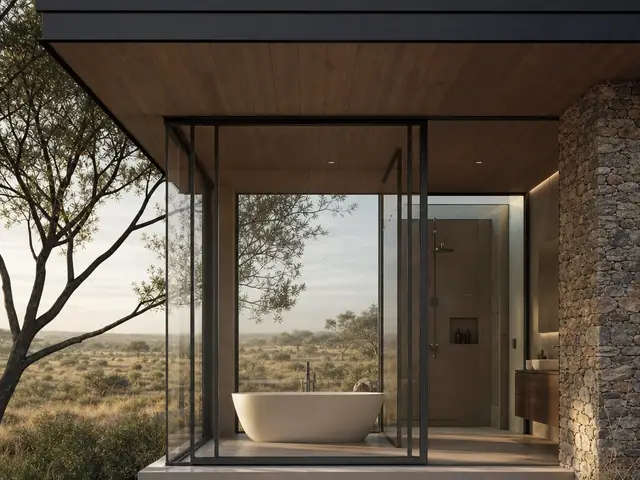
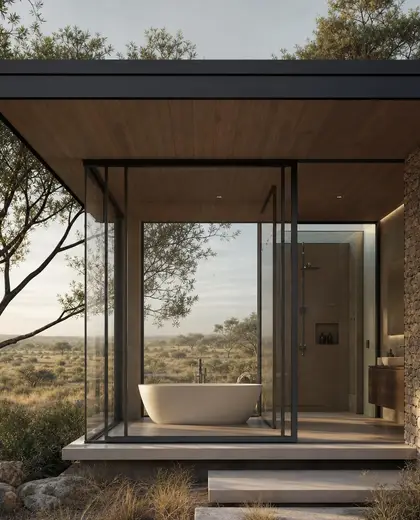
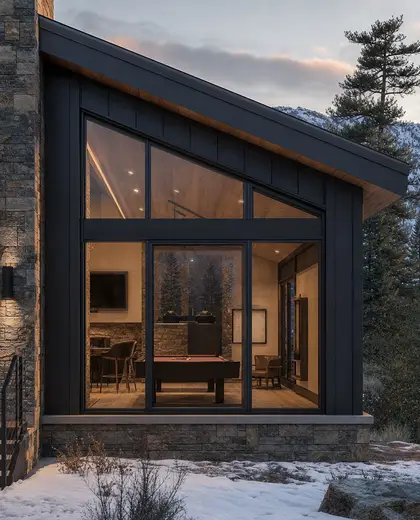
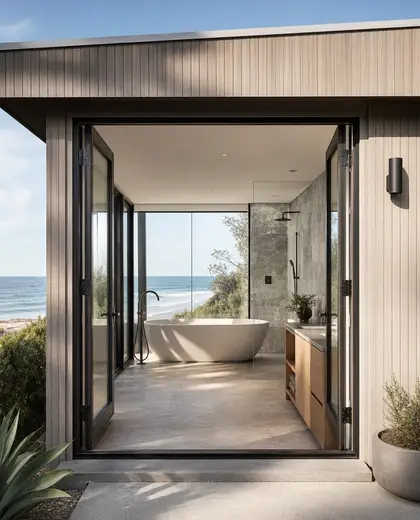
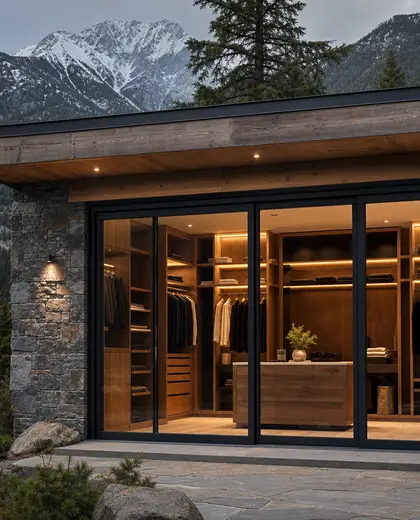
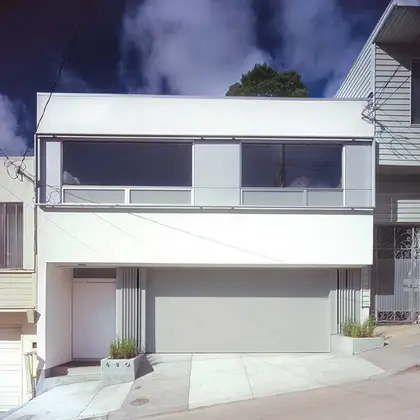
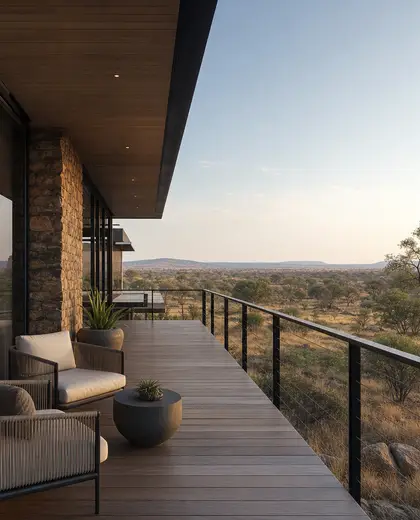
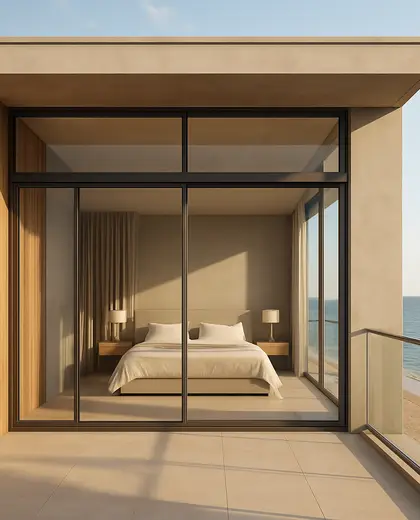
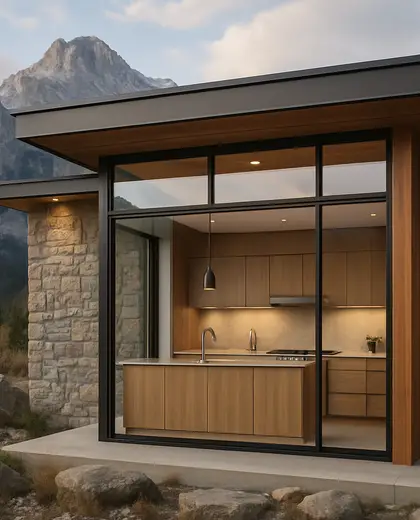
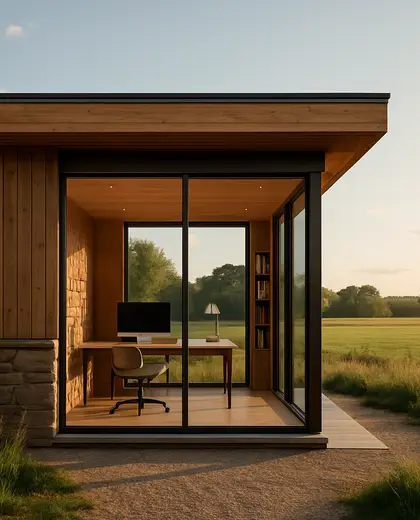
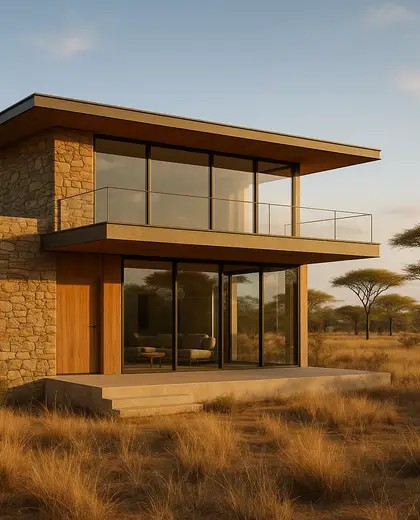
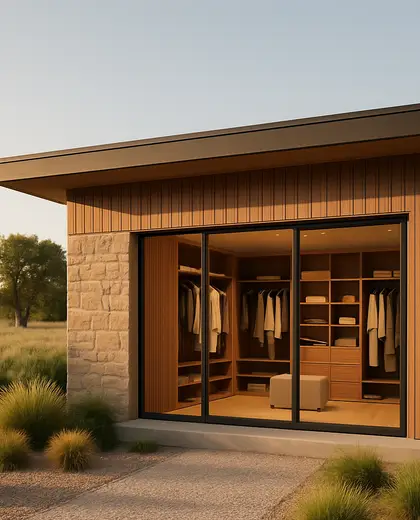
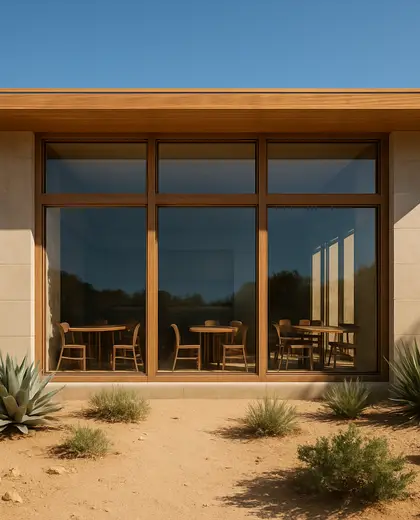
A contemporary facade is defined by crisp geometry, restrained detailing, and a mix of modern materials such as concrete, glass, metal, timber, and stone. The palette is usually neutral and understated, with white, gray, black, and warm natural finishes used to emphasize depth, shadow, and texture. Large openings, flush surfaces, and carefully placed screens or cladding often complete the look.
- facade
- contemporary
— References
References to explore
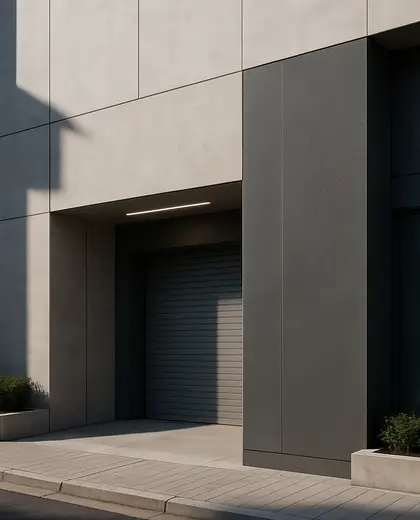
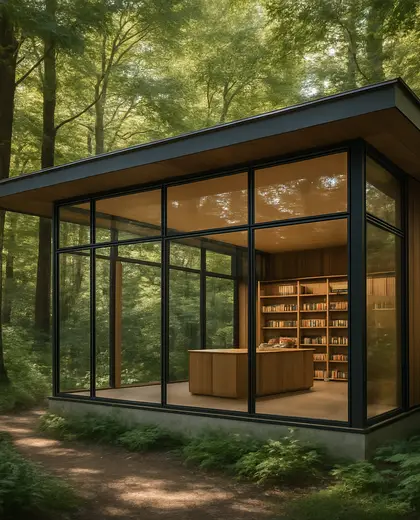
What makes a facade look contemporary?
Clean proportions, simple massing, limited ornament, and modern cladding choices create the contemporary look.
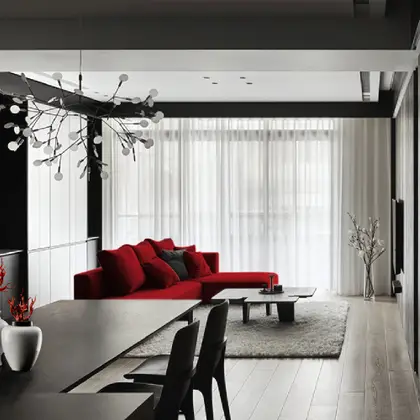
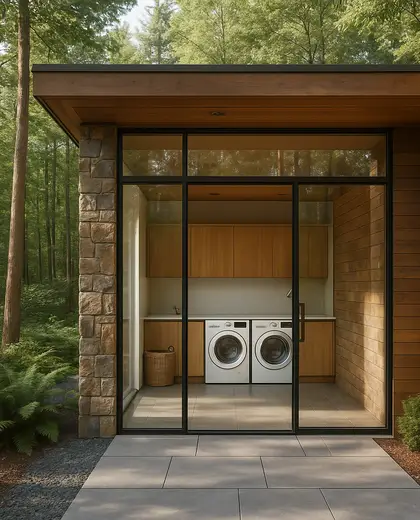
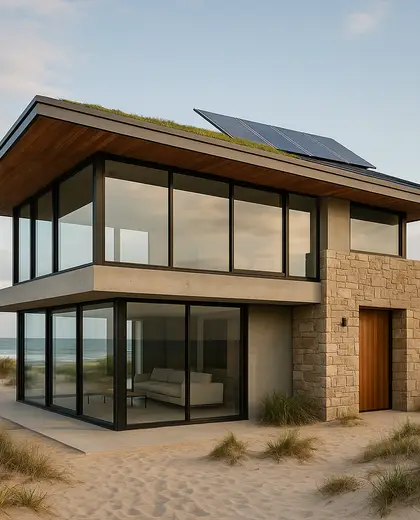
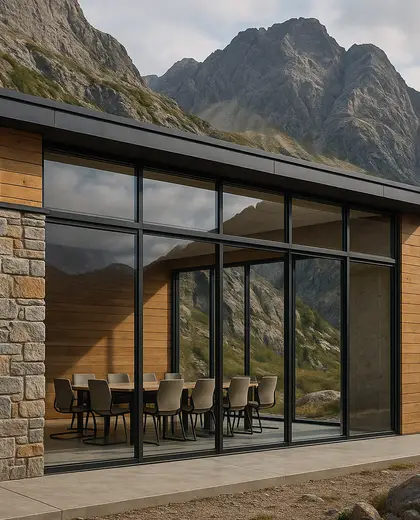
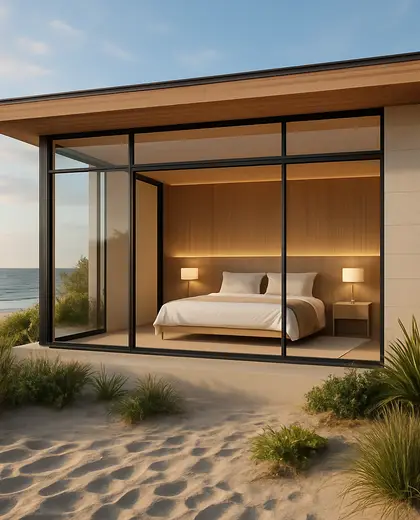
Can a contemporary facade still feel warm?
Yes. Wood accents, textured stone, and softer neutral tones can balance the sharper architectural lines.
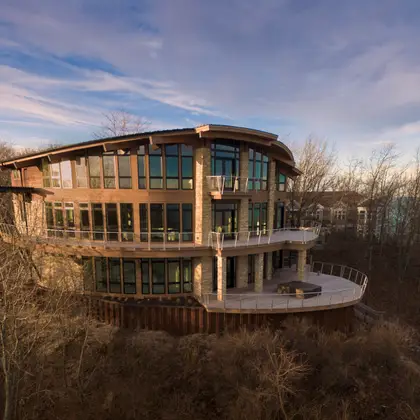

Does a contemporary facade work on every house type?
It can adapt to many house forms, but the best result depends on the building shape, climate, and local rules.
— The style
What defines it
Concrete, glass, aluminum, steel, timber, fiber cement, and stone are common choices.
Neutral tones dominate: white, charcoal, gray, black, and muted wood tones.
Flat roofs, oversized glazing, vertical fins, perforated screens, and minimal trim.
— Professionals
Who has already built it
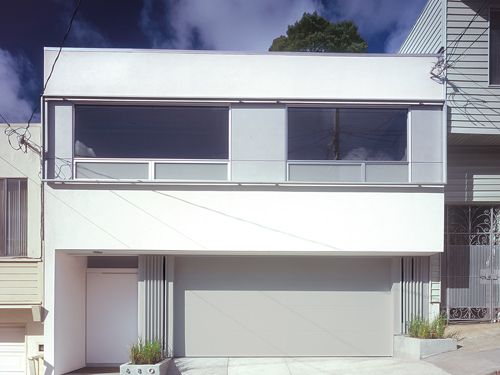

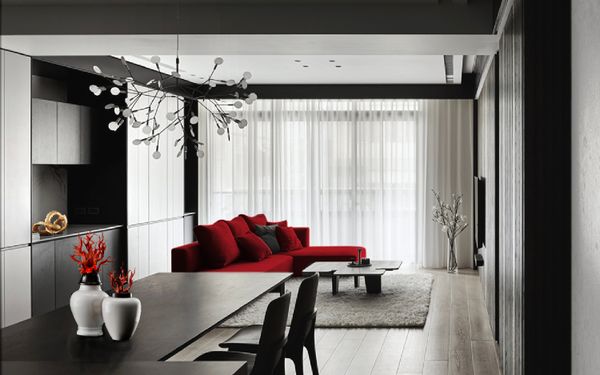

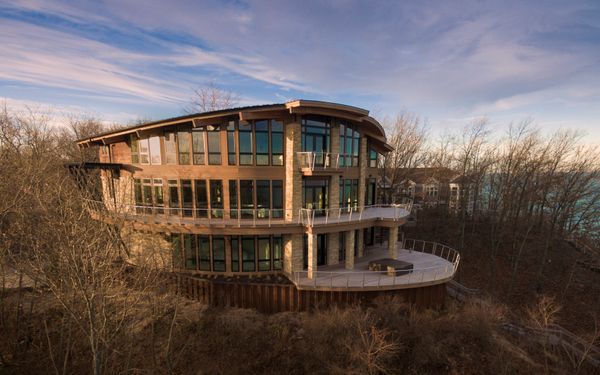

- roland a arriaga architecarchitects · 2 projectsView profile →
- interior design by emilyinterior designers · 4 projectsView profile →
- Karavaan Homefurniture sellers · High Point · 4 projectsView profile →
- jacob galleslandscape designers · 2 projectsView profile →
— Explore
Keep exploring
— Questions
Frequently asked questions
What makes a facade look contemporary?
Clean proportions, simple massing, limited ornament, and modern cladding choices create the contemporary look.
Can a contemporary facade still feel warm?
Yes. Wood accents, textured stone, and softer neutral tones can balance the sharper architectural lines.
Does a contemporary facade work on every house type?
It can adapt to many house forms, but the best result depends on the building shape, climate, and local rules.