— Ideas & inspiration
Quiet forms for the countryside
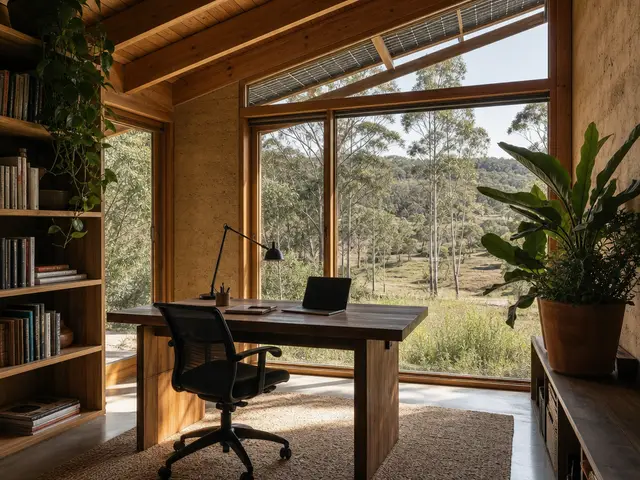
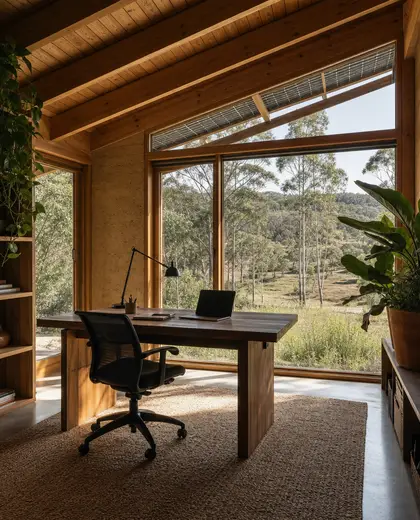
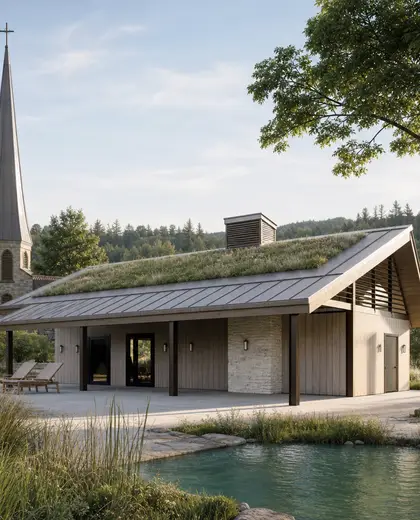
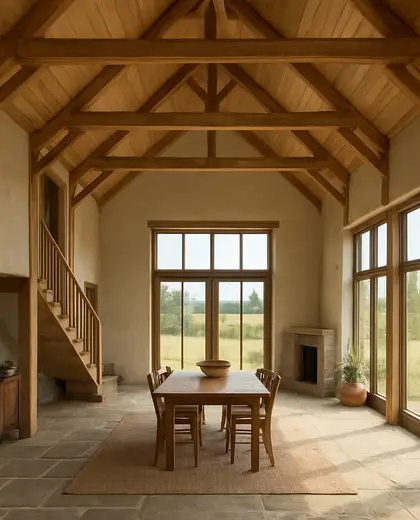
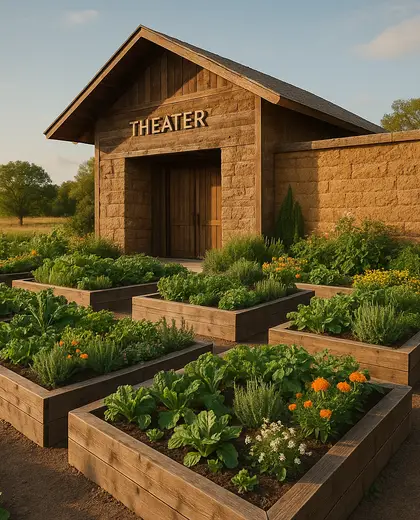
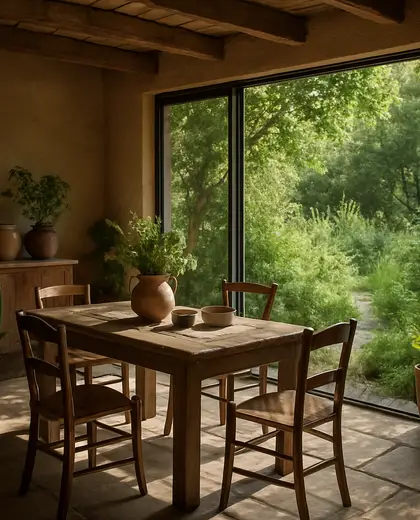
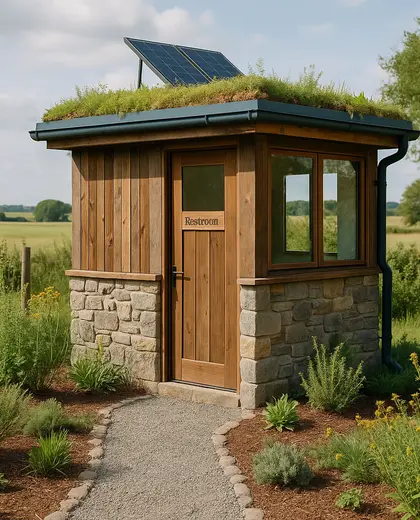
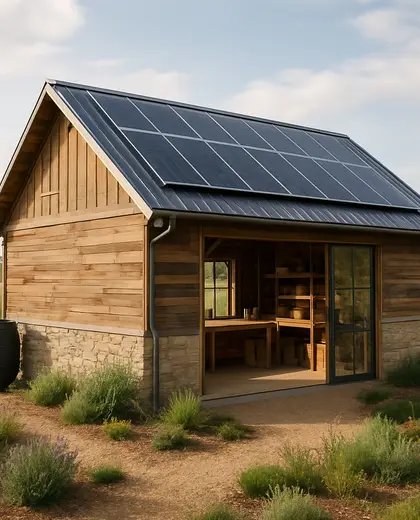
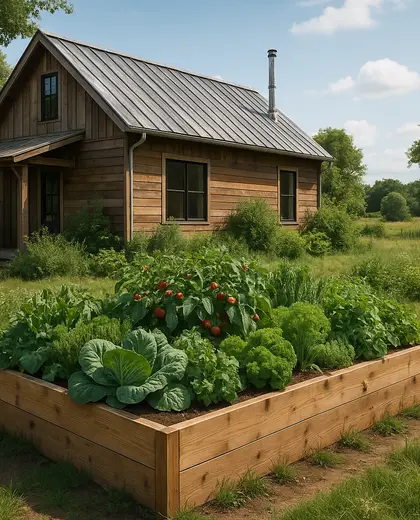
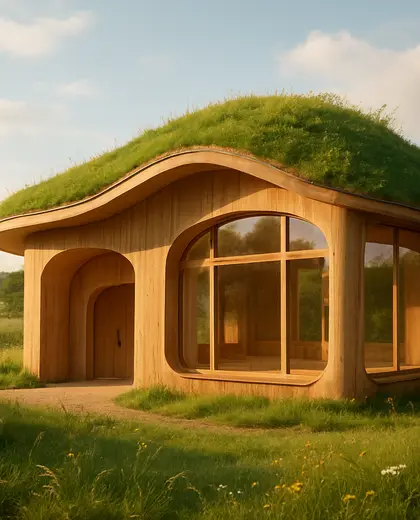
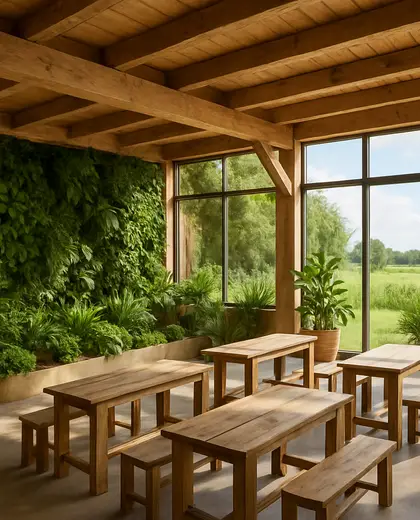
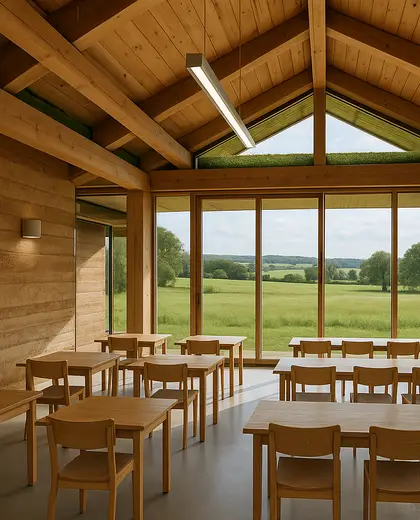
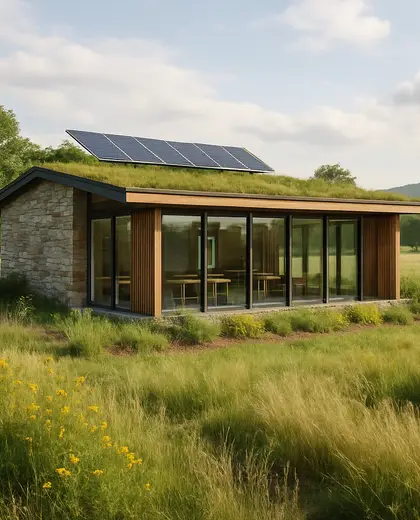
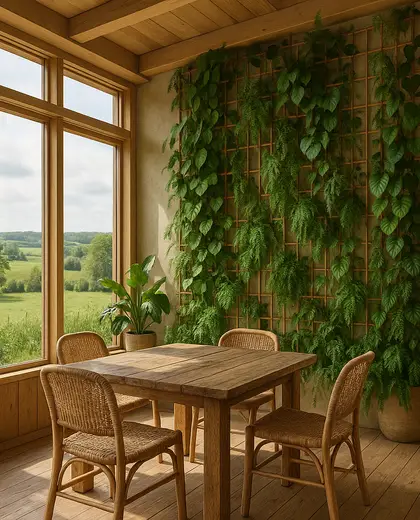
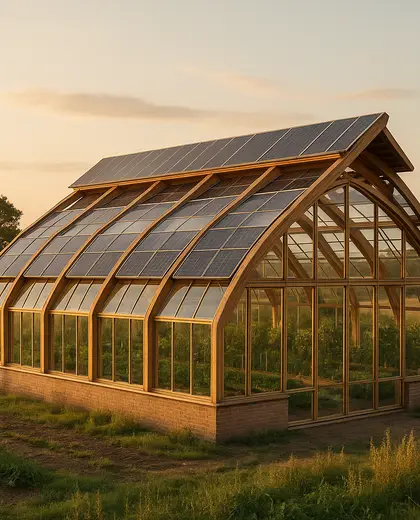
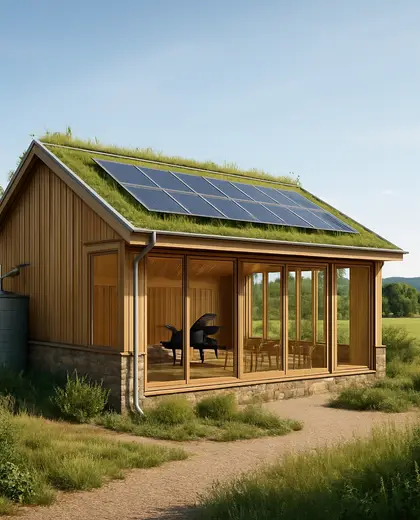
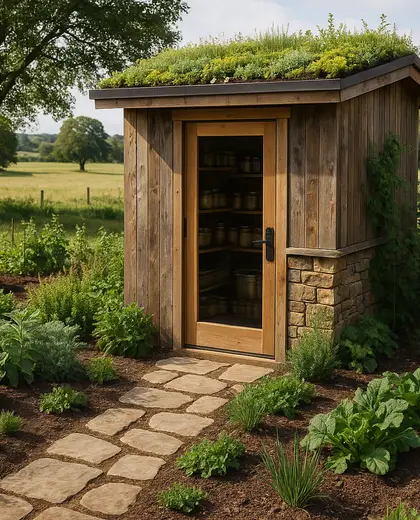
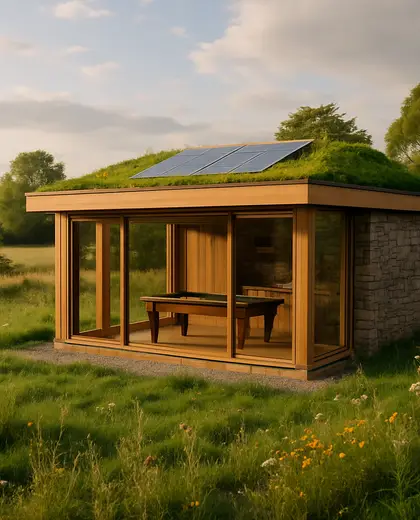
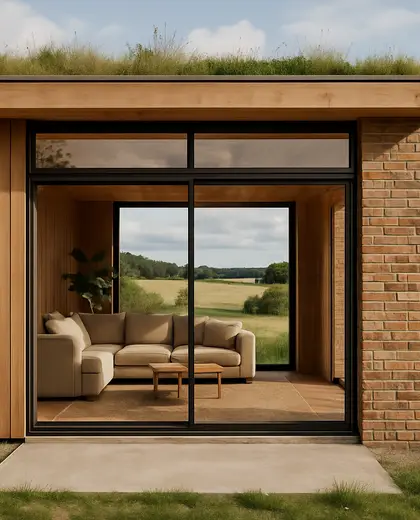
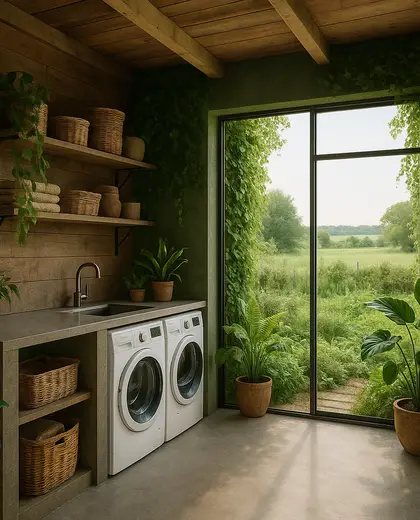
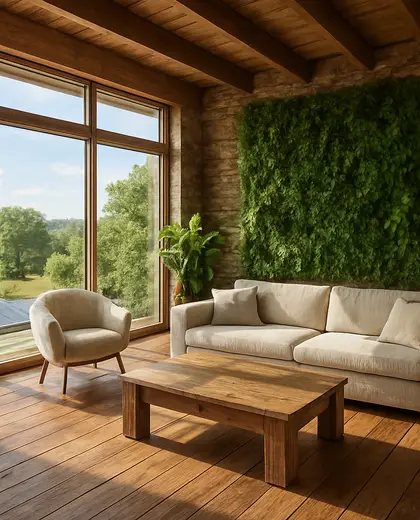
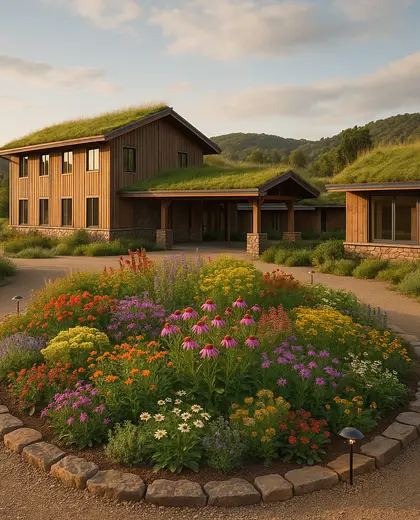
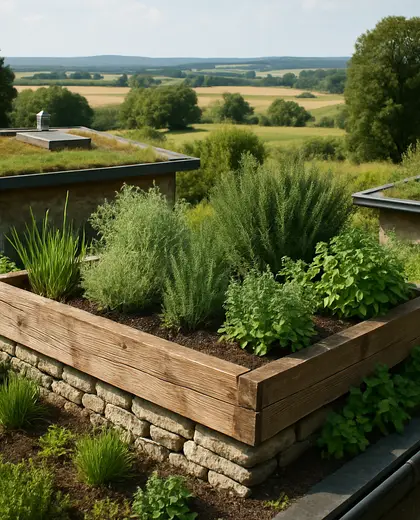
This composition pairs low-impact building methods with rural vernacular cues. Expect timber, stone, earth plaster, reclaimed brick, and other local materials, arranged in simple volumes with deep eaves, shaded openings, and a strong connection to land and weather.
- sustainable
- rural
— References
References to explore
How does a sustainable rural design usually look?
It usually reads as simple and grounded: compact forms, natural textures, and details that suit the site rather than dominate it.
What materials are common in this style?
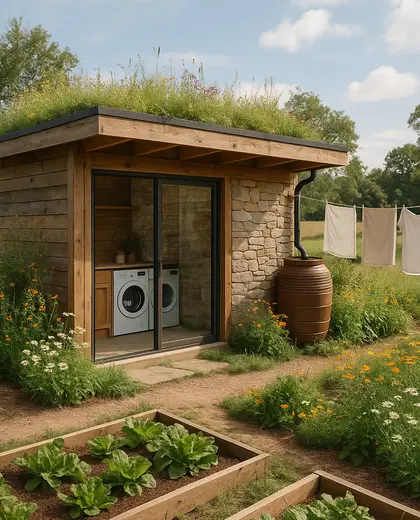
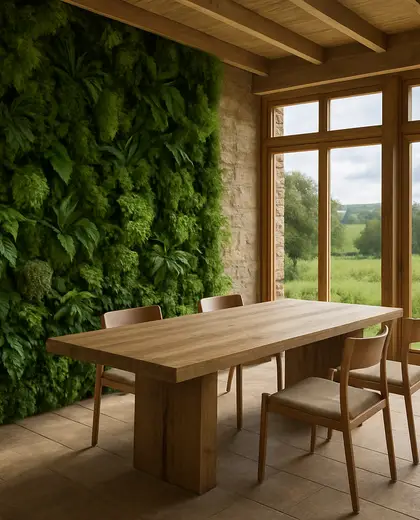
Wood, stone, earth-based finishes, metal roofing, reclaimed materials, and high-performance glazing are common choices.
Can this style still feel modern?
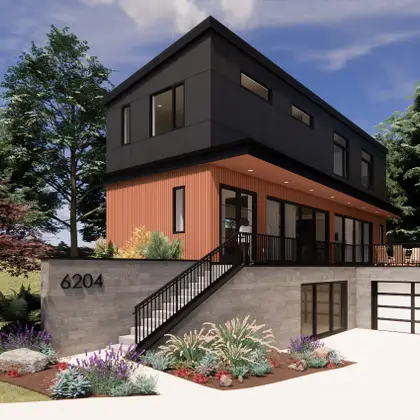
Yes. The rural character can stay in the massing and materials while the plan, openings, and construction are kept clean and contemporary.
— The style
What defines it
Locally sourced timber, stone, rammed earth, lime plaster, reclaimed brick, and natural insulation.
Muted greens, warm browns, clay reds, weathered greys, off-white plaster, and tones that sit quietly in the landscape.
Farmhouse forms, barn-inspired silhouettes, courtyards, verandas, pitched roofs, and landscape-first planning.
— Professionals
Who has already built it
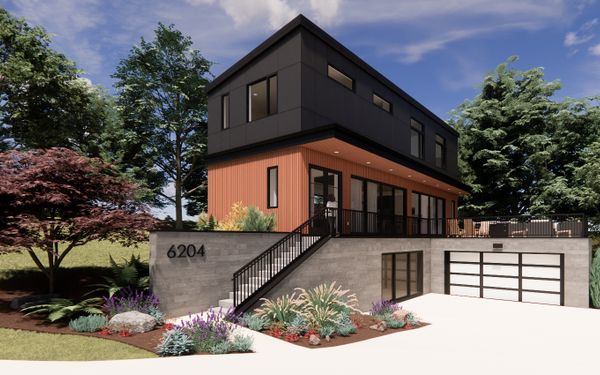

- Karavaan Homefurniture sellers · High Point · 4 projectsView profile →
— Explore
Keep exploring
— ARTICLES
Related reading
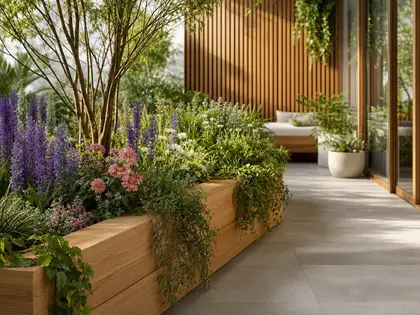
flower bed renovation on a real-world budget: what it costs and where to spend
A practical budget guide for renovating a flower bed in the U.S., with realistic cost ranges, smart places to splurge or save, and hidden expenses to plan for.
Read article →
Edging on a budget: what a realistic landscape renovation actually costs
A practical budget guide to landscape edging renovation in the U.S., including material costs, labor trade-offs, hidden expenses, and where to spend or save for a clean, durable result.
Read article →
Roof Trends Shaping the Home Above You
A practical look at the roof trends defining today’s homes, from durable materials and darker color palettes to cleaner lines, smart performance, and low-lift updates that do not require a full reroof.
Read article →— Questions
Frequently asked questions
How does a sustainable rural design usually look?
It usually reads as simple and grounded: compact forms, natural textures, and details that suit the site rather than dominate it.
What materials are common in this style?
Wood, stone, earth-based finishes, metal roofing, reclaimed materials, and high-performance glazing are common choices.
Can this style still feel modern?
Yes. The rural character can stay in the massing and materials while the plan, openings, and construction are kept clean and contemporary.