— Ideas & inspiration
Sustainable composition
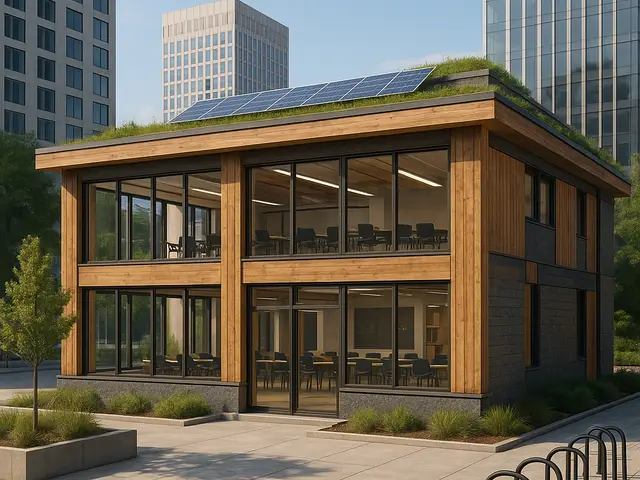
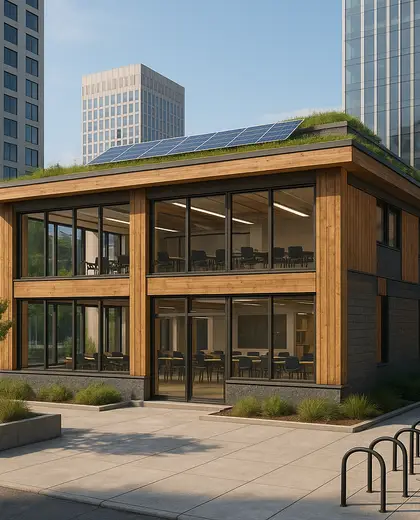
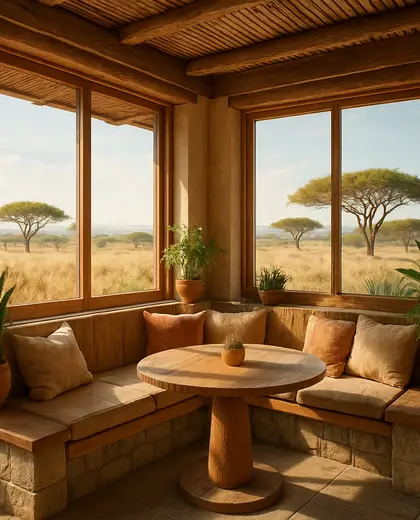
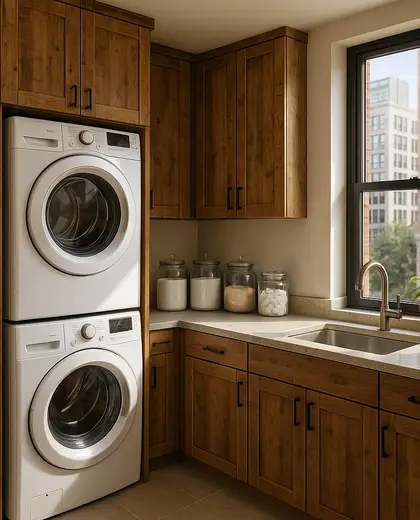
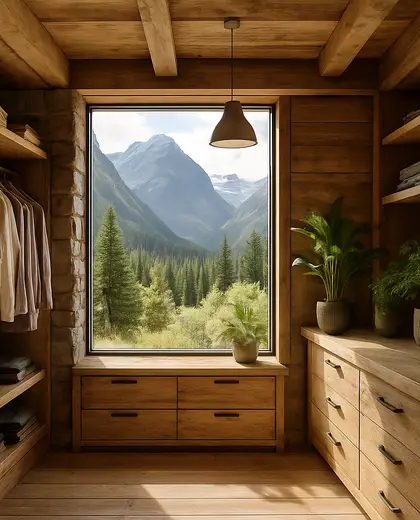
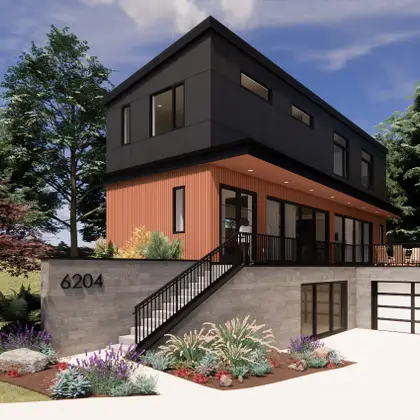
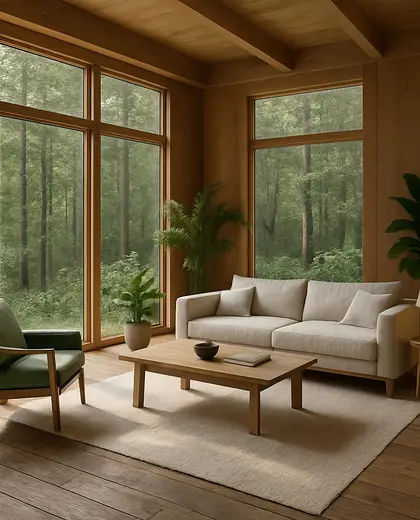
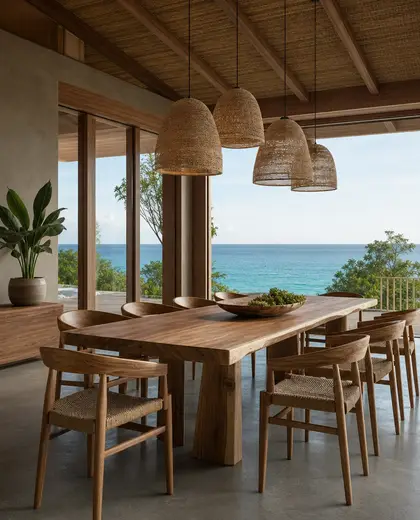
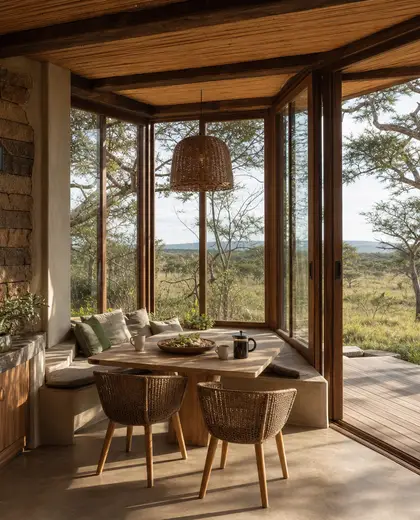
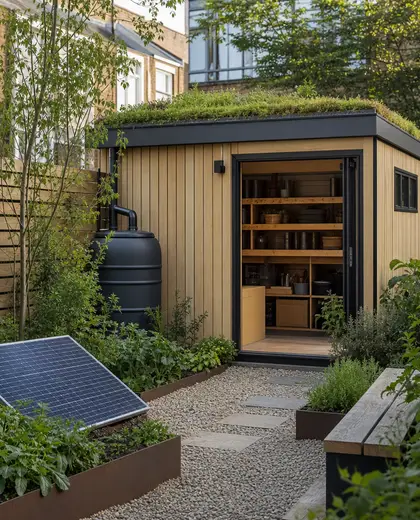
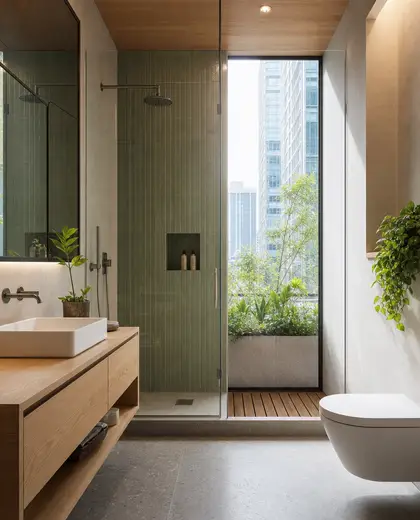
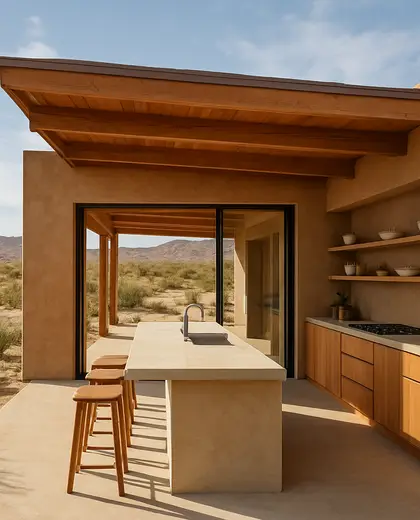
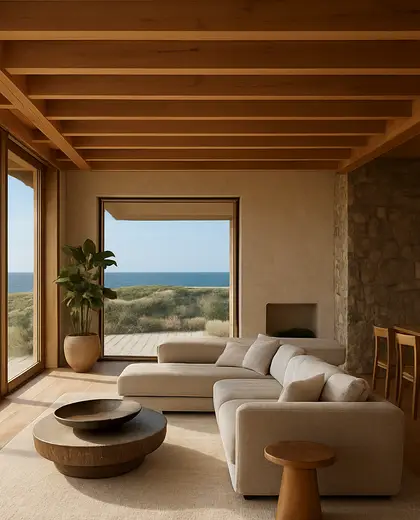
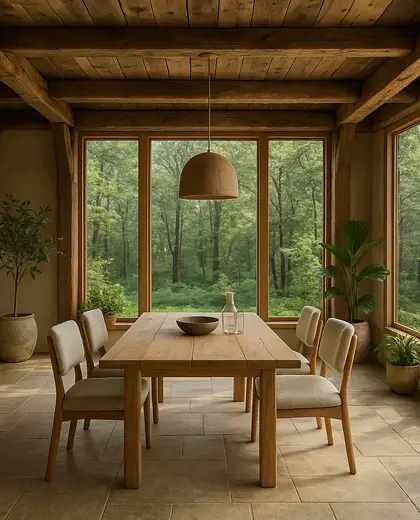
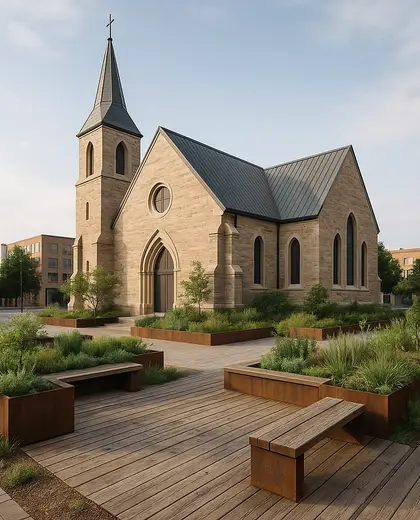
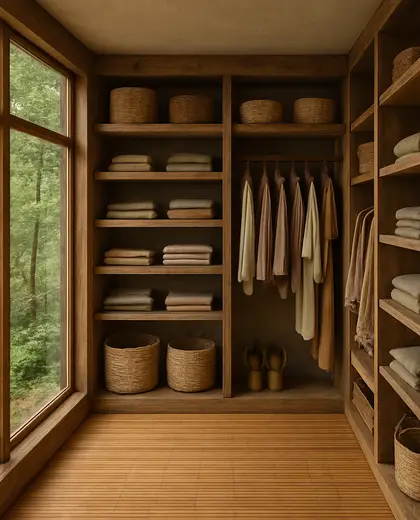
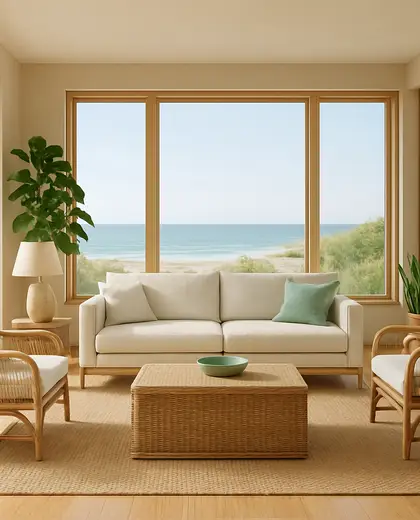
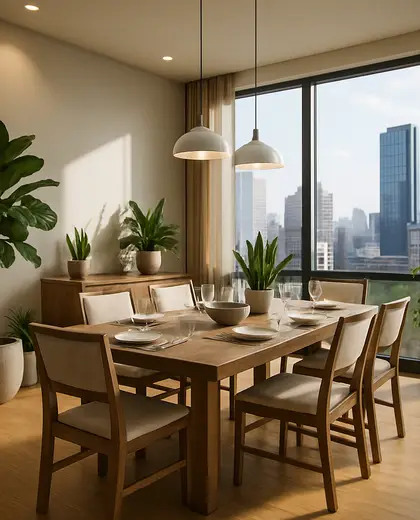
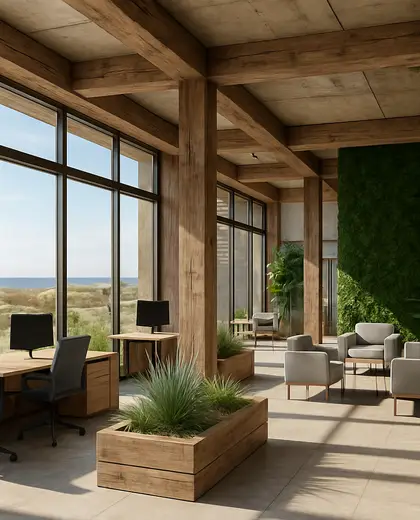
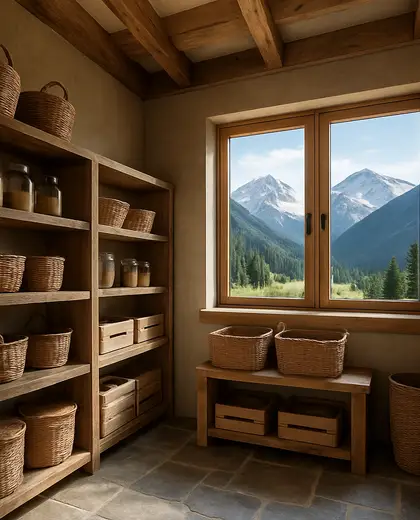
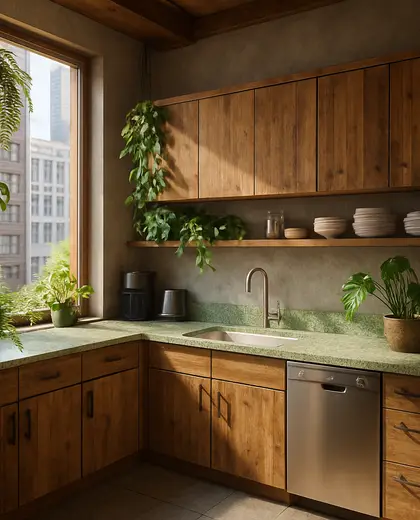
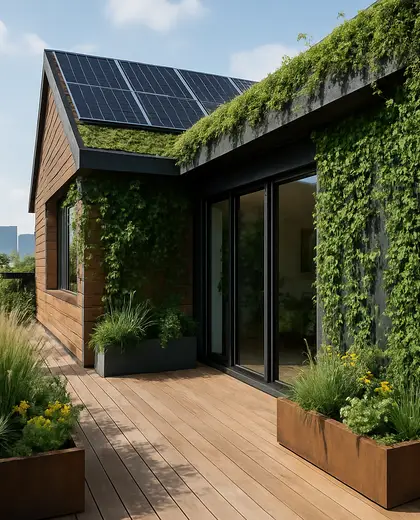
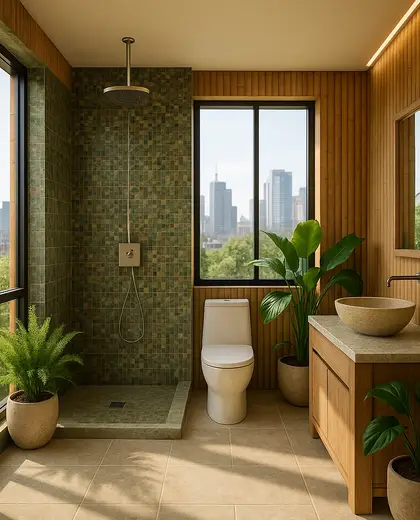
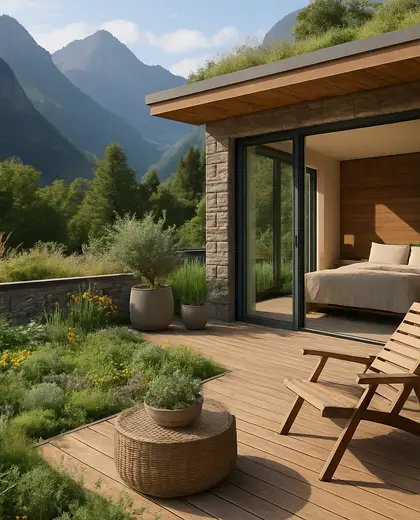
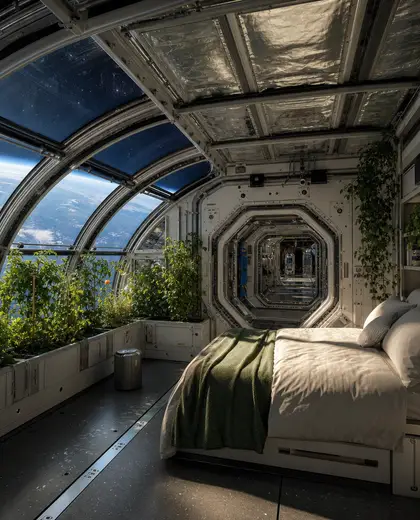
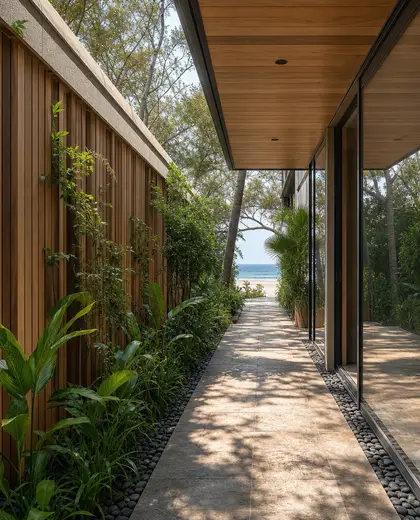
A sustainable composition is defined by low-impact, durable materials such as reclaimed timber, recycled metal, natural stone, cork, hemp, and low-carbon concrete. The palette usually stays earthy and restrained: warm neutrals, muted greens, clay, sand, and charcoal. It often includes passive design elements like deep shading, cross-ventilation, daylighting, and planting integrated with the architecture.
- sustainable
— References
References to explore
Does a sustainable composition have to look very modern?
No. It can be modern, rustic, or minimal, as long as the materials and detailing reduce environmental impact and support long-term performance.
Will it always use visible wood and greenery?
Not always, but natural finishes and planted elements are common because they help soften the architecture and support environmental goals. The look can be subtler or more explicit depending on the project.
Can this composition work in a small home?
Yes. Sustainable design often works especially well in smaller homes because compact layouts, good insulation, daylight, and natural ventilation can make the most difference there.
— The style
What defines it
Reclaimed wood, recycled metal, low-carbon concrete, cork, bamboo, lime plaster, and other renewable or reused finishes.
Muted and natural: beige, sand, off-white, olive, moss, clay, grey, and dark timber tones.
Clean-lined forms, large openings, shaded terraces, native planting, and simple detailing that supports energy efficiency.
— Professionals
Who has already built it
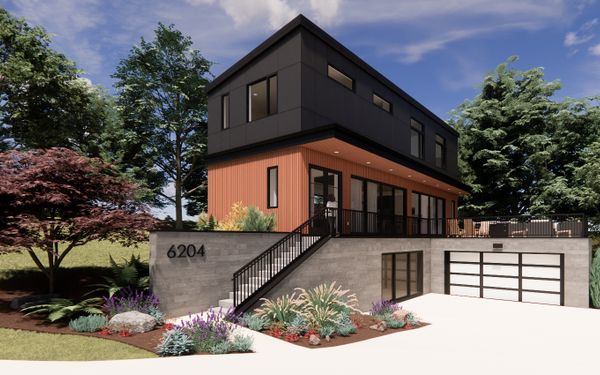

- Karavaan Homefurniture sellers · High Point · 4 projectsView profile →
— ARTICLES
Related reading
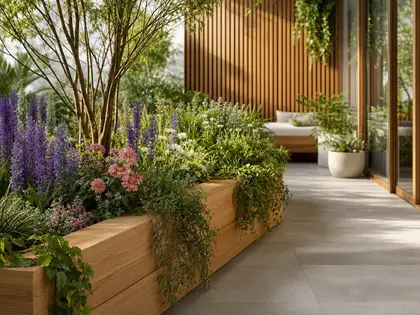
flower bed renovation on a real-world budget: what it costs and where to spend
A practical budget guide for renovating a flower bed in the U.S., with realistic cost ranges, smart places to splurge or save, and hidden expenses to plan for.
Read article →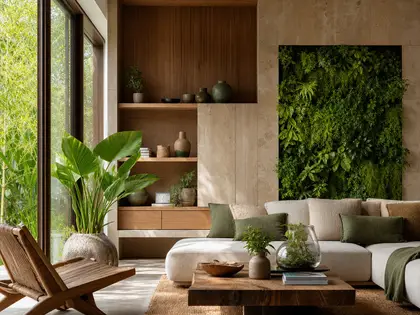
Edging on a budget: what a realistic landscape renovation actually costs
A practical budget guide to landscape edging renovation in the U.S., including material costs, labor trade-offs, hidden expenses, and where to spend or save for a clean, durable result.
Read article →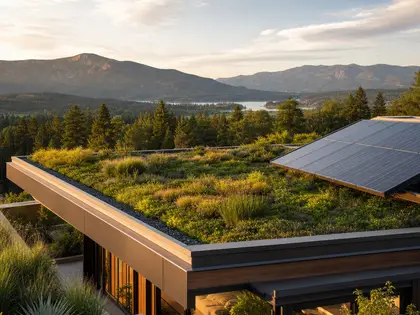
Roof Trends Shaping the Home Above You
A practical look at the roof trends defining today’s homes, from durable materials and darker color palettes to cleaner lines, smart performance, and low-lift updates that do not require a full reroof.
Read article →— Questions
Frequently asked questions
Does a sustainable composition have to look very modern?
No. It can be modern, rustic, or minimal, as long as the materials and detailing reduce environmental impact and support long-term performance.
Will it always use visible wood and greenery?
Not always, but natural finishes and planted elements are common because they help soften the architecture and support environmental goals. The look can be subtler or more explicit depending on the project.
Can this composition work in a small home?
Yes. Sustainable design often works especially well in smaller homes because compact layouts, good insulation, daylight, and natural ventilation can make the most difference there.