— Ideas & inspiration
Sustainable alpine living in a mountain setting
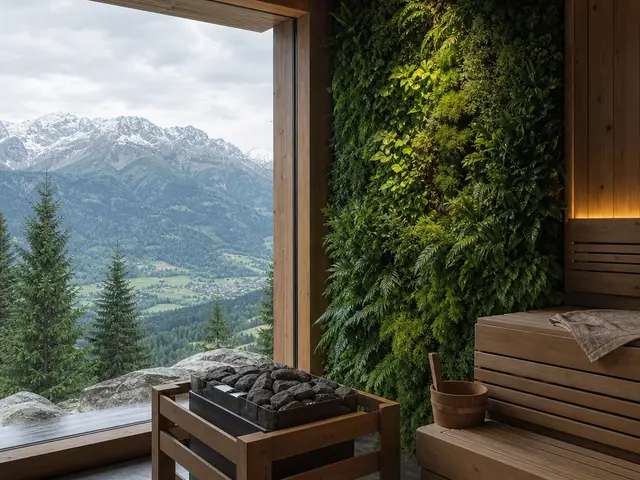
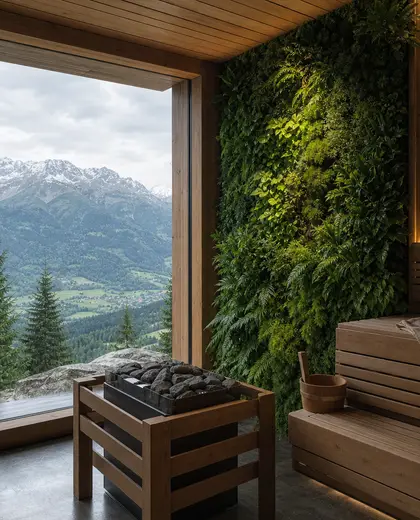
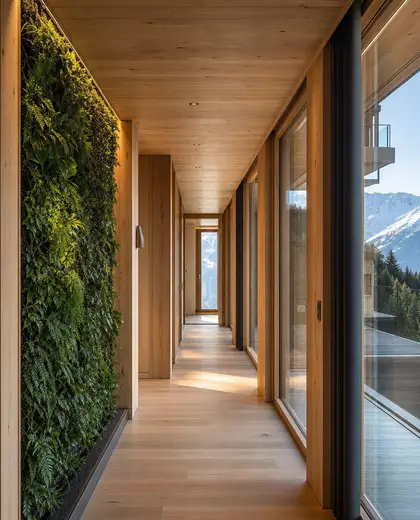
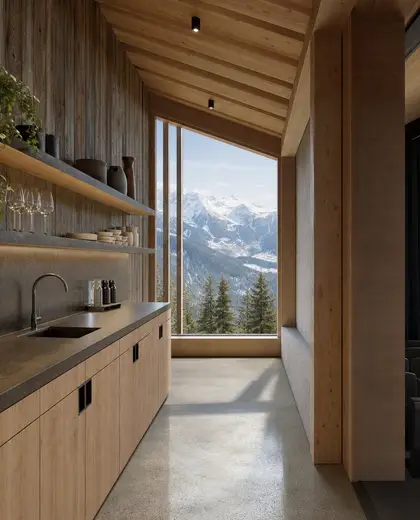
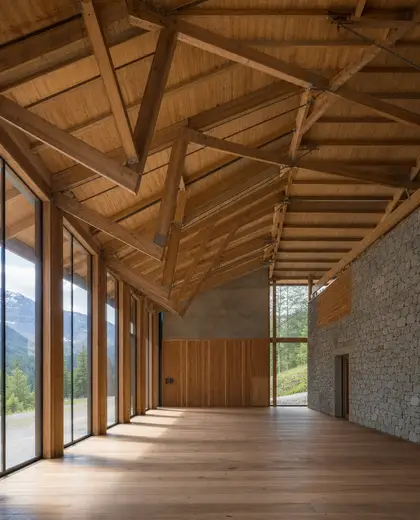
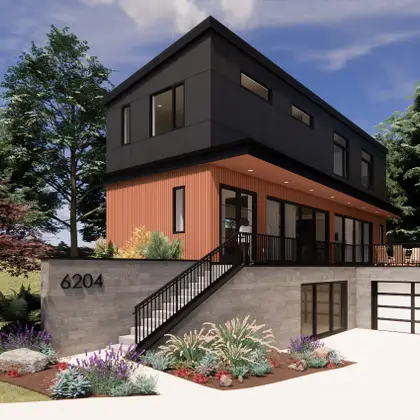
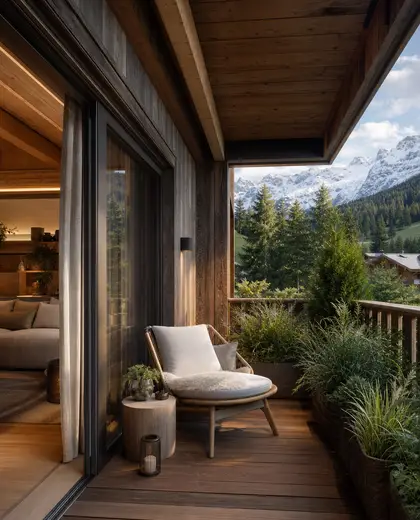
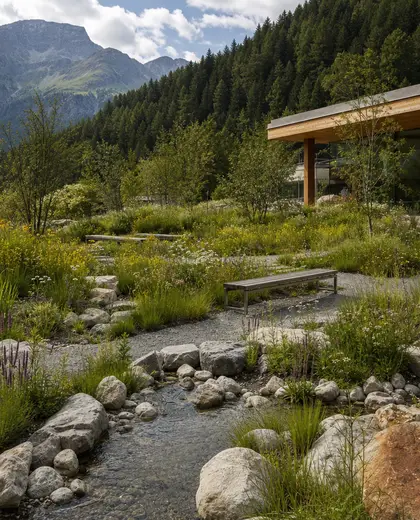
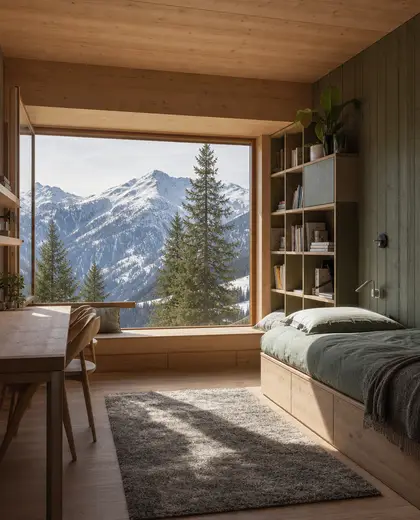
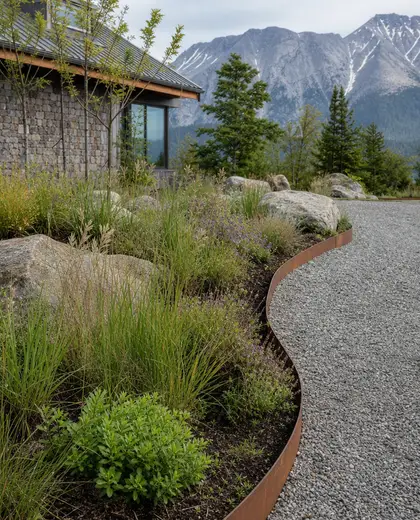
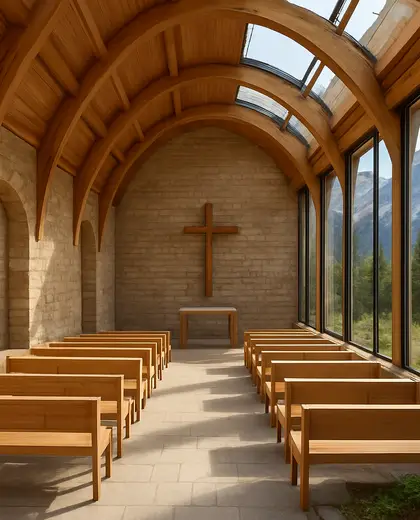
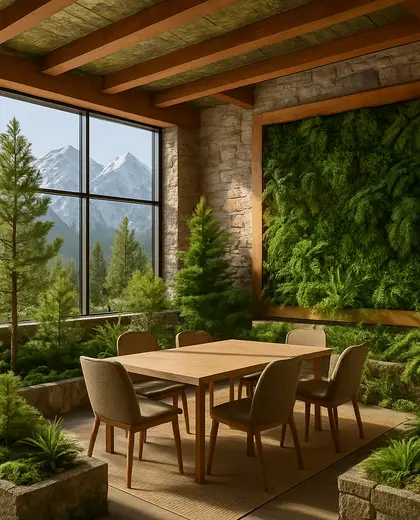
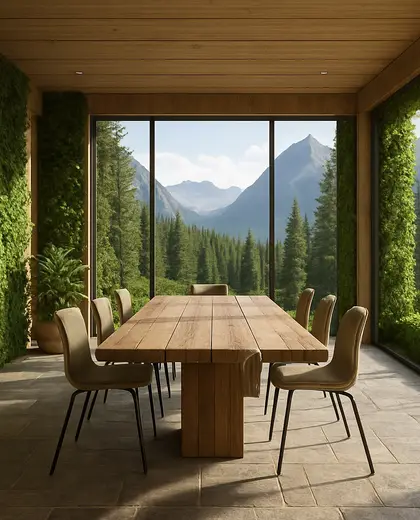
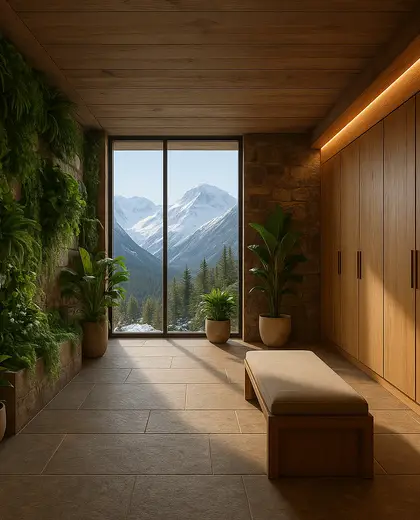
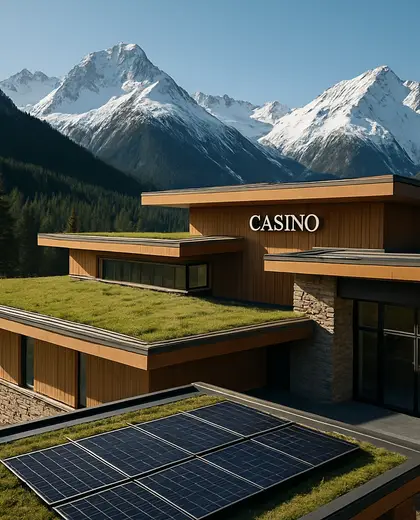
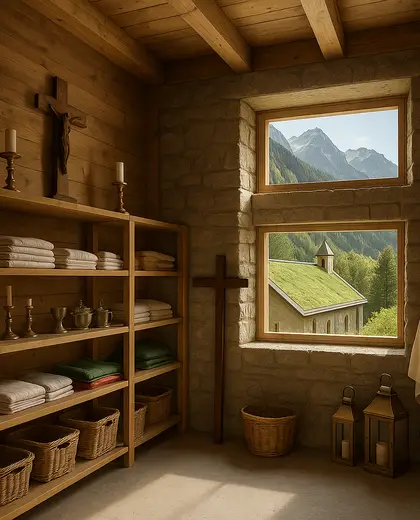
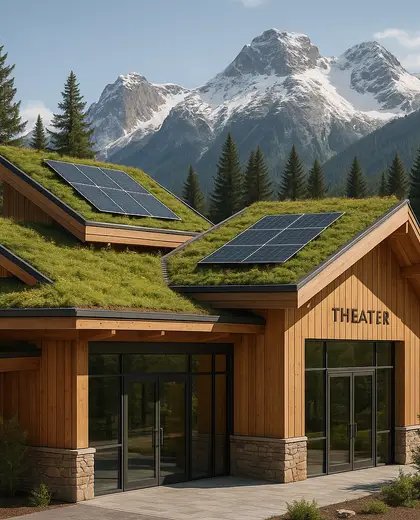
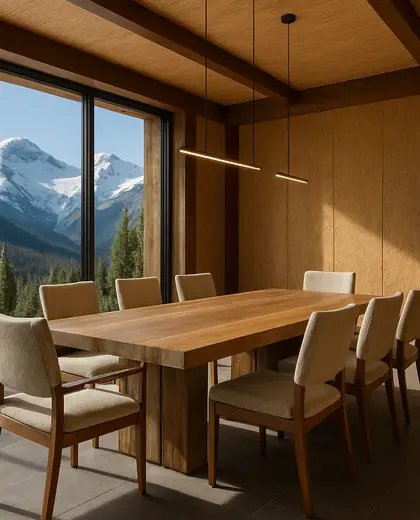
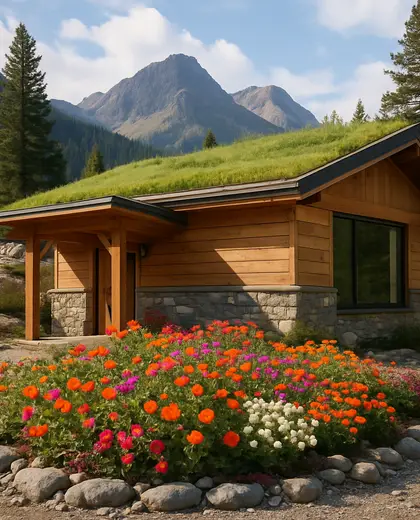
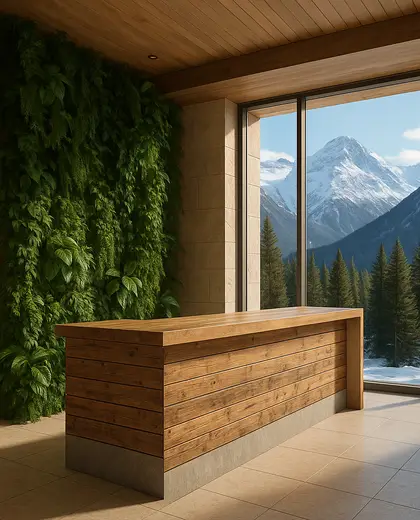
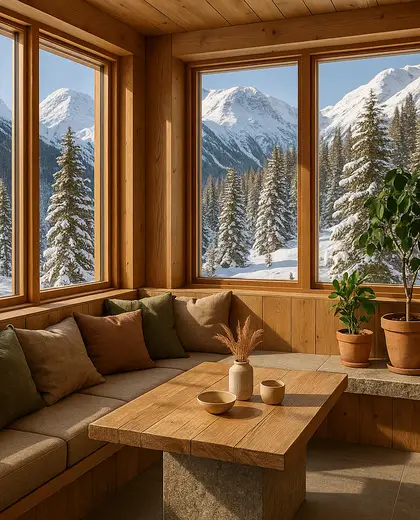
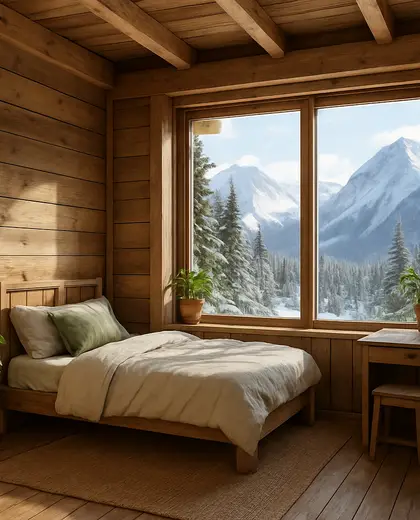
This composition pairs low-impact construction with alpine character: timber, stone, insulated facades, and carefully detailed roofs that handle snow and weather. The palette stays grounded in natural greys, weathered wood, off-white plaster, and muted greens, with large openings used sparingly to frame the landscape and limit heat loss.
- sustainable
- alpine
— References
References to explore
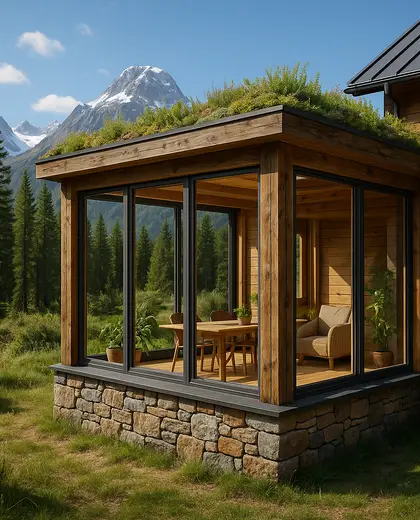
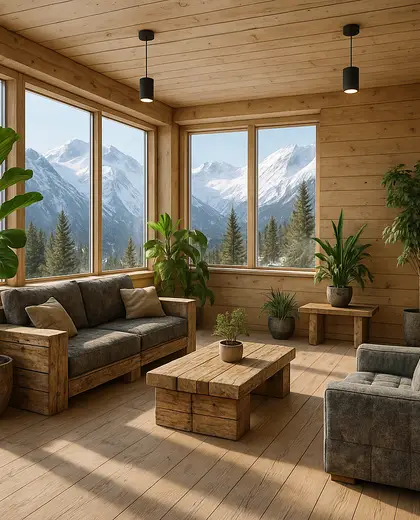
How does a sustainable alpine home differ from a standard mountain house?
It uses better insulation, more efficient envelope detailing, and lower-impact materials while keeping the alpine forms and textures that suit the setting.
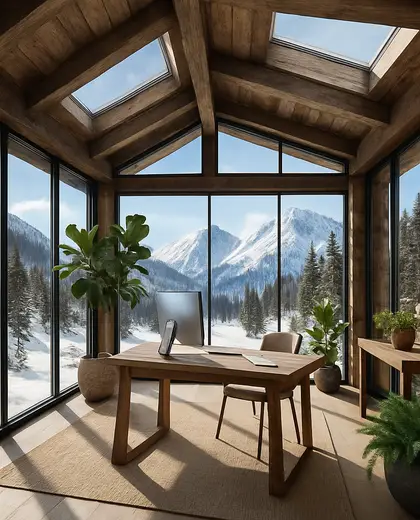
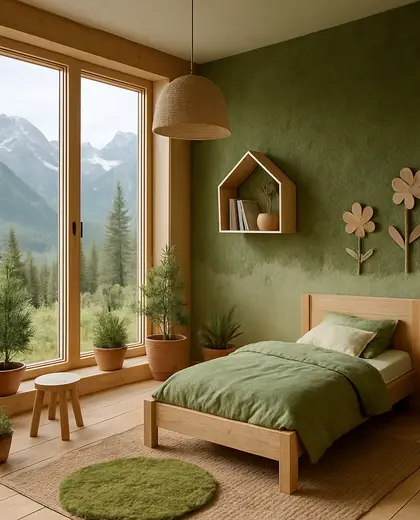
What materials hold up best in an alpine climate?
Timber, stone, metal roofing, and high-performance windows are common because they handle snow, moisture, and temperature swings well when detailed correctly.
Can a sustainable alpine design still feel warm and comfortable?
Yes. Warmth usually comes from timber surfaces, controlled daylight, sheltered outdoor areas, and a calm palette rather than from decorative excess.
— The style
What defines it
Locally sourced timber, natural stone, mineral plasters, and high-performance glazing are typical.
Weathered wood, slate grey, soft white, charcoal, and subdued green tones create the look.
Works well with compact massing, deep eaves, passive solar design, and sheltered terraces.
— Professionals
Who has already built it
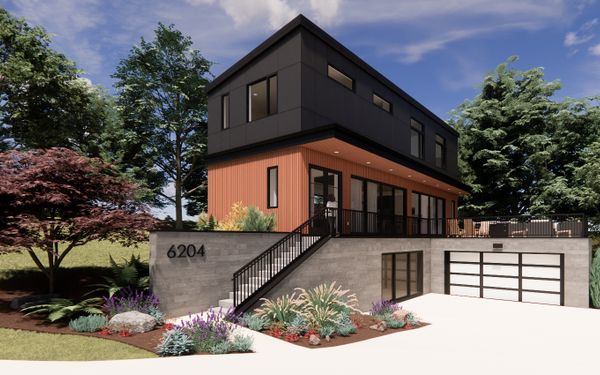

- Karavaan Homefurniture sellers · High Point · 4 projectsView profile →
— ARTICLES
Related reading
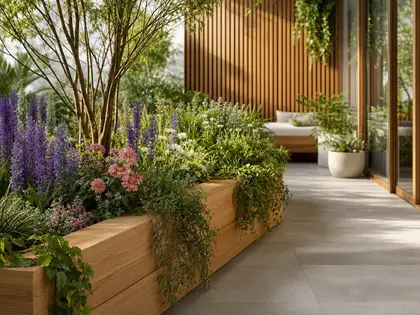
flower bed renovation on a real-world budget: what it costs and where to spend
A practical budget guide for renovating a flower bed in the U.S., with realistic cost ranges, smart places to splurge or save, and hidden expenses to plan for.
Read article →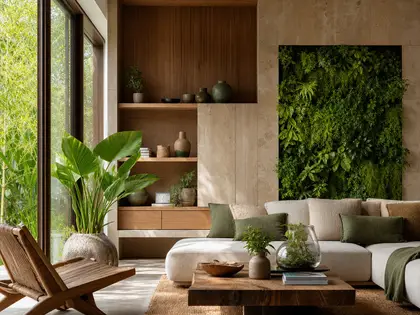
Edging on a budget: what a realistic landscape renovation actually costs
A practical budget guide to landscape edging renovation in the U.S., including material costs, labor trade-offs, hidden expenses, and where to spend or save for a clean, durable result.
Read article →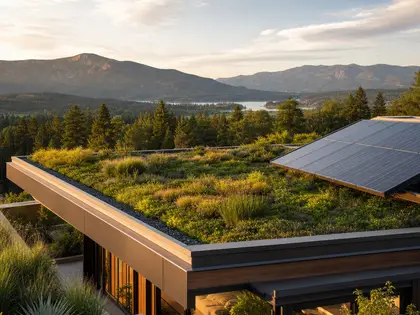
Roof Trends Shaping the Home Above You
A practical look at the roof trends defining today’s homes, from durable materials and darker color palettes to cleaner lines, smart performance, and low-lift updates that do not require a full reroof.
Read article →— Questions
Frequently asked questions
How does a sustainable alpine home differ from a standard mountain house?
It uses better insulation, more efficient envelope detailing, and lower-impact materials while keeping the alpine forms and textures that suit the setting.
What materials hold up best in an alpine climate?
Timber, stone, metal roofing, and high-performance windows are common because they handle snow, moisture, and temperature swings well when detailed correctly.
Can a sustainable alpine design still feel warm and comfortable?
Yes. Warmth usually comes from timber surfaces, controlled daylight, sheltered outdoor areas, and a calm palette rather than from decorative excess.