— Ideas & inspiration
A yard wrapped in forest
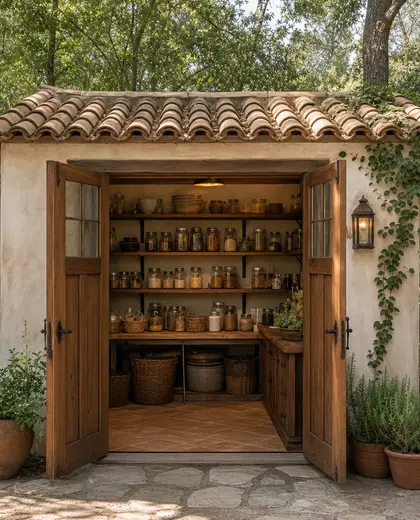
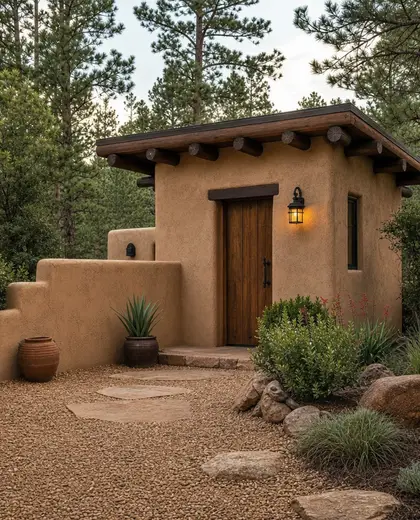
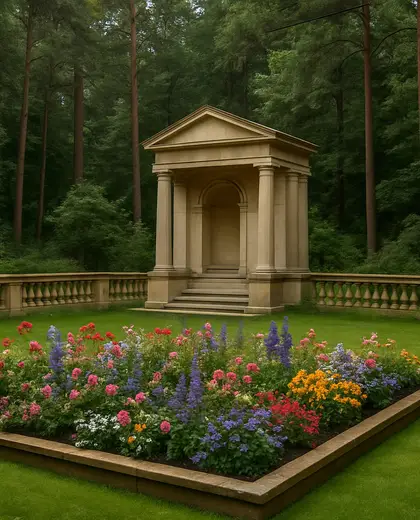
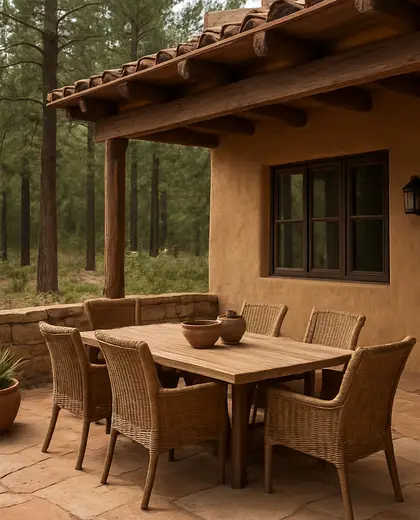
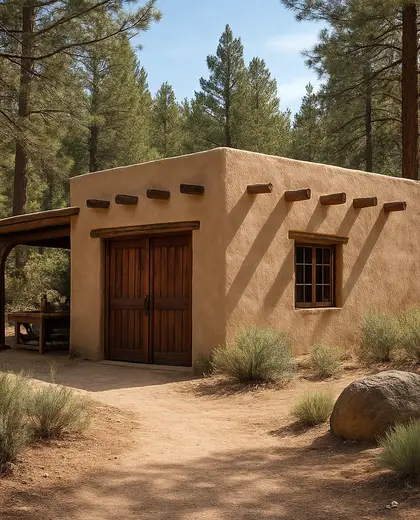
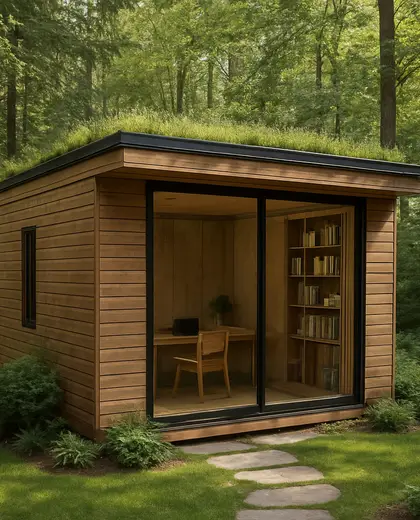
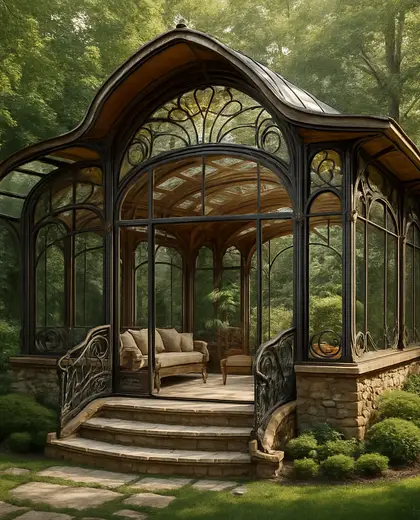
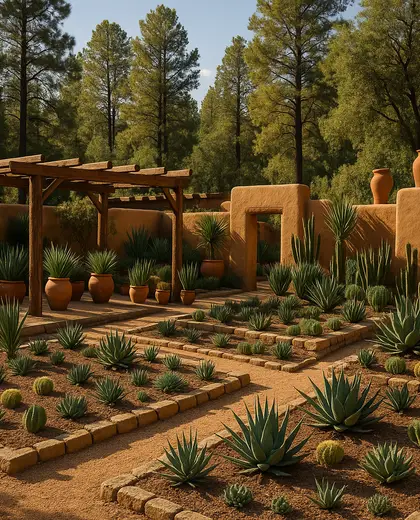
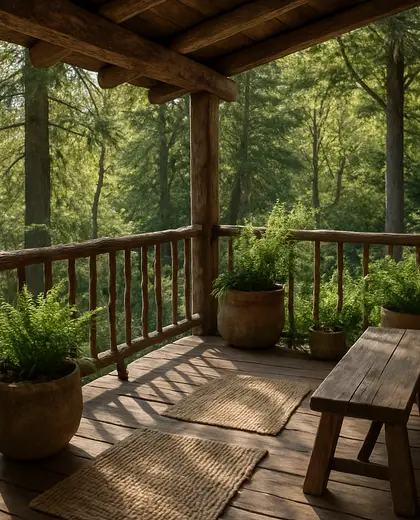
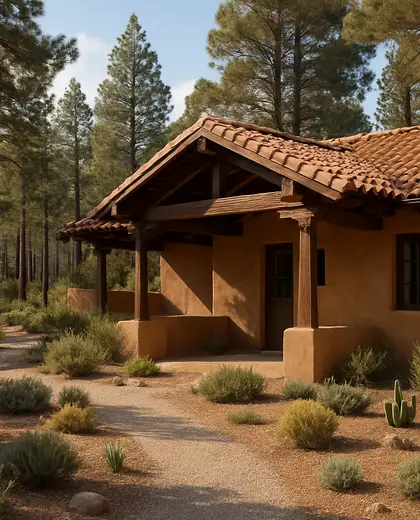
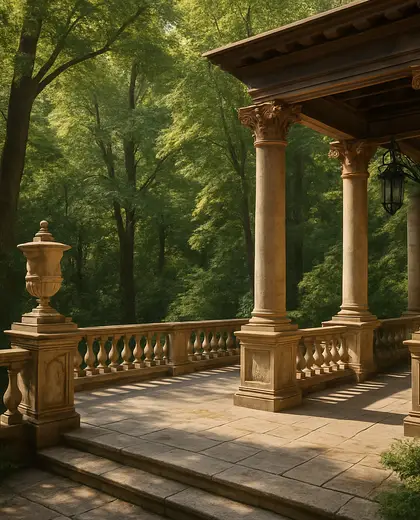
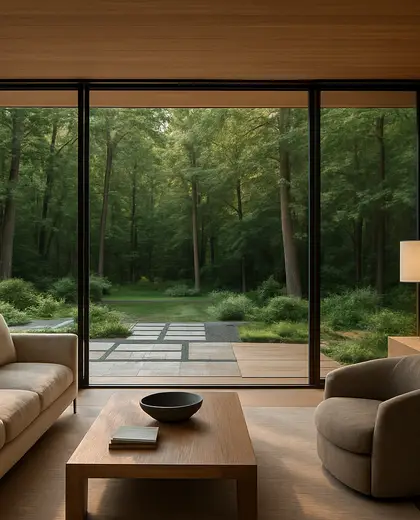
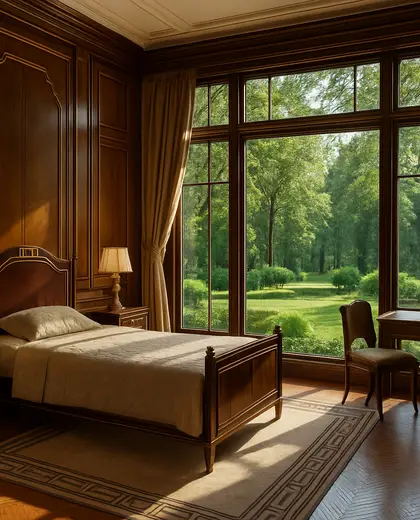
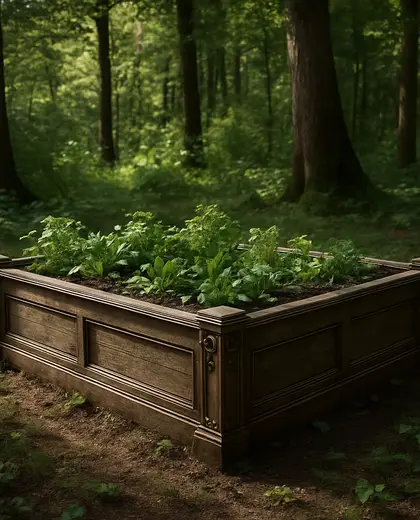
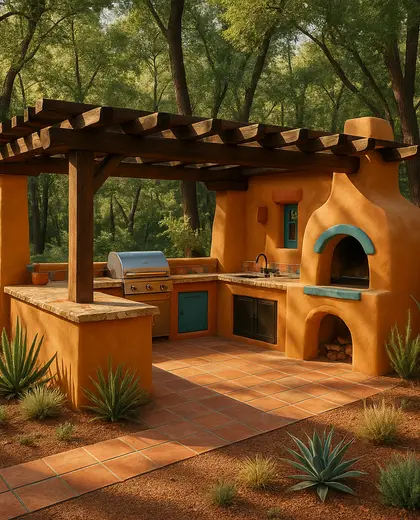
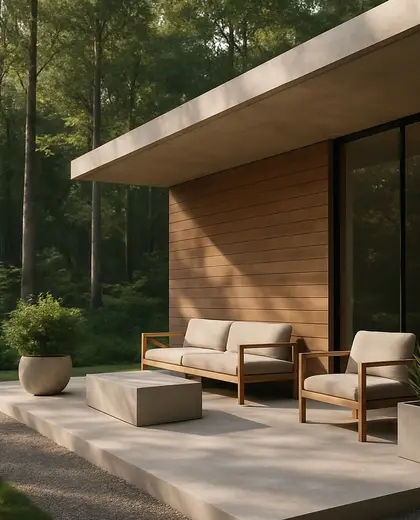
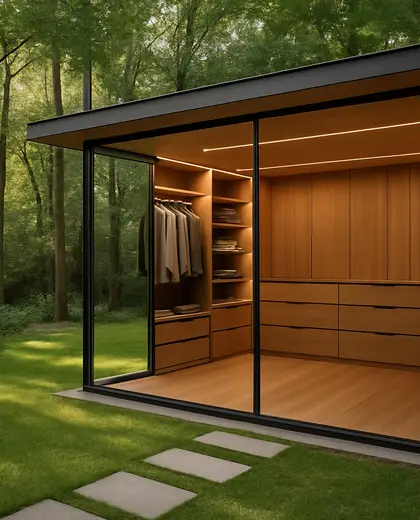
This composition is defined by a planted outdoor room that feels sheltered by trees, understory planting, and filtered light. Natural materials such as timber, stone, gravel, and weathered metal keep the setting grounded, while layered vegetation softens the edges and blurs the line between garden and woodland. The result is a quiet landscape with clear paths, a simple sitting area, and dense greenery around the perimeter.
- yard
- forest
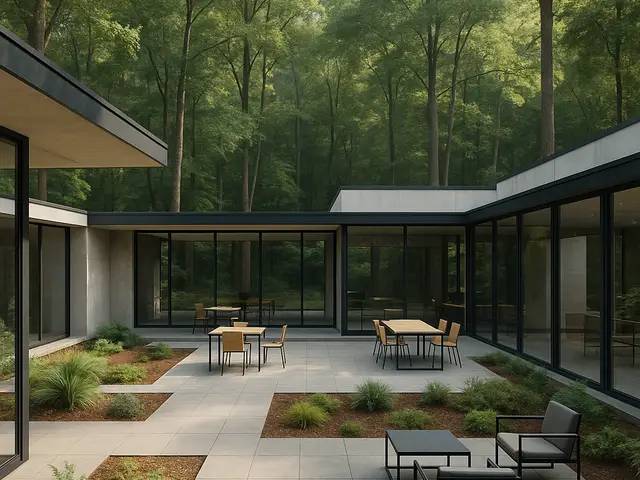
— References
References to explore
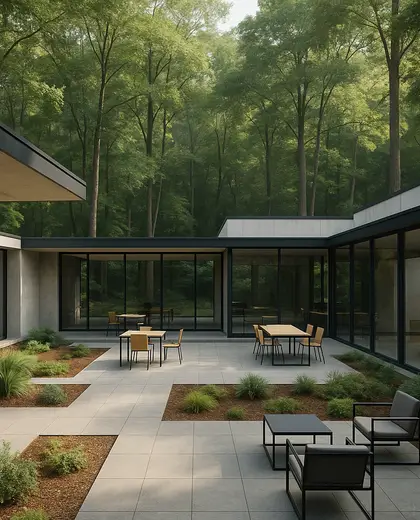
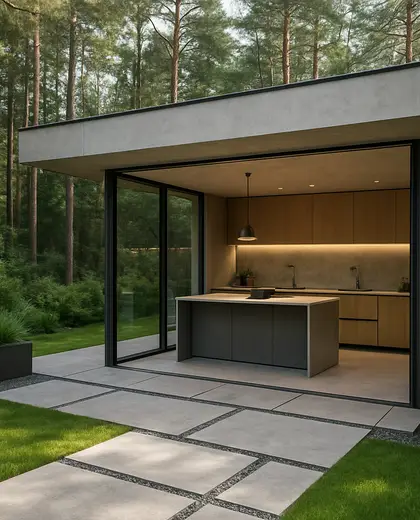
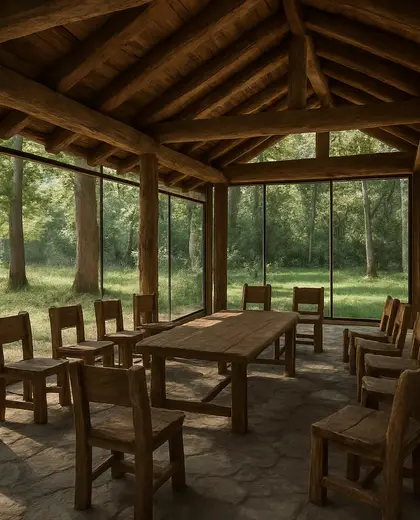
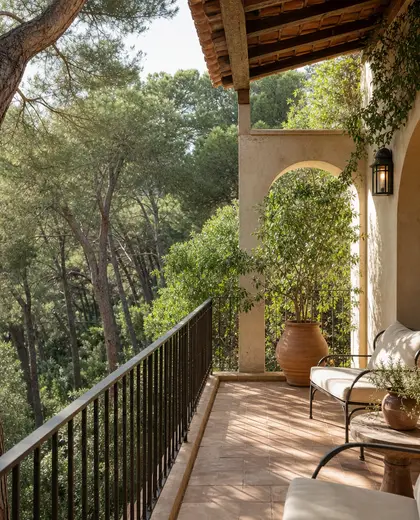
How is a yard-forest composition different from a regular garden yard?
It uses denser planting, taller trees, and less rigid edging so the space feels more like a small woodland clearing than a trimmed lawn.
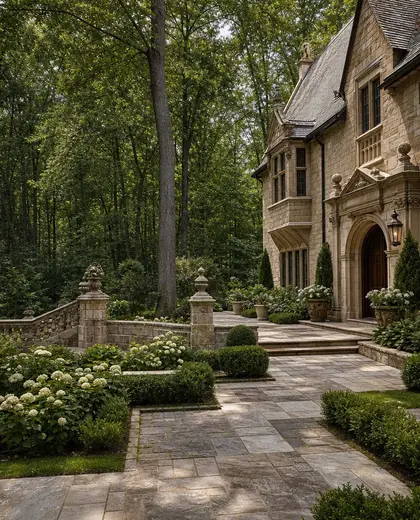
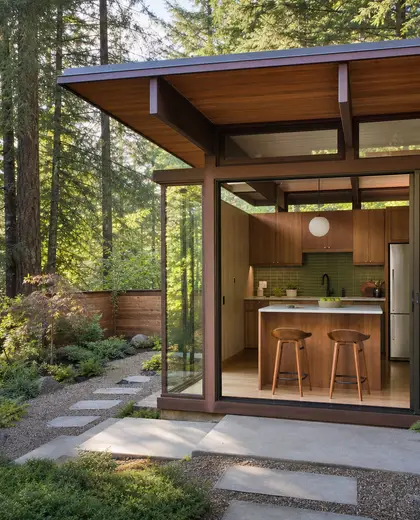
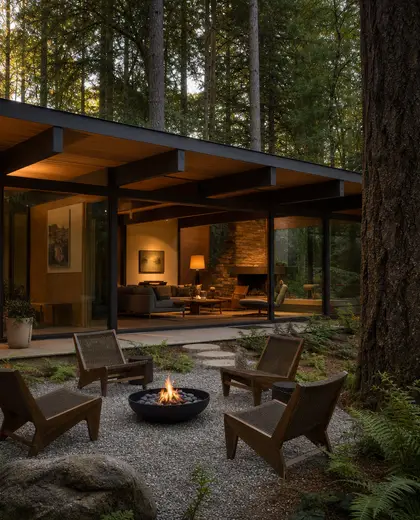
What kind of plants work best here?
Native trees, ferns, grasses, shade shrubs, mossy groundcover, and understory plants usually fit best because they support a layered forest look.
Does this style need a lot of maintenance?
It can be lower-maintenance than a heavily manicured yard if you choose native species and limit lawn area, but trees, leaf litter, and layered planting still need seasonal care.
— The style
What defines it
Timber decking, stone paving, gravel paths, and weathering steel or dark metal edging are common choices.
Deep greens, bark browns, moss tones, charcoal, and muted earth colors create the woodland feel.
A yard plan, native trees, shaded seating, rain-tolerant planting, and loose, natural borders.
— Professionals
Who has already built it
- Karavaan Homefurniture sellers · High Point · 4 projectsView profile →
- todd verwers architectsarchitects · San Diego · 6 projectsView profile →
- jacob galleslandscape designers · 6 projectsView profile →
- pfuner designinterior designers · 11 projectsView profile →
— Explore
Keep exploring
— Questions
Frequently asked questions
How is a yard-forest composition different from a regular garden yard?
It uses denser planting, taller trees, and less rigid edging so the space feels more like a small woodland clearing than a trimmed lawn.
What kind of plants work best here?
Native trees, ferns, grasses, shade shrubs, mossy groundcover, and understory plants usually fit best because they support a layered forest look.
Does this style need a lot of maintenance?
It can be lower-maintenance than a heavily manicured yard if you choose native species and limit lawn area, but trees, leaf litter, and layered planting still need seasonal care.