— Ideas & inspiration
Building in an alpine frame
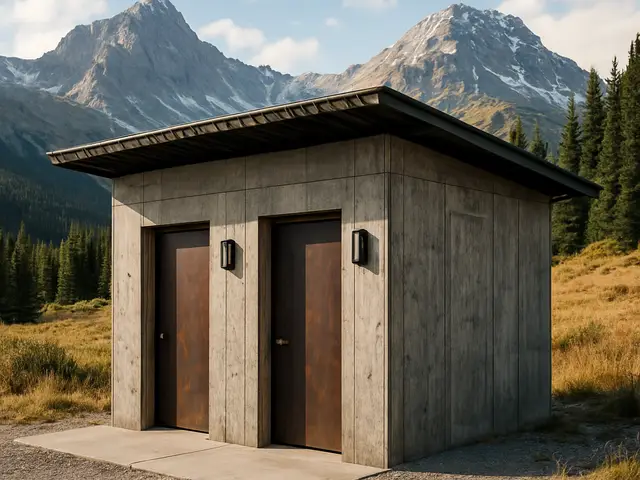
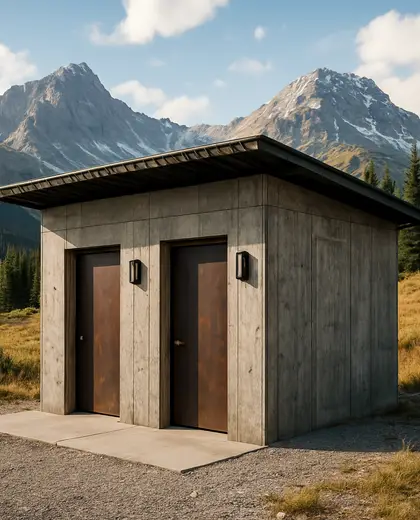
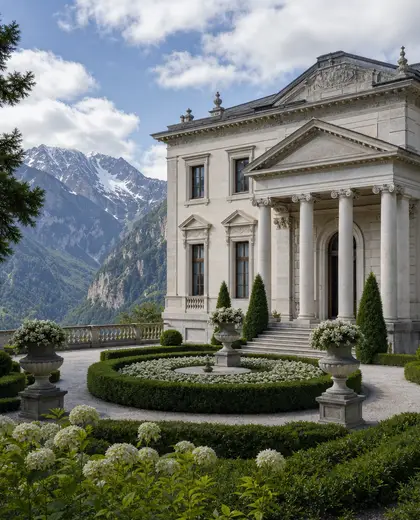
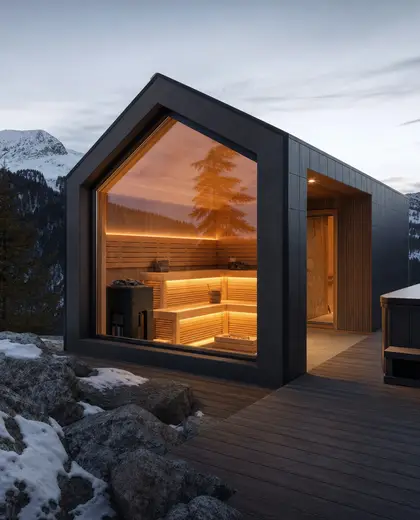
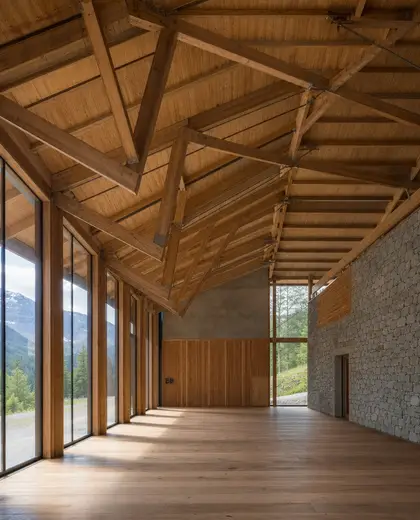
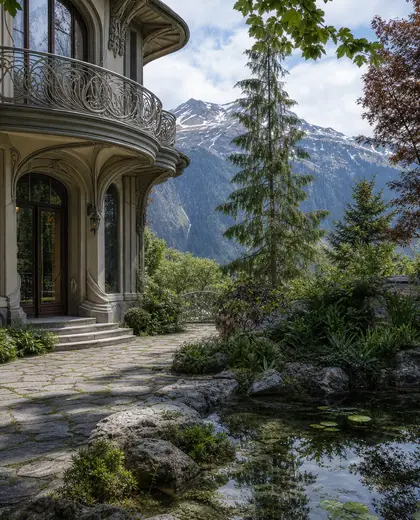
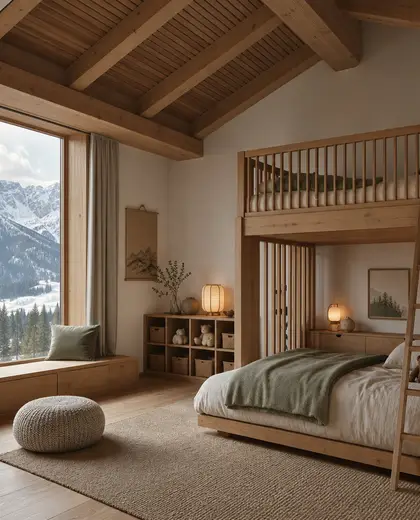
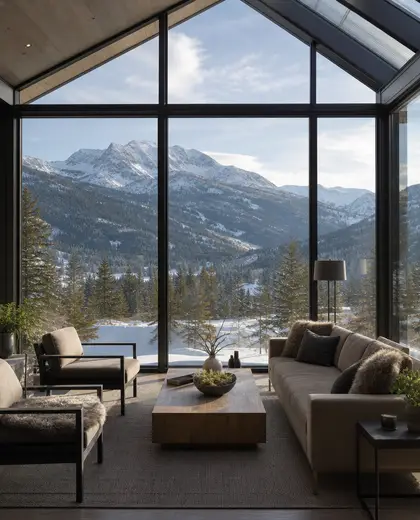
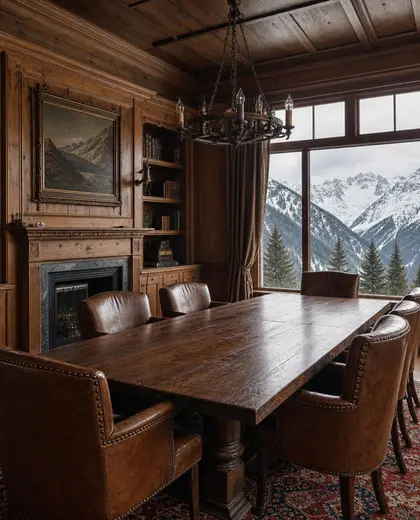
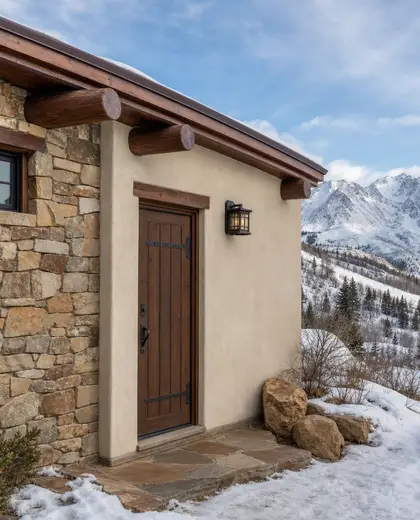
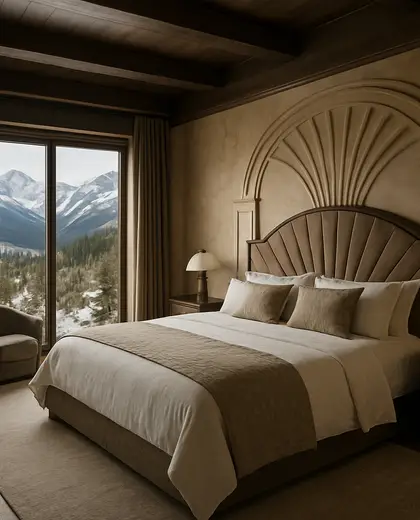
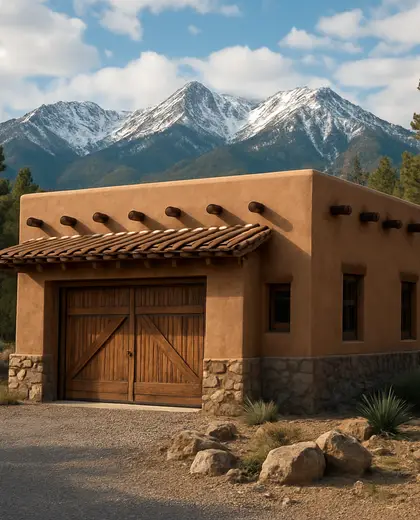
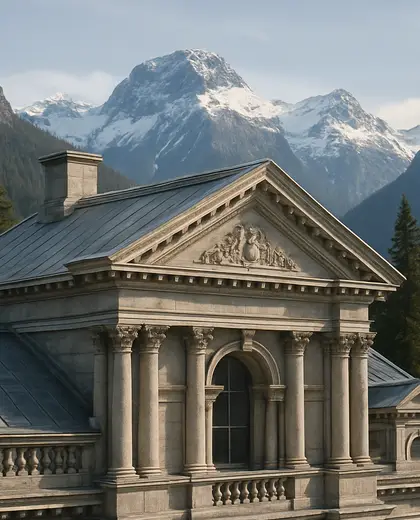
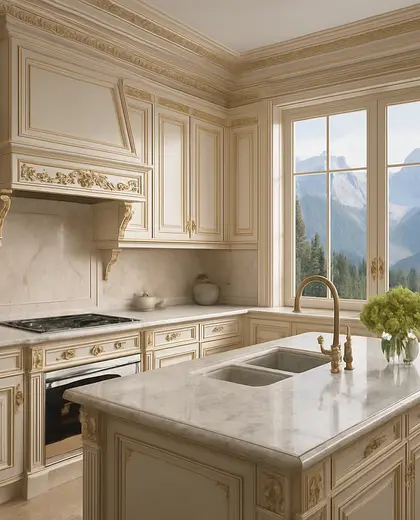
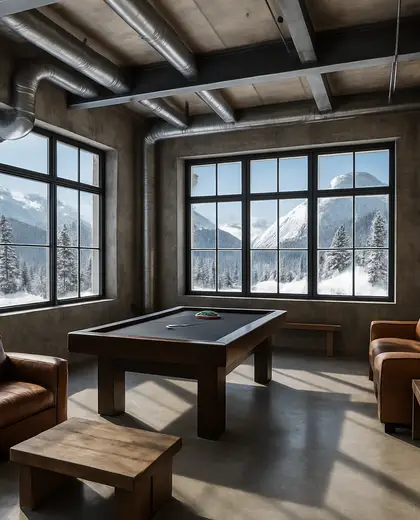
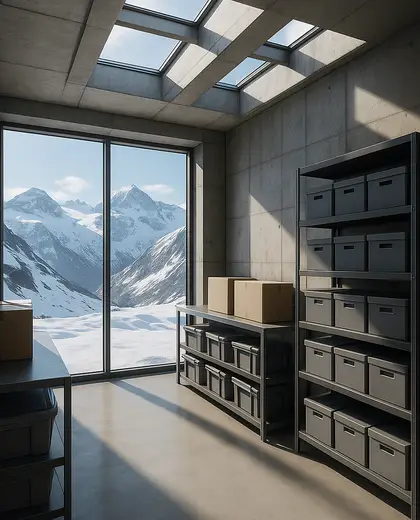
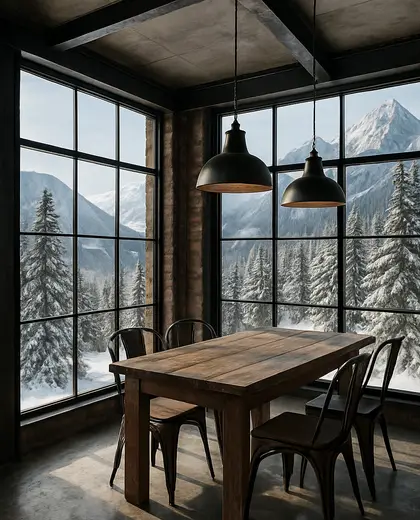
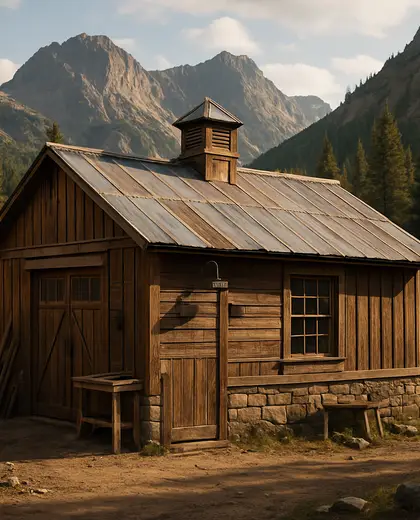
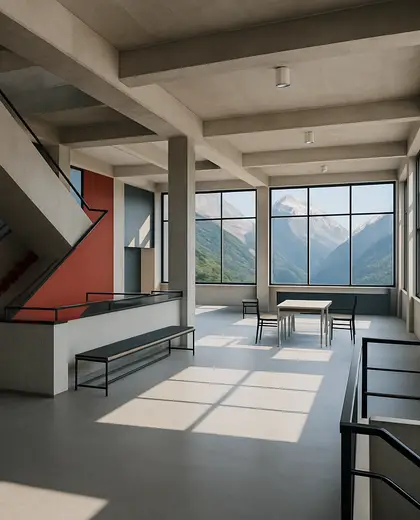
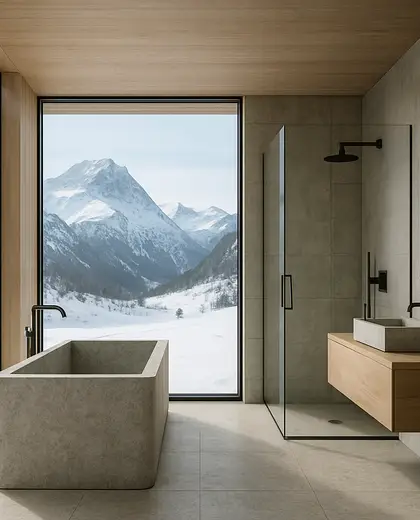
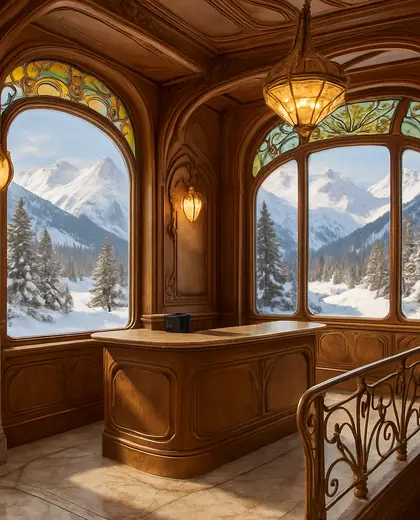
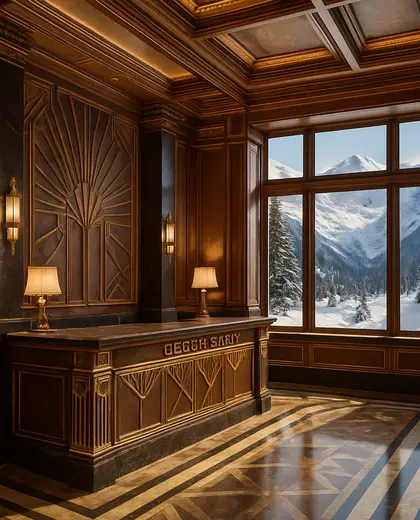
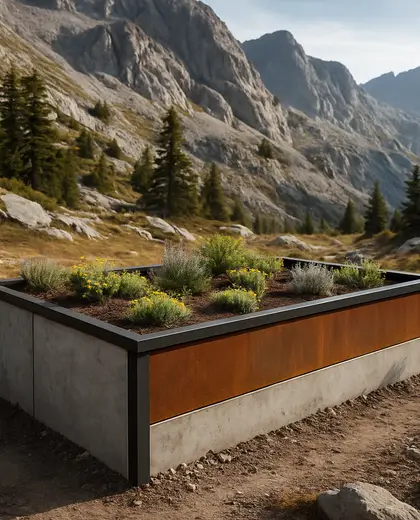
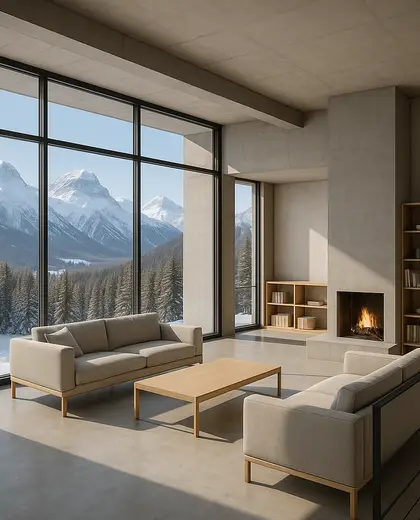
This composition pairs solid, weather-ready building forms with the crisp character of alpine settings. Expect stone, timber, and metal detailing, steep roofs or compact volumes, and a palette drawn from snow, rock, and dark wood. The result is a grounded, sheltering architecture shaped by cold climates, slope, and strong seasonal light.
- building
- alpine
— References
References to explore
What makes a building feel alpine rather than just rustic?
An alpine building usually has a stronger response to climate and terrain: steeper roofs, heavier envelopes, smaller openings in exposed areas, and materials that read as durable in snow, wind, and freeze-thaw conditions.
Which materials work best for this style in a mountain climate?
Stone, timber, and metal are the most common choices because they weather well and suit the setting. Good insulation and high-performance windows matter just as much as the visible finishes.
Can this look work on a modern home?
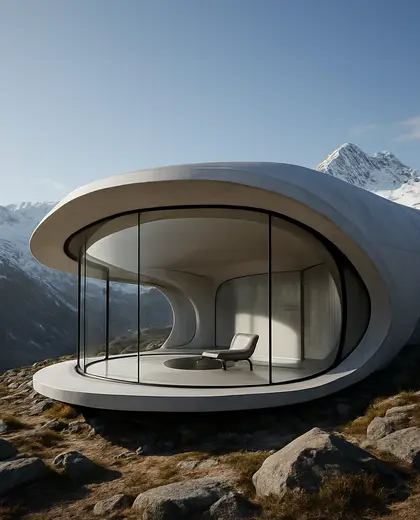
Yes. The style can be updated with cleaner volumes and simpler detailing while keeping the alpine cues: a grounded base, natural materials, a restrained palette, and roof forms that suit winter conditions.
— The style
What defines it
Stone, larch or cedar timber, standing-seam metal, and insulated glazing are common to handle exposure and thermal changes.
Natural grays, weathered browns, charcoal, white, and muted greens echo rock faces, snow, and conifer forests.
It often combines with steep rooflines, deep eaves, terraces, and compact massing to respond to alpine weather and views.
— Professionals
Who has already built it
- roland a arriaga architecarchitects · 8 projectsView profile →
- pfuner designinterior designers · 11 projectsView profile →
- Karavaan Homefurniture sellers · High Point · 4 projectsView profile →
- jacob galleslandscape designers · 6 projectsView profile →
— Explore
Keep exploring
— Questions
Frequently asked questions
What makes a building feel alpine rather than just rustic?
An alpine building usually has a stronger response to climate and terrain: steeper roofs, heavier envelopes, smaller openings in exposed areas, and materials that read as durable in snow, wind, and freeze-thaw conditions.
Which materials work best for this style in a mountain climate?
Stone, timber, and metal are the most common choices because they weather well and suit the setting. Good insulation and high-performance windows matter just as much as the visible finishes.
Can this look work on a modern home?
Yes. The style can be updated with cleaner volumes and simpler detailing while keeping the alpine cues: a grounded base, natural materials, a restrained palette, and roof forms that suit winter conditions.