— Ideas & inspiration
Building above the mountain line
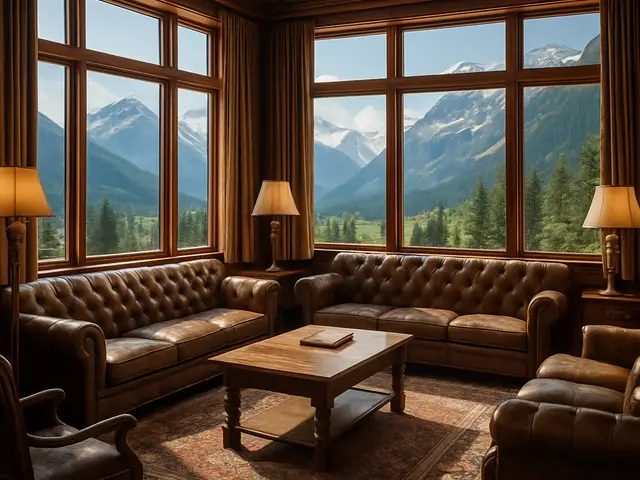
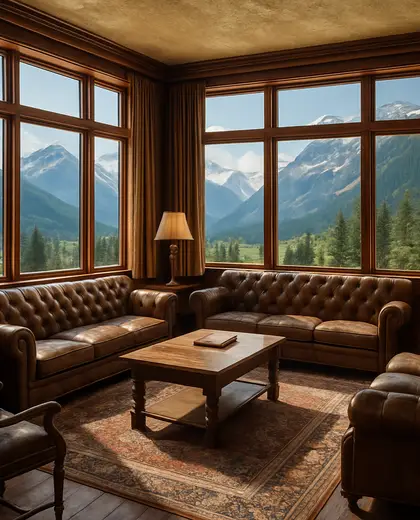
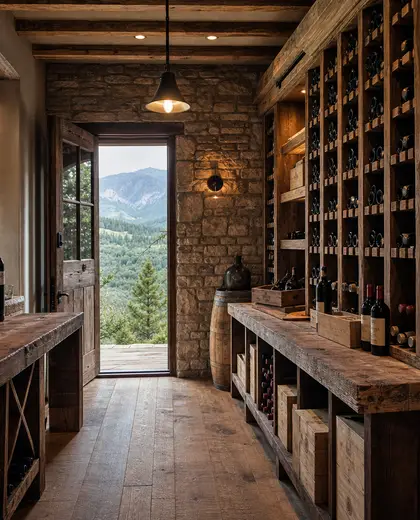
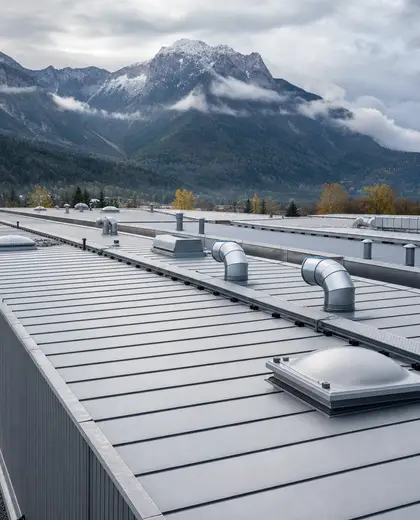
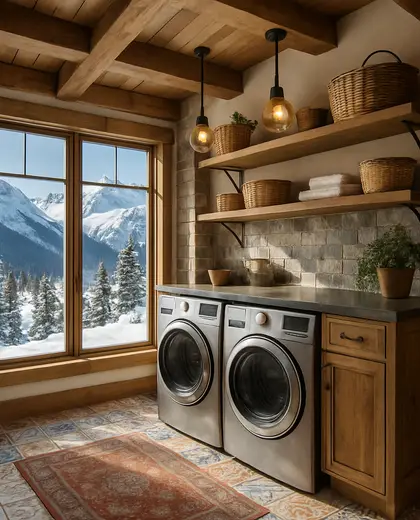
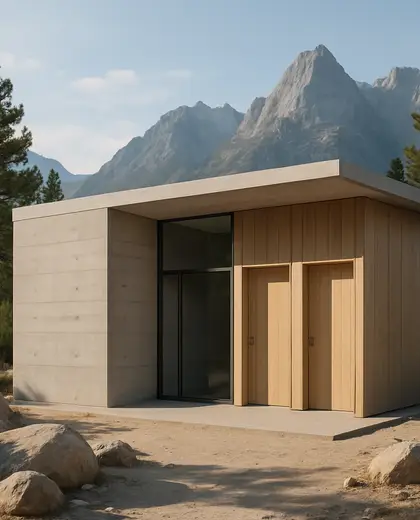
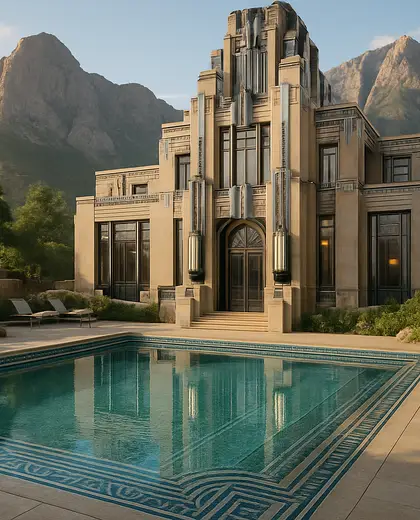
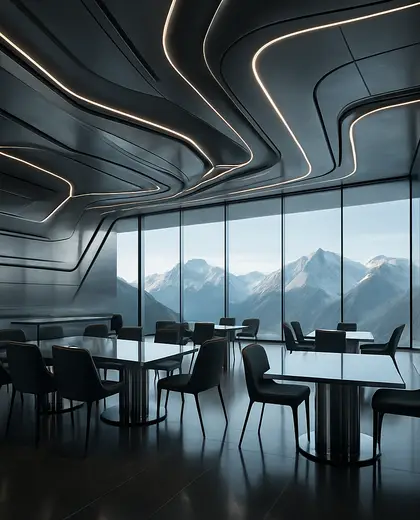
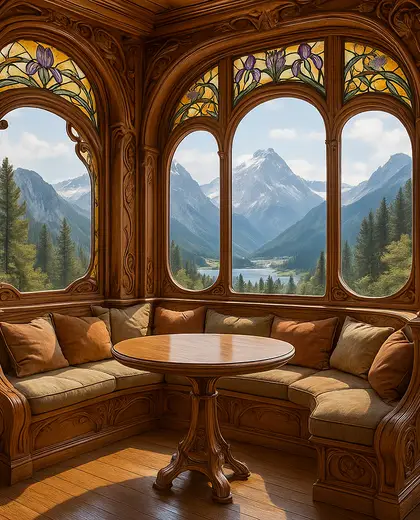
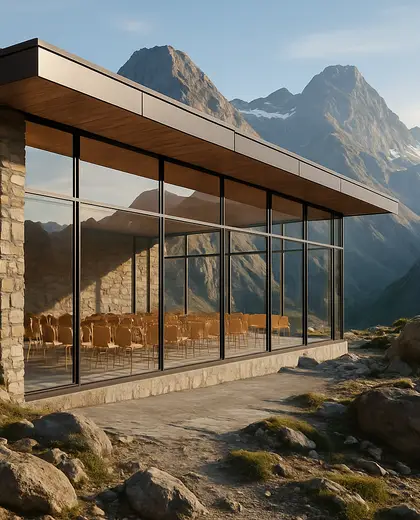
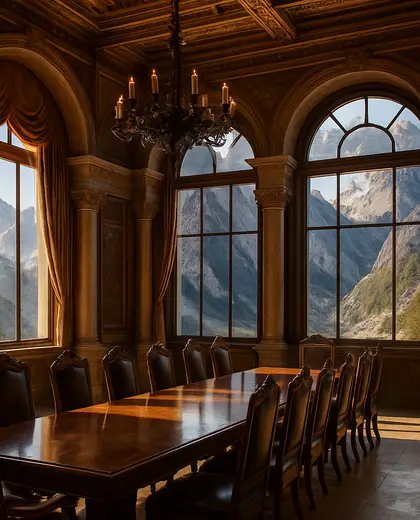
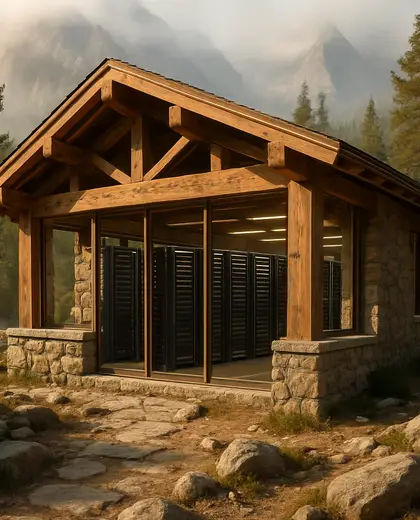
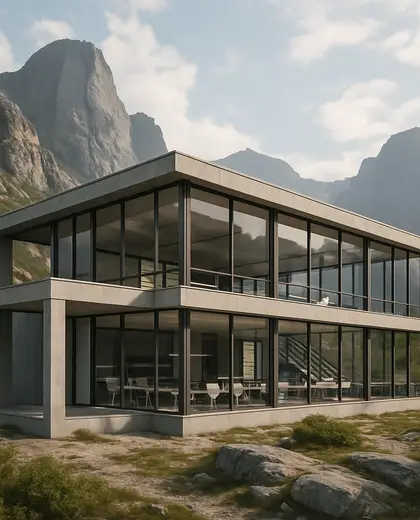
This composition pairs a building with the steep, rocky presence of a mountain, so the architecture feels rooted, elevated, and exposed. It is usually defined by stone, timber, concrete, and glass, with forms that step with the slope, frame long views, and handle strong weather. The palette stays close to the landscape: muted grays, brown wood, charcoal, and weathered finishes.
- building
- mountain
— References
References to explore
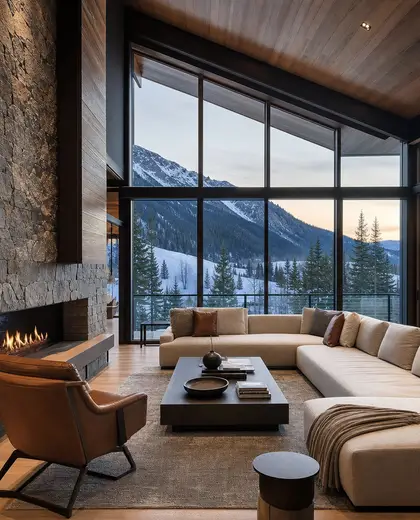
How should a house respond to a mountain site?
It should follow the terrain rather than fight it, often using stepped levels, split floors, and strong foundations that anchor into the slope.
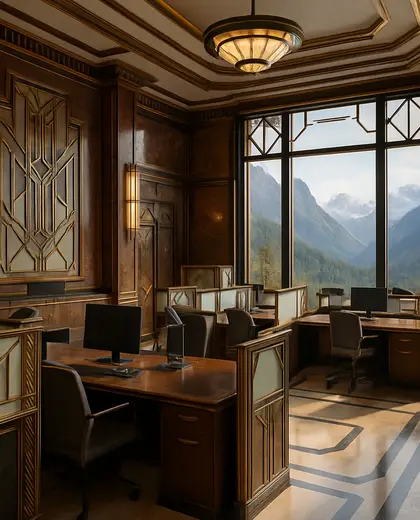
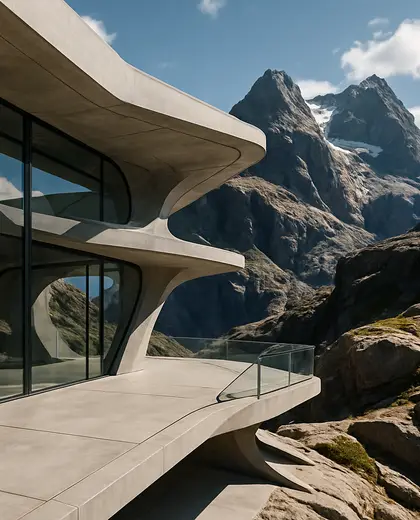
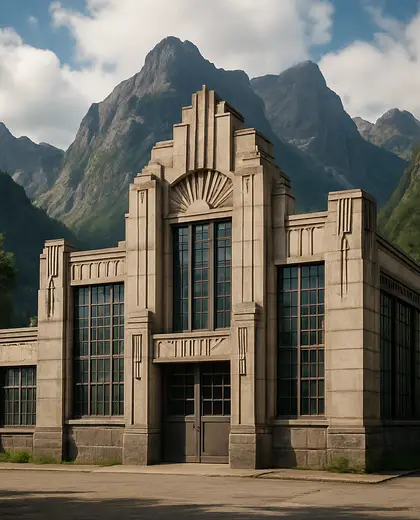
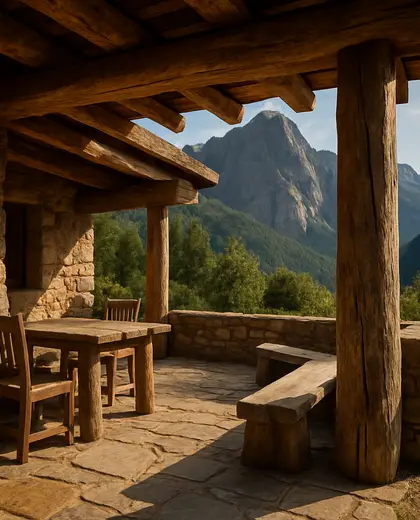
What materials work best for a mountain building?
Durable, low-maintenance materials such as stone, concrete, treated timber, metal roofing, and high-performance glass are common because they handle weather and temperature swings well.
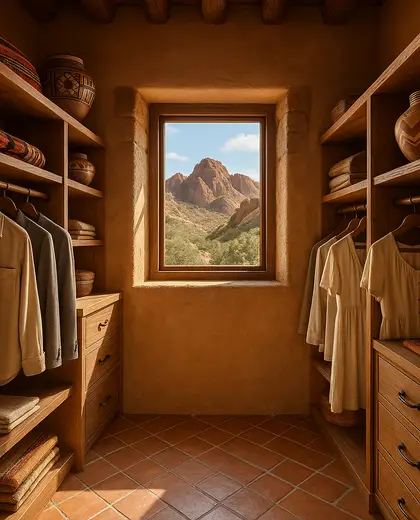
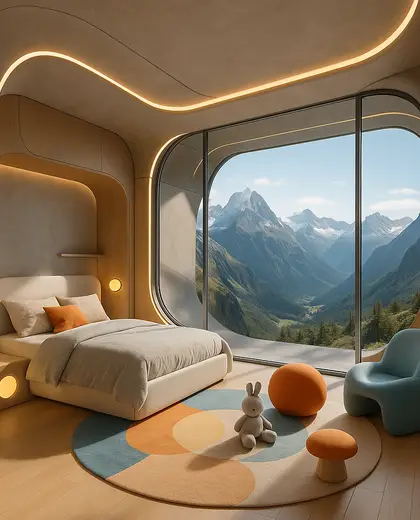
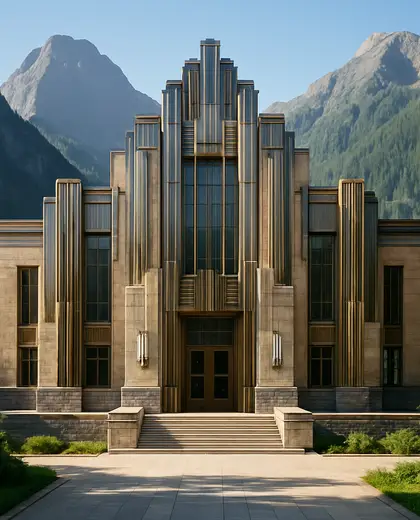
Should the design blend in or stand out?
Most mountain buildings do both in some way: they use natural colors and textures to sit comfortably in the landscape, while crisp lines or larger openings give the architecture a clear identity.
— The style
What defines it
Stone, timber, board-formed concrete, steel, and large glazing are common.
Earth tones, slate gray, charcoal, weathered wood, and off-white surfaces fit the setting.
A mountain landscape, steep topography, retaining walls, terraces, and panoramic openings.
— Professionals
Who has already built it
- dederick bakerarchitects · San Diego · 7 projectsView profile →
- Karavaan Homefurniture sellers · High Point · 4 projectsView profile →
- jacob galleslandscape designers · 6 projectsView profile →
- pfuner designinterior designers · 11 projectsView profile →
— Explore
Keep exploring
— Questions
Frequently asked questions
How should a house respond to a mountain site?
It should follow the terrain rather than fight it, often using stepped levels, split floors, and strong foundations that anchor into the slope.
What materials work best for a mountain building?
Durable, low-maintenance materials such as stone, concrete, treated timber, metal roofing, and high-performance glass are common because they handle weather and temperature swings well.
Should the design blend in or stand out?
Most mountain buildings do both in some way: they use natural colors and textures to sit comfortably in the landscape, while crisp lines or larger openings give the architecture a clear identity.