— Ideas & inspiration
Rural building with grounded, practical character
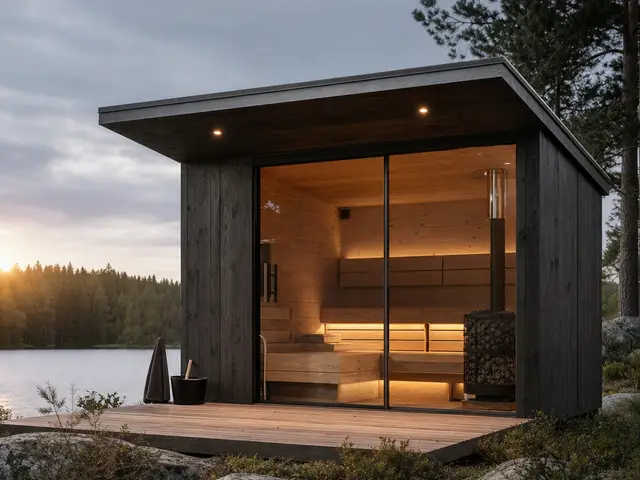
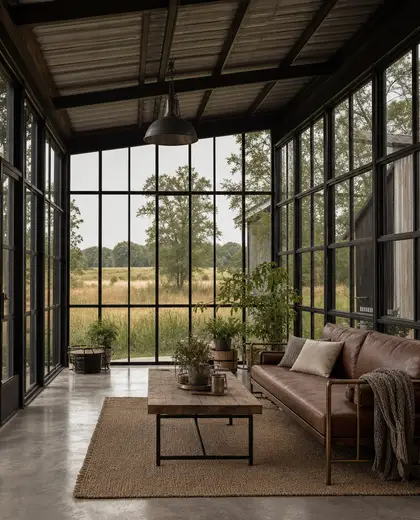
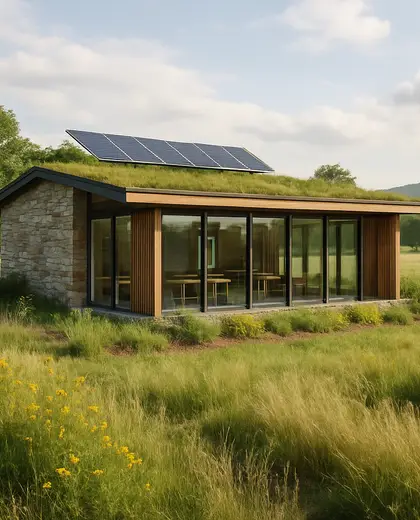
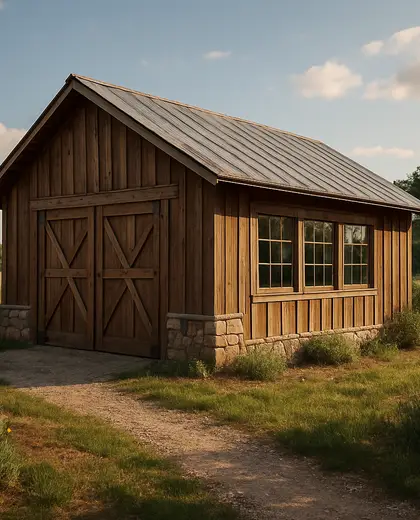
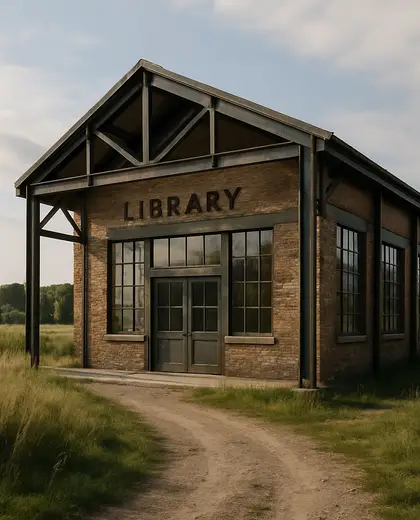
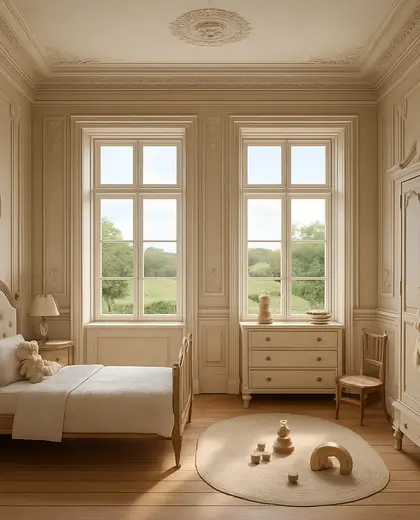
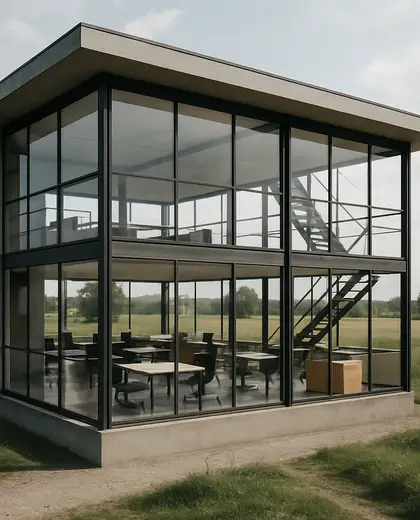
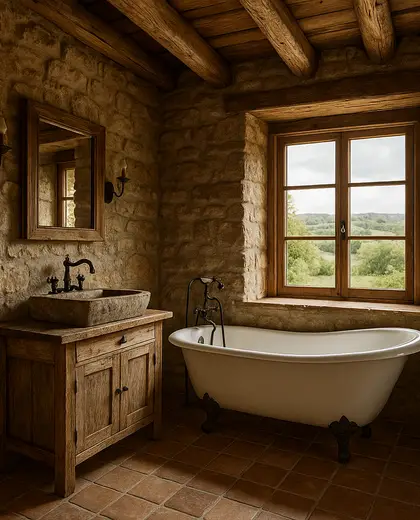
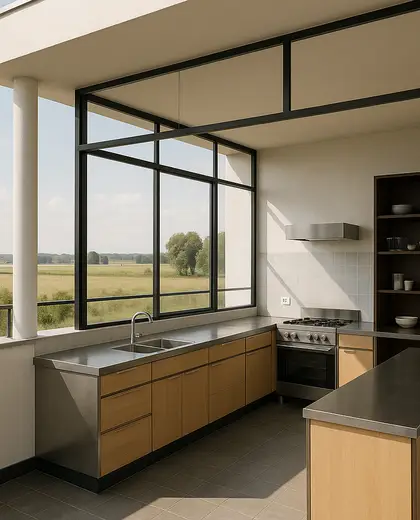
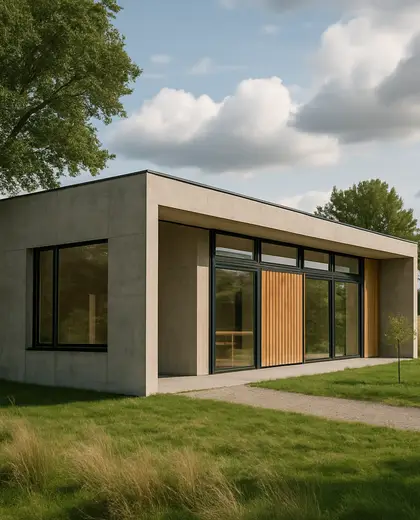
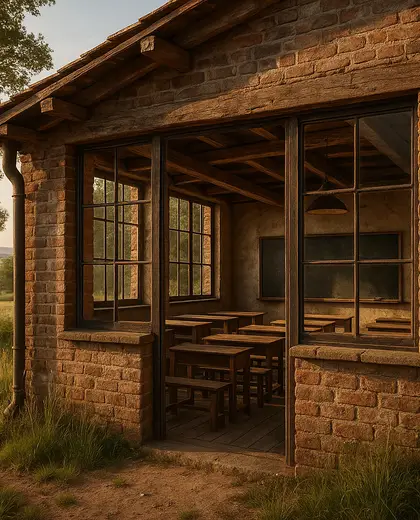
This composition is defined by simple massing, durable materials, and a close relationship to the land. Common choices include timber, stone, brick, corrugated metal, and weathered finishes, with a palette drawn from earth tones, muted greens, warm grays, and natural wood. It usually combines sheltered porches, pitched roofs, deep eaves, and open views to make the building feel settled in a rural setting.
- building
- rural
— References
References to explore
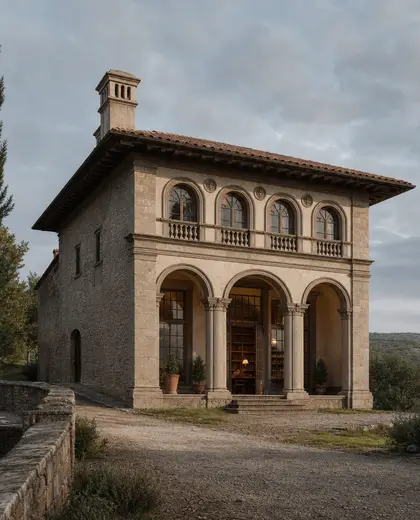
What makes a building feel rural rather than suburban?
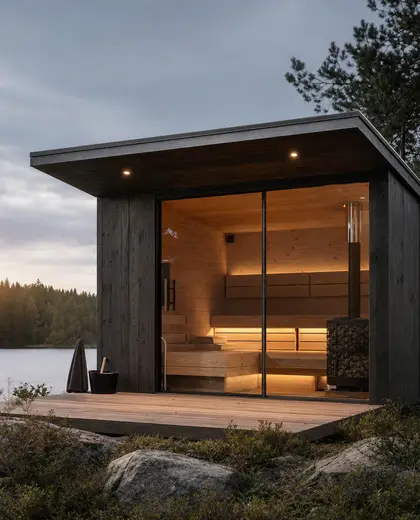
A rural composition usually uses simpler forms, fewer decorative details, and materials that feel tied to the landscape, such as wood, stone, and metal. It also tends to sit more loosely on the site, with porches, sheds, or open edges that respond to fields, trees, or farm terrain.
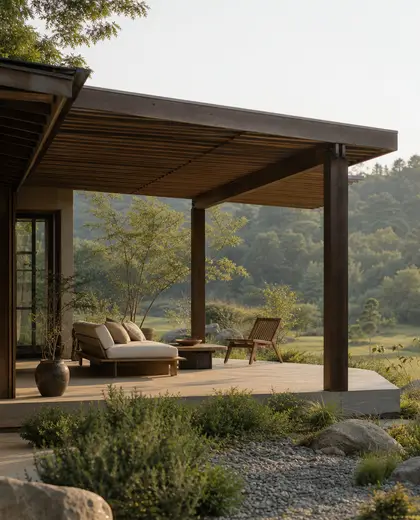
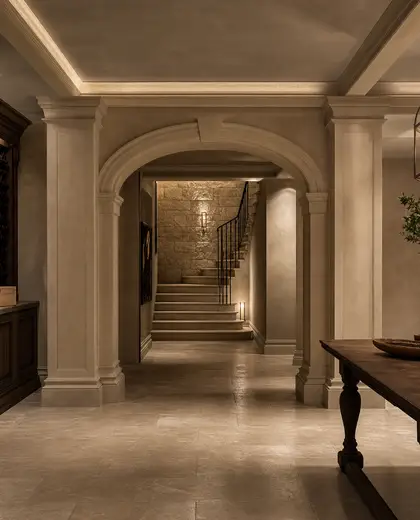
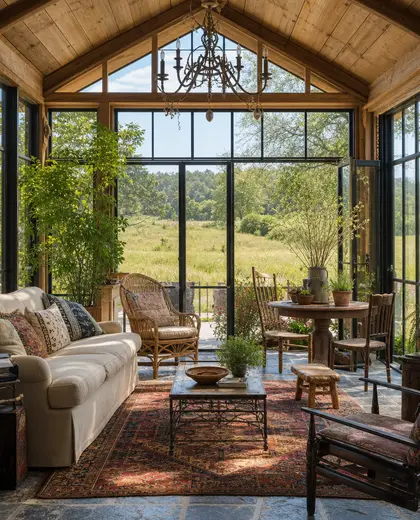
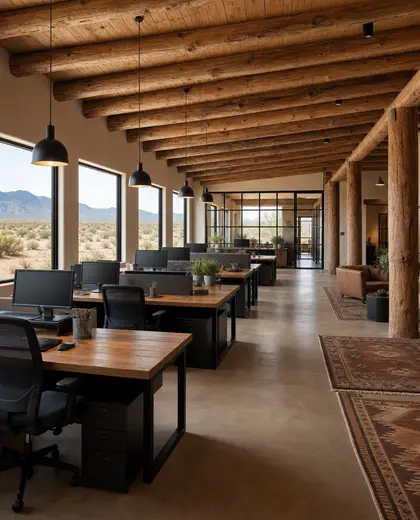
Can a rural building still look modern?
Yes. The form can be very clean and contemporary while still using rural cues like a pitched roof, natural cladding, and muted colors. The key is keeping the massing calm and the materials honest rather than glossy or overly refined.
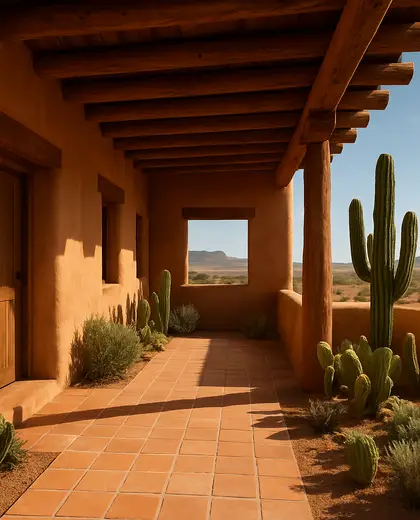
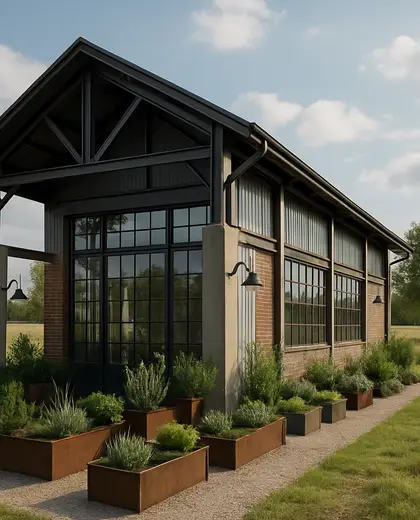
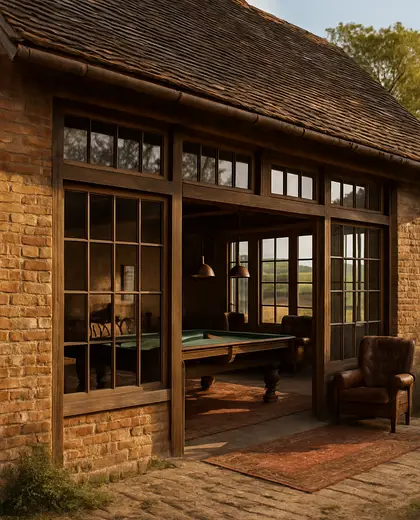
What should homeowners consider for a rural setting?
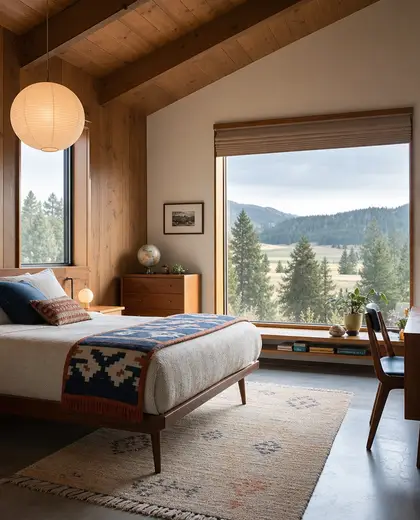
Durability, maintenance, and how the building handles weather and access are important. It helps to choose materials that age well, colors that blend with the surroundings, and layouts that work with long views, wind, and seasonal use.
— The style
What defines it
Timber, stone, brick, and metal are common, often left with natural or lightly weathered finishes.
Earthy and restrained: browns, warm grays, off-white, dark green, and faded charcoal.
Pitched roofs, porches, barns, utility spaces, open landscapes, and practical site planning.
— Professionals
Who has already built it
- umang shaharchitects · Jersey City · 8 projectsView profile →
- jacob galleslandscape designers · 6 projectsView profile →
- pfuner designinterior designers · 11 projectsView profile →
- Karavaan Homefurniture sellers · High Point · 4 projectsView profile →
— Explore
Keep exploring
— Questions
Frequently asked questions
What makes a building feel rural rather than suburban?
A rural composition usually uses simpler forms, fewer decorative details, and materials that feel tied to the landscape, such as wood, stone, and metal. It also tends to sit more loosely on the site, with porches, sheds, or open edges that respond to fields, trees, or farm terrain.
Can a rural building still look modern?
Yes. The form can be very clean and contemporary while still using rural cues like a pitched roof, natural cladding, and muted colors. The key is keeping the massing calm and the materials honest rather than glossy or overly refined.
What should homeowners consider for a rural setting?
Durability, maintenance, and how the building handles weather and access are important. It helps to choose materials that age well, colors that blend with the surroundings, and layouts that work with long views, wind, and seasonal use.