— Ideas & inspiration
Building composition
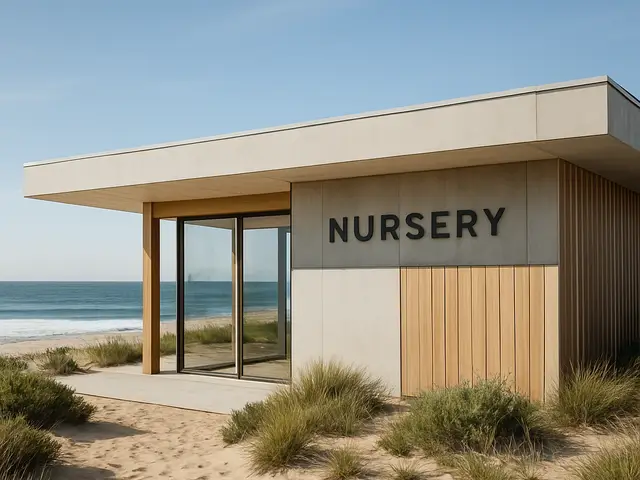
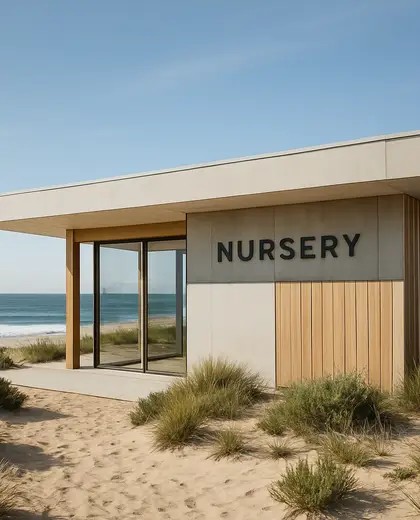
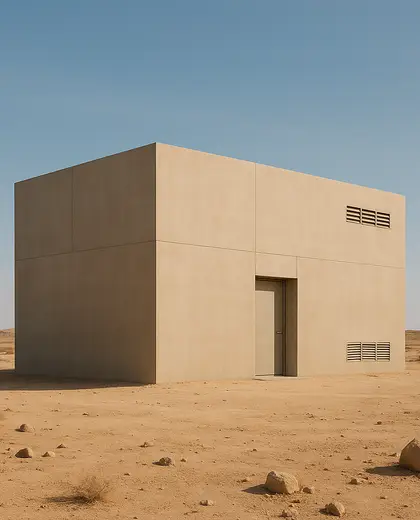
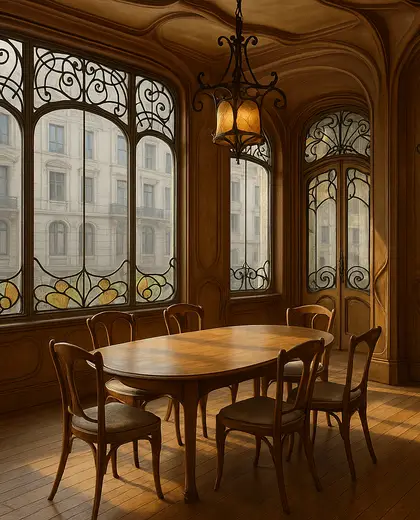
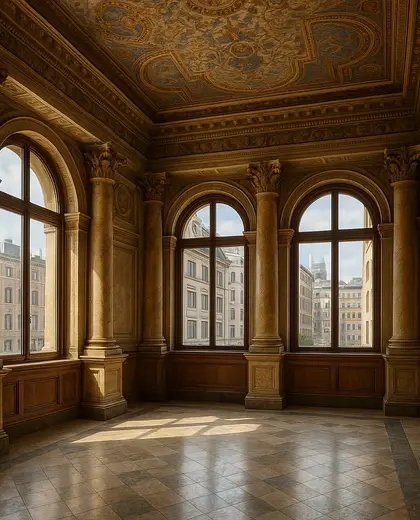
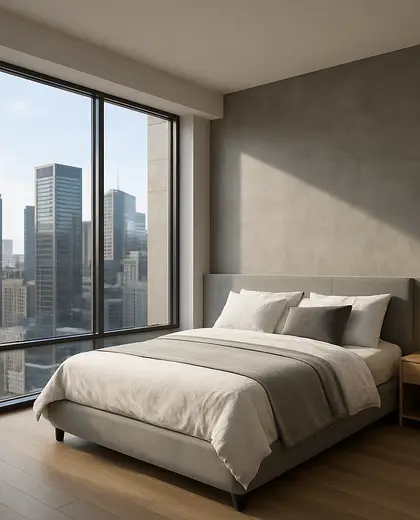
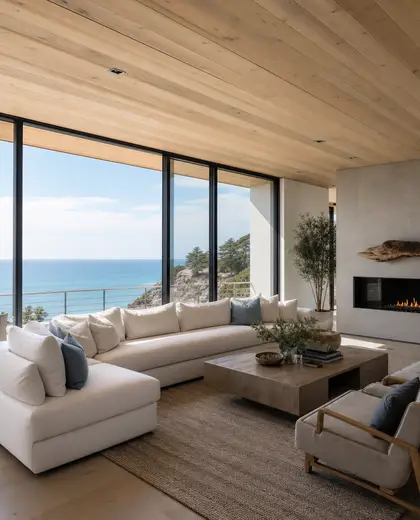
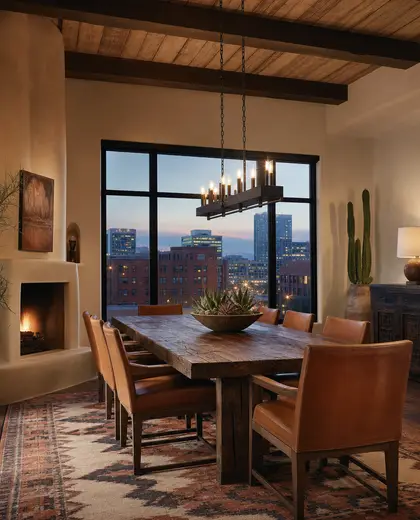
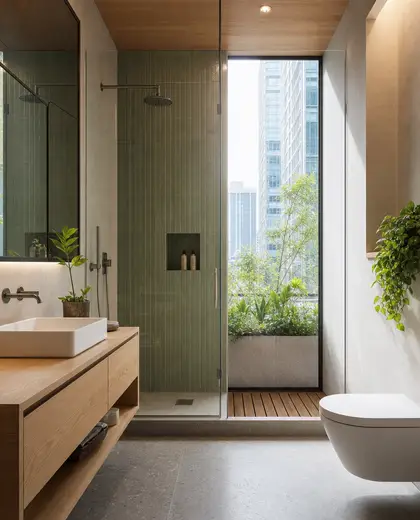
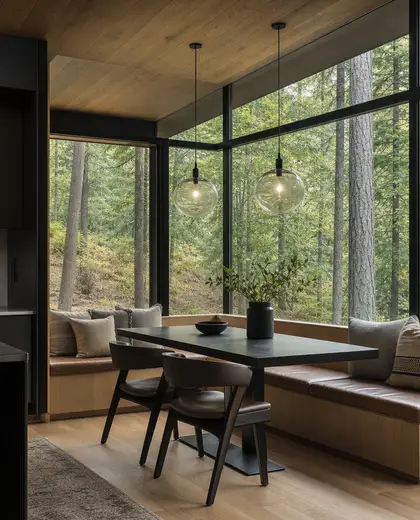
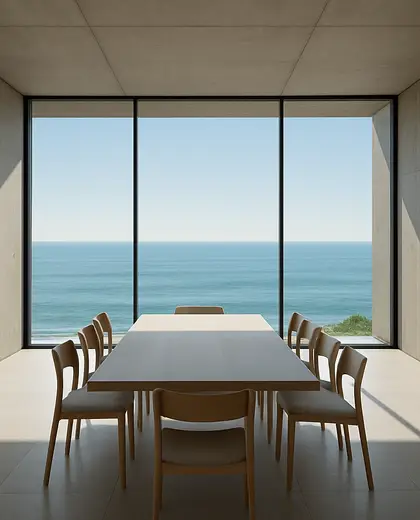
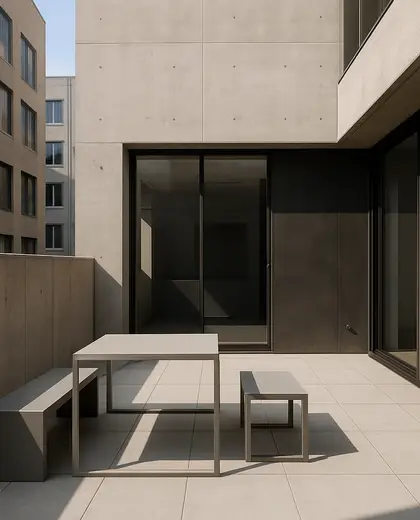
A building composition is defined by the structure itself: walls, roof, openings, and the way the mass is shaped and assembled. It usually relies on durable materials such as concrete, brick, stone, timber, and metal, with finishes left natural or kept simple. The palette is often muted and architectural, letting proportion, texture, and light do the work.
- building
— References
References to explore


What makes a building composition different from a decorative style?
It is based on the structure and envelope of the building rather than ornament. The look comes from shape, proportions, openings, and material choices.



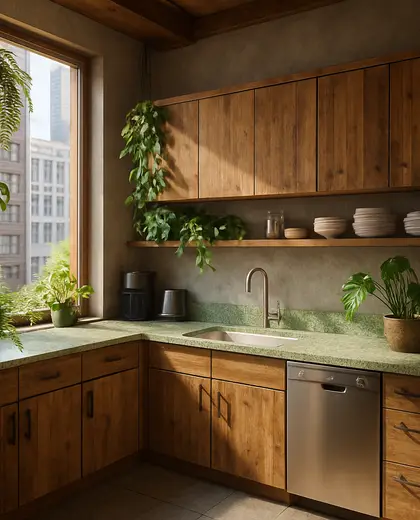
Can a building composition work with warm materials?
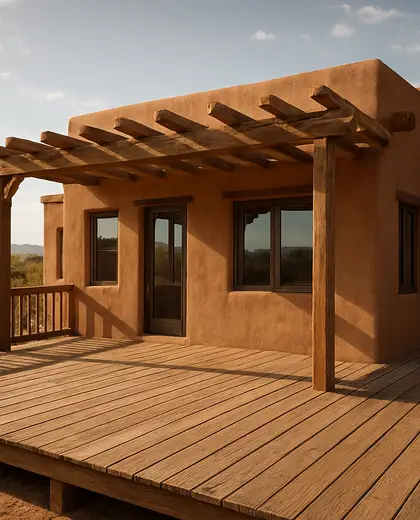
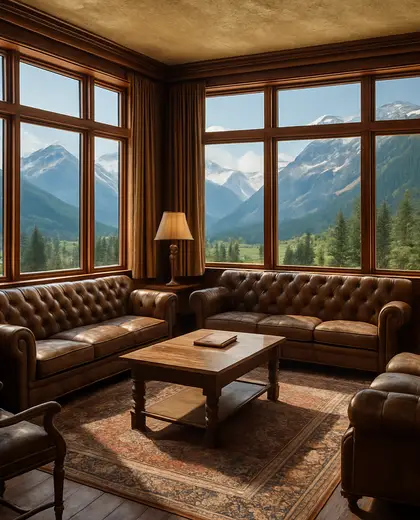
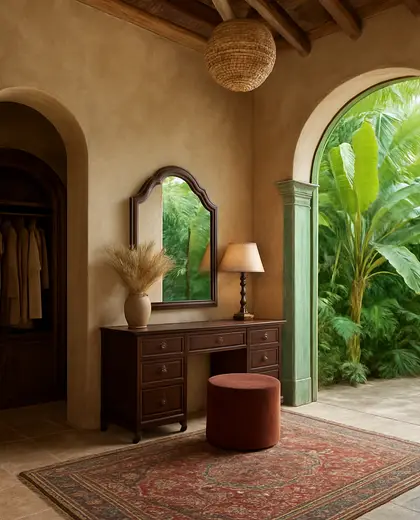
Yes. Timber, brick, and natural stone can soften the overall look while keeping the composition clear and architectural.
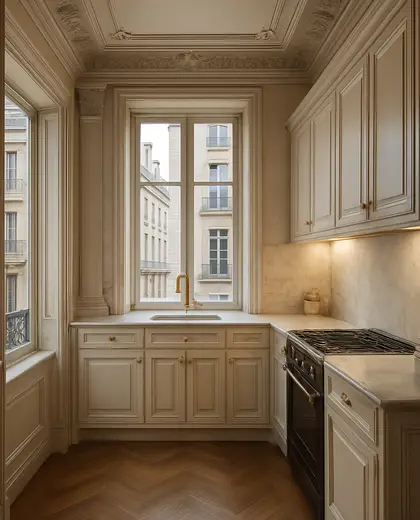
Is this composition limited to new builds?
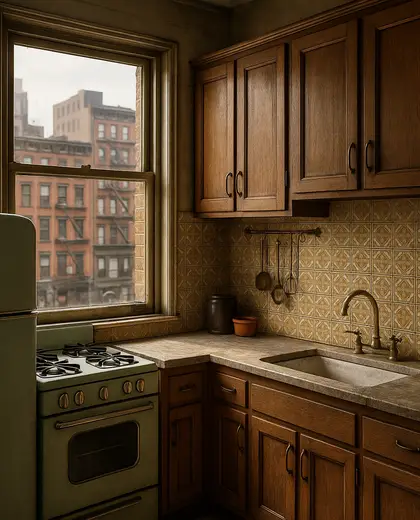
No. It can also guide renovations when the goal is to clarify the building mass, simplify the facade, or update materials and openings.

— The style
What defines it
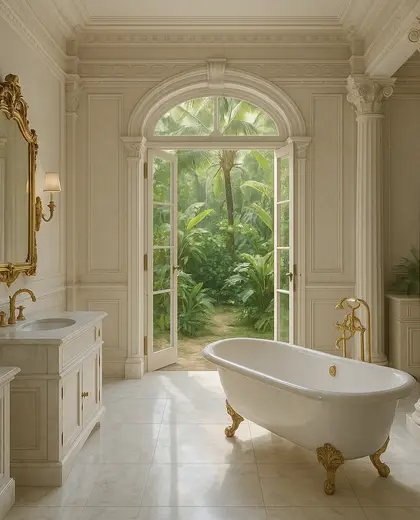
Concrete, brick, stone, timber, steel, glass, and mineral plaster are common.
Neutral and grounded: white, grey, beige, brown, black, and weathered tones.
Landscape, glazing, timber details, metal trims, and simple indoor finishes.
— Professionals
Who has already built it
- Karavaan Homefurniture sellers · High Point · 4 projectsView profile →
- todd verwers architectsarchitects · San Diego · 6 projectsView profile →
- jacob galleslandscape designers · 6 projectsView profile →
- pfuner designinterior designers · 11 projectsView profile →
— Explore
Keep exploring
— Questions
Frequently asked questions
What makes a building composition different from a decorative style?
It is based on the structure and envelope of the building rather than ornament. The look comes from shape, proportions, openings, and material choices.
Can a building composition work with warm materials?
Yes. Timber, brick, and natural stone can soften the overall look while keeping the composition clear and architectural.
Is this composition limited to new builds?
No. It can also guide renovations when the goal is to clarify the building mass, simplify the facade, or update materials and openings.