— Ideas & inspiration
Building urban spaces with architectural clarity
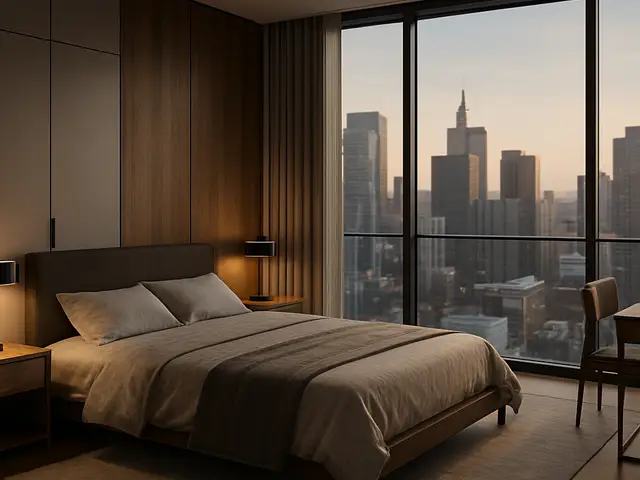
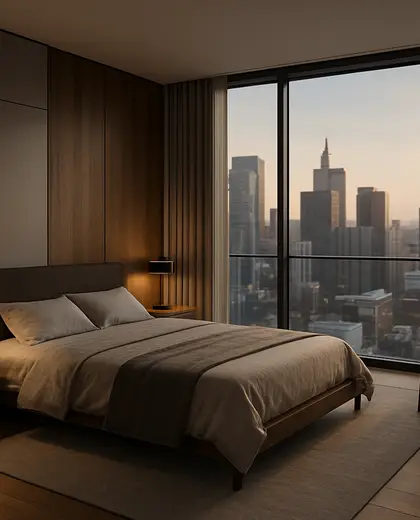
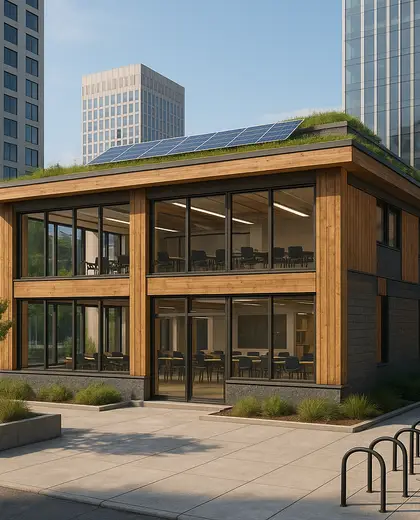
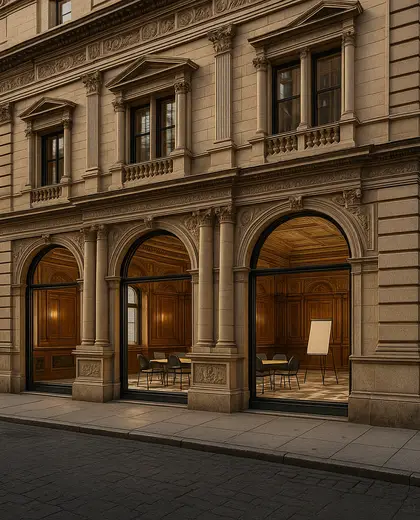
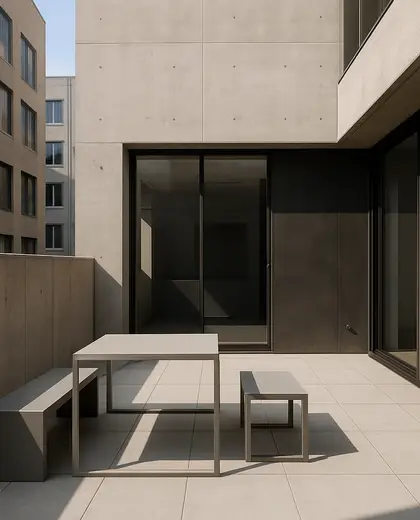
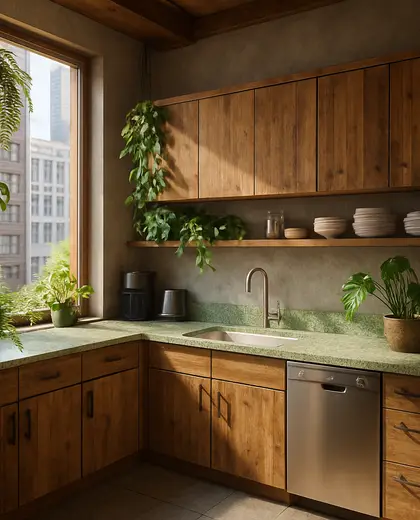
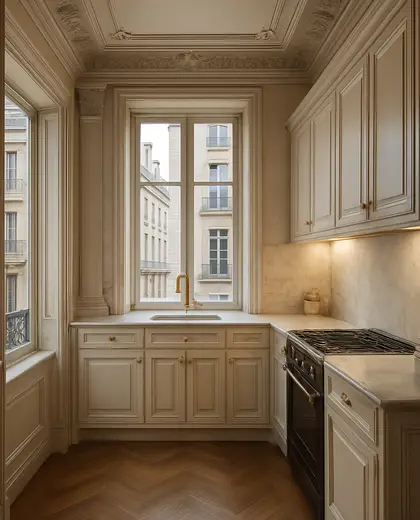
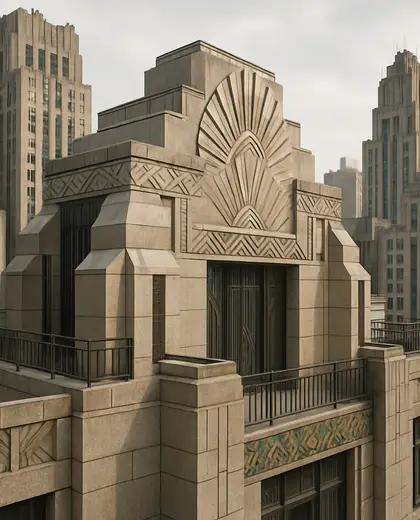
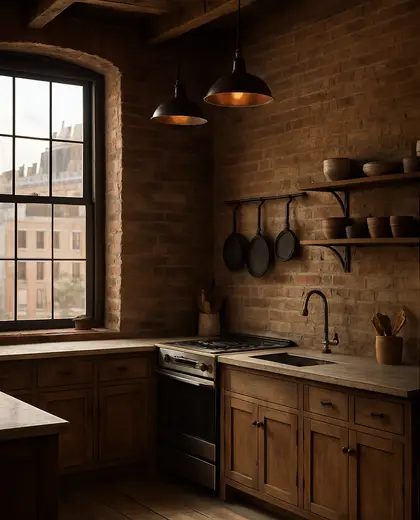
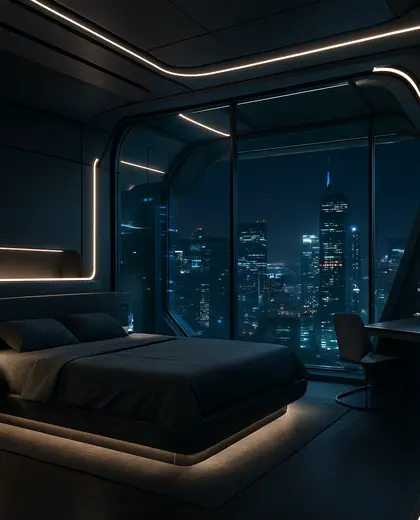
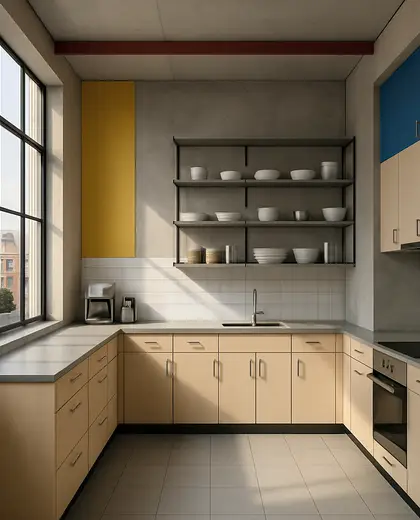
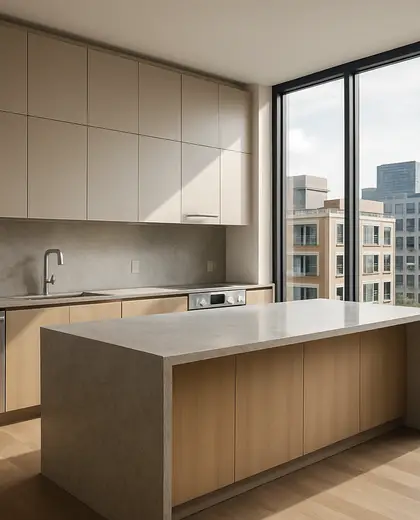
This composition is defined by solid structural forms, clean lines, and durable finishes suited to dense city settings. Common materials include concrete, steel, glass, brick, and stone, often arranged in layered volumes, recessed openings, and strong horizontal or vertical rhythms. The palette usually stays grounded in greys, charcoal, warm masonry tones, and muted neutrals.
- building
- urban
— References
References to explore
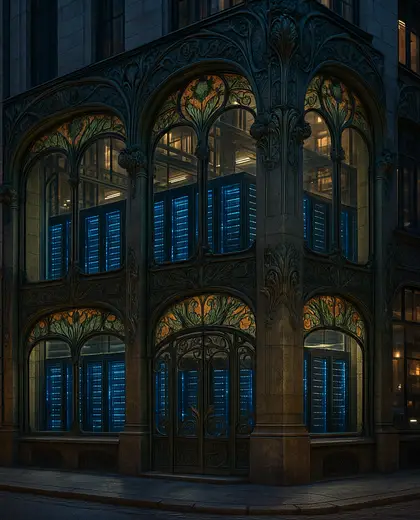
Is this style suitable for a narrow city lot?
Yes. The look often works well on compact urban sites because it relies on vertical proportions, efficient massing, and carefully placed openings.
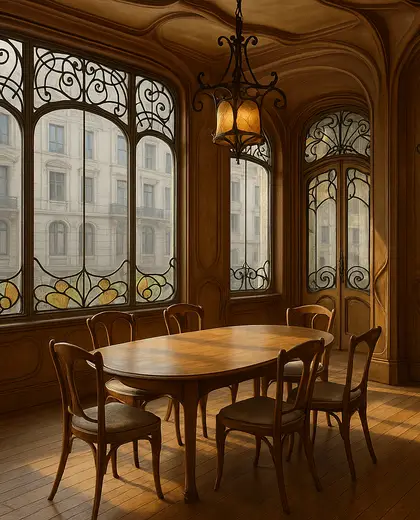
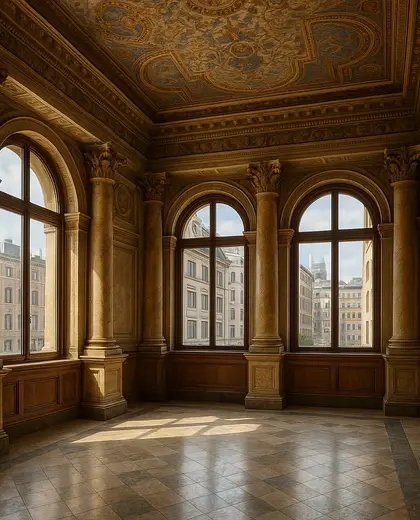
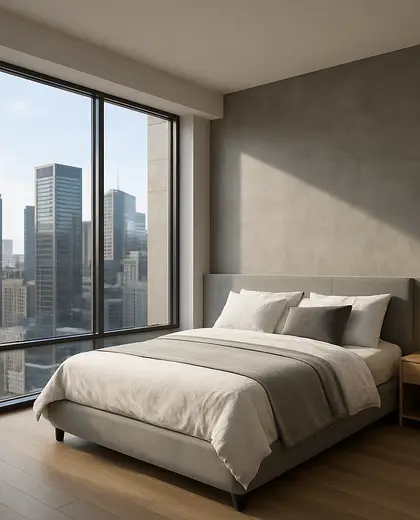
Does it have to look industrial?
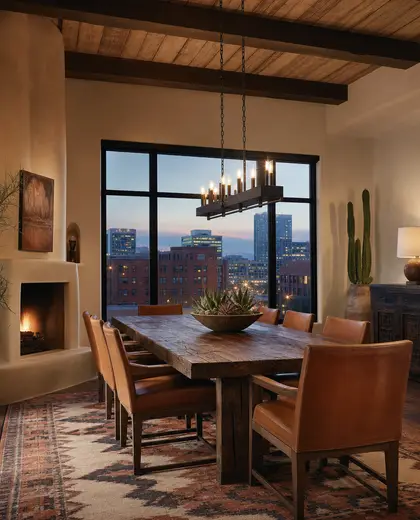
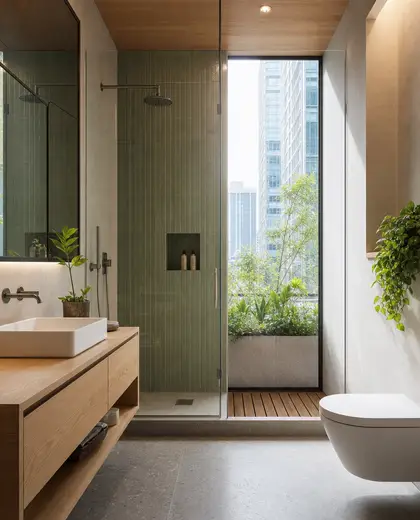
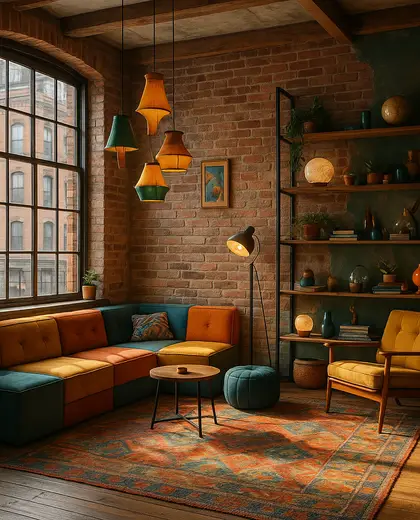
No. It can feel industrial, but it can also be softer and more residential when brick, timber, planting, or warmer tones are added.
What kind of home fits this composition?
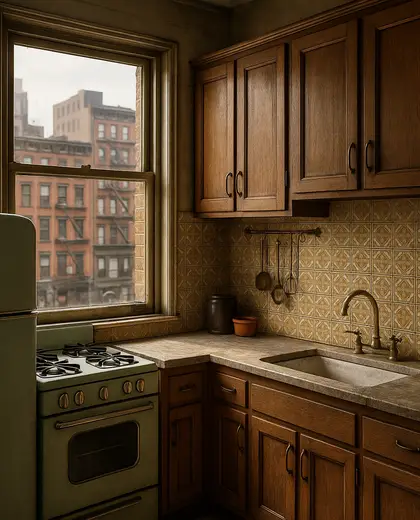
It suits townhouses, infill homes, apartment buildings, and mixed-use projects where the building needs to relate strongly to the street and surrounding fabric.

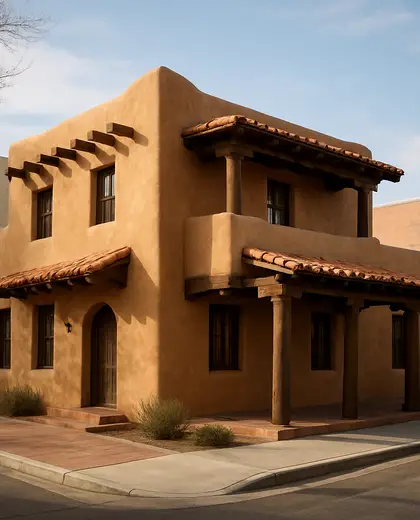
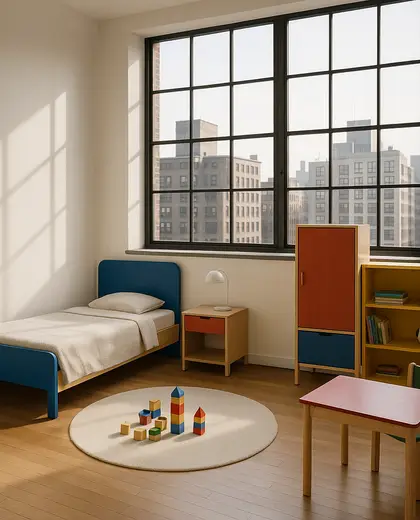
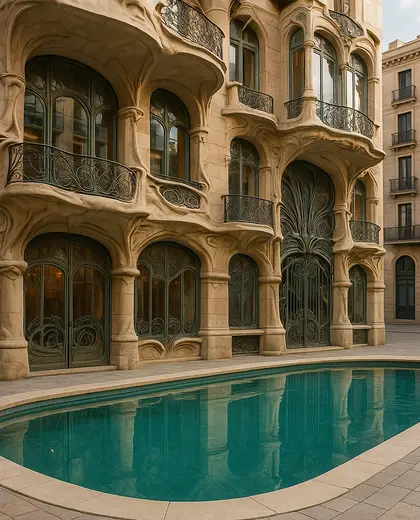
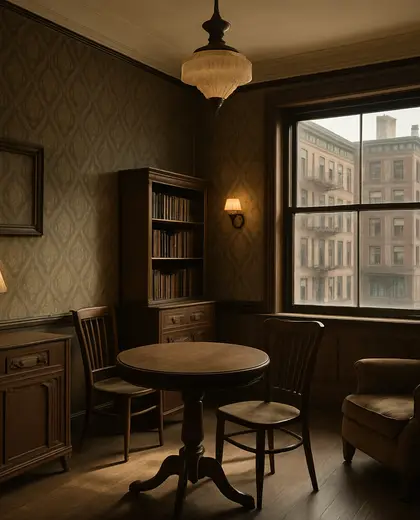
— The style
What defines it
Concrete, steel, glass, brick, and stone are the core materials, often used in exposed or refined finishes.
Greys, charcoal, off-white, black, and warm brick or terracotta tones create a restrained urban look.
Works well with modern minimalism, industrial detailing, public plazas, courtyards, and mixed-use street frontages.
— Professionals
Who has already built it
- michael matthewsarchitects · Los Angeles · 6 projectsView profile →
- pfuner designinterior designers · 11 projectsView profile →
- Karavaan Homefurniture sellers · High Point · 4 projectsView profile →
- jacob galleslandscape designers · 6 projectsView profile →
— Explore
Keep exploring
— Questions
Frequently asked questions
Is this style suitable for a narrow city lot?
Yes. The look often works well on compact urban sites because it relies on vertical proportions, efficient massing, and carefully placed openings.
Does it have to look industrial?
No. It can feel industrial, but it can also be softer and more residential when brick, timber, planting, or warmer tones are added.
What kind of home fits this composition?
It suits townhouses, infill homes, apartment buildings, and mixed-use projects where the building needs to relate strongly to the street and surrounding fabric.