— Ideas & inspiration
Building in a neoclassical key
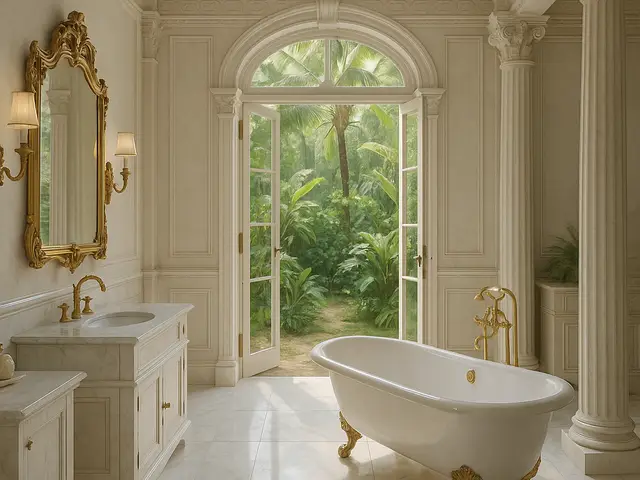
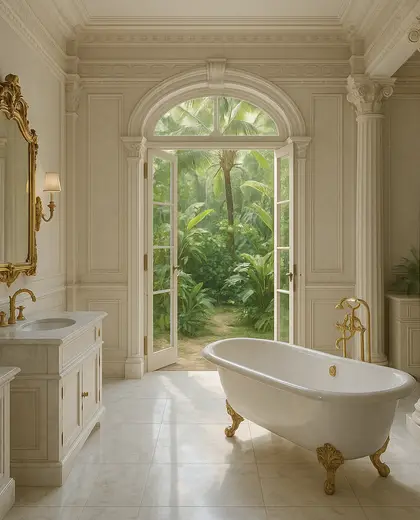
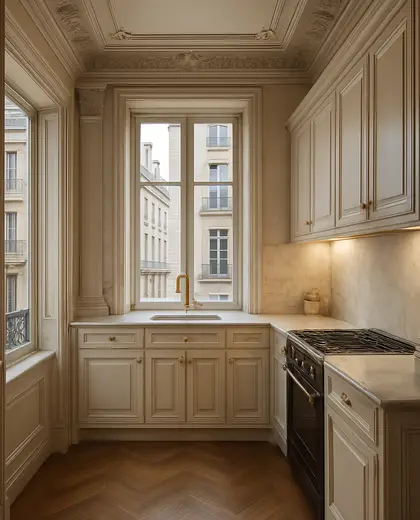
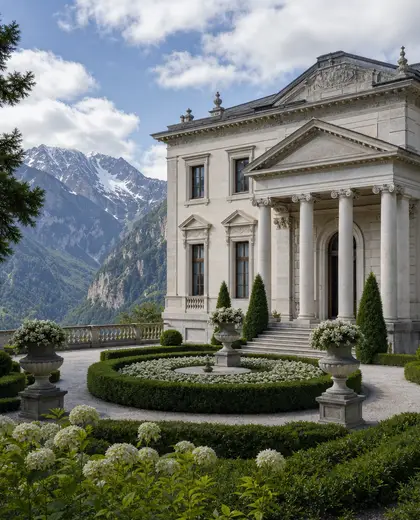
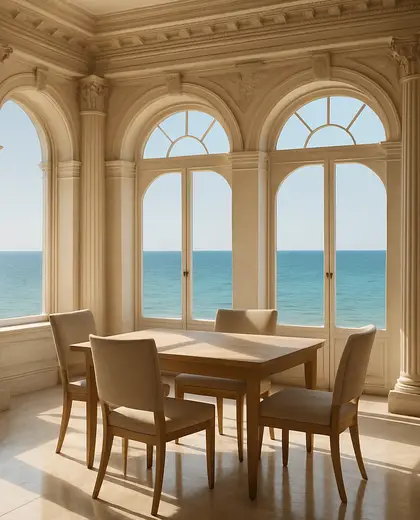
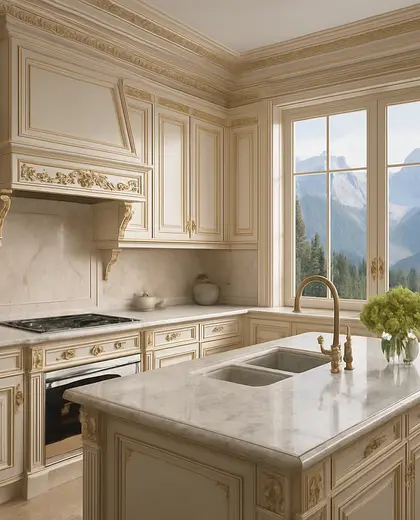
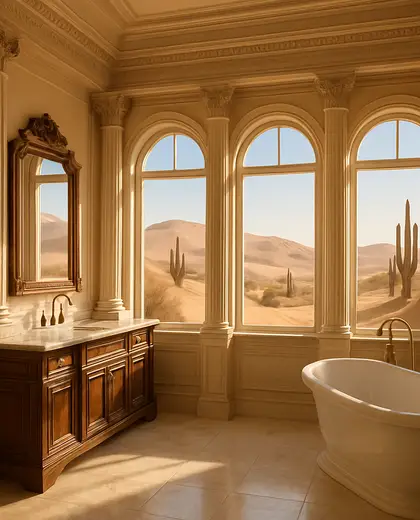
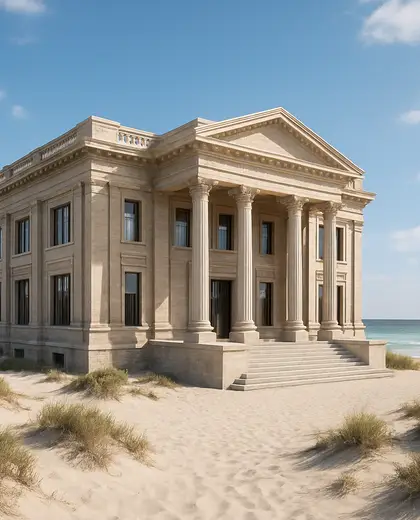
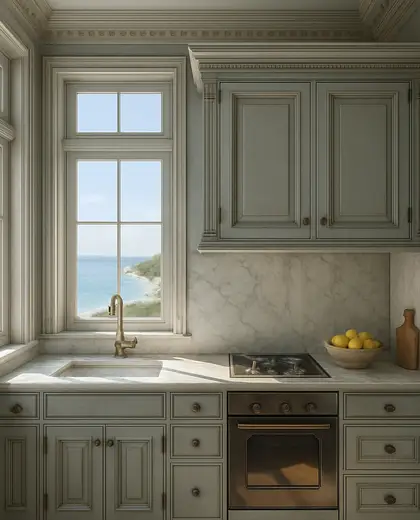
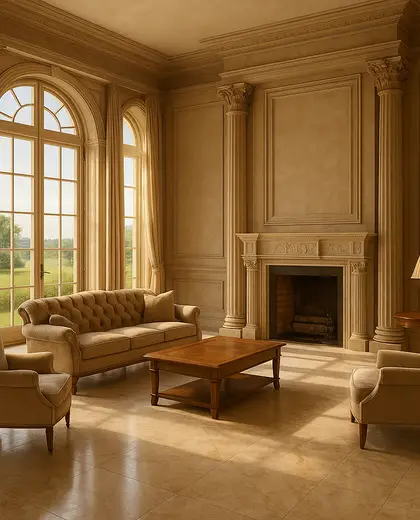
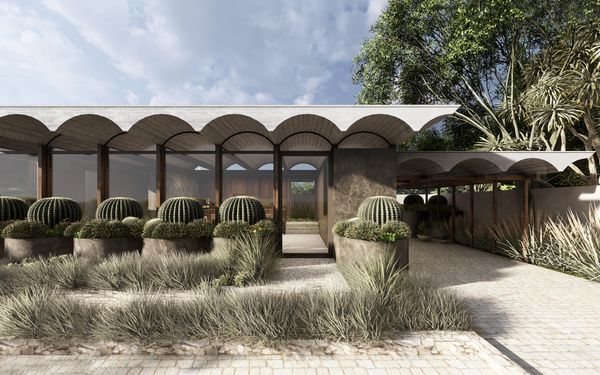
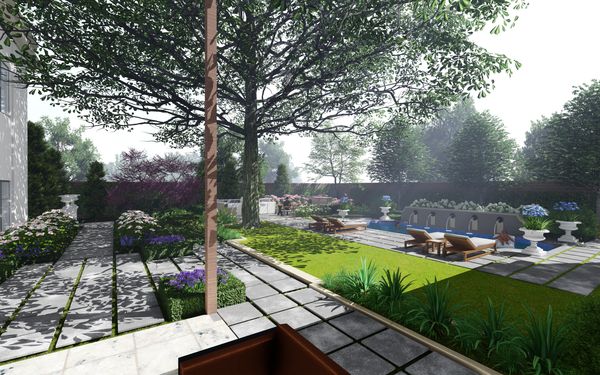
This composition is defined by symmetrical massing, formal proportions, and classical detailing translated onto a modern building. Typical materials include stone, stucco, plaster, and painted wood, often finished with molded cornices, pilasters, pediments, and balanced window rhythms. The palette is usually restrained: whites, creams, soft grays, and muted beige tones with occasional darker accents at doors, railings, or trim.
- building
- neoclassical
— References
References to explore
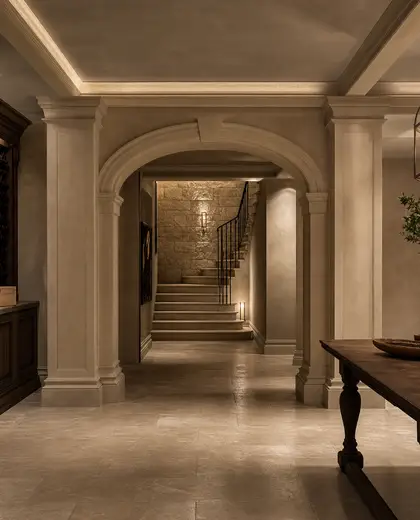
Is neoclassical suitable for a new house or only for restoration?
It works for both. New homes can use neoclassical proportions and detailing, while restorations often keep the original symmetry and refine damaged classical elements.
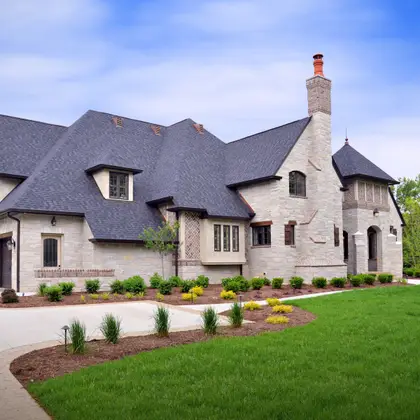
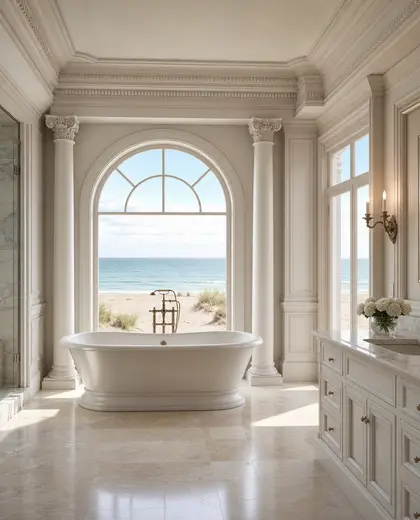
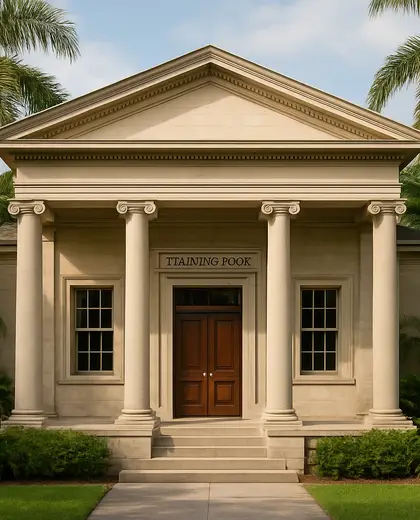
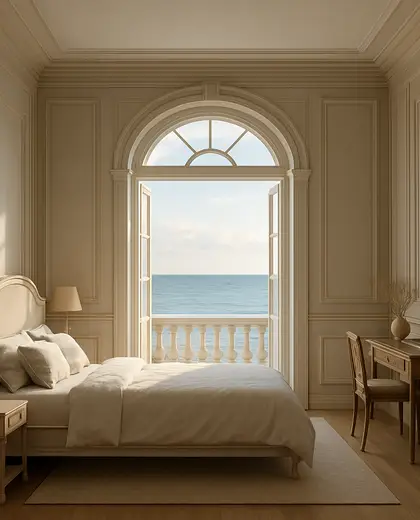

What exterior features make a building read as neoclassical?
Look for a centered composition, evenly spaced windows, columned entries or pilasters, cornices, and formal rooflines or pediments.
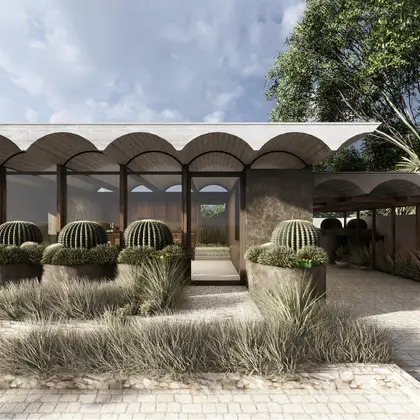
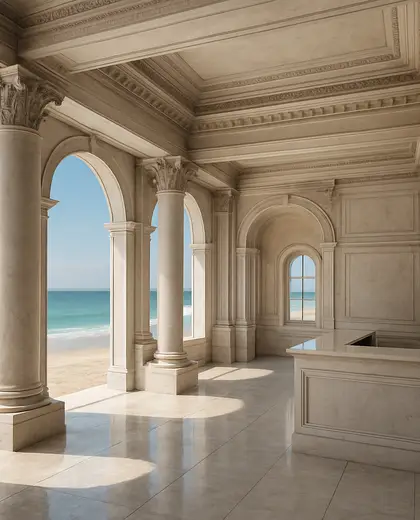
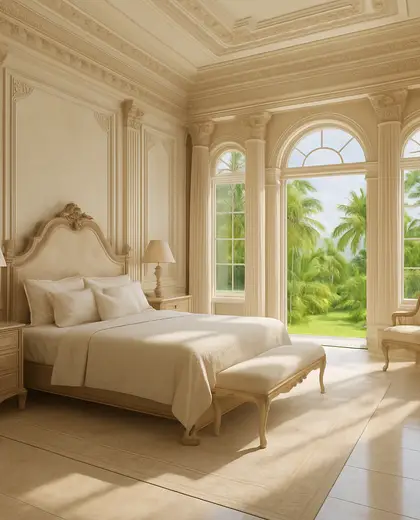
Does this style always need expensive stone finishes?
No. It can be expressed with stucco, fiber-cement trim, cast elements, or painted wood, as long as the proportions and detailing stay disciplined.
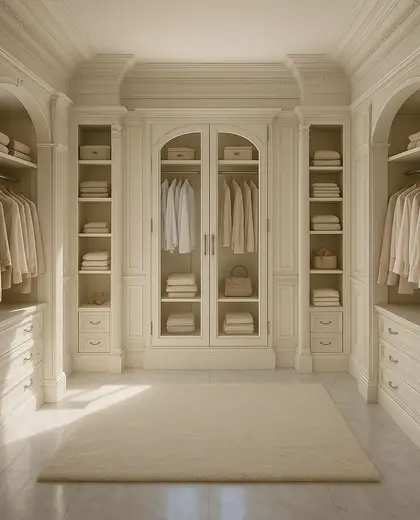
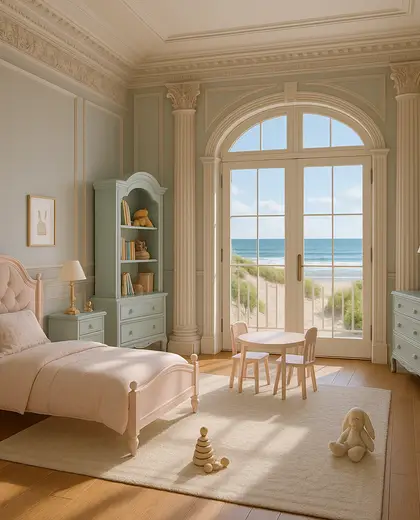
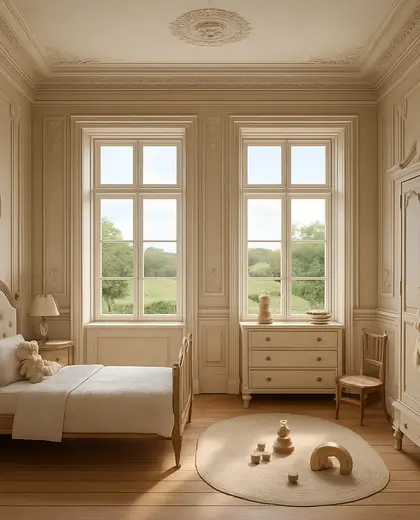
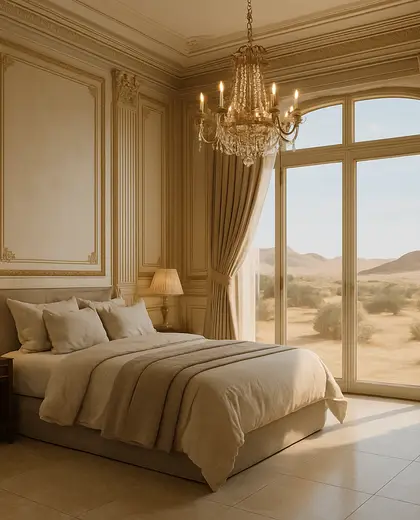
— The style
What defines it
Stone, stucco, plaster, painted wood, and sometimes metal detailing for railings or lanterns.
Light neutrals dominate: white, ivory, cream, pale gray, taupe, and understated charcoal accents.
Modern structural planning, larger glazed openings, cleaner interiors, and simplified classical ornament.
— Professionals
Who has already built it
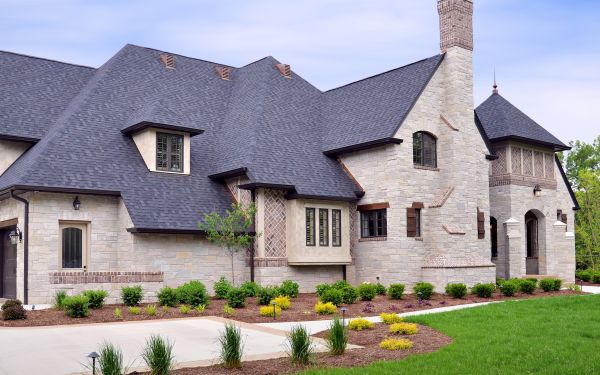



- annilee b watermanarchitects · Wylie · 5 projectsView profile →
- Karavaan Homefurniture sellers · High Point · 4 projectsView profile →
- roland a arriaga architecarchitects · 1 projectsView profile →
— Explore
Keep exploring
— Questions
Frequently asked questions
Is neoclassical suitable for a new house or only for restoration?
It works for both. New homes can use neoclassical proportions and detailing, while restorations often keep the original symmetry and refine damaged classical elements.
What exterior features make a building read as neoclassical?
Look for a centered composition, evenly spaced windows, columned entries or pilasters, cornices, and formal rooflines or pediments.
Does this style always need expensive stone finishes?
No. It can be expressed with stucco, fiber-cement trim, cast elements, or painted wood, as long as the proportions and detailing stay disciplined.