— Ideas & inspiration
Building at the edge of the desert
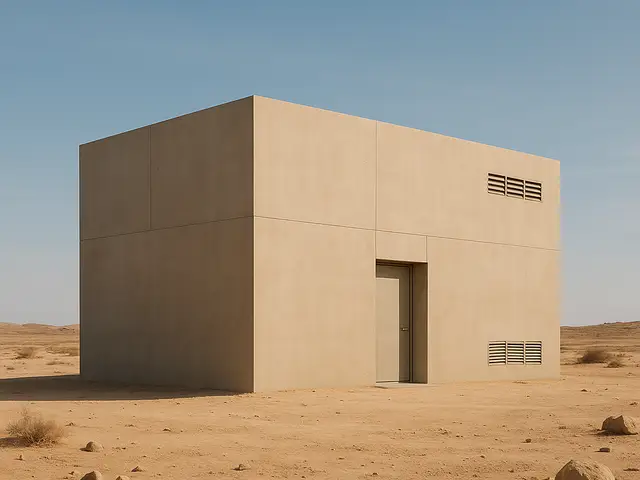
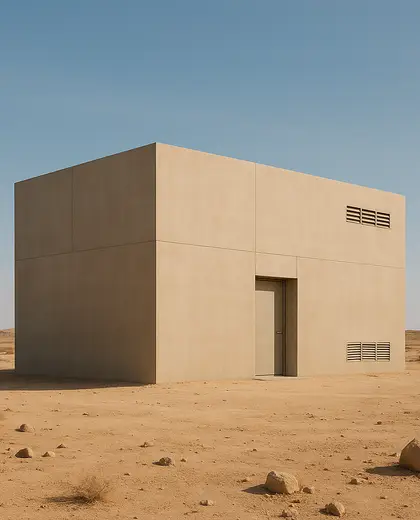
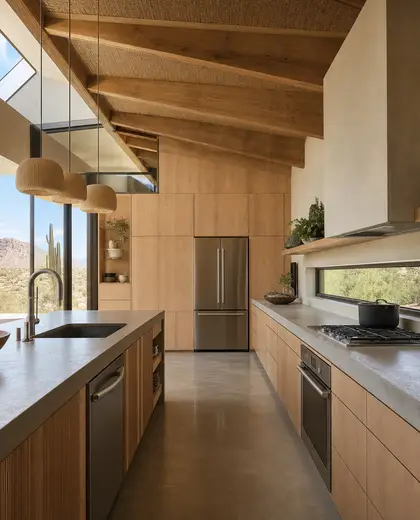
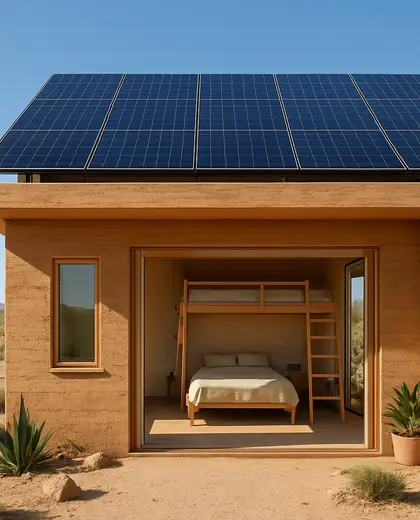
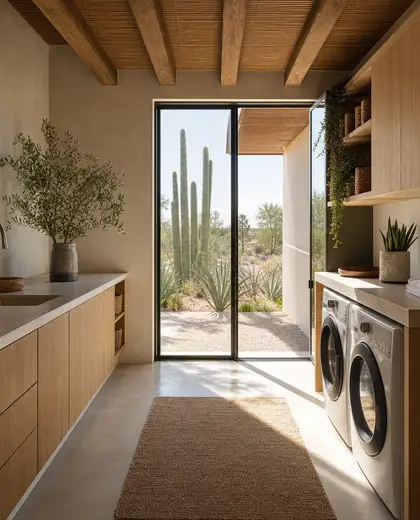
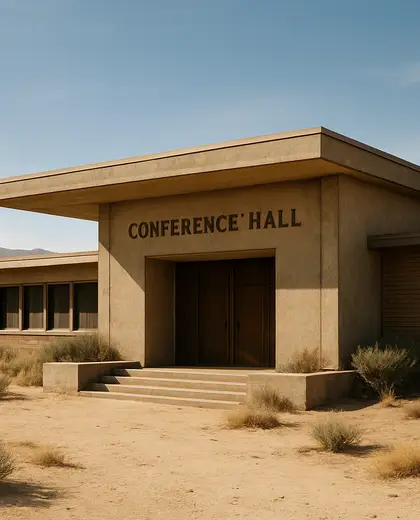
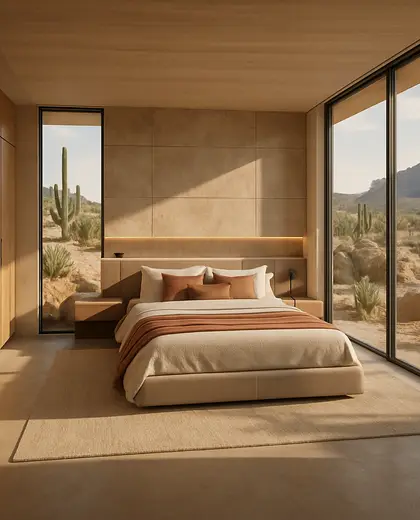
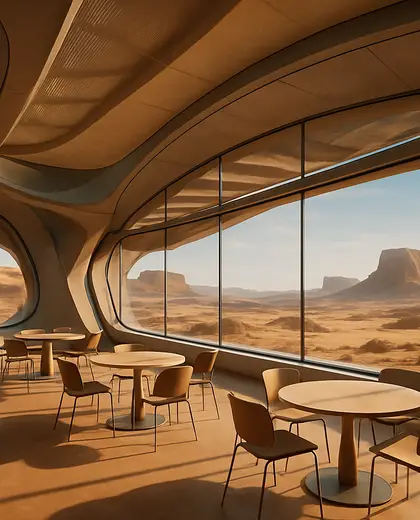
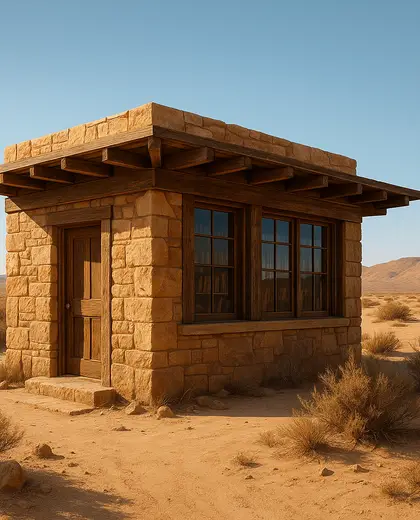
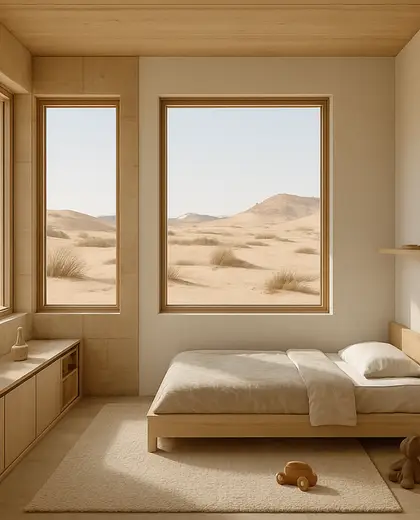
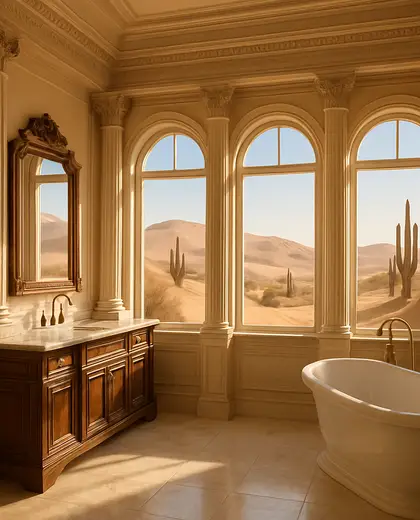
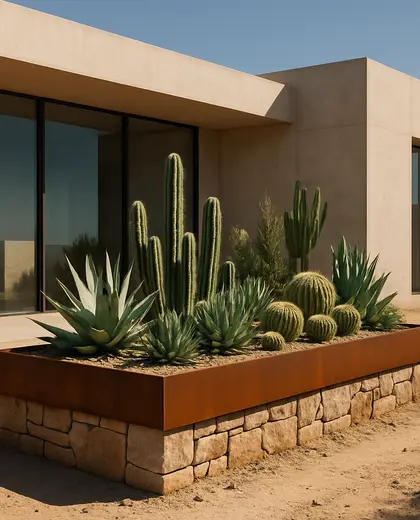
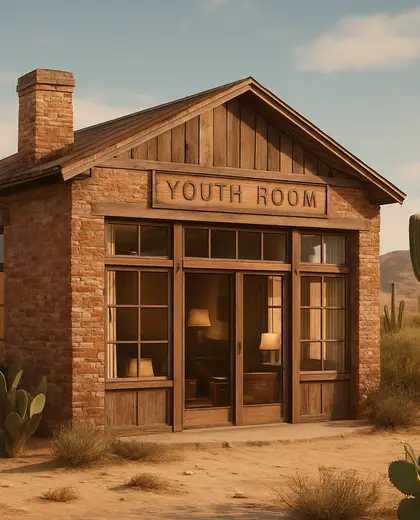
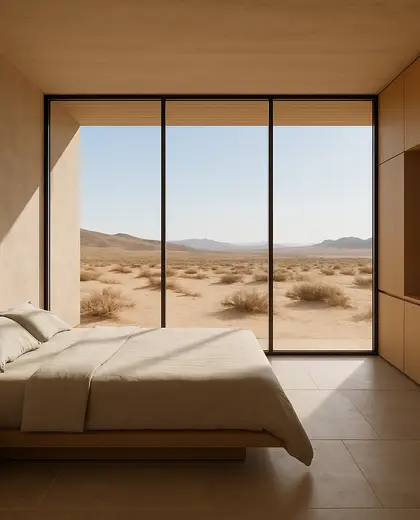
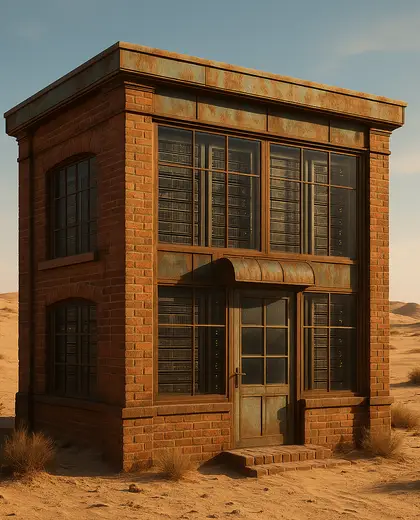
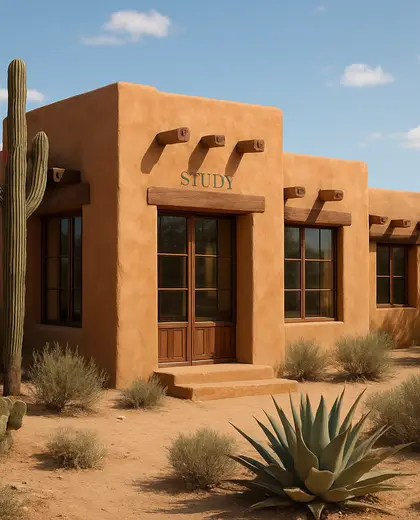
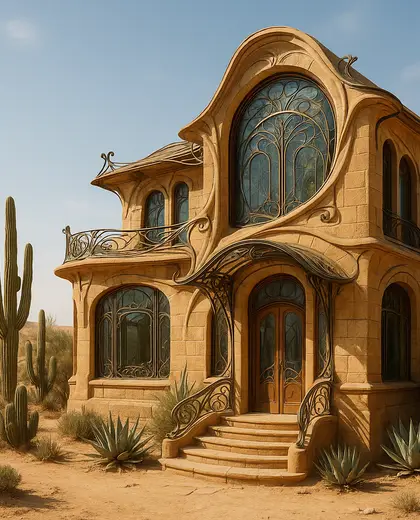
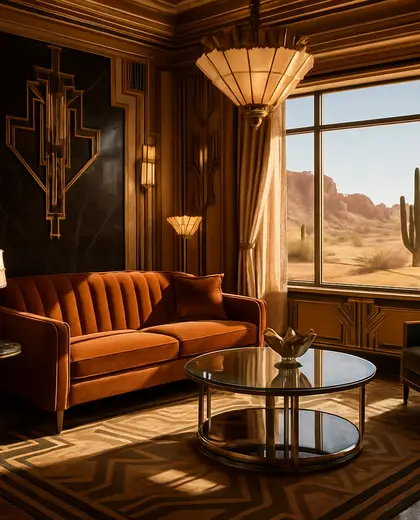
This composition is defined by low, grounded volumes, thick walls, and materials that age well in intense sun. Think stone, rammed earth, stucco, shaded openings, and deep overhangs in a palette of sand, clay, ochre, and muted neutrals. It combines thermal mass, wind protection, and outdoor living spaces that stay usable in hot, dry conditions.
- building
- desert
— References
References to explore
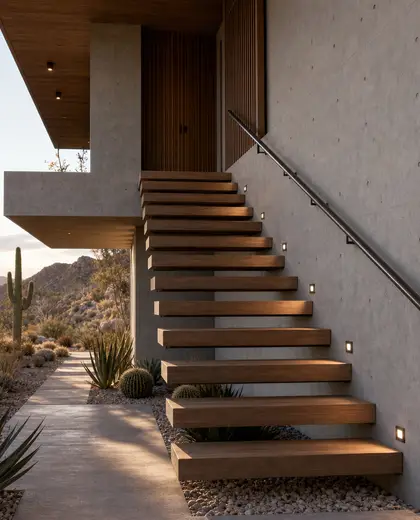
What makes a desert building feel appropriate to the site?
A strong connection to shade, thermal mass, and a restrained palette usually makes it feel grounded in the landscape rather than placed on top of it.
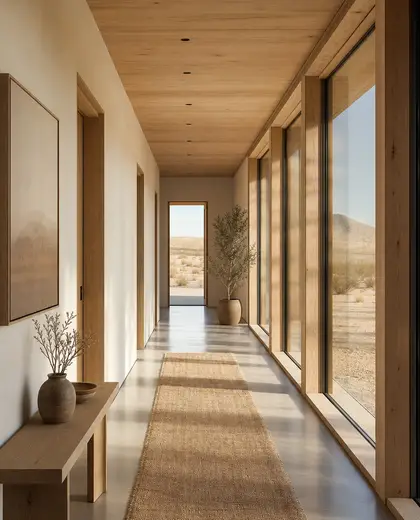
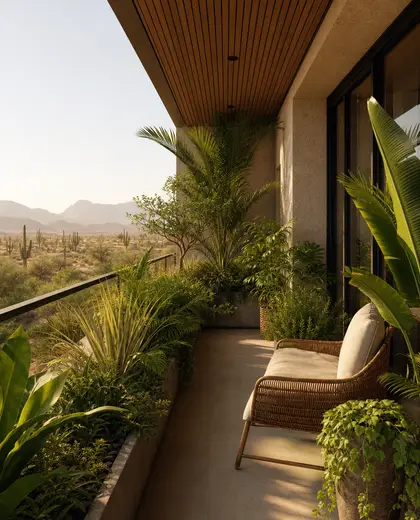
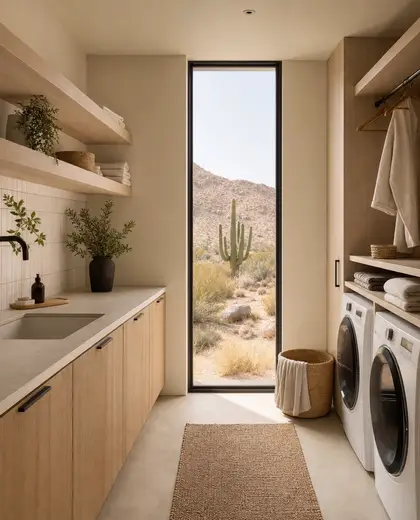
Which materials work best in a desert climate?
Materials that resist glare and heat, such as stucco, stone, concrete, rammed earth, and treated timber, are commonly used because they perform well and weather naturally.
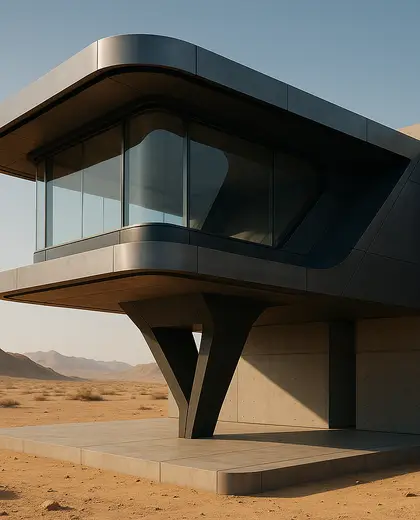
Can a desert building still feel modern?
Yes. Clean lines, large shaded openings, and simple volumes can feel very contemporary while still responding to the climate with courtyards, overhangs, and muted finishes.
— The style
What defines it
Rammed earth, stone, stucco, concrete, timber, and weathered metal are common because they handle heat and dust well.
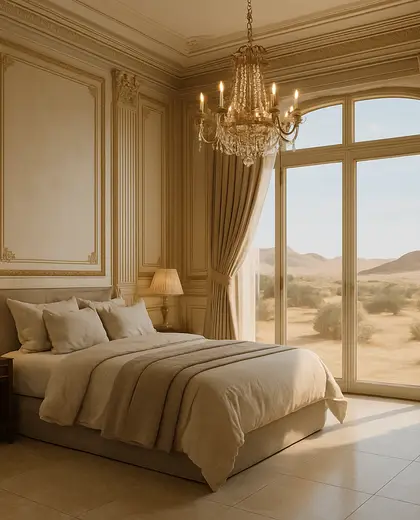
Sand, beige, clay, terracotta, warm gray, and sun-faded neutrals create a calm, mineral look.
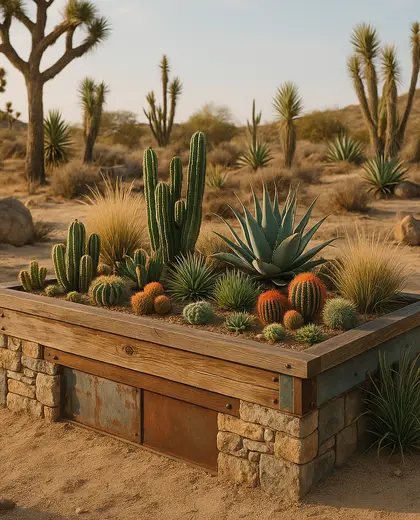
Deep shade, courtyards, screened openings, covered terraces, and drought-tolerant planting.
— Professionals
Who has already built it
- roland a arriaga architecarchitects · 8 projectsView profile →
- pfuner designinterior designers · 11 projectsView profile →
- Karavaan Homefurniture sellers · High Point · 4 projectsView profile →
- jacob galleslandscape designers · 6 projectsView profile →
— Explore
Keep exploring
— Questions
Frequently asked questions
What makes a desert building feel appropriate to the site?
A strong connection to shade, thermal mass, and a restrained palette usually makes it feel grounded in the landscape rather than placed on top of it.
Which materials work best in a desert climate?
Materials that resist glare and heat, such as stucco, stone, concrete, rammed earth, and treated timber, are commonly used because they perform well and weather naturally.
Can a desert building still feel modern?
Yes. Clean lines, large shaded openings, and simple volumes can feel very contemporary while still responding to the climate with courtyards, overhangs, and muted finishes.