— Ideas & inspiration
Coastal Public Spaces With Salt-Resistant Detail
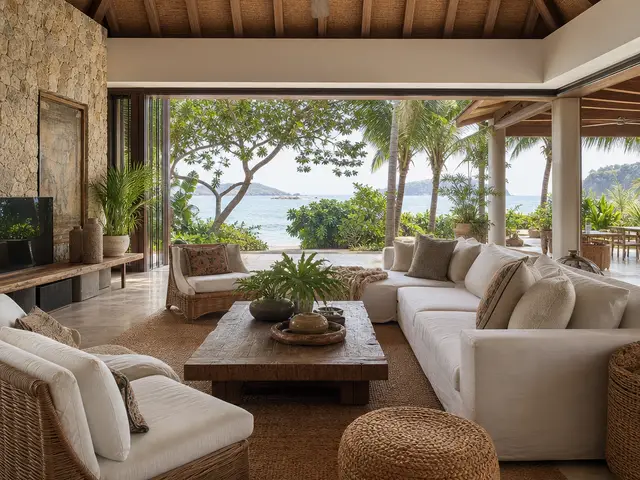
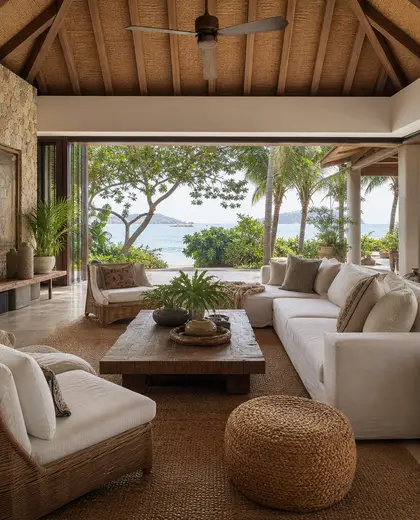
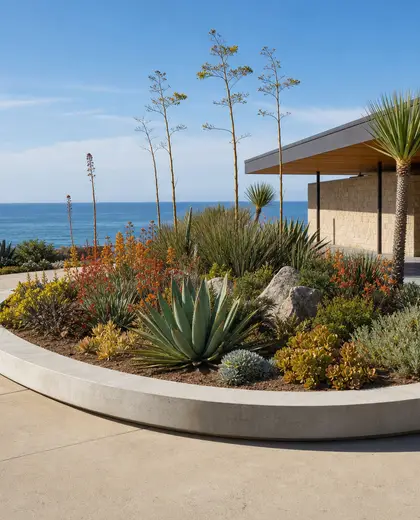
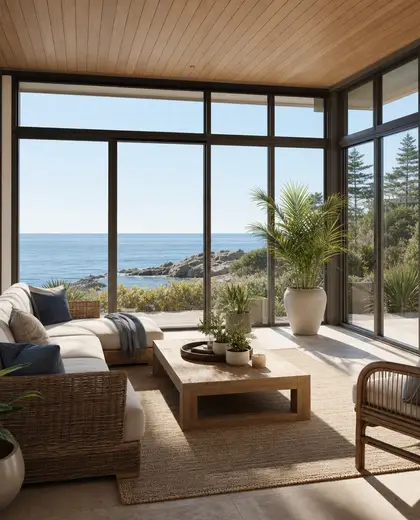
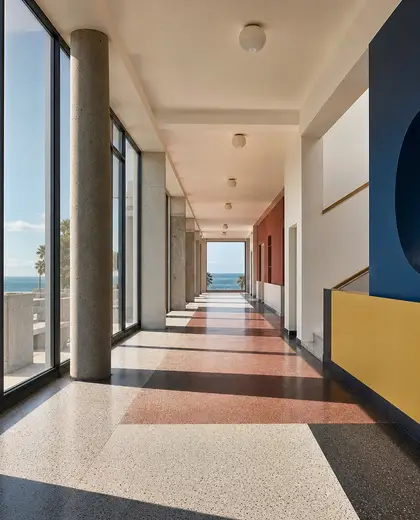
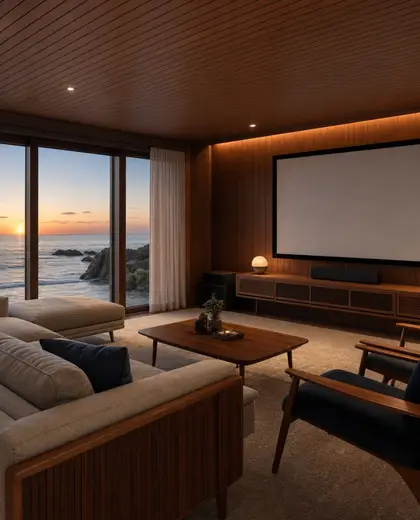
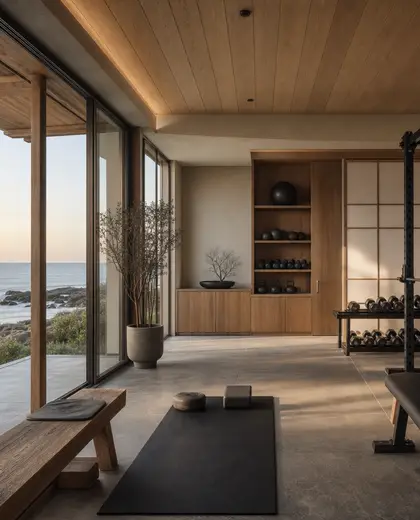
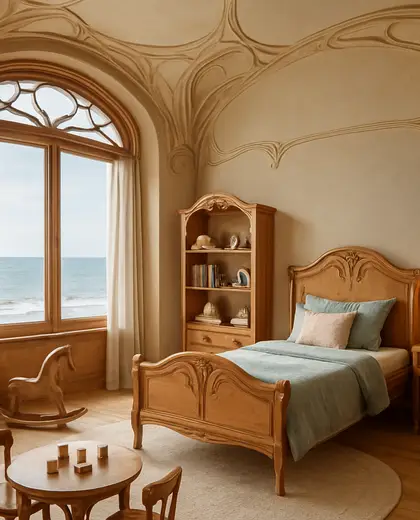
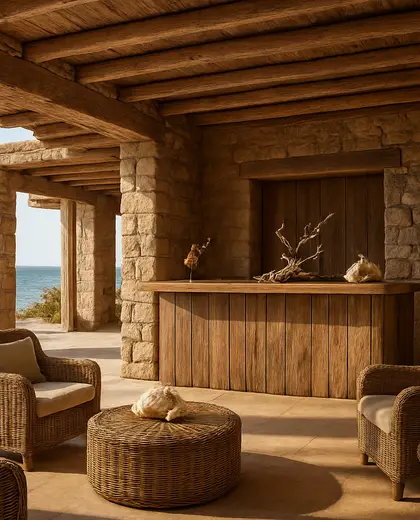
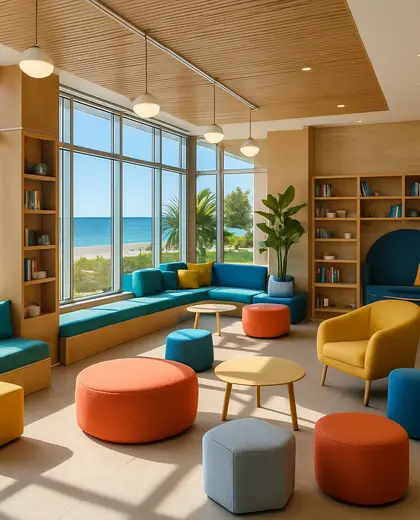
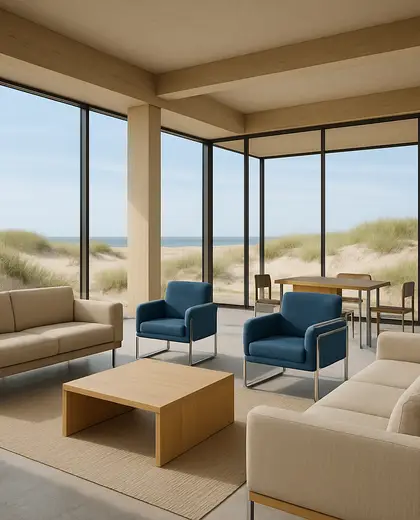
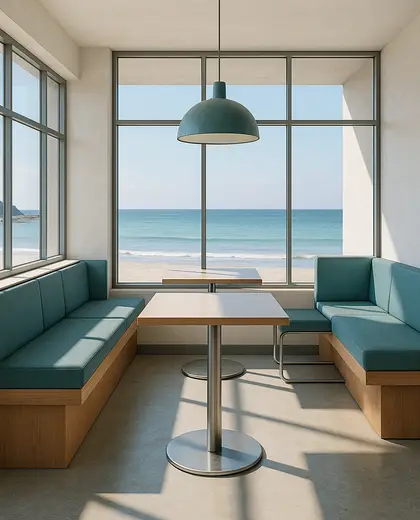
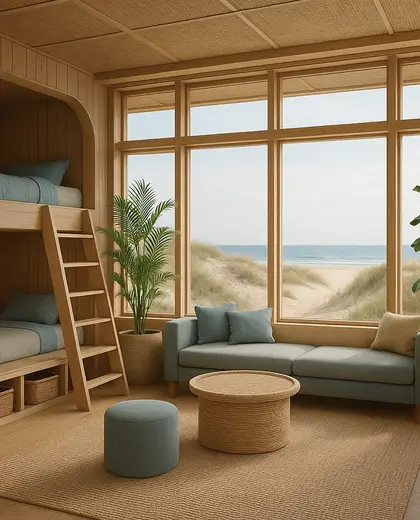
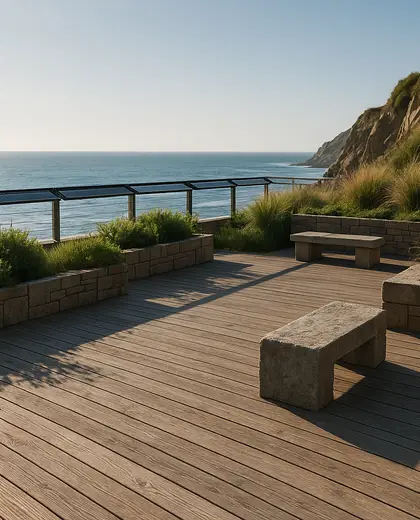
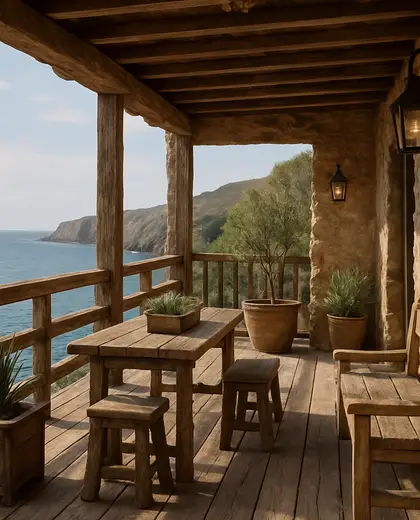
This composition is defined by durable, weather-tolerant materials such as concrete, stone, timber, and metal with marine-grade finishes. The palette stays light and natural, often using sand, off-white, pale gray, weathered wood, and muted blue-green accents. Open circulation, shaded edges, seating steps, and wind-aware planting are key elements that make the space work by the coast.
- public space
- coastal
— References
References to explore
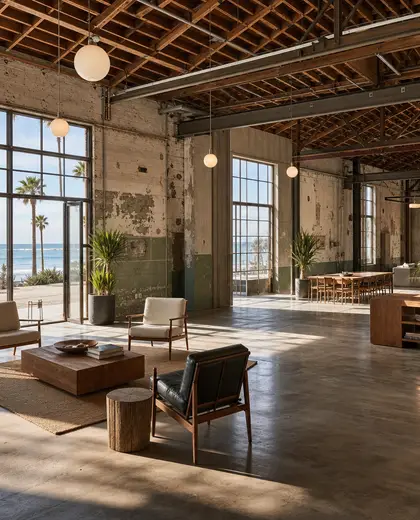
What makes a coastal public space different from a regular plaza or park?
It has to respond to wind, salt spray, glare, and occasional flooding, so the layout and materials are chosen for exposure as well as use.
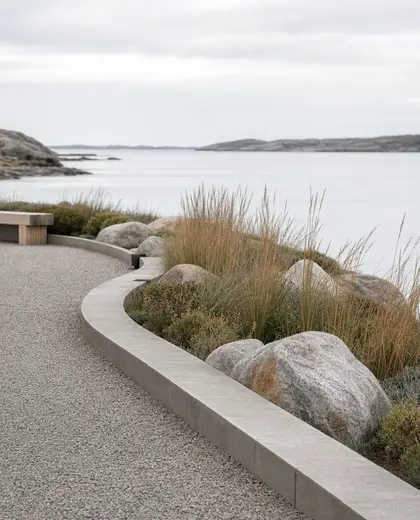
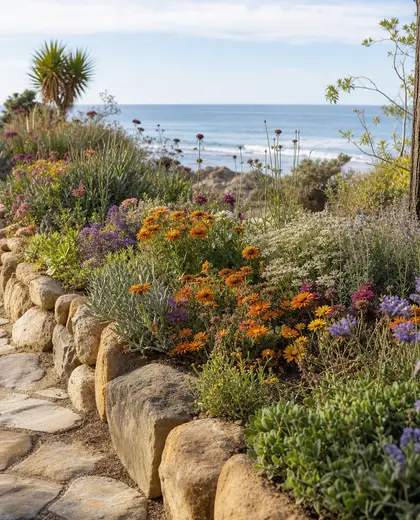
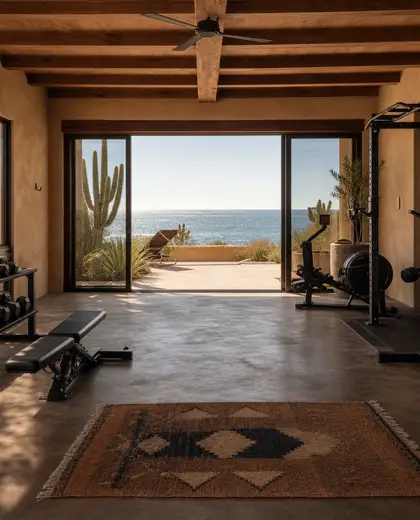
Which materials hold up best near the sea?
Dense stone, good-quality concrete, treated hardwoods, and corrosion-resistant metals are common choices because they age better in salty air.
How can a homeowner use this look without making it feel too institutional?
Keep the structure simple but soften it with planting, textured surfaces, timber seating, and a restrained coastal palette.
— The style
What defines it
Concrete, natural stone, treated timber, stainless steel, and other salt-resistant finishes.
Soft neutrals inspired by sand, foam, driftwood, and sea light: white, beige, gray, and muted blue tones.
Public plazas, promenades, waterfront paths, seating terraces, and civic gathering areas.
— Professionals
Who has already built it
- pfuner designinterior designers · 11 projectsView profile →
- annilee b watermanarchitects · Wylie · 6 projectsView profile →
- Karavaan Homefurniture sellers · High Point · 4 projectsView profile →
- jacob galleslandscape designers · 6 projectsView profile →
— Questions
Frequently asked questions
What makes a coastal public space different from a regular plaza or park?
It has to respond to wind, salt spray, glare, and occasional flooding, so the layout and materials are chosen for exposure as well as use.
Which materials hold up best near the sea?
Dense stone, good-quality concrete, treated hardwoods, and corrosion-resistant metals are common choices because they age better in salty air.
How can a homeowner use this look without making it feel too institutional?
Keep the structure simple but soften it with planting, textured surfaces, timber seating, and a restrained coastal palette.