— Ideas & inspiration
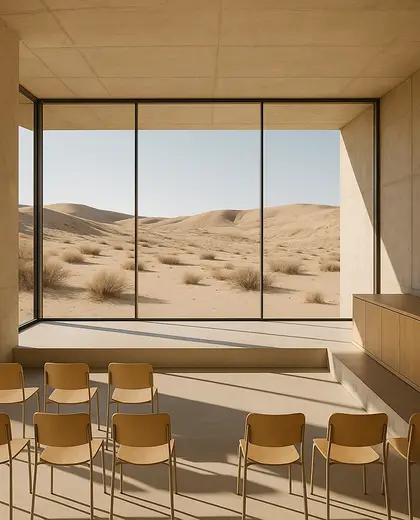
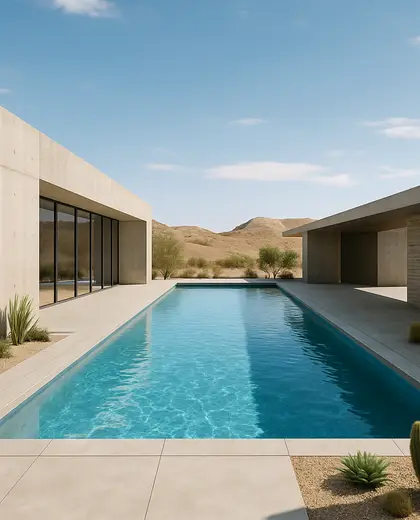
Public spaces shaped by desert light
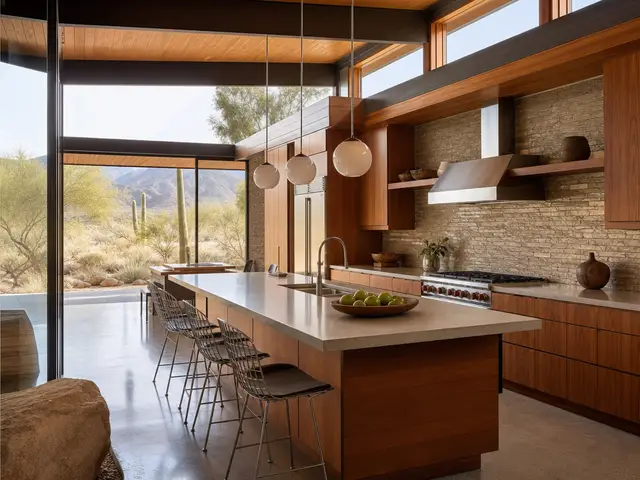
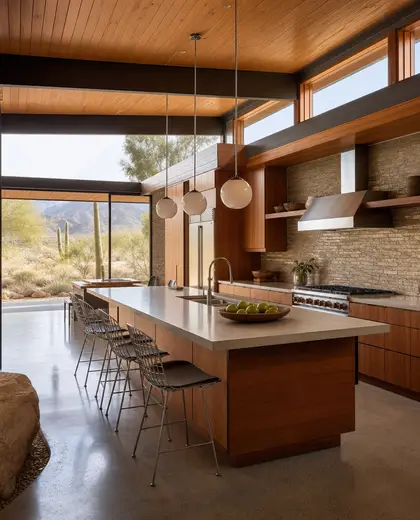
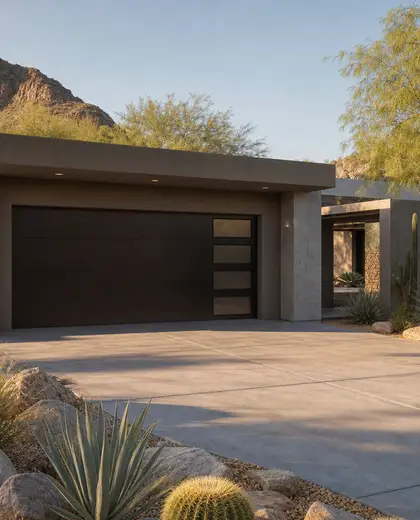
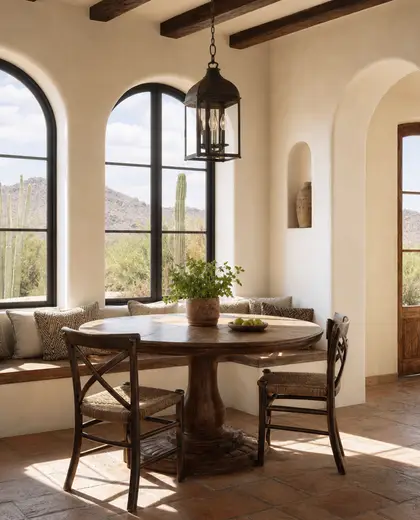
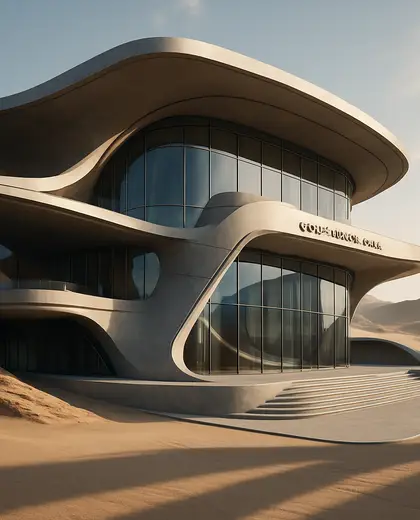
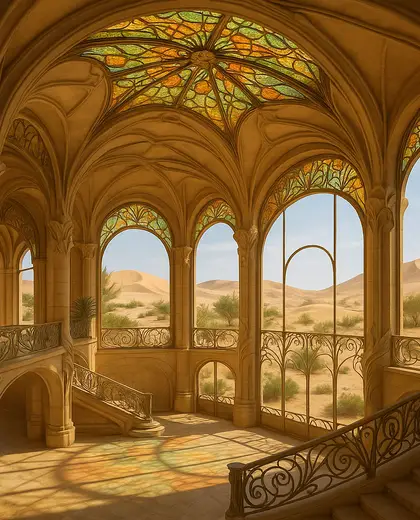
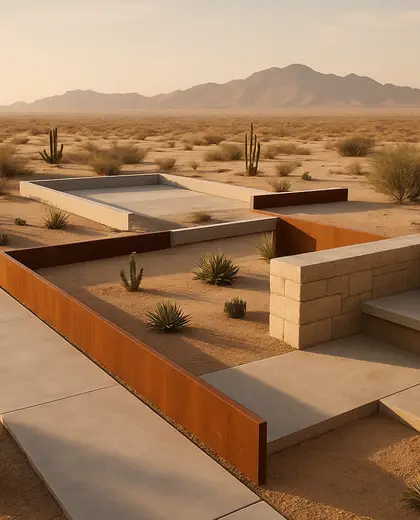
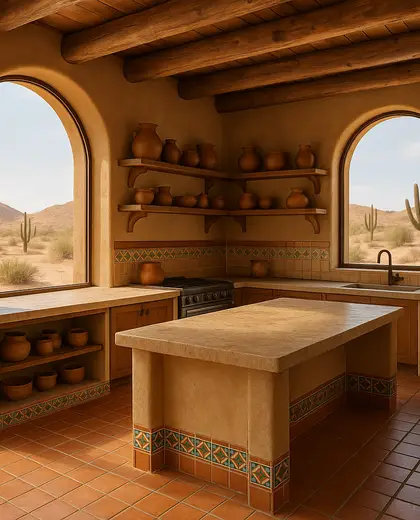
This composition is defined by heat-tolerant materials, shaded circulation, and durable hardscaping that can handle intense sun and dry air. Typical elements include stone, concrete, rammed earth, metal screens, pergolas, and low-water planting, all arranged to create cool gathering areas and clear transitions between open ground and shelter. The look is sparse, tactile, and grounded, with strong shadows doing much of the visual work.
- public space
- desert
— References
References to explore
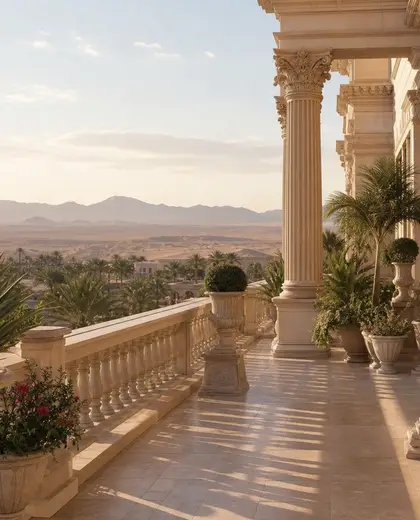
How do you make a public space work in a desert climate?
Use shade, airflow, and thermal mass to reduce heat build-up. Pair hard-wearing paving with covered seating, planting in protected pockets, and surfaces that stay visually calm in strong sun.
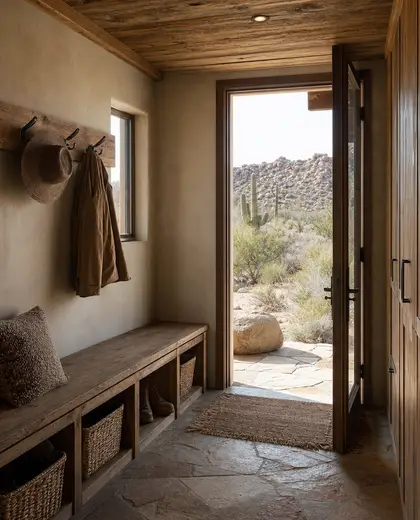
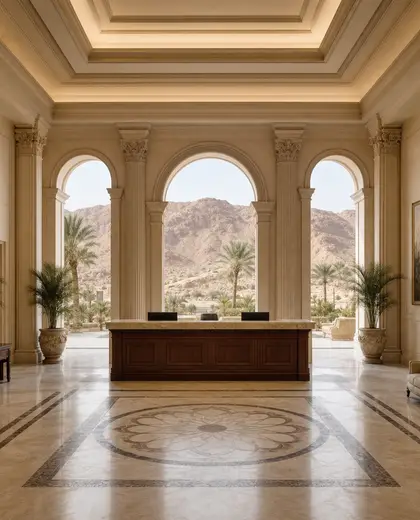
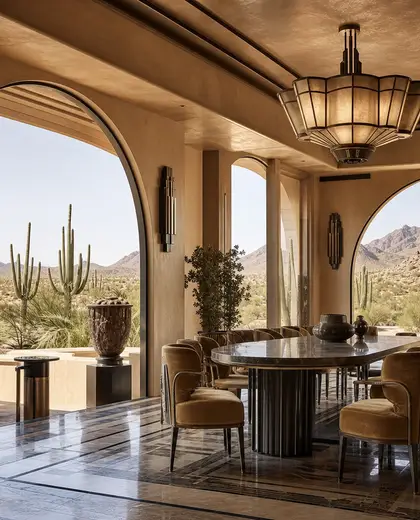
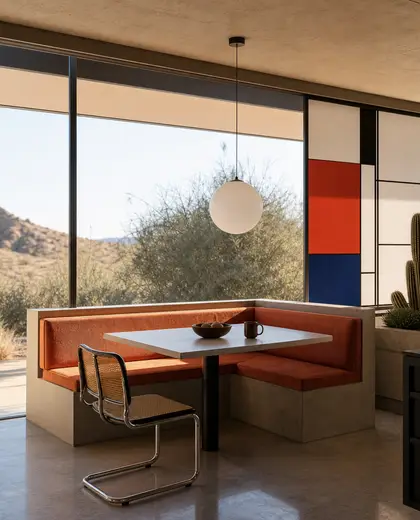
What materials age well in desert conditions?
Materials with low maintenance and heat resistance tend to perform best, such as stone, concrete, rammed earth, and treated metal. Finishes should be selected for UV exposure, sand, and wide temperature swings.
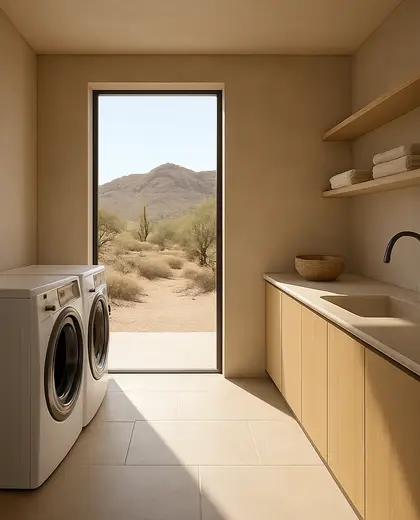
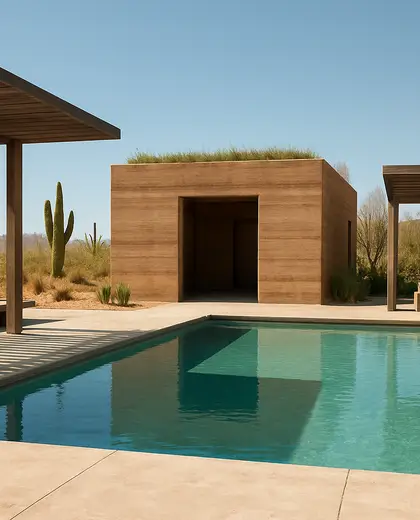
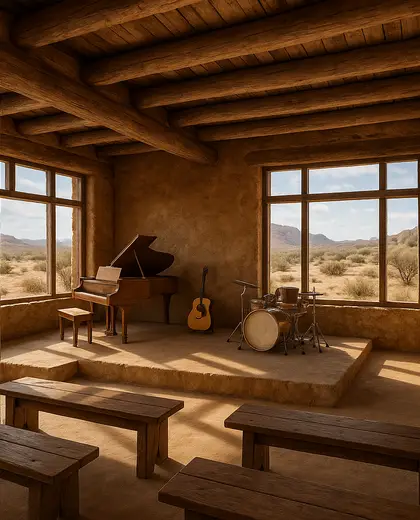
What should the landscape include?
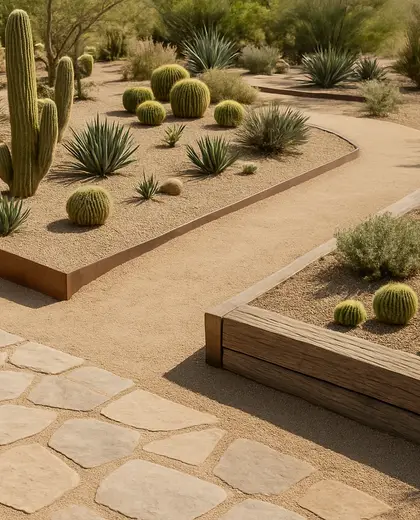
Choose drought-tolerant native or adapted plants, limited turf, and planting that provides shade without demanding heavy irrigation. Gravel, mineral mulch, and water-conscious drainage help the space stay usable and sustainable.
— The style
What defines it
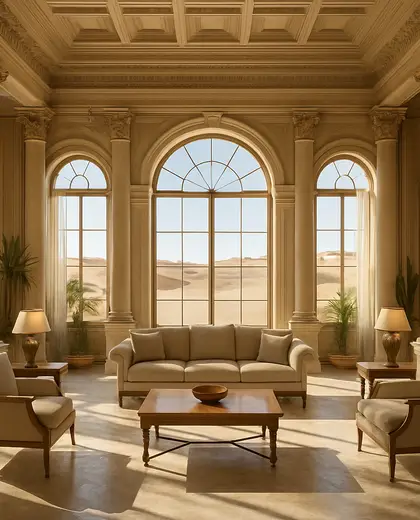
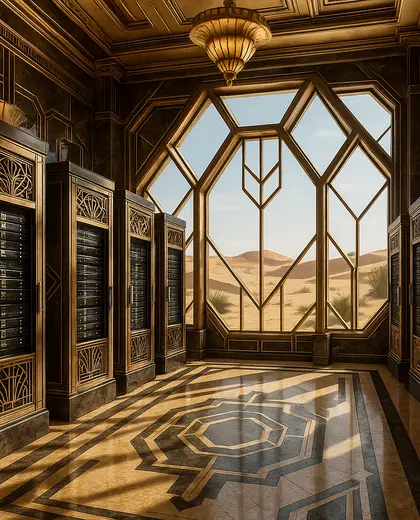
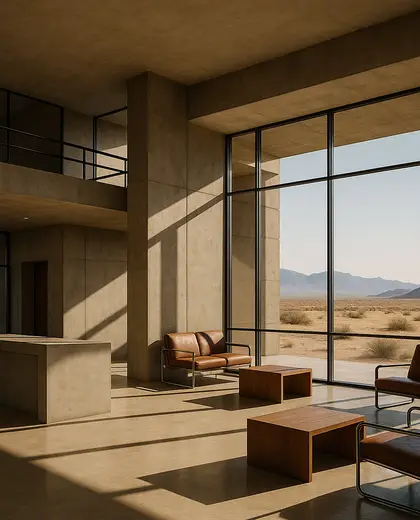
Stone, concrete, rammed earth, weathering steel, timber shading, and perforated metal are common for their durability and thermal performance.
Sandy beige, terracotta, sun-bleached gray, muted brown, and deep shadow tones keep the scheme quiet and climate-led.
Open plazas, courtyards, paths, seating edges, canopies, and drought-tolerant planting to support public use in arid settings.
— Professionals
Who has already built it
- john allegrettiarchitects · 6 projectsView profile →
- pfuner designinterior designers · 11 projectsView profile →
- Karavaan Homefurniture sellers · High Point · 4 projectsView profile →
- jacob galleslandscape designers · 6 projectsView profile →
— Questions
Frequently asked questions
How do you make a public space work in a desert climate?
Use shade, airflow, and thermal mass to reduce heat build-up. Pair hard-wearing paving with covered seating, planting in protected pockets, and surfaces that stay visually calm in strong sun.
What materials age well in desert conditions?
Materials with low maintenance and heat resistance tend to perform best, such as stone, concrete, rammed earth, and treated metal. Finishes should be selected for UV exposure, sand, and wide temperature swings.
What should the landscape include?
Choose drought-tolerant native or adapted plants, limited turf, and planting that provides shade without demanding heavy irrigation. Gravel, mineral mulch, and water-conscious drainage help the space stay usable and sustainable.