— Ideas & inspiration
Public space composition
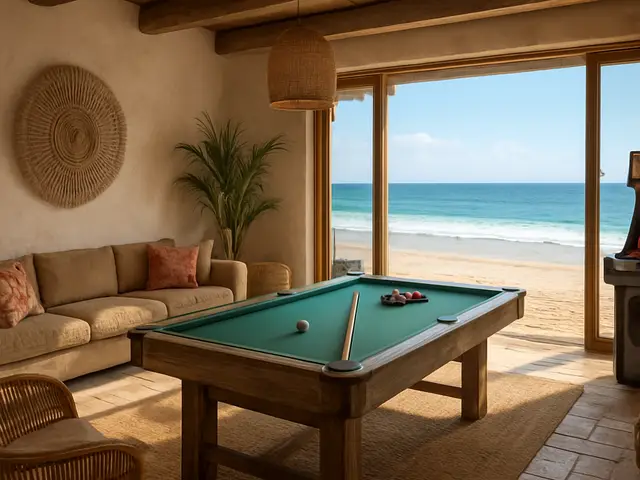
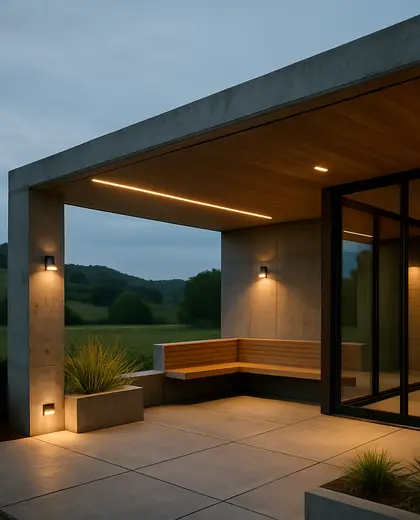
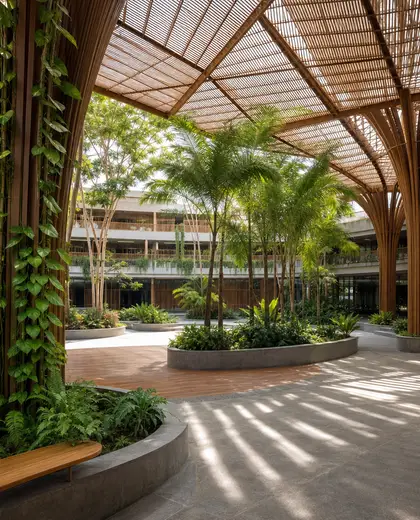
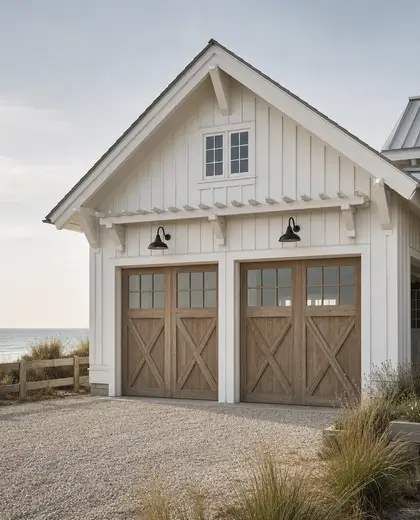
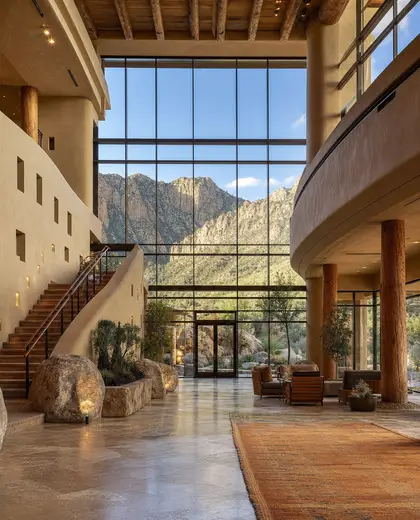
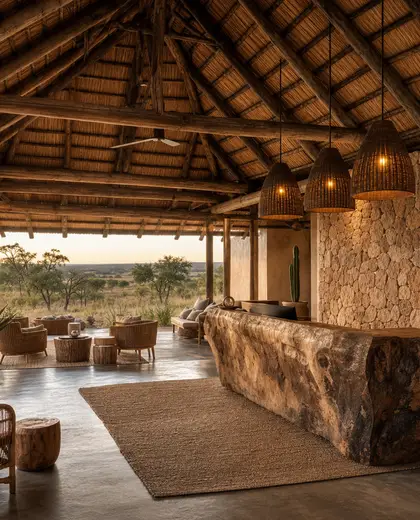
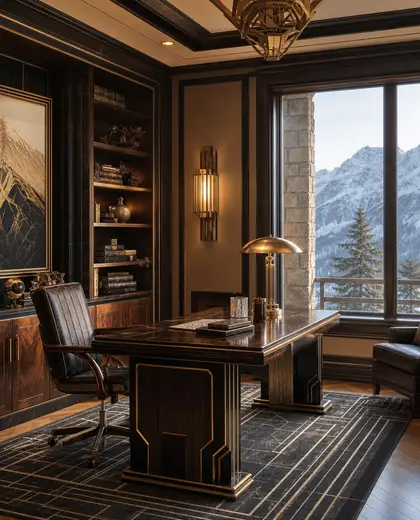
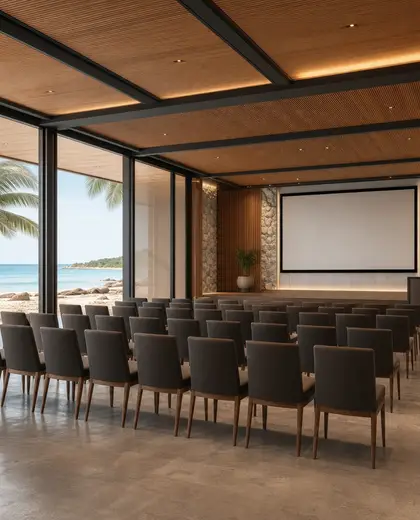
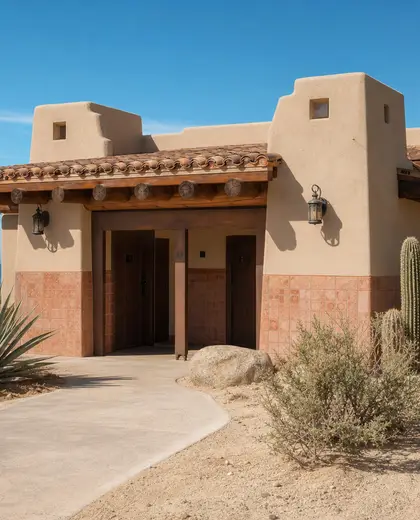
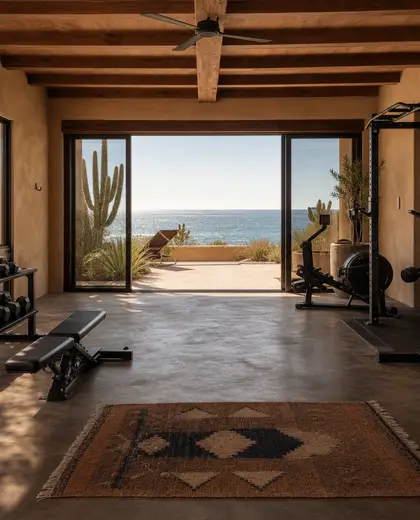
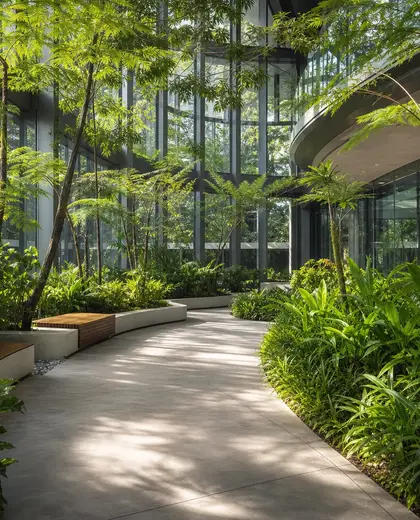
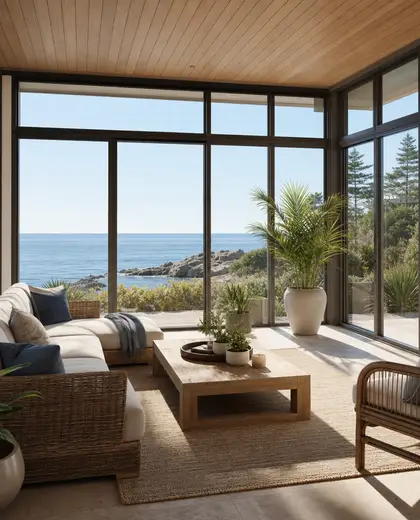
Public space composition is defined by durable, high-traffic materials such as stone, concrete, metal, glass, and treated wood. The palette is usually restrained and neutral, with gray, black, white, beige, and muted earth tones supporting strong circulation lines and clear zoning. It often includes benches, paving, lighting, planting, railings, and open seating elements that help organize movement and gathering.
- public space
— References
References to explore
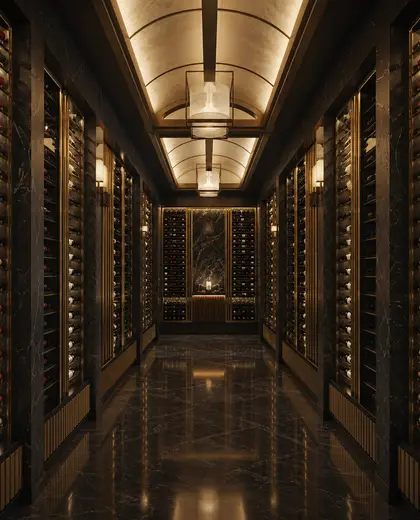
What makes a space feel public in design terms?
A public composition usually emphasizes openness, visibility, clear paths, and durable elements that support many users at once.
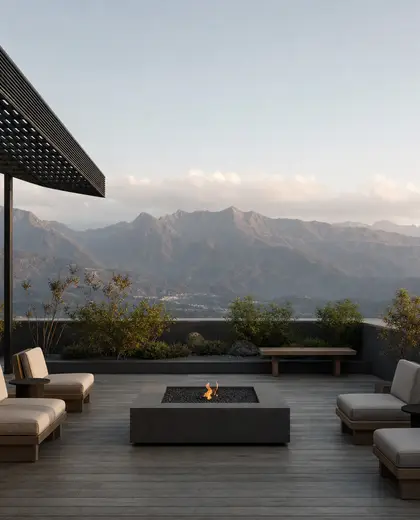
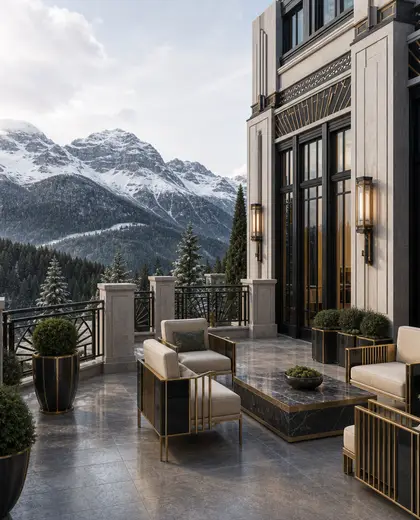
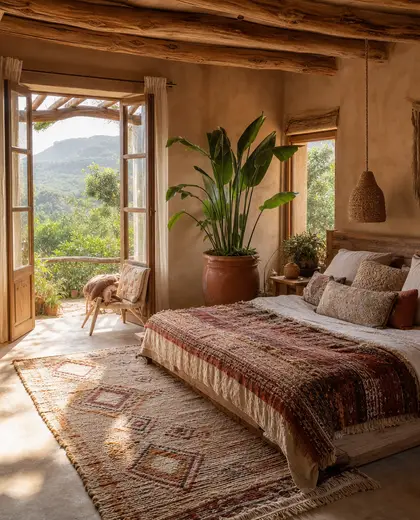
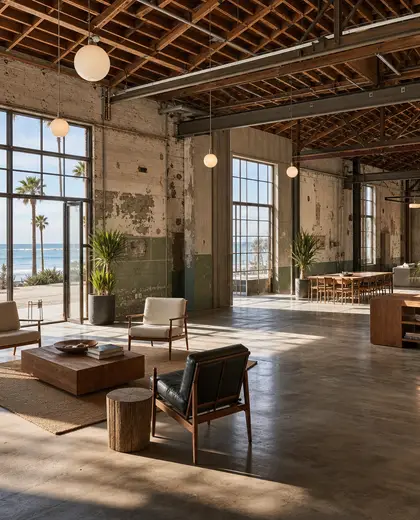
Can public spaces still feel warm and inviting?
Yes. Wood, planting, textured paving, and softer lighting can balance the harder structural materials without losing durability.
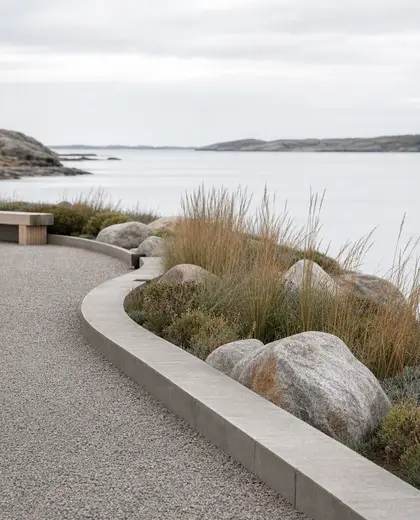
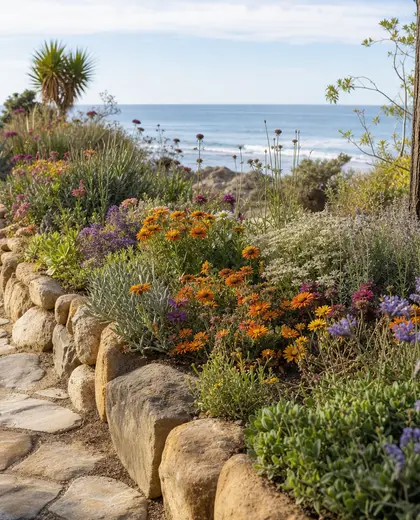
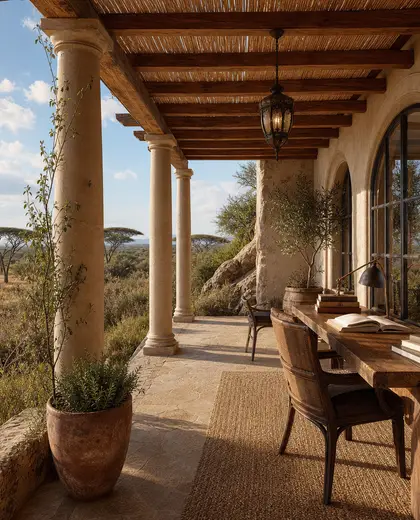
What should a homeowner consider if they want this look outdoors?
Focus on low-maintenance finishes, slip-resistant paving, weatherproof hardware, and a layout that keeps circulation simple and unobstructed.
— The style
What defines it
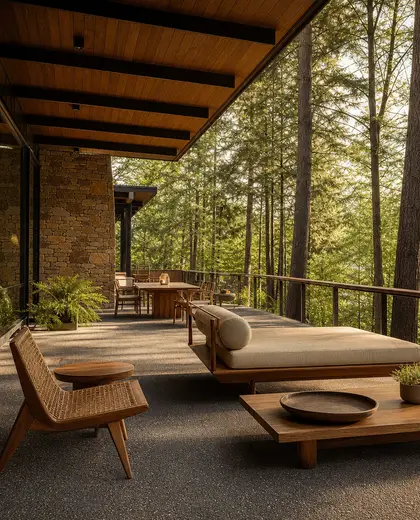
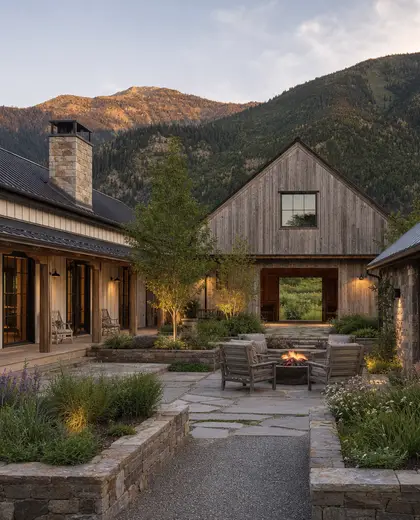
Stone, concrete, metal, glass, and weather-resistant wood are the most common choices because they handle heavy use and exposure.
Neutral and muted tones dominate, especially gray, black, white, sand, and charcoal, with greenery often used as the main accent.
It pairs well with minimalist furniture, linear lighting, public seating, planting beds, signage, and simple shade structures.
— Professionals
Who has already built it
- Karavaan Homefurniture sellers · High Point · 4 projectsView profile →
- todd verwers architectsarchitects · San Diego · 6 projectsView profile →
- jacob galleslandscape designers · 6 projectsView profile →
- pfuner designinterior designers · 11 projectsView profile →
— Questions
Frequently asked questions
What makes a space feel public in design terms?
A public composition usually emphasizes openness, visibility, clear paths, and durable elements that support many users at once.
Can public spaces still feel warm and inviting?
Yes. Wood, planting, textured paving, and softer lighting can balance the harder structural materials without losing durability.
What should a homeowner consider if they want this look outdoors?
Focus on low-maintenance finishes, slip-resistant paving, weatherproof hardware, and a layout that keeps circulation simple and unobstructed.