— Ideas & inspiration
Public spaces shaped by the beach
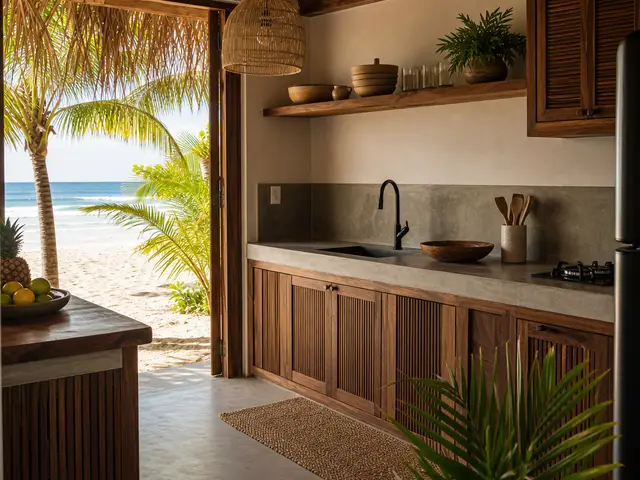
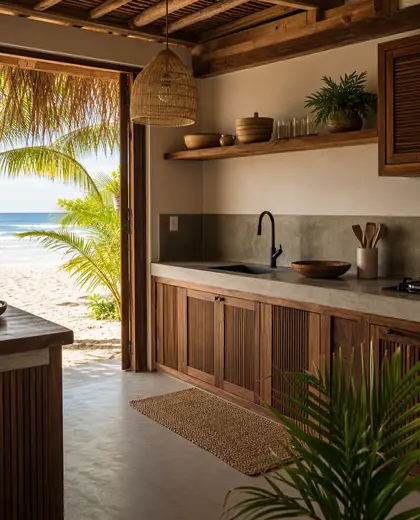
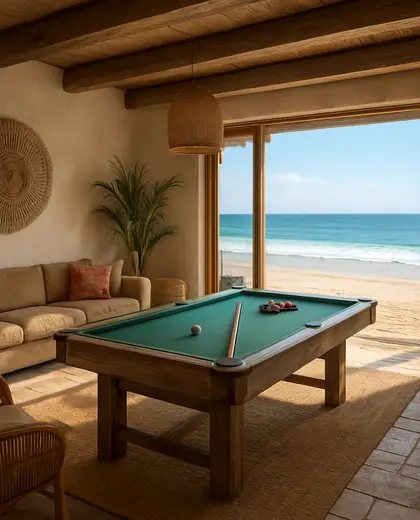
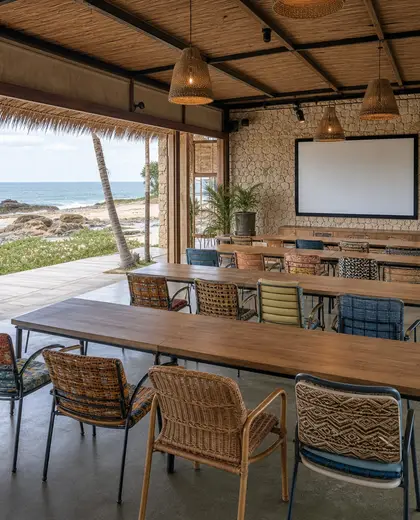
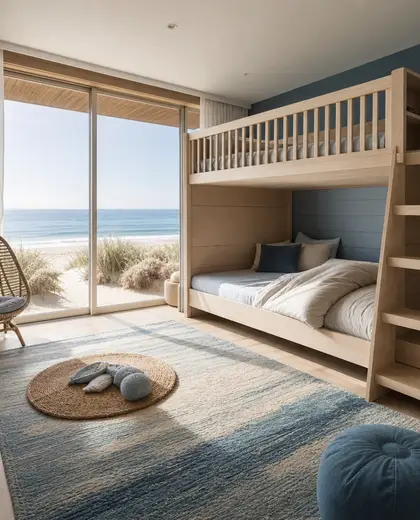
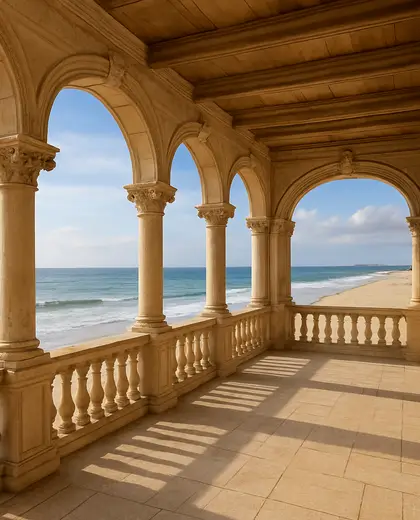
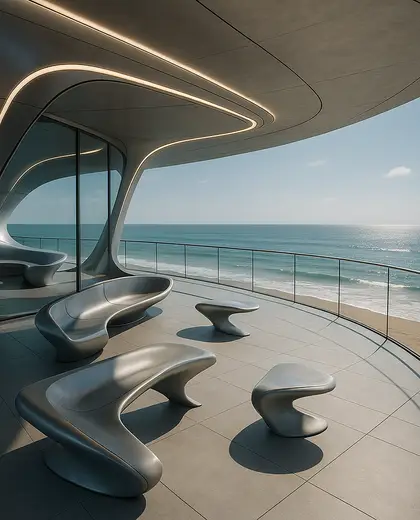
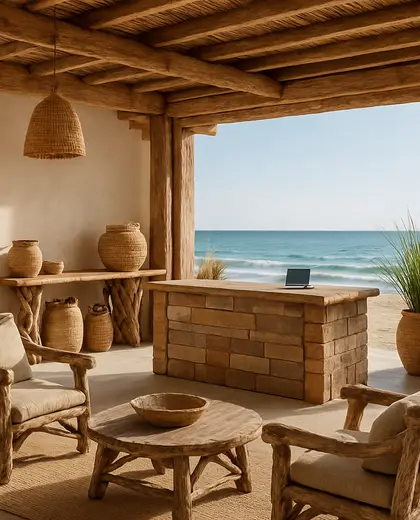
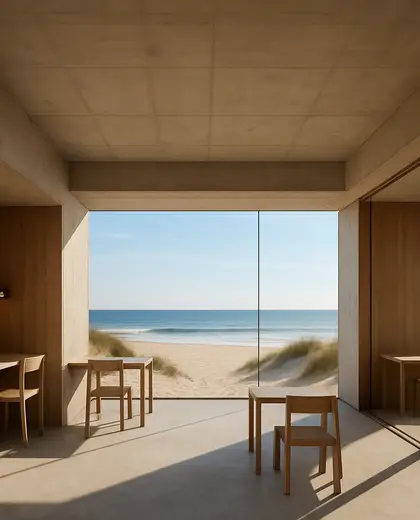
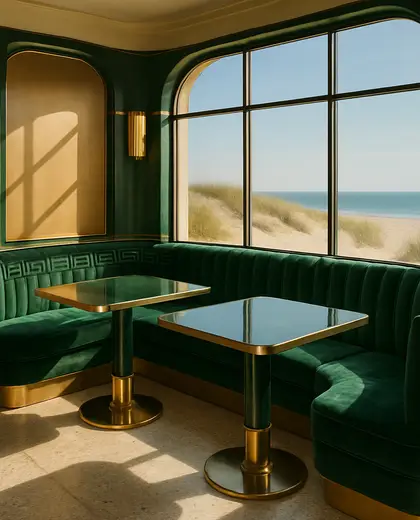
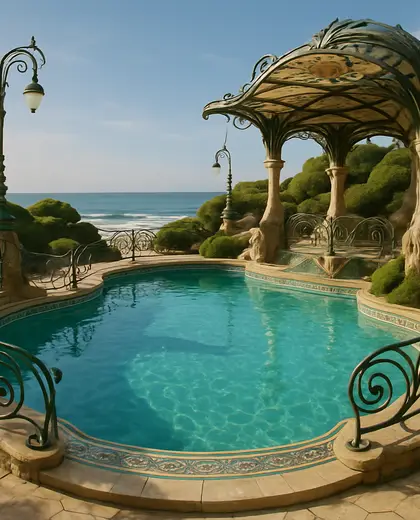
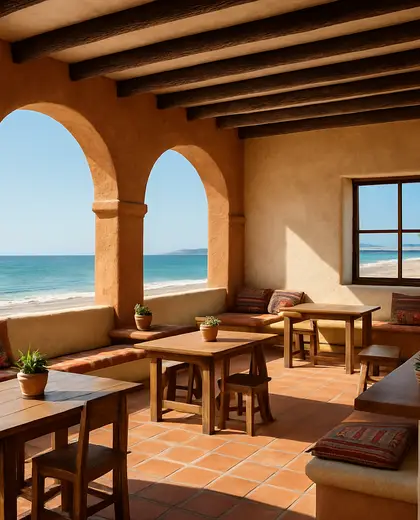
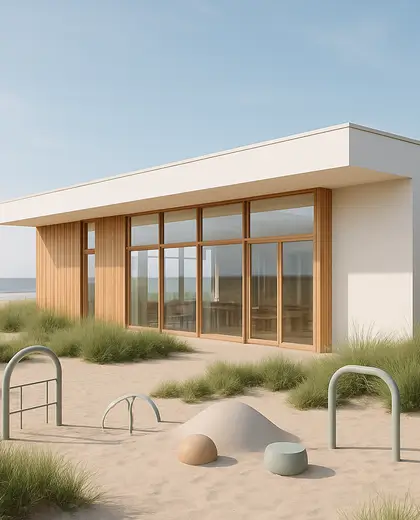
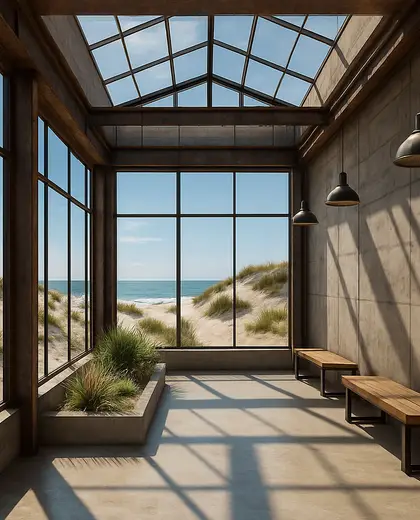
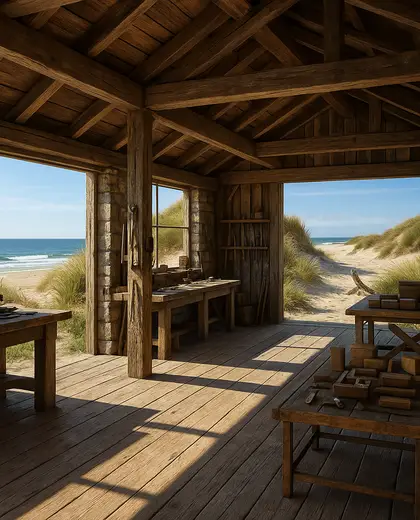
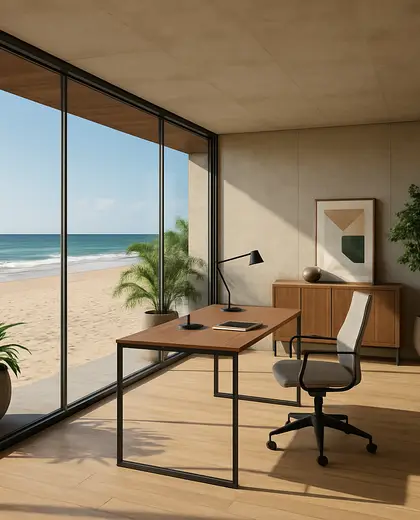
This composition is defined by weathered, coastal materials such as timber, concrete, stone, and metal that can handle salt, wind, and heavy use. The palette stays light and sun-faded, with sand, white, driftwood, and muted blue tones. Key elements often include open paving, seating edges, shade structures, dunes, boardwalk details, and resilient planting.
- public space
- beach
— References
References to explore
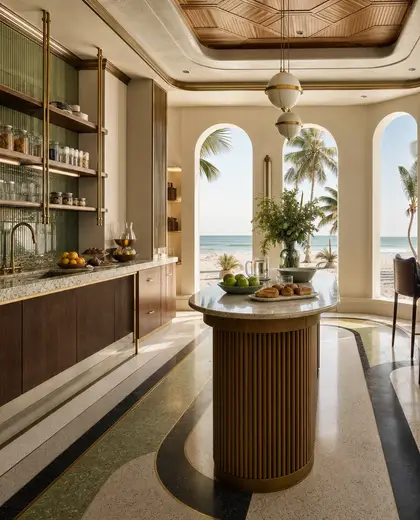
What makes a public space feel beach-like without looking themed?
Use durable coastal materials, low and open forms, and a restrained palette drawn from sand, stone, and weathered wood. The beach influence should come from texture, light, and exposure rather than decorative motifs.
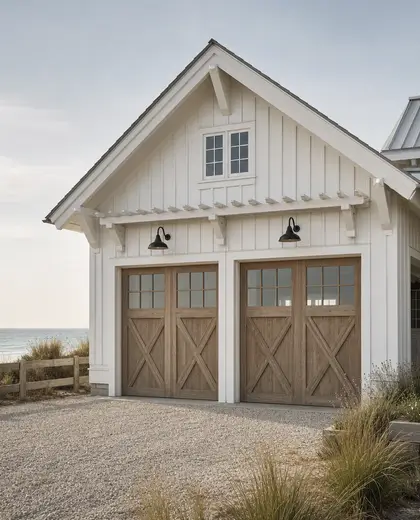
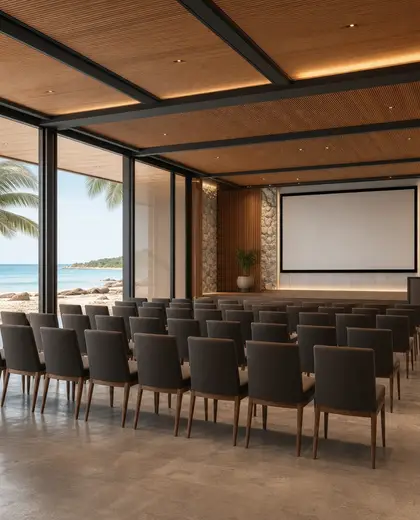
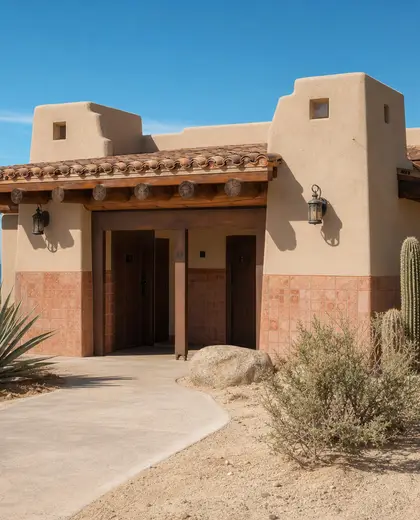
Which materials hold up best near the coast?
Concrete, stone, treated timber, stainless or galvanized metal, and non-slip exterior paving are common choices. Detailing matters too, especially drainage, fixings, and finishes that resist corrosion.
How can this composition work in a small civic space?
Keep the layout simple with clear paths, built-in benches, and a few strong shaded areas. A limited material and color palette helps the space feel open and calm even at a small scale.
— The style
What defines it
Weather-resistant timber, exposed concrete, natural stone, galvanized or powder-coated metal, and slip-resistant paving.
Sand, shell white, pale gray, driftwood brown, washed blue, and other muted coastal tones.
Open public circulation, seating, shade, boardwalks, dune edges, and salt-tolerant planting.
— Professionals
Who has already built it
- roland a arriaga architecarchitects · 8 projectsView profile →
- pfuner designinterior designers · 11 projectsView profile →
- Karavaan Homefurniture sellers · High Point · 4 projectsView profile →
- jacob galleslandscape designers · 6 projectsView profile →
— Questions
Frequently asked questions
What makes a public space feel beach-like without looking themed?
Use durable coastal materials, low and open forms, and a restrained palette drawn from sand, stone, and weathered wood. The beach influence should come from texture, light, and exposure rather than decorative motifs.
Which materials hold up best near the coast?
Concrete, stone, treated timber, stainless or galvanized metal, and non-slip exterior paving are common choices. Detailing matters too, especially drainage, fixings, and finishes that resist corrosion.
How can this composition work in a small civic space?
Keep the layout simple with clear paths, built-in benches, and a few strong shaded areas. A limited material and color palette helps the space feel open and calm even at a small scale.