— Ideas & inspiration
Public space shaped by the city
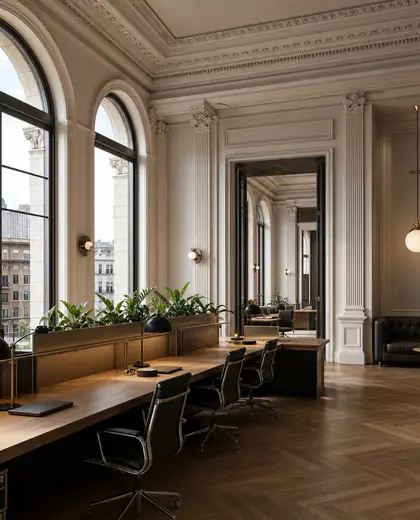
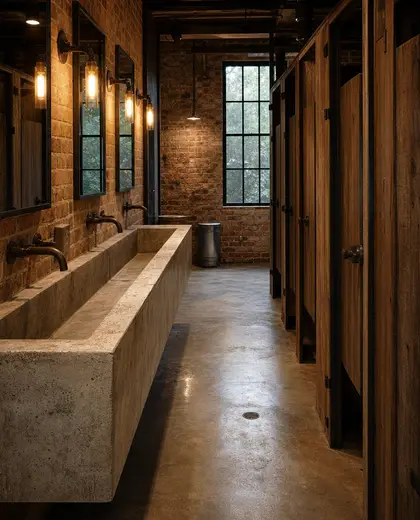
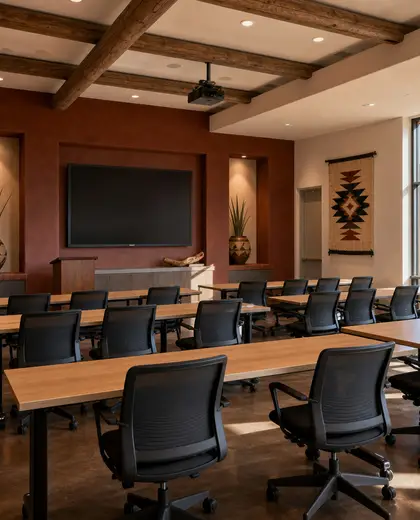
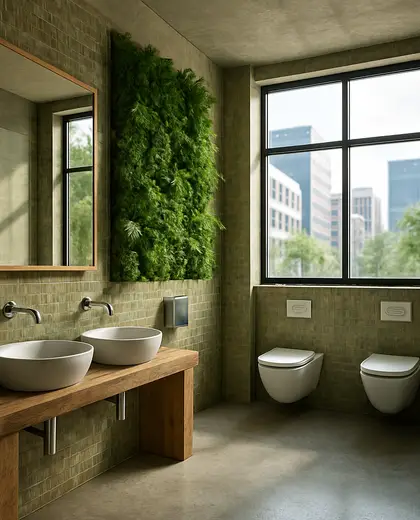
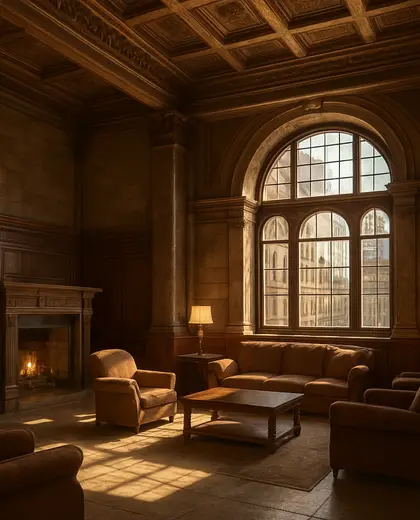
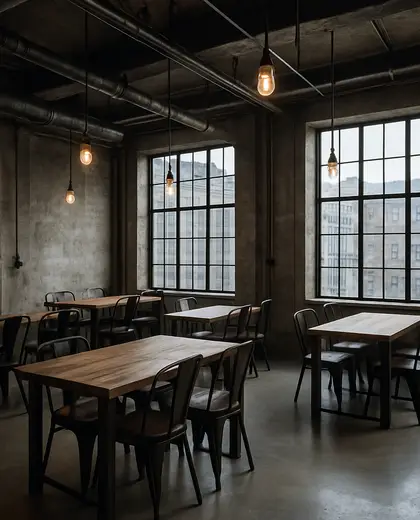
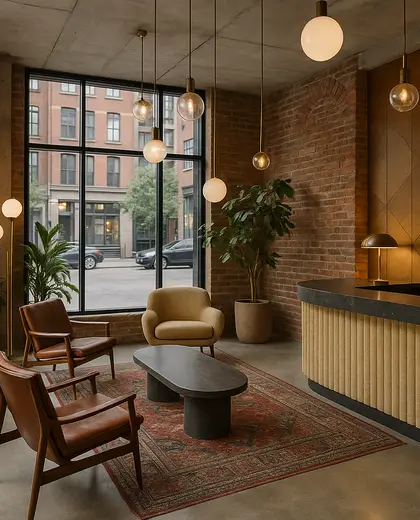
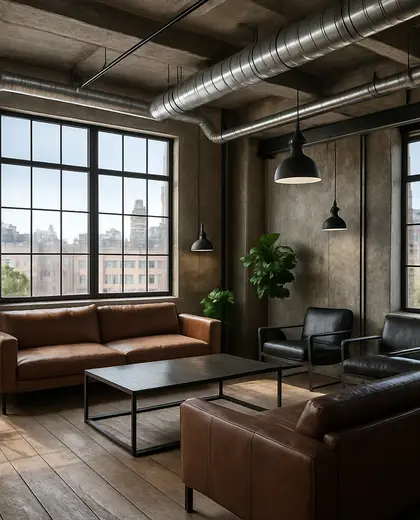
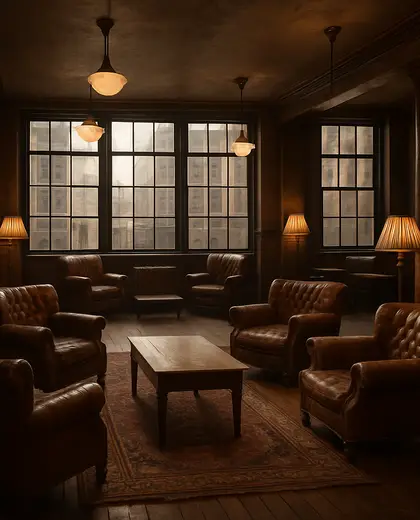
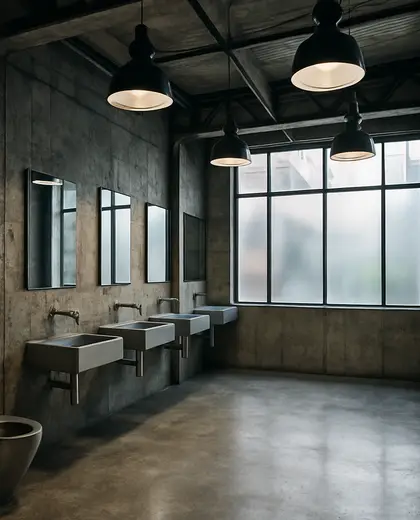
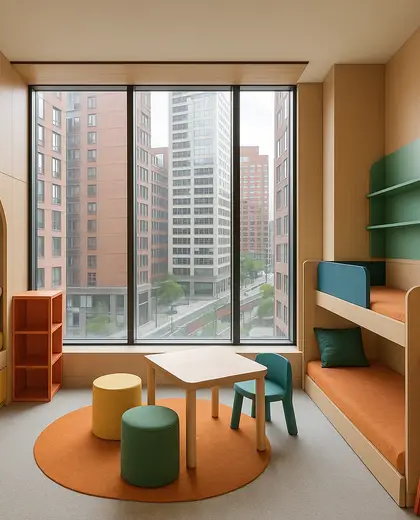
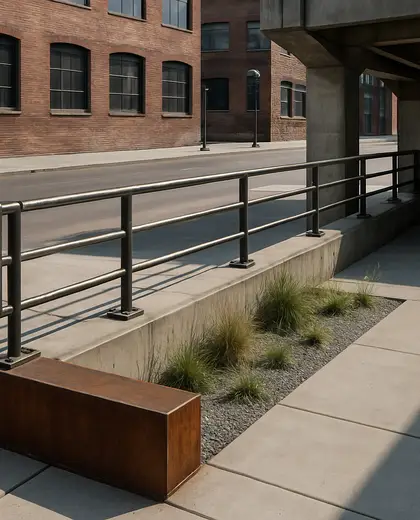
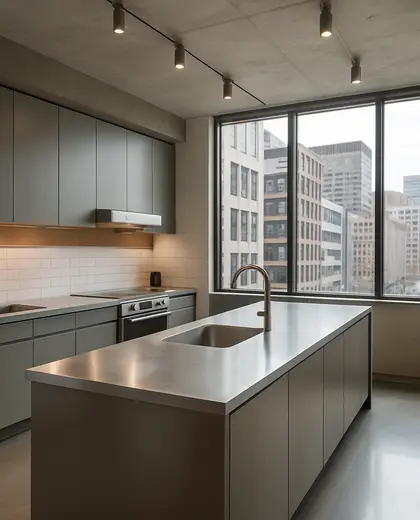
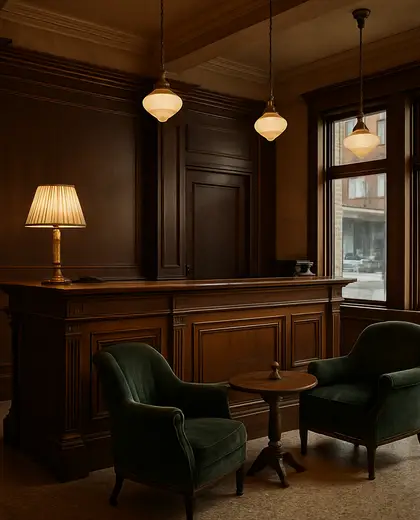
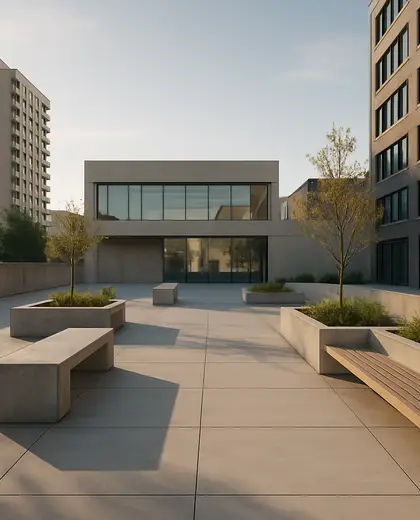
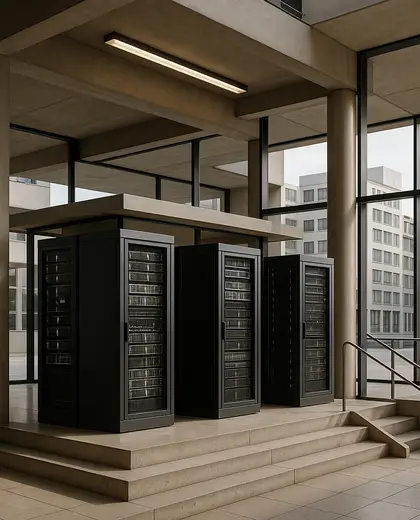
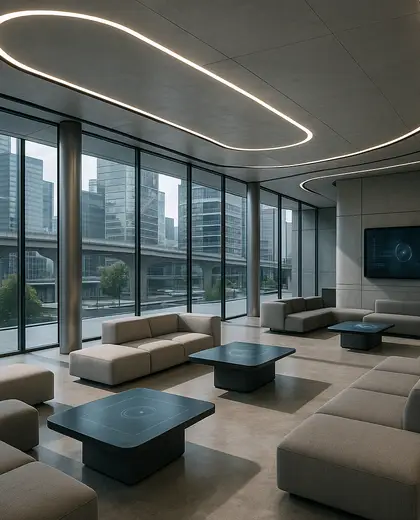
This composition is defined by durable, high-traffic materials such as concrete, stone, brick, steel, and weather-resistant timber. The palette usually stays restrained, with greys, warm neutrals, muted greens, and dark metal accents, so the space reads clearly in an urban setting. Its defining elements are open circulation, generous seating, hard-wearing paving, lighting, planting, and edges that organize movement and pause.
- public space
- urban

— References
References to explore
What makes a public space feel urban rather than suburban?
Urban public spaces usually rely on tighter material control, harder surfaces, clearer edges, and a stronger relationship to surrounding buildings and streets.
Can this style still feel welcoming?
Yes. Seating, shade, planting, warm-toned materials, and human-scale lighting help balance the harder surfaces needed for durability.
What should I prioritize if I am designing one of these spaces?
Start with circulation, safety, durability, and maintenance, then layer in seating, planting, lighting, and visual identity so the space works throughout the day.
— The style
What defines it
Concrete, stone, brick, steel, timber, and anti-slip paving are common because they stand up to constant use and weather.
The palette is typically neutral and grounded: grey, sand, charcoal, rust, and soft green tones.
It often combines with landscape planting, wayfinding, benches, canopies, lighting, and street furniture to support everyday public use.
— Professionals
Who has already built it
- john allegrettiarchitects · 6 projectsView profile →
- pfuner designinterior designers · 11 projectsView profile →
- Karavaan Homefurniture sellers · High Point · 4 projectsView profile →
- jacob galleslandscape designers · 6 projectsView profile →
— Questions
Frequently asked questions
What makes a public space feel urban rather than suburban?
Urban public spaces usually rely on tighter material control, harder surfaces, clearer edges, and a stronger relationship to surrounding buildings and streets.
Can this style still feel welcoming?
Yes. Seating, shade, planting, warm-toned materials, and human-scale lighting help balance the harder surfaces needed for durability.
What should I prioritize if I am designing one of these spaces?
Start with circulation, safety, durability, and maintenance, then layer in seating, planting, lighting, and visual identity so the space works throughout the day.