— Ideas & inspiration
Contemporary vertical garden design
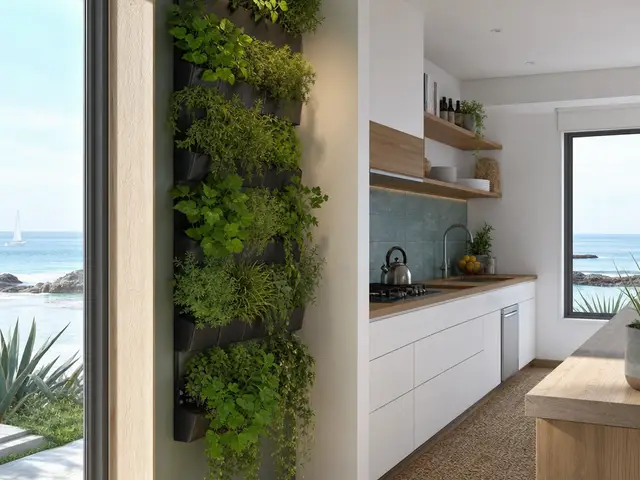
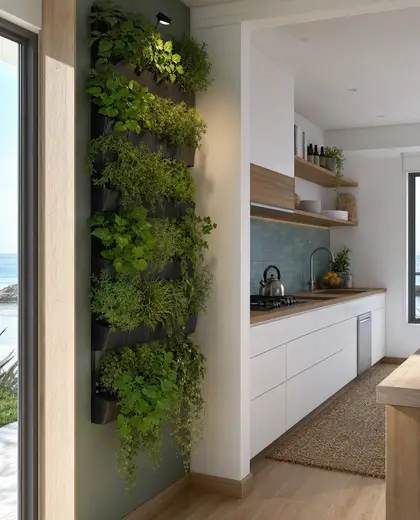
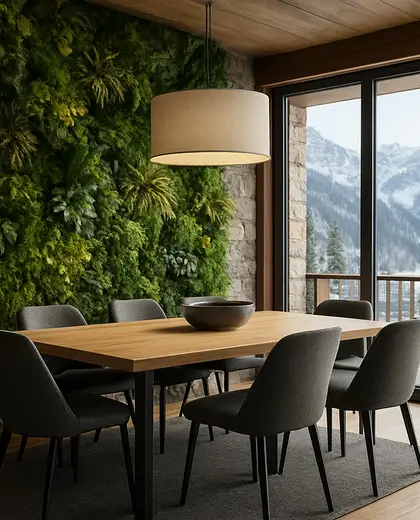
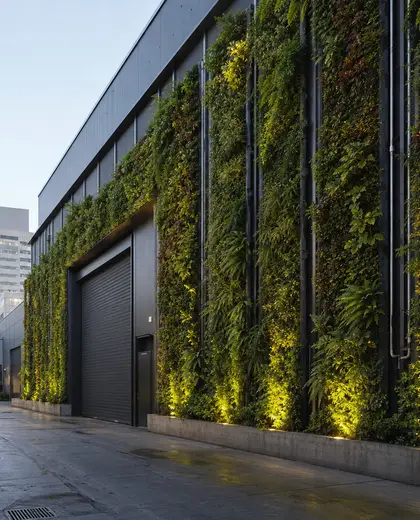
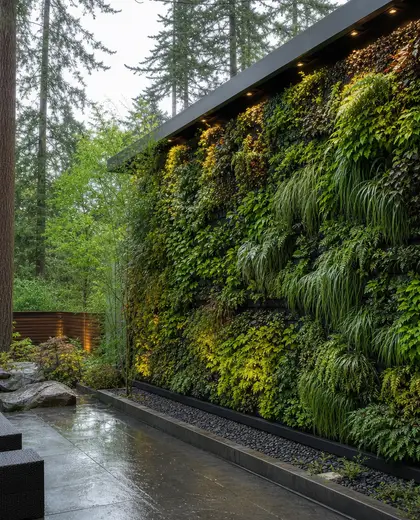
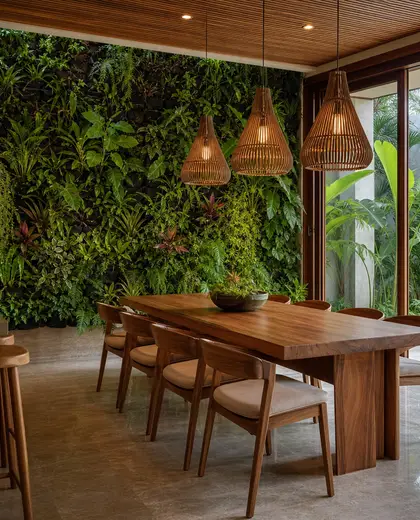
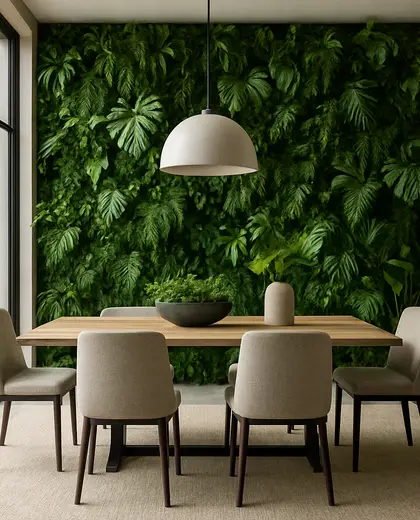
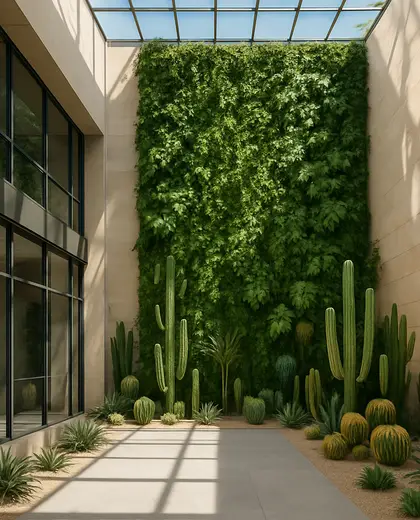
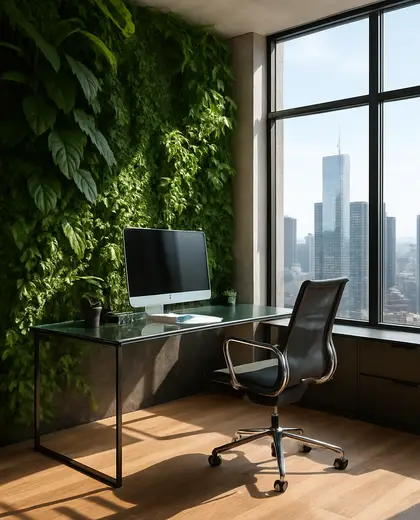
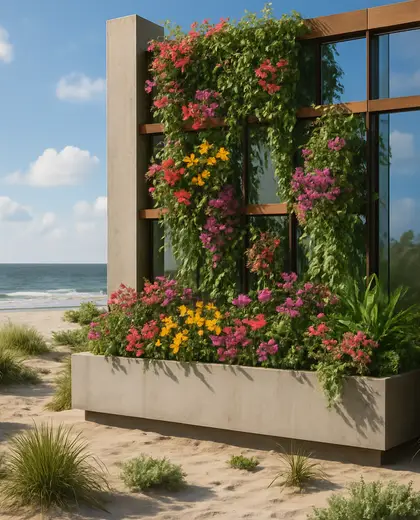
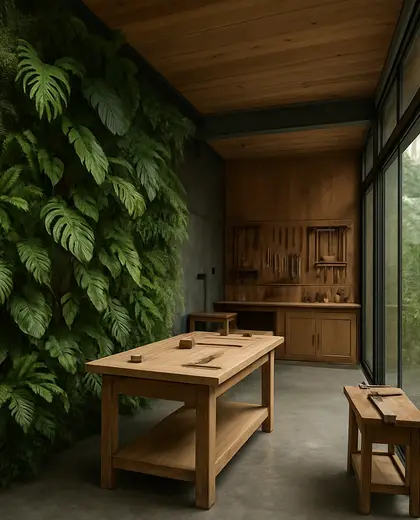
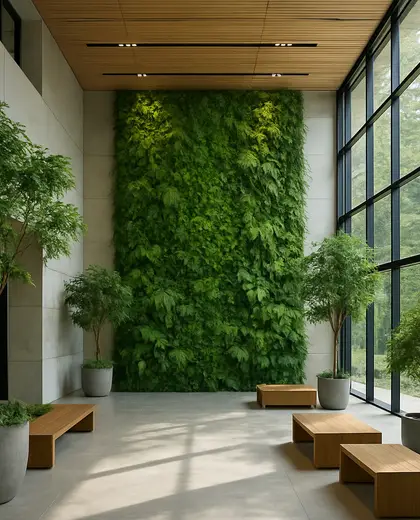
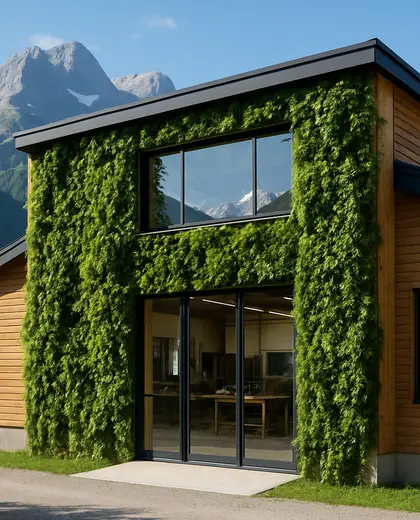
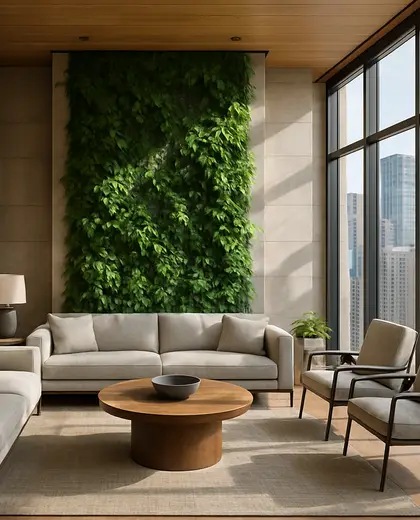
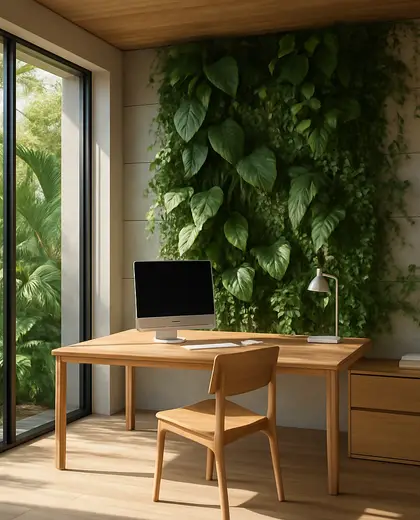
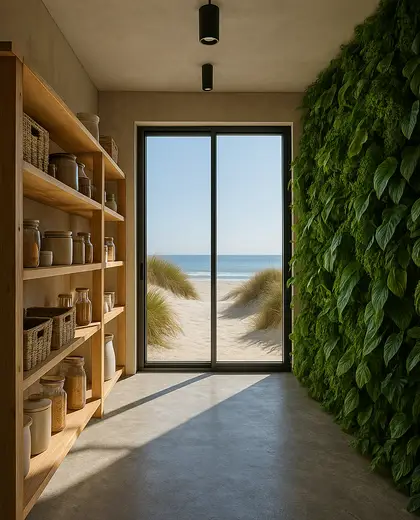
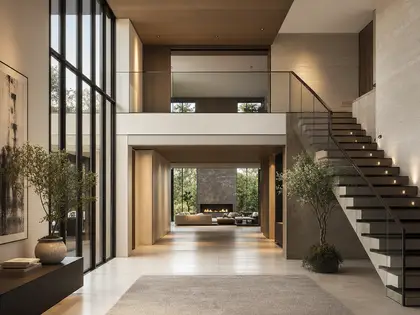
A contemporary vertical garden pairs clean-lined architecture with planted wall systems, often built in metal frames, modular panels, or timber slats. The look uses restrained planting, crisp geometry, and a palette of greens against white, gray, black, or concrete surfaces. Irrigation, drainage, and lighting are usually integrated so the wall reads as a composed architectural feature, not a separate planter.
- vertical garden
- contemporary
— References
References to explore
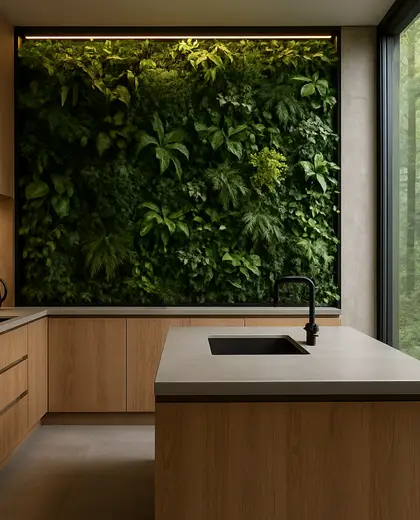
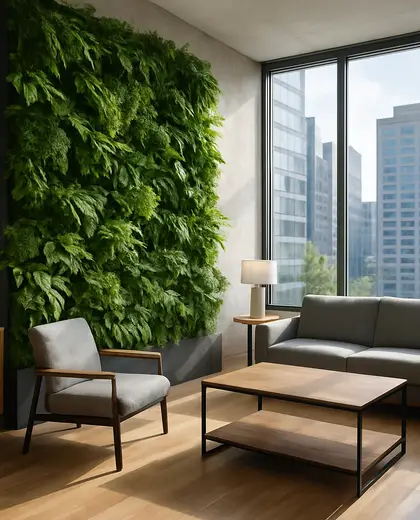
Will a contemporary vertical garden work indoors or outdoors?
Yes, but the system changes. Indoor walls need tighter moisture control, while outdoor installations need weather-resistant materials, sun exposure planning, and proper drainage.
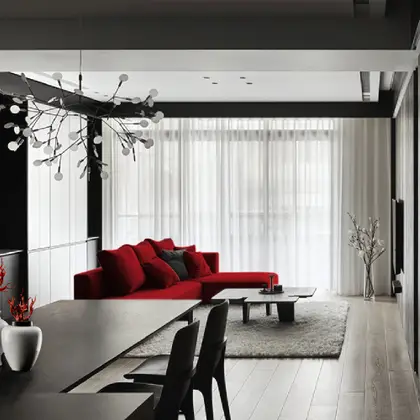
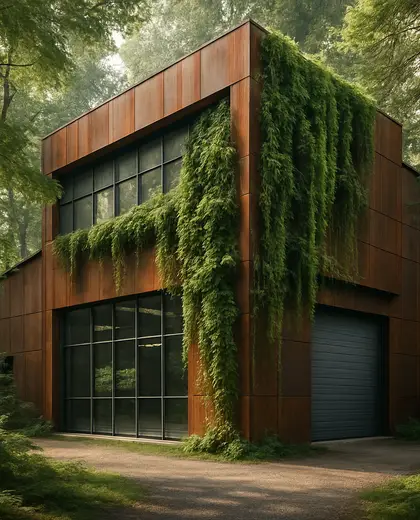
What plants suit this style best?
Choose structured, low-to-medium maintenance plants with varied leaf texture, such as ferns, trailing plants, grasses, herbs, or compact evergreen species, depending on light conditions.
Does this style need a lot of upkeep?
It needs regular care, especially watering, trimming, and checking the irrigation system. A well-designed planting mix and access for maintenance make it much easier to manage.
— The style
What defines it
Metal framing, modular planting pockets, treated timber, concrete, glass, and stone are common, with concealed irrigation and drainage.
Mostly greens and soft natural tones set against white, charcoal, black, and concrete gray for a sharp modern contrast.
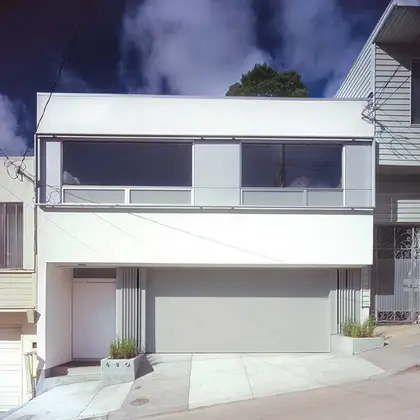
Flat façades, courtyards, terraces, entry walls, and minimalist outdoor furniture, where the planting becomes part of the architecture.
— Professionals
Who has already built it




- shahinazarchitects · New York · 3 projectsView profile →
- Karavaan Homefurniture sellers · High Point · 4 projectsView profile →
- jacob galleslandscape designers · 2 projectsView profile →
- interior design by emilyinterior designers · 4 projectsView profile →
— Explore
Keep exploring
— Questions
Frequently asked questions
Will a contemporary vertical garden work indoors or outdoors?
Yes, but the system changes. Indoor walls need tighter moisture control, while outdoor installations need weather-resistant materials, sun exposure planning, and proper drainage.
What plants suit this style best?
Choose structured, low-to-medium maintenance plants with varied leaf texture, such as ferns, trailing plants, grasses, herbs, or compact evergreen species, depending on light conditions.
Does this style need a lot of upkeep?
It needs regular care, especially watering, trimming, and checking the irrigation system. A well-designed planting mix and access for maintenance make it much easier to manage.