— Ideas & inspiration
Neoclassical ease by the sea
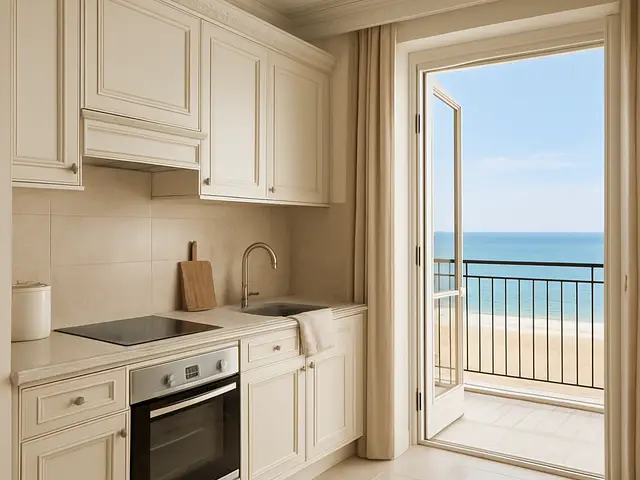
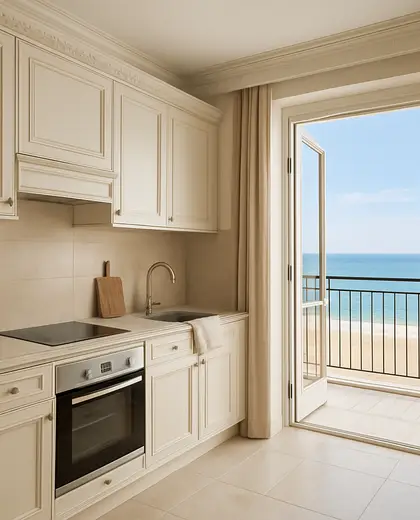
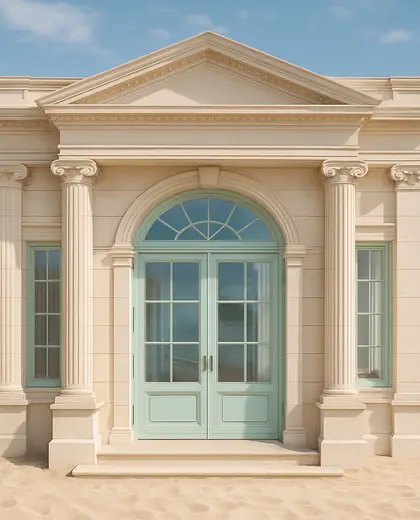
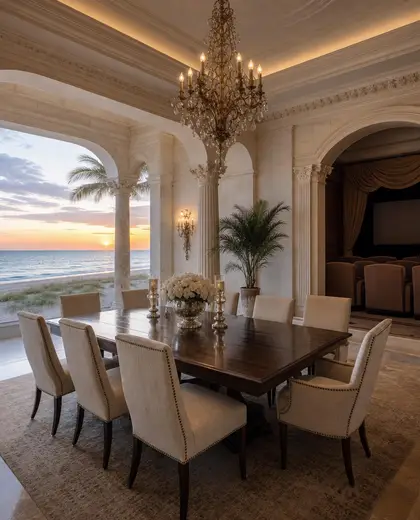
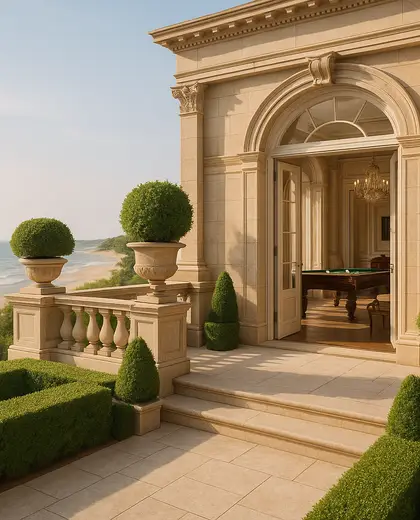
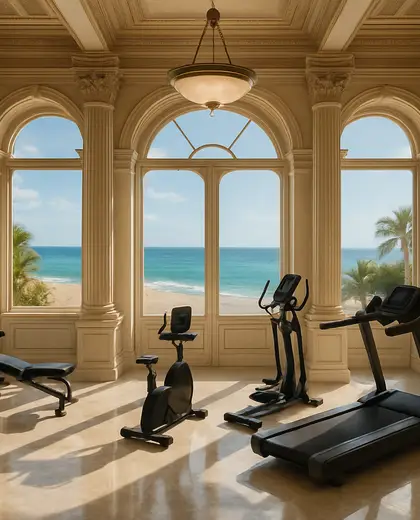
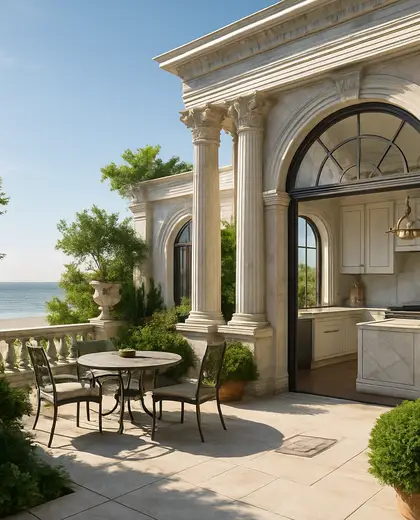
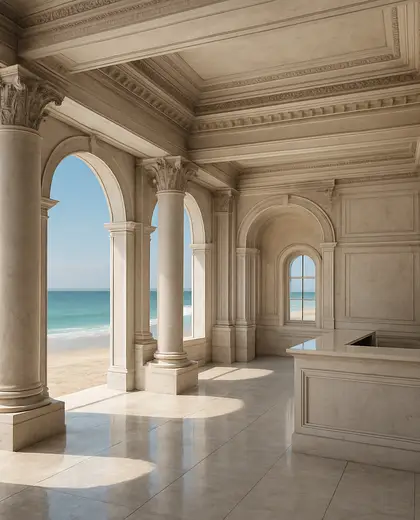
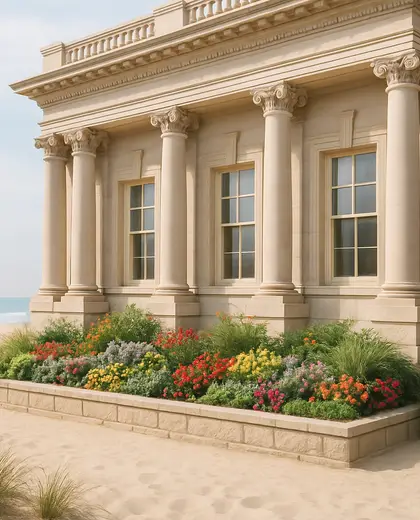
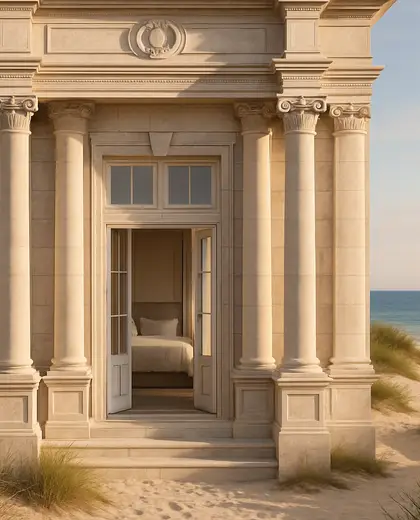
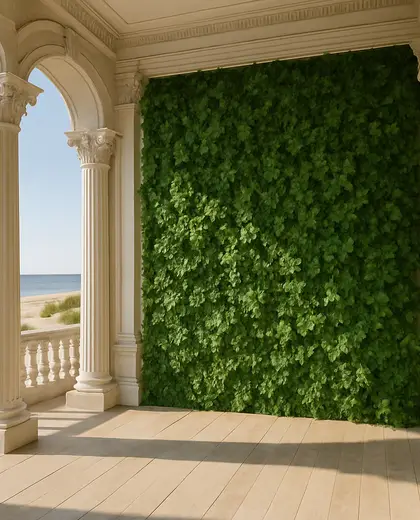
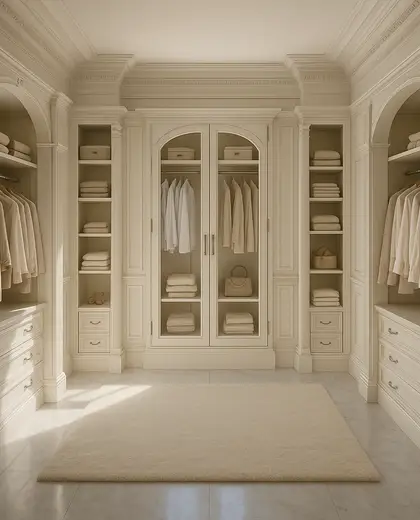
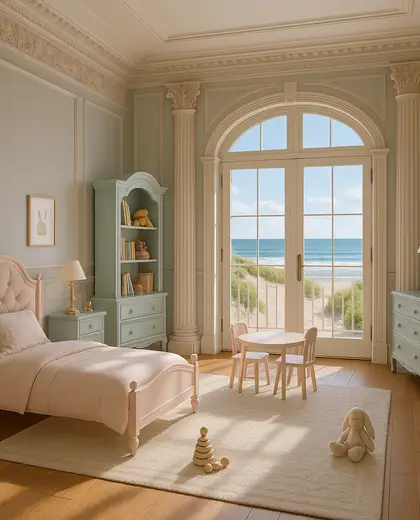
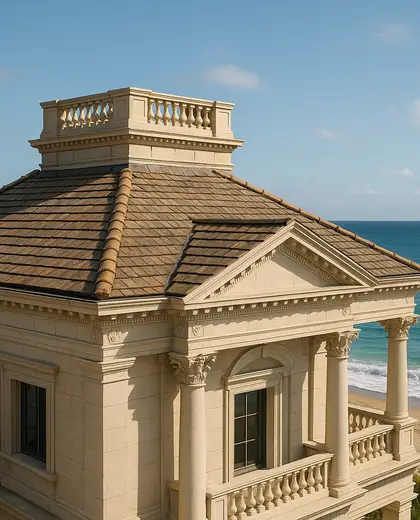
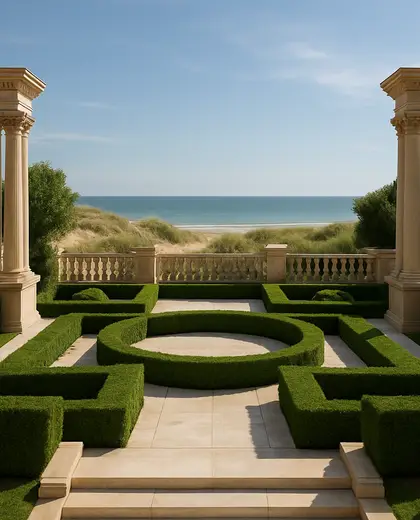
This composition pairs the symmetry and classical detailing of neoclassical design with the light, relaxed character of a beach setting. It typically uses pale stone, painted wood, plaster walls, and tall windows, with columned entries, moldings, and soft natural textures. The result is airy and formal at once, with crisp lines softened by sun-washed materials and coastal light.
- neoclassical
- beach
— References
References to explore
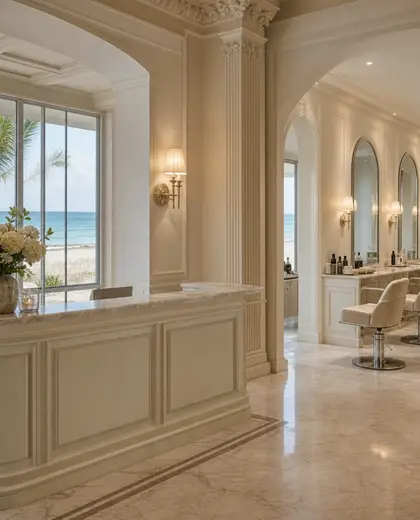
How do I keep a neoclassical beach interior from feeling too formal?
Use classical proportions and trim, but keep the finishes light and relaxed. Choose matte surfaces, simple upholstery, and coastal textures such as linen or woven fiber.

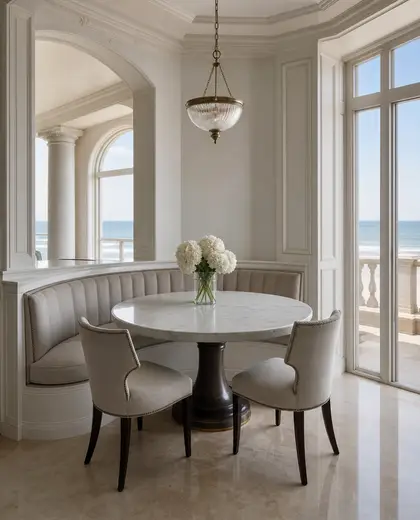
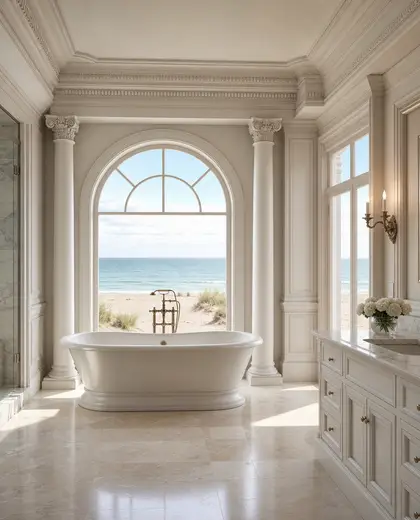
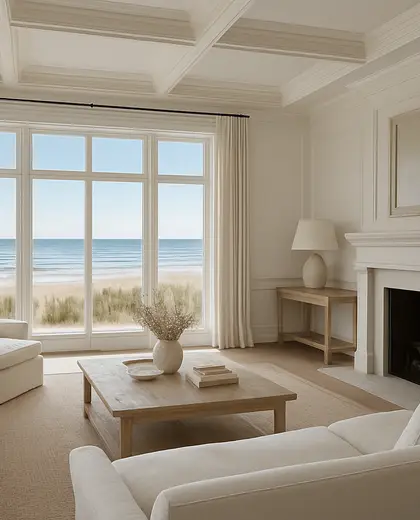
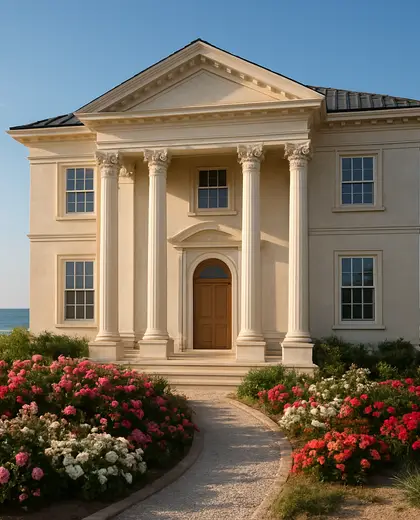
What features make the beach influence clear in this style?
Generous windows, open sightlines, light-reflective finishes, and weathered or natural materials signal the coastal side of the composition.

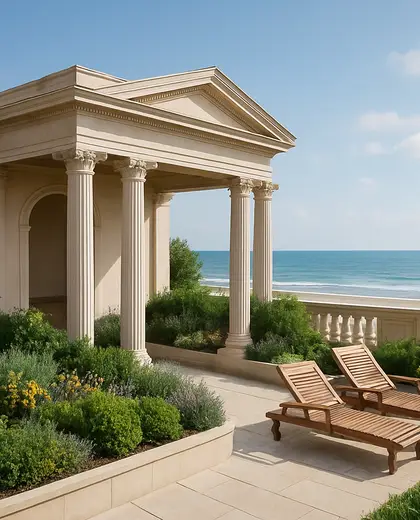

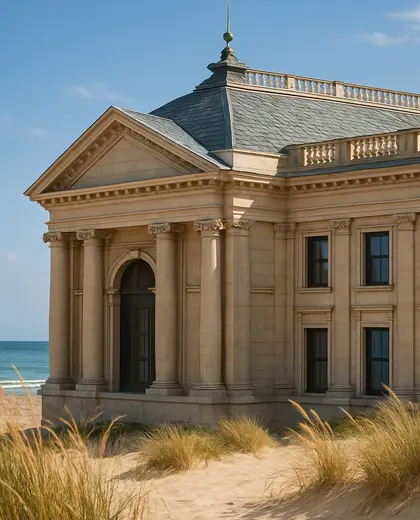
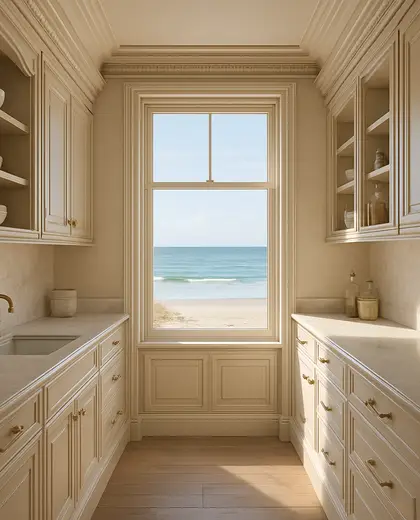
Which rooms suit this look best?
Living rooms, entry halls, and bedrooms work especially well because they can show both symmetry and softness without needing heavy ornament.

— The style
What defines it
Painted timber, limestone or travertine, plaster, linen, rattan, and honed stone are common choices.
White, sand, ivory, pale blue, soft gray, and driftwood tones keep the look bright and calm.
Classical symmetry, pilasters, cornices, and arched openings are balanced with breezy layouts, large glazing, and casual coastal finishes.
— Professionals
Who has already built it





- annilee b watermanarchitects · Wylie · 5 projectsView profile →
- Karavaan Homefurniture sellers · High Point · 4 projectsView profile →
- roland a arriaga architecarchitects · 1 projectsView profile →
— Questions
Frequently asked questions
How do I keep a neoclassical beach interior from feeling too formal?
Use classical proportions and trim, but keep the finishes light and relaxed. Choose matte surfaces, simple upholstery, and coastal textures such as linen or woven fiber.
What features make the beach influence clear in this style?
Generous windows, open sightlines, light-reflective finishes, and weathered or natural materials signal the coastal side of the composition.
Which rooms suit this look best?
Living rooms, entry halls, and bedrooms work especially well because they can show both symmetry and softness without needing heavy ornament.