— Ideas & inspiration
Neoclassical
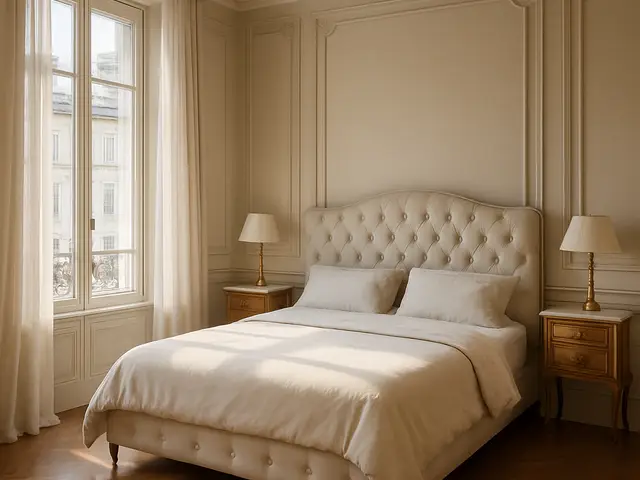
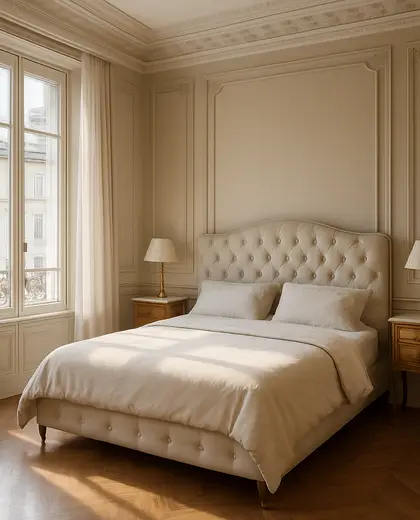
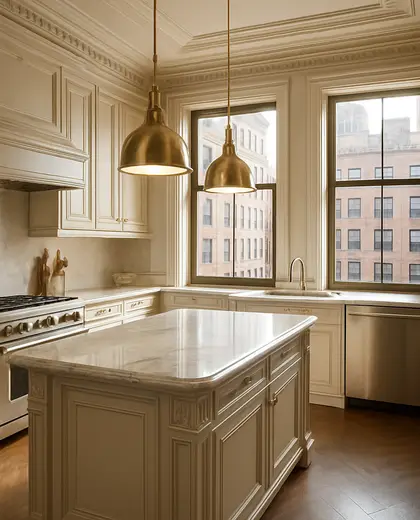
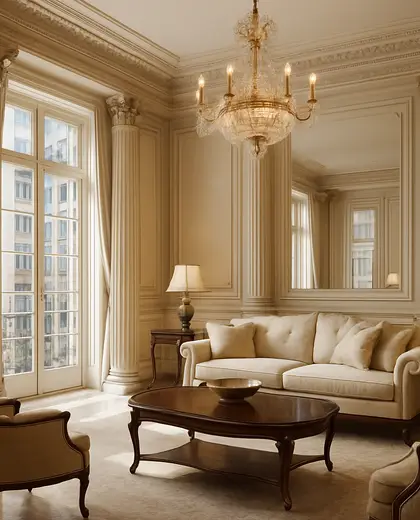
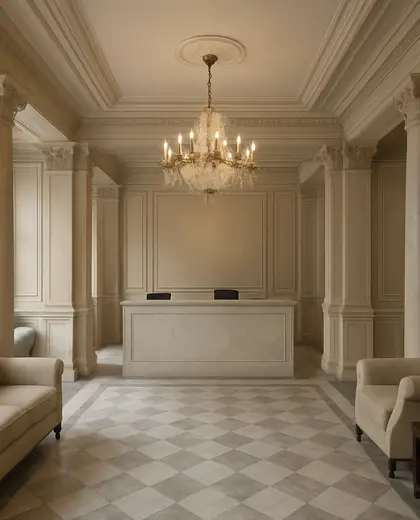
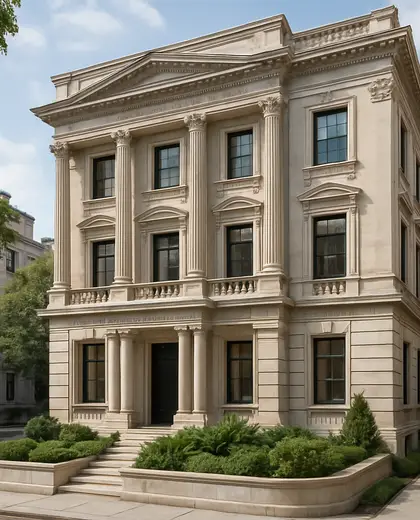
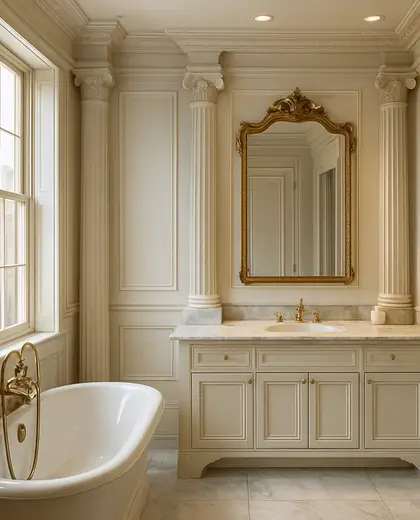
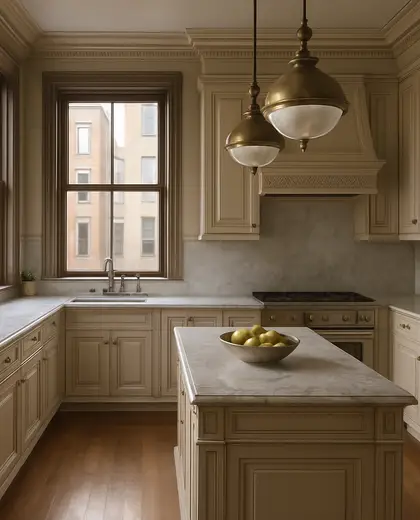
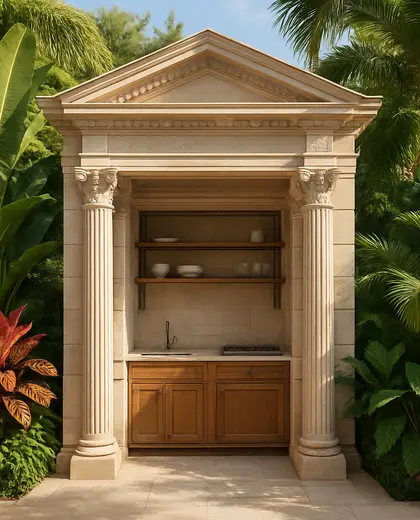
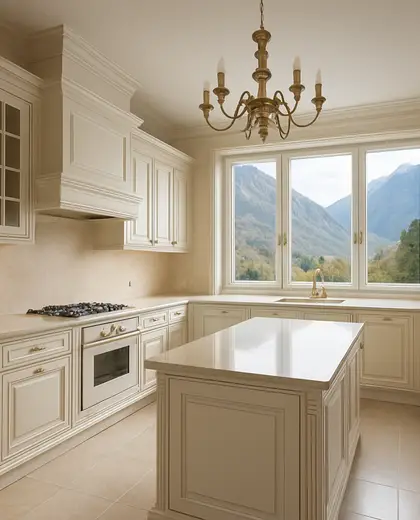
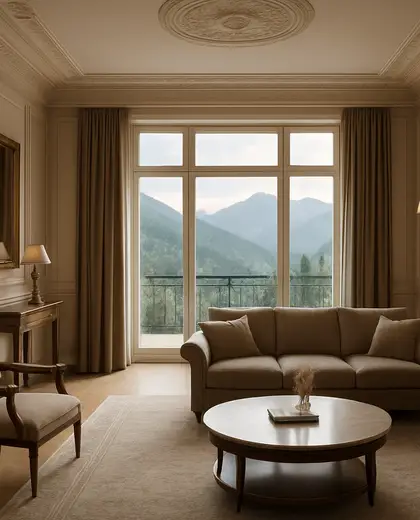
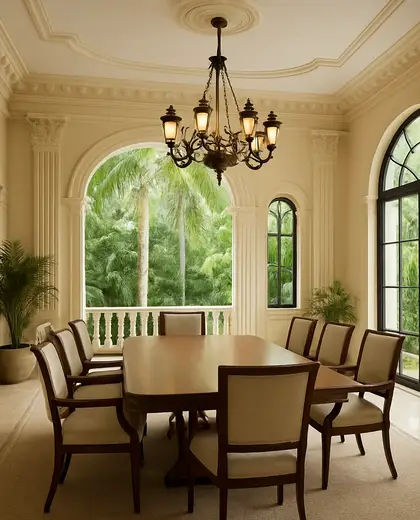
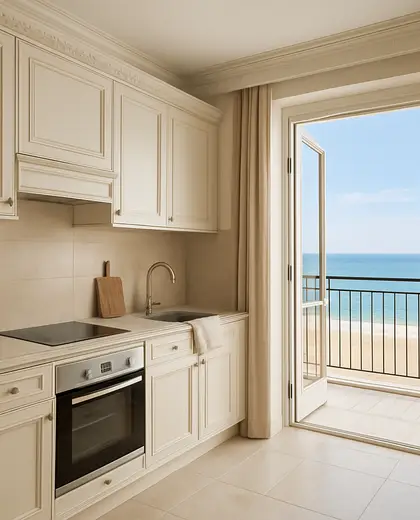
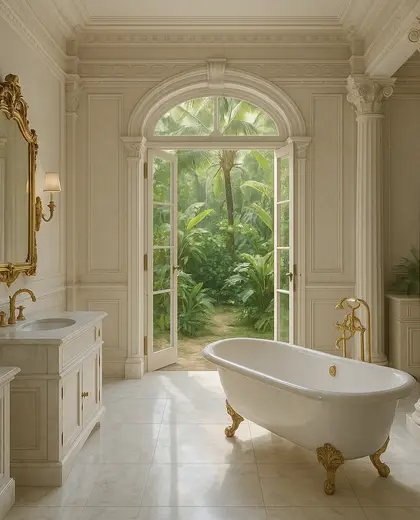
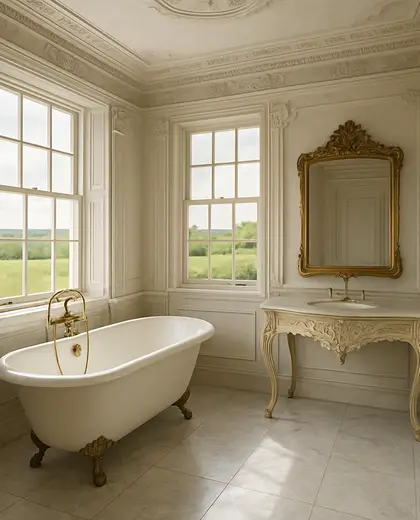
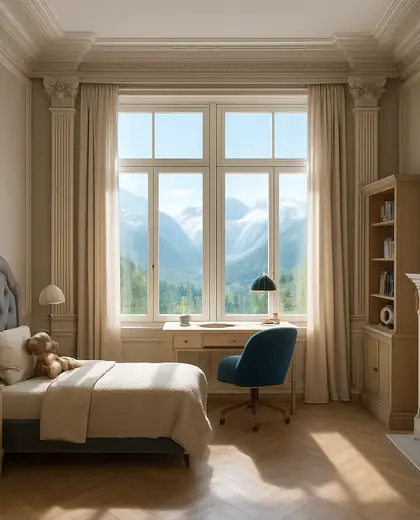
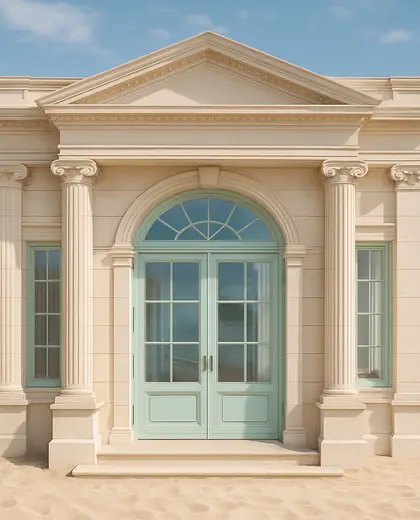
Neoclassical composition is defined by symmetry, proportion, and restrained ornament drawn from classical architecture. It typically uses plaster, marble, wood, and stone, with details such as columns, pilasters, cornices, mouldings, panelled walls, and formal fireplaces. The palette is usually light and balanced, with whites, creams, soft greys, beige, and occasional muted gold or deep accent tones.
- neoclassical
— References
References to explore
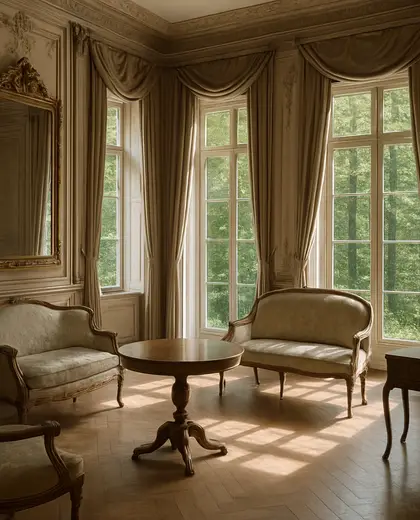
Will neoclassical style make a room feel too formal?
It can, if every element is highly ornate. A simpler version with clean profiles, balanced proportions, and fewer decorative details feels more relaxed.
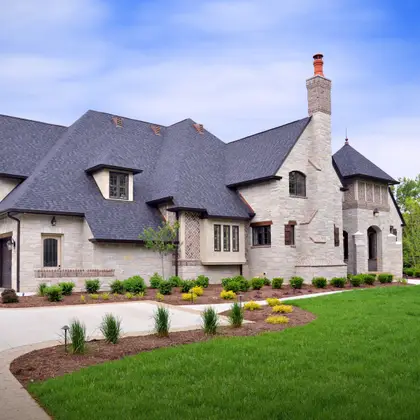

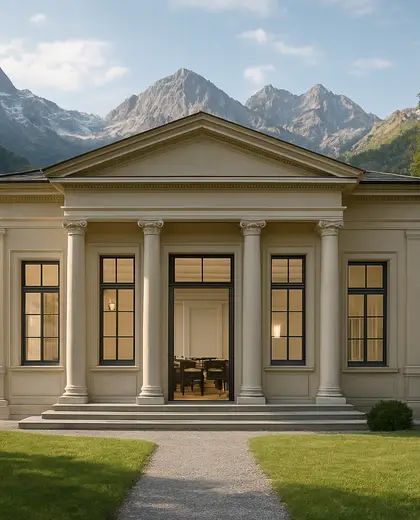
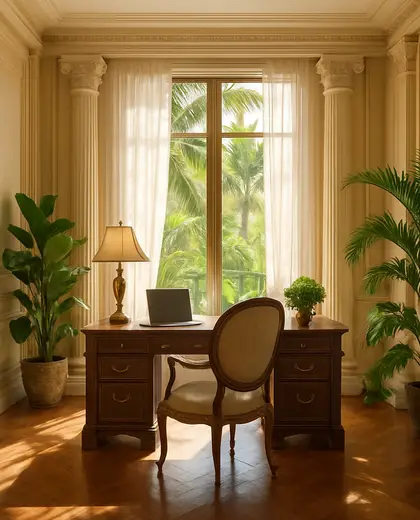
What finishes work best in a neoclassical home?
Matte or eggshell painted walls, stone or marble surfaces, and finished wood are common choices. High-gloss surfaces can be used sparingly for contrast, but they are not essential.

Can neoclassical work in a modern apartment?
Yes, if the composition is adapted to the space. Flat panel mouldings, restrained trim, and a limited palette can bring the style in without overwhelming smaller rooms.

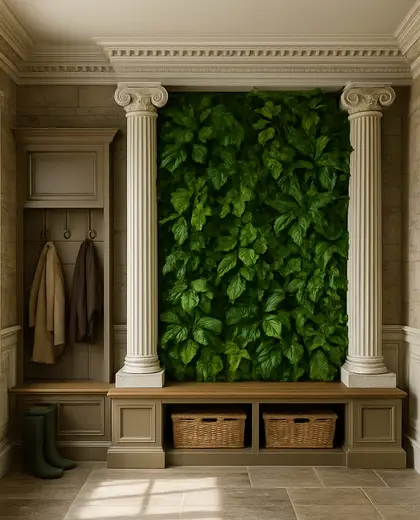
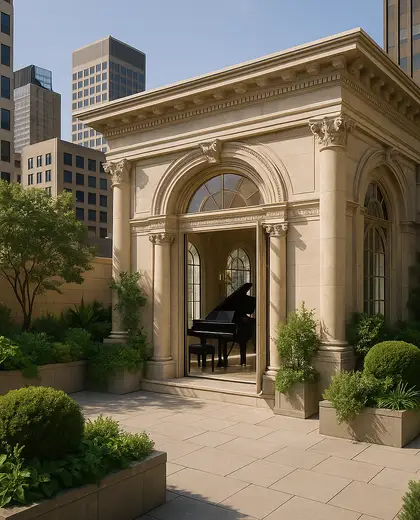
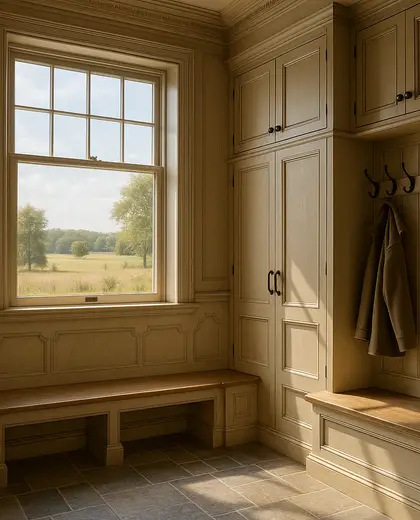
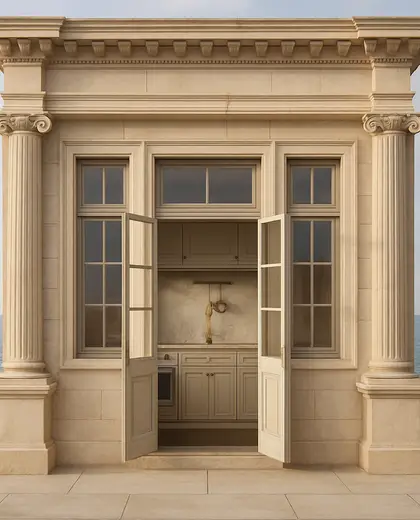
— The style
What defines it
Plaster, marble, natural stone, painted wood, and sometimes brass or bronze accents.
White, ivory, cream, pale grey, taupe, and soft black accents; metallic details are usually understated.
Works well with contemporary furniture, understated luxury finishes, classic paneling, and formal lighting.
— Professionals
Who has already built it
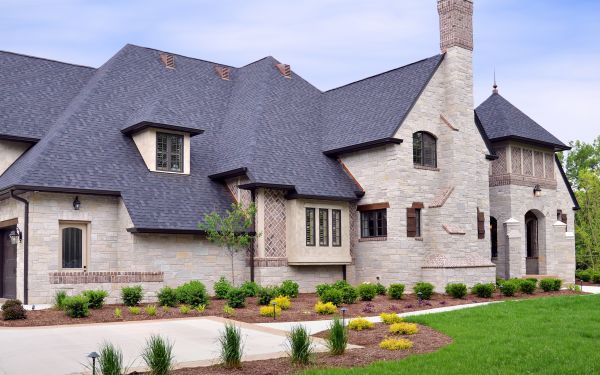



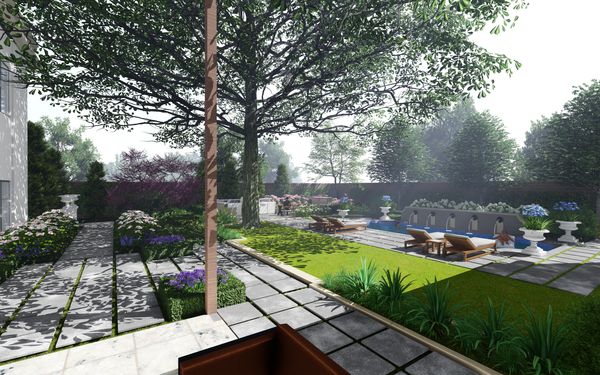

- roland a arriaga architecarchitects · 1 projectsView profile →
- Karavaan Homefurniture sellers · High Point · 4 projectsView profile →
- annilee b watermanarchitects · Wylie · 5 projectsView profile →
— Explore
Keep exploring
— Questions
Frequently asked questions
Will neoclassical style make a room feel too formal?
It can, if every element is highly ornate. A simpler version with clean profiles, balanced proportions, and fewer decorative details feels more relaxed.
What finishes work best in a neoclassical home?
Matte or eggshell painted walls, stone or marble surfaces, and finished wood are common choices. High-gloss surfaces can be used sparingly for contrast, but they are not essential.
Can neoclassical work in a modern apartment?
Yes, if the composition is adapted to the space. Flat panel mouldings, restrained trim, and a limited palette can bring the style in without overwhelming smaller rooms.