— Ideas & inspiration
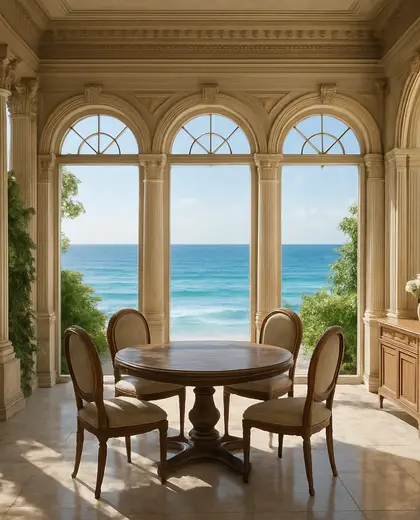
Neoclassical calm by the ocean
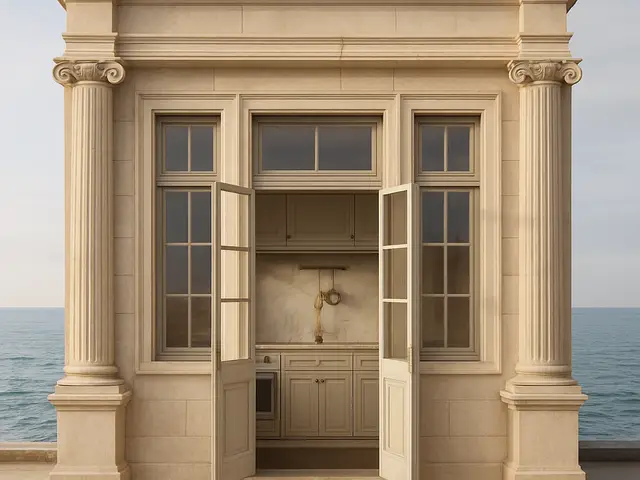
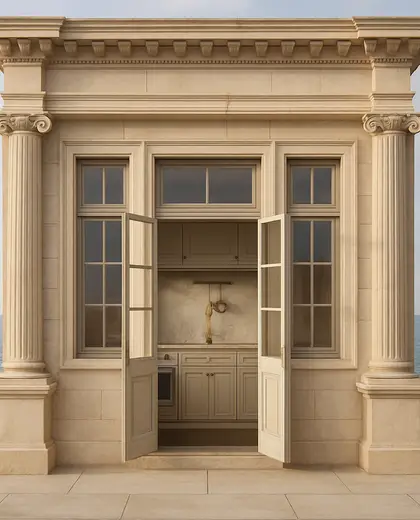
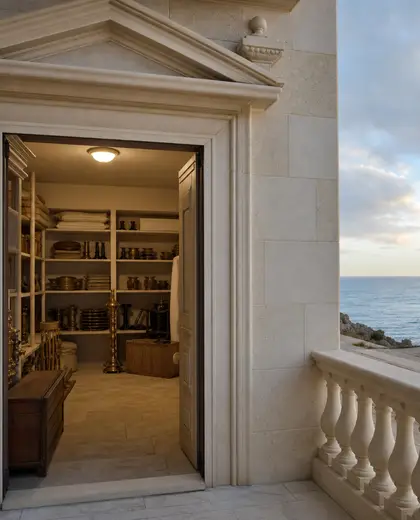
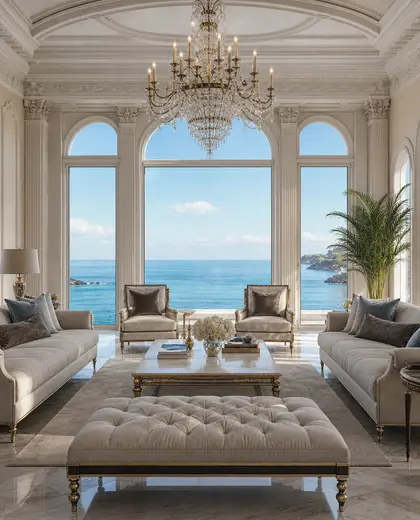
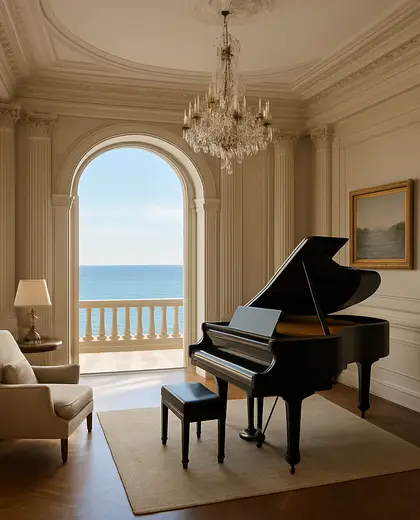
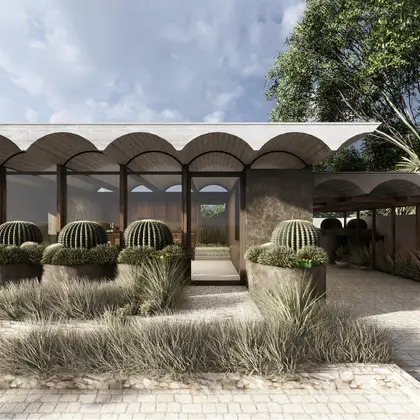
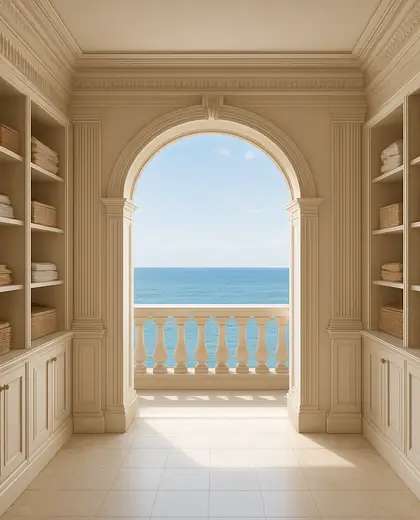
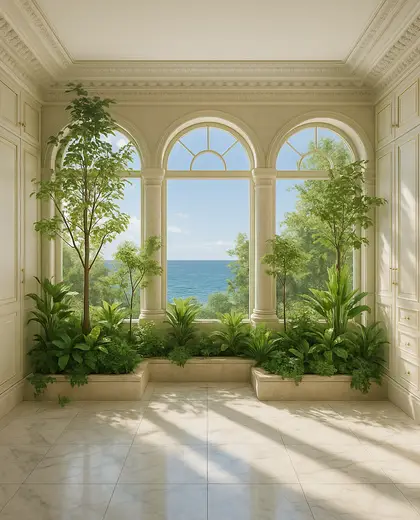
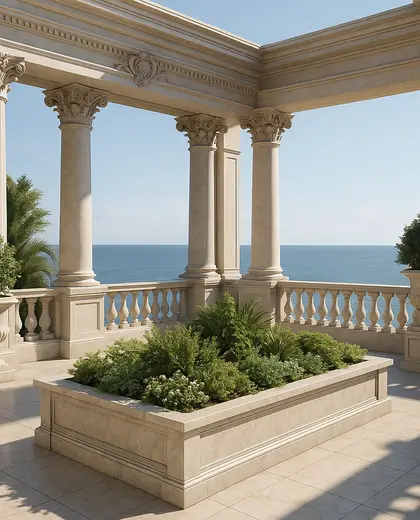
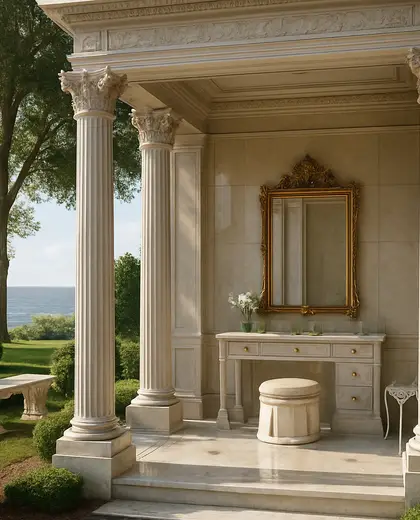
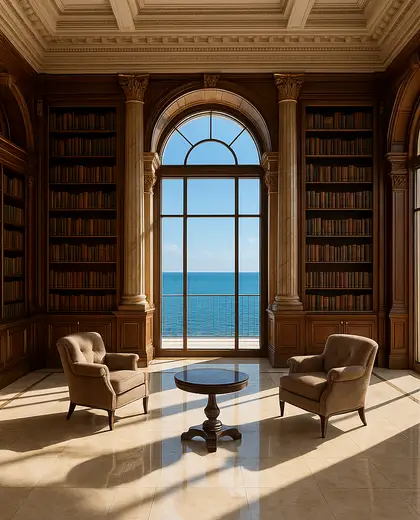
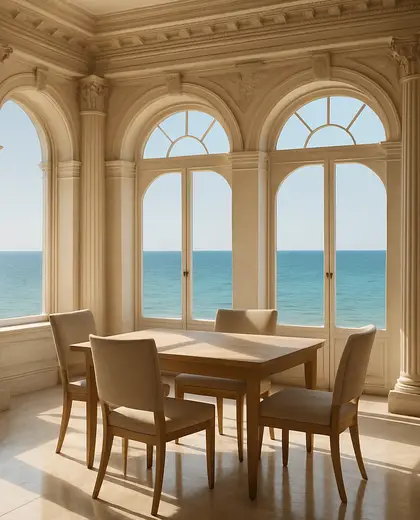
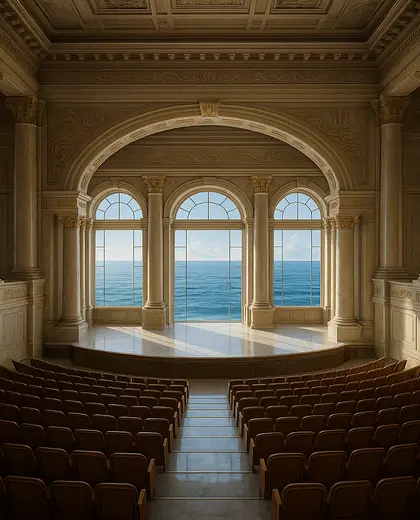
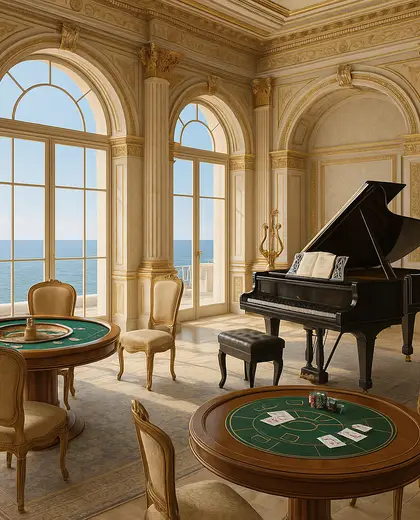
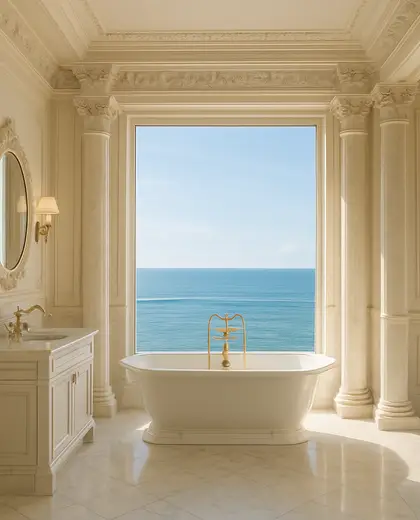
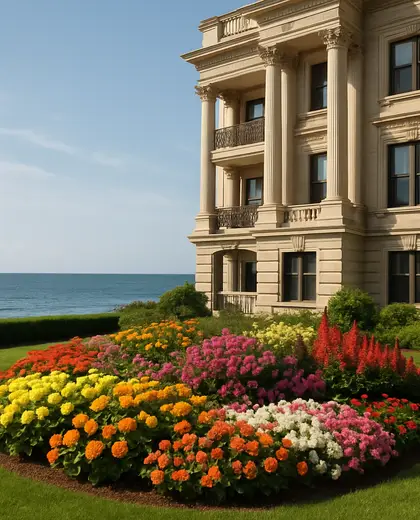
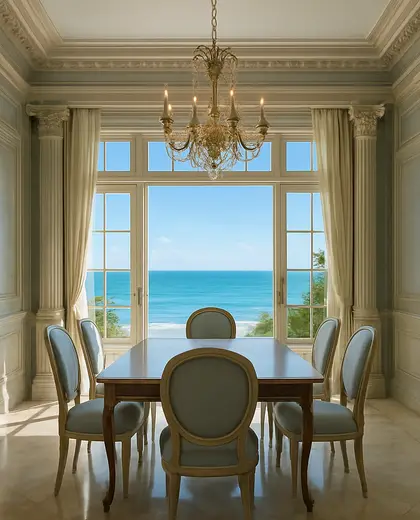
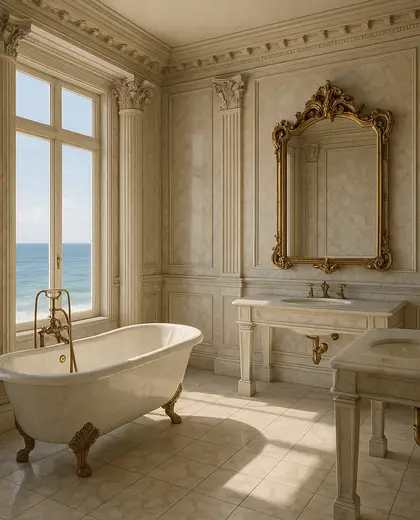
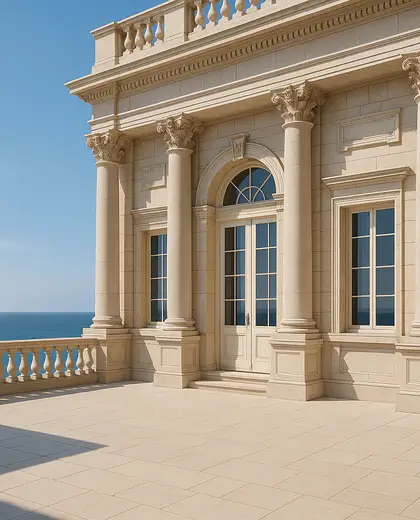
This composition pairs neoclassical symmetry and refined trim with a coastal setting and light-filled interiors. Common materials include painted plaster, limestone, marble, weathered timber, and brass, with tall windows, columned details, moldings, and breezy terraces. The palette usually stays soft and restrained: white, sand, pale blue, stone gray, and sea-washed neutrals.
- neoclassical
- ocean
— References
References to explore
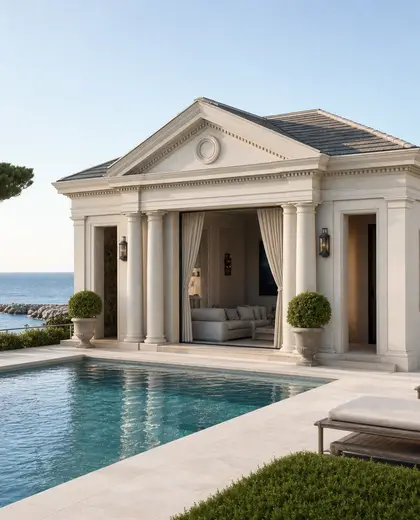
How do I keep a neoclassical ocean interior from feeling too formal?
Use the classical details as a framework, then lighten it with airy curtains, natural textures, and simplified furniture profiles. Large windows and a restrained palette help it feel relaxed rather than rigid.

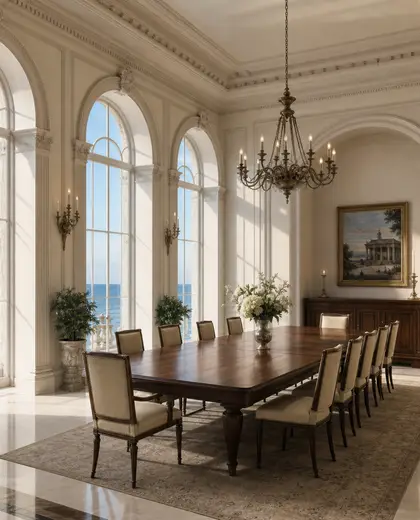
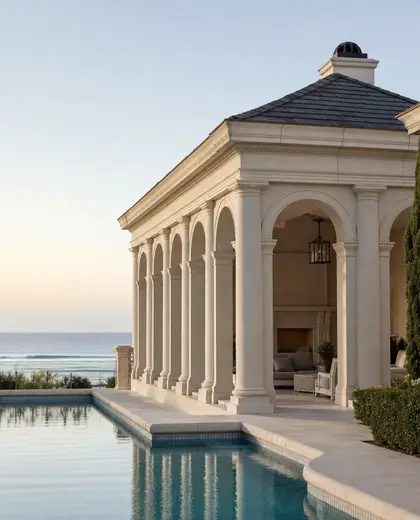
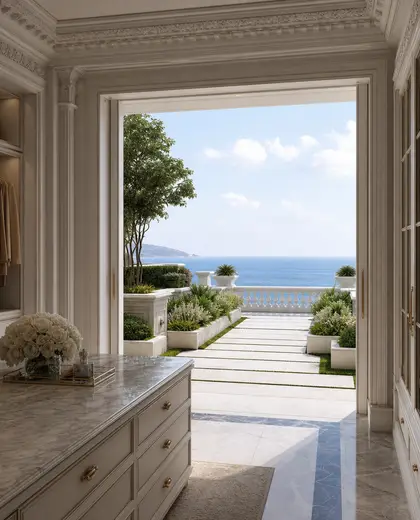
What finishes work best near the coast?
Choose moisture-resistant materials and finishes that age well, such as sealed stone, painted millwork, marine-grade metals, and durable timber. Avoid overly delicate surfaces in areas exposed to salt air and humidity.
What should a homeowner emphasize in this style?
Focus on proportion, natural light, and a calm palette. A few strong classical elements—like moldings, pilasters, or a grand entry—are usually enough when the ocean setting already provides visual drama.
— The style
What defines it
Painted plaster, limestone, marble, brass, and weathered wood are common.
Soft whites, sand tones, pale blue, stone gray, and muted coastal neutrals.
Classical symmetry, columns, cornices, and formal detailing adapted to seaside light and views.
— Professionals
Who has already built it
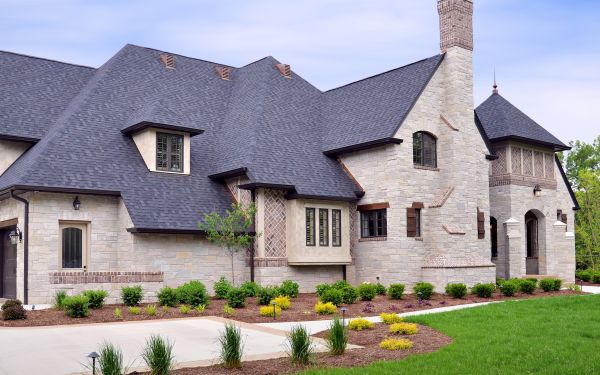



- Karavaan Homefurniture sellers · High Point · 4 projectsView profile →
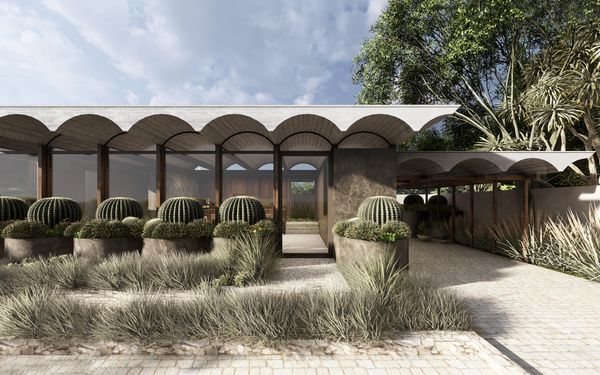
- roland a arriaga architecarchitects · 1 projectsView profile →
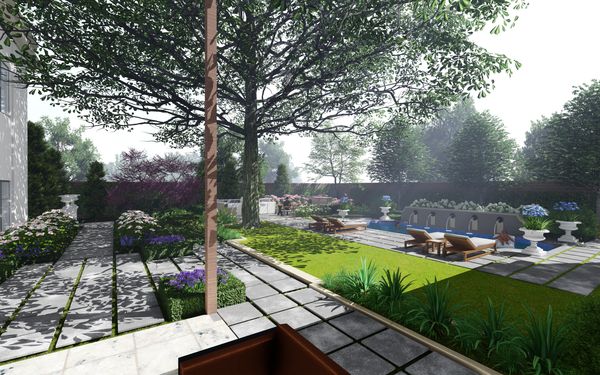
- annilee b watermanarchitects · Wylie · 5 projectsView profile →
— Questions
Frequently asked questions
How do I keep a neoclassical ocean interior from feeling too formal?
Use the classical details as a framework, then lighten it with airy curtains, natural textures, and simplified furniture profiles. Large windows and a restrained palette help it feel relaxed rather than rigid.
What finishes work best near the coast?
Choose moisture-resistant materials and finishes that age well, such as sealed stone, painted millwork, marine-grade metals, and durable timber. Avoid overly delicate surfaces in areas exposed to salt air and humidity.
What should a homeowner emphasize in this style?
Focus on proportion, natural light, and a calm palette. A few strong classical elements—like moldings, pilasters, or a grand entry—are usually enough when the ocean setting already provides visual drama.