— Ideas & inspiration
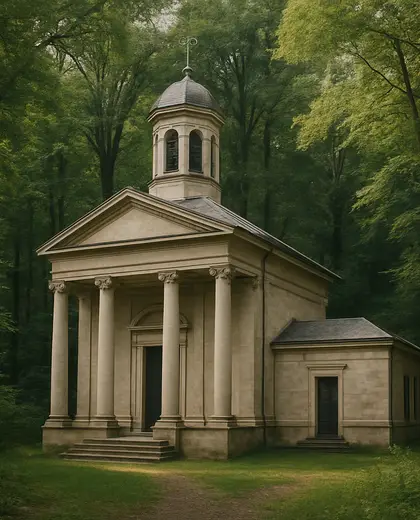
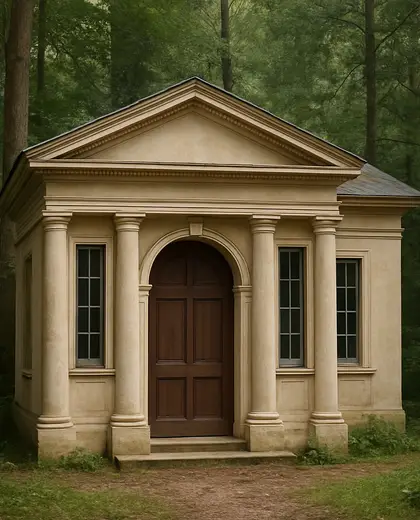
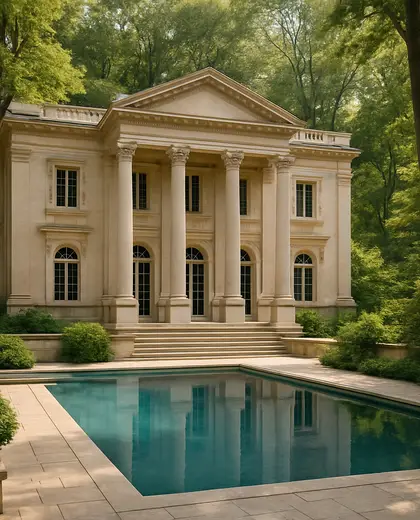
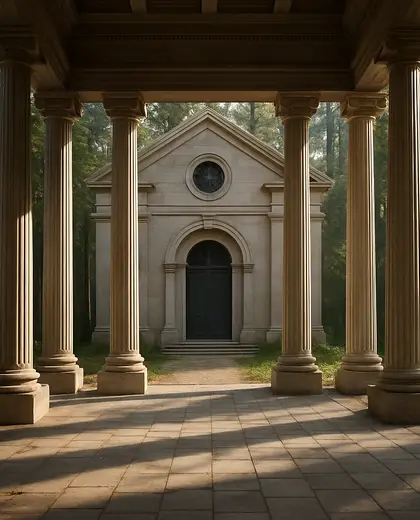
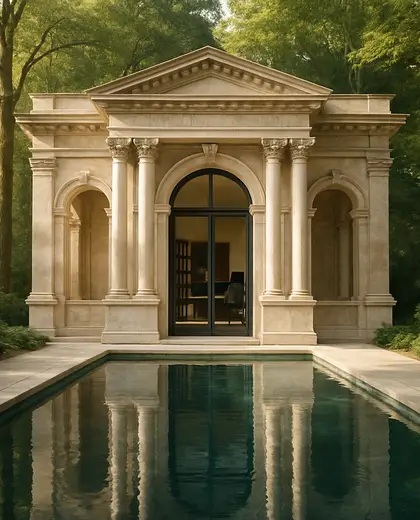
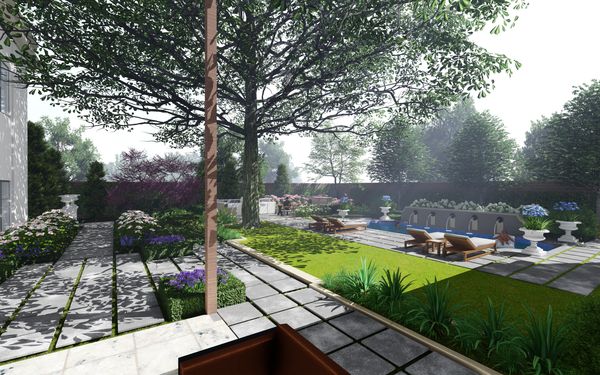
Neoclassical elegance in the forest
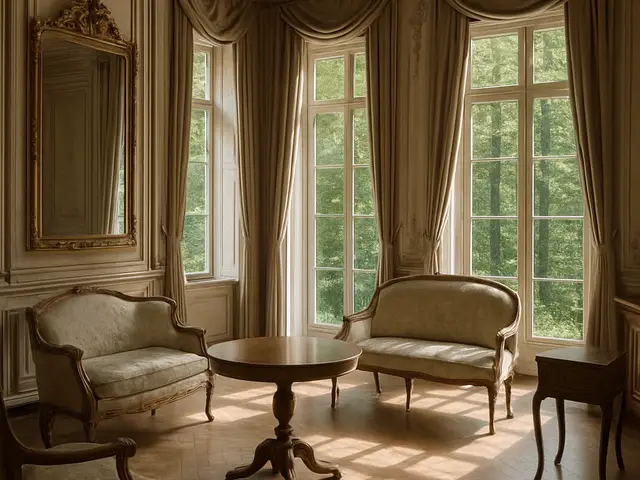
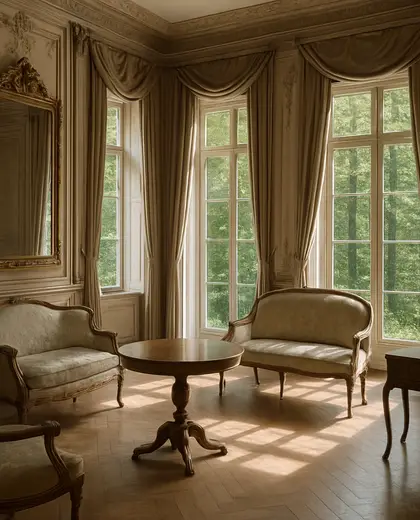
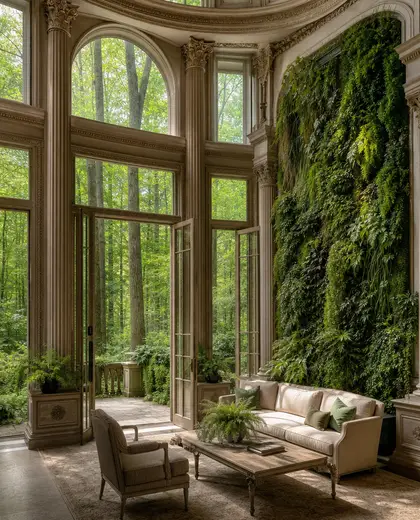
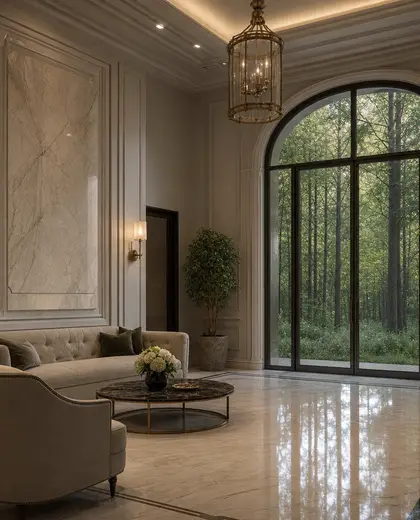
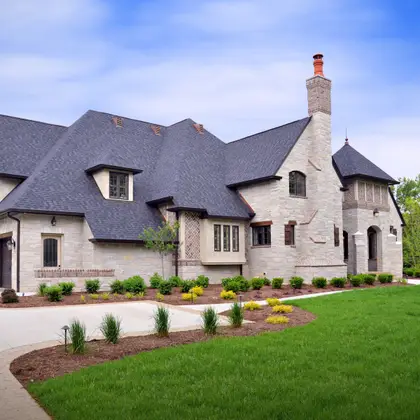
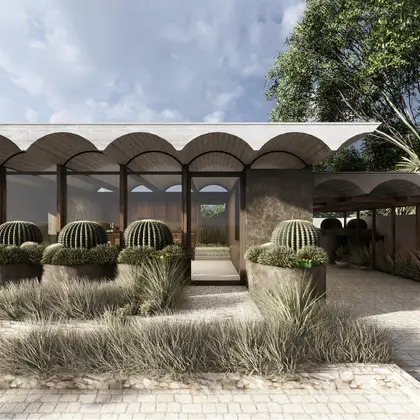
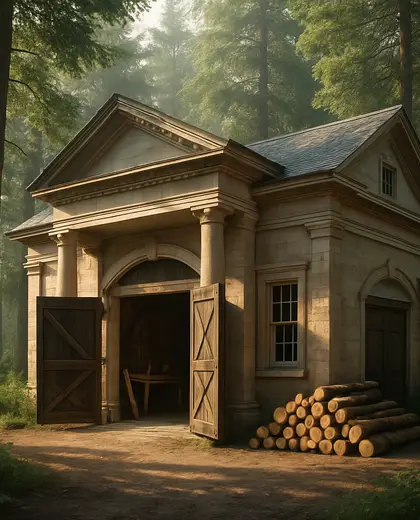
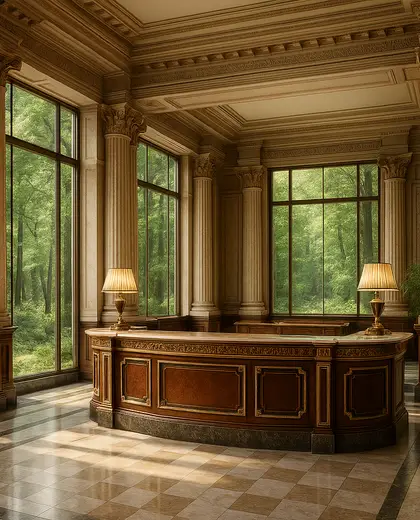
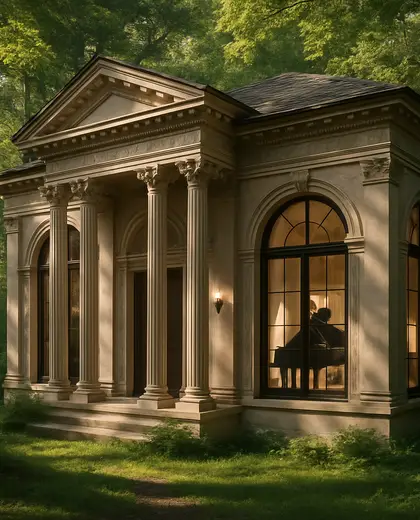
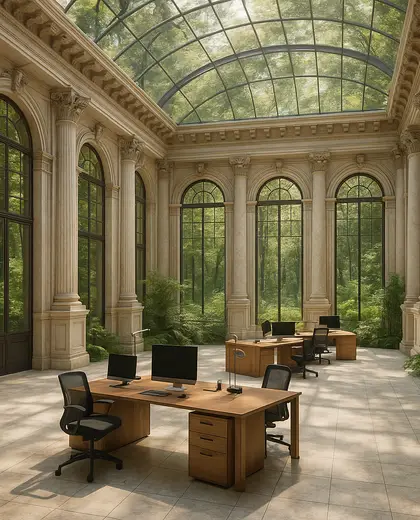
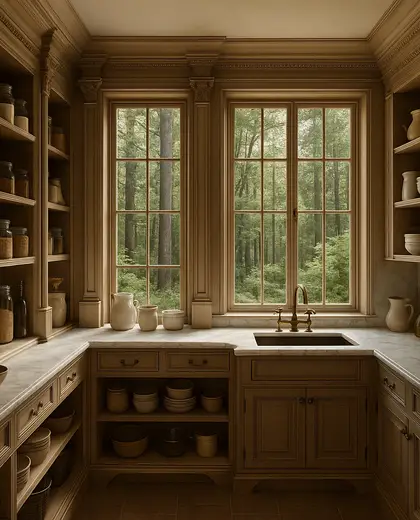
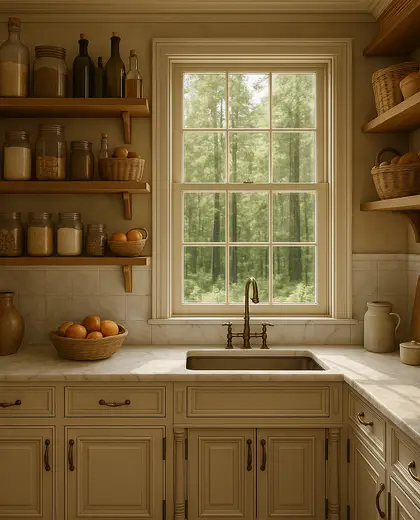
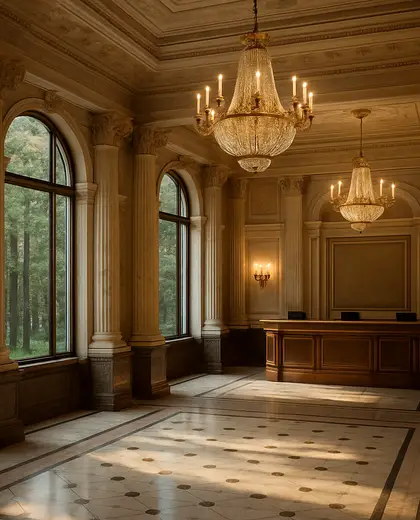
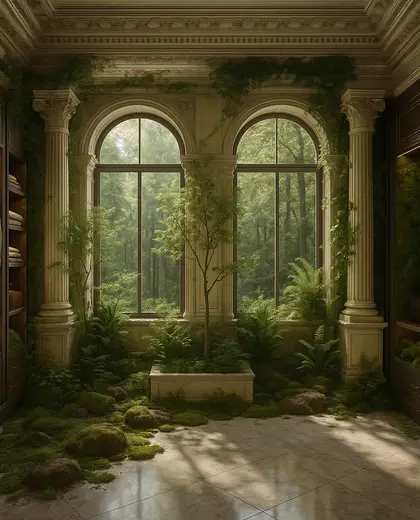
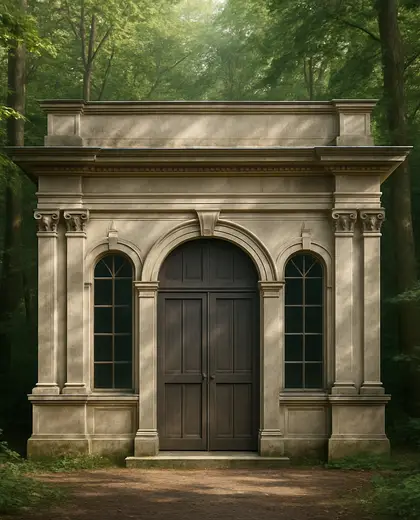
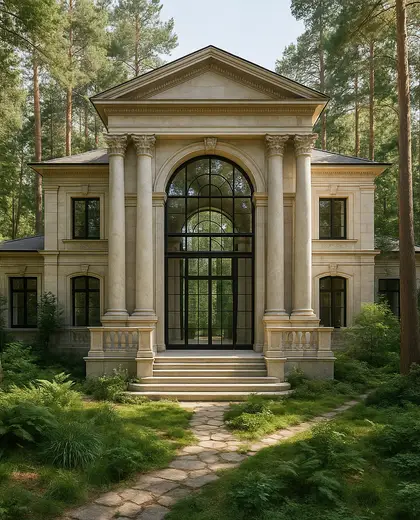
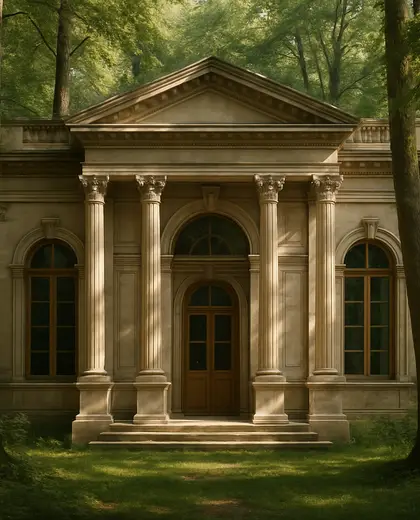
This composition pairs neoclassical symmetry and ornament with a forest setting through stone, timber, plaster, and tall glazing. The palette stays grounded in warm whites, muted greens, natural wood, and dark bronze or black accents, so the architecture feels refined without losing its connection to the landscape. Key elements include columns or pilasters, moulded trim, balanced facades, and large openings that frame trees and filtered light.
- neoclassical
- forest
— References
References to explore
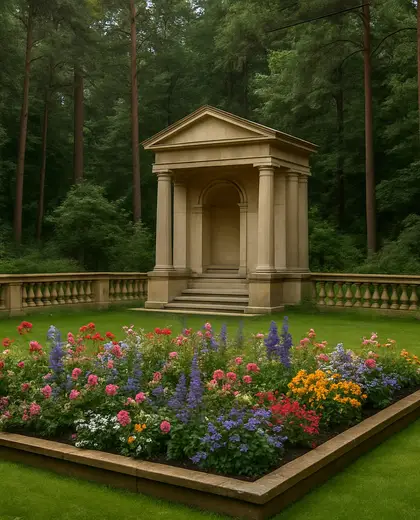
Can neoclassical design work in a wooded setting without feeling formal or heavy?
Yes. Lighter wall colors, simpler mouldings, and large windows help the style feel calm and connected to the trees rather than overly ornate.
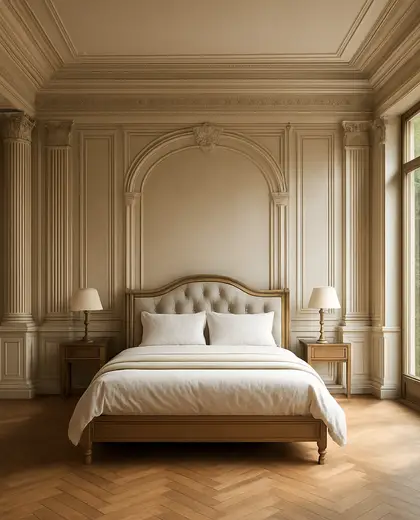
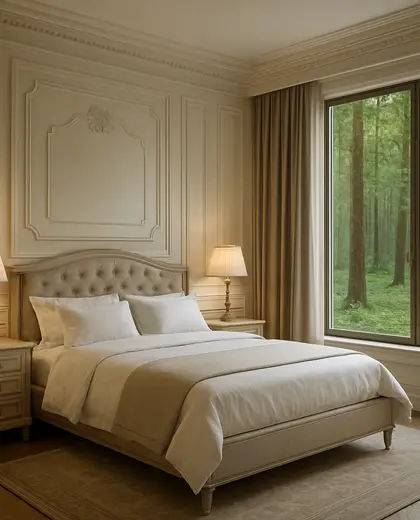
What kind of flooring suits a neoclassical forest interior?
Natural stone, wide-plank wood, or patterned stone floors work well, especially in finishes that feel matte or softly worn.
How do I keep the look from becoming too dark among dense trees?
Use pale walls, reflective but subtle surfaces, and generous glazing to bring in daylight, then add darker accents in small doses.
— The style
What defines it
Limestone, painted plaster, oak or walnut, bronze, and glass are the most common finishes.
Warm white, soft cream, moss and olive green, natural brown wood, and restrained dark metal accents.
Classical proportions and decorative detailing combined with forest views, natural light, and organic textures.
— Professionals
Who has already built it



- Karavaan Homefurniture sellers · High Point · 4 projectsView profile →
- roland a arriaga architecarchitects · 1 projectsView profile →
- annilee b watermanarchitects · Wylie · 5 projectsView profile →
— Questions
Frequently asked questions
Can neoclassical design work in a wooded setting without feeling formal or heavy?
Yes. Lighter wall colors, simpler mouldings, and large windows help the style feel calm and connected to the trees rather than overly ornate.
What kind of flooring suits a neoclassical forest interior?
Natural stone, wide-plank wood, or patterned stone floors work well, especially in finishes that feel matte or softly worn.
How do I keep the look from becoming too dark among dense trees?
Use pale walls, reflective but subtle surfaces, and generous glazing to bring in daylight, then add darker accents in small doses.