— Ideas & inspiration
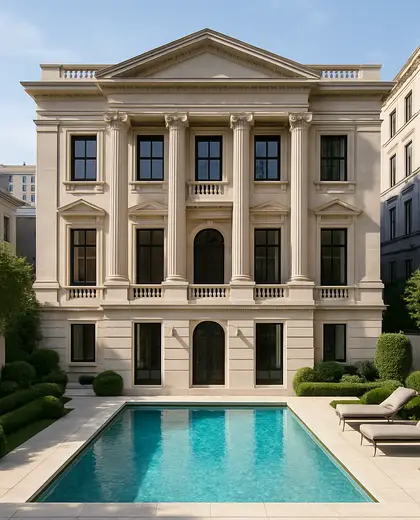
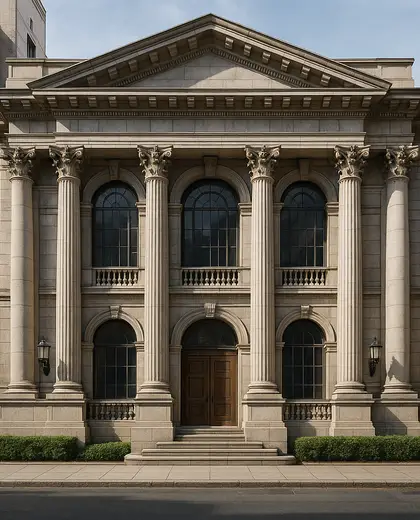
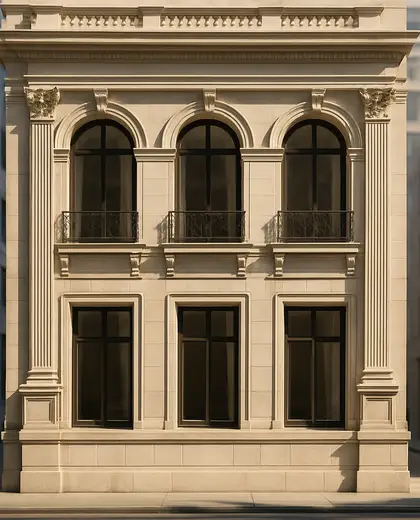
Neoclassical elegance in the city
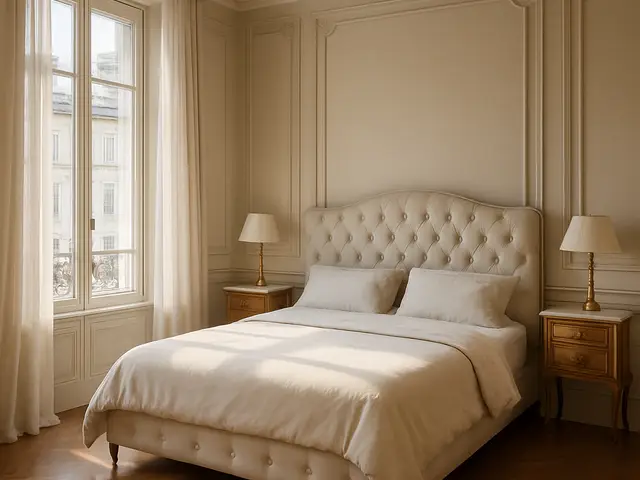
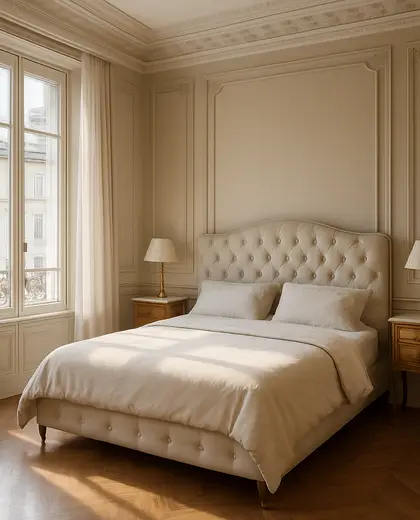
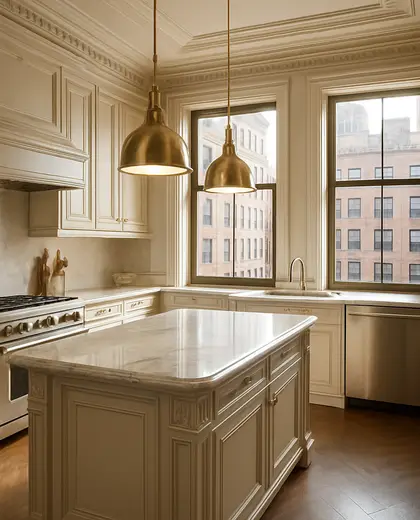
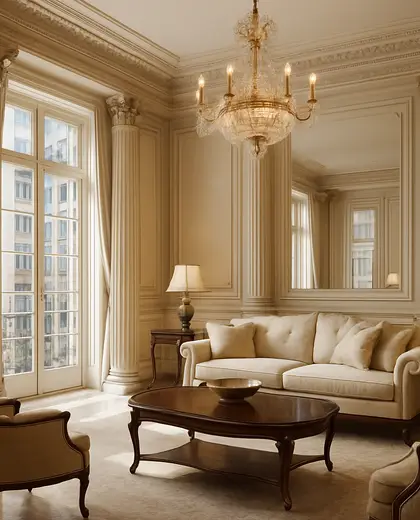
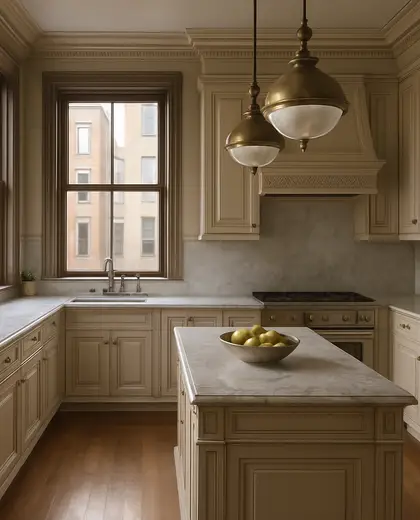
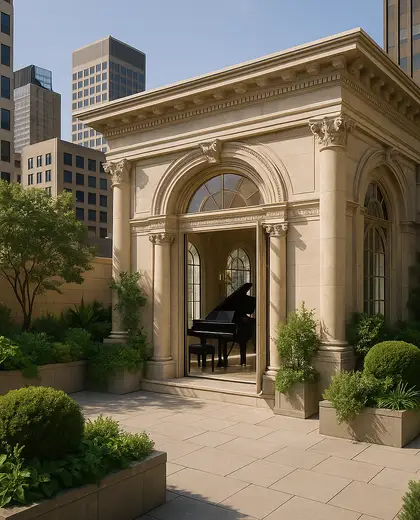
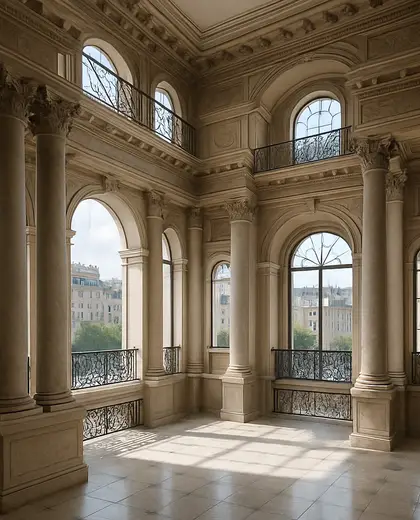
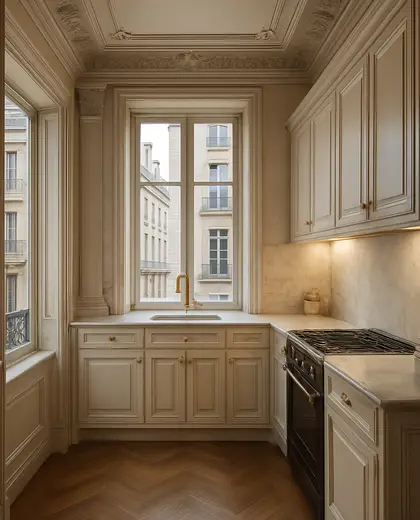
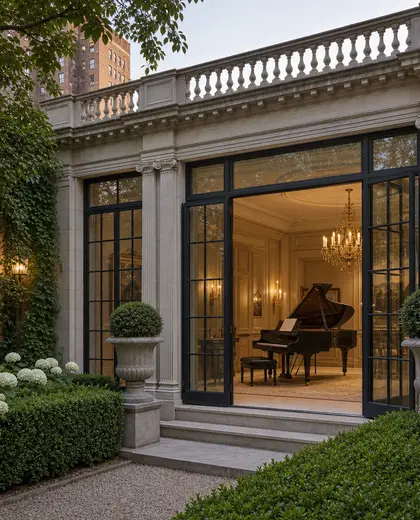
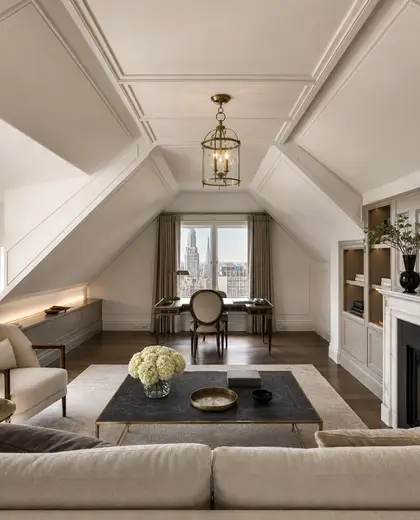
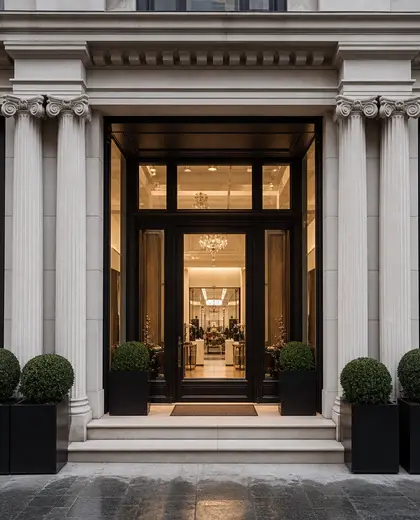
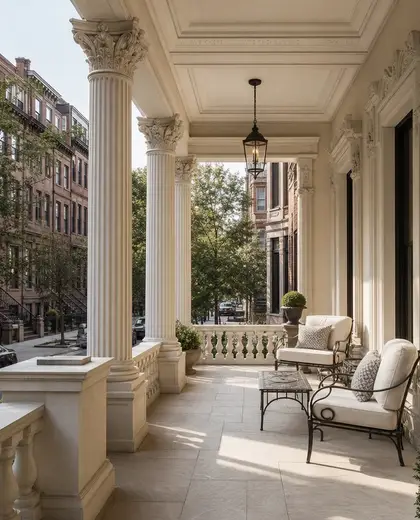
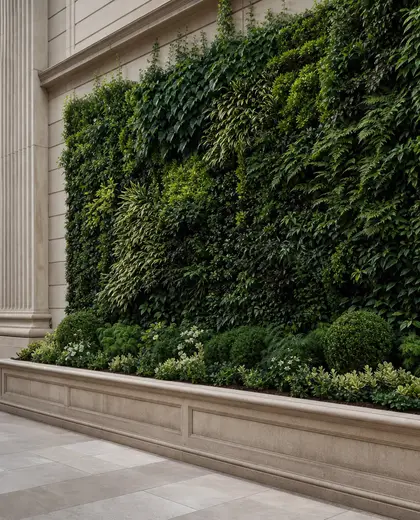
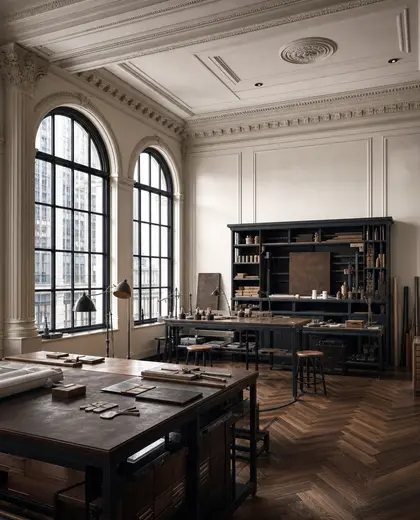
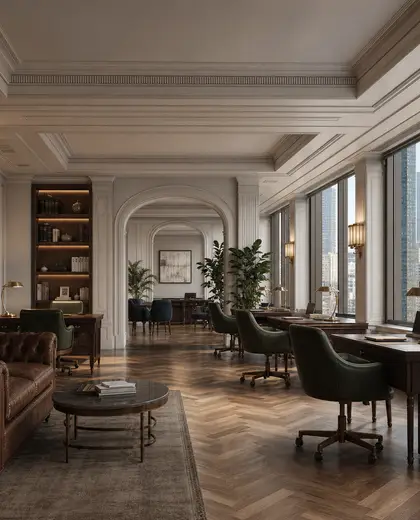
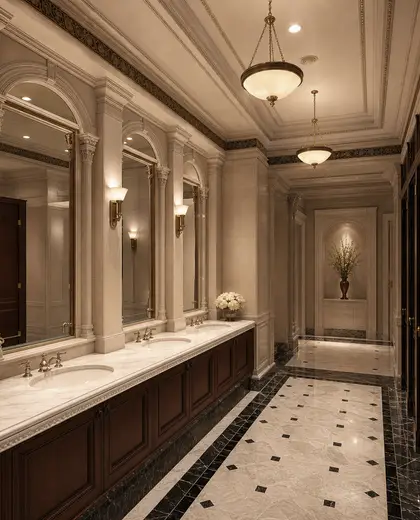
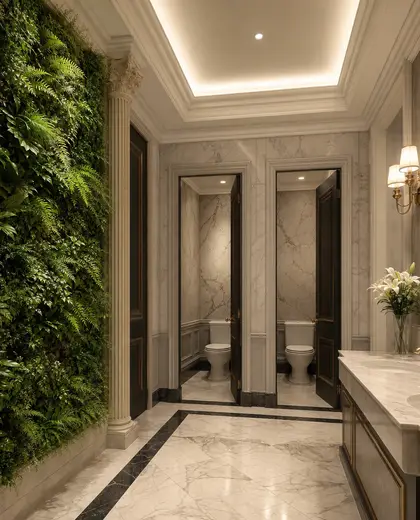
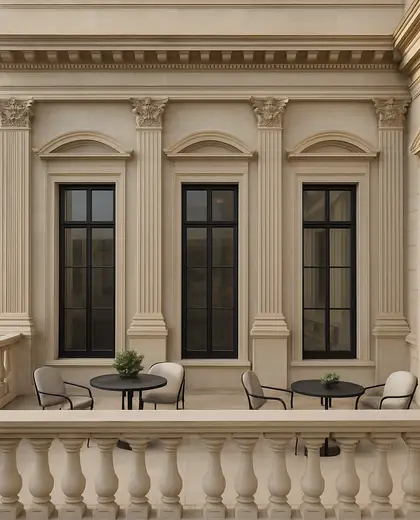
Neoclassical urban interiors combine classical symmetry and proportion with the grit and pace of city living. The look often uses stone, plaster, mouldings, tall openings, and structured furniture, balanced by darker metals, glass, and exposed architectural edges. The palette stays refined and metropolitan: warm whites, soft greys, charcoal, muted beige, and occasional black accents.
- neoclassical
- urban
— References
References to explore
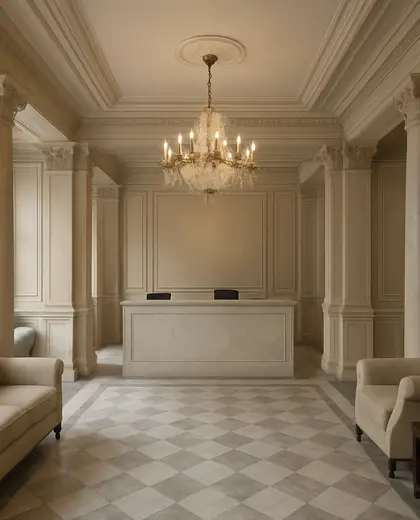
Will neoclassical urban style feel too formal for a home?
It can feel formal if every detail is ornate, but the urban side softens it with cleaner lines, open layouts, and simpler finishes.
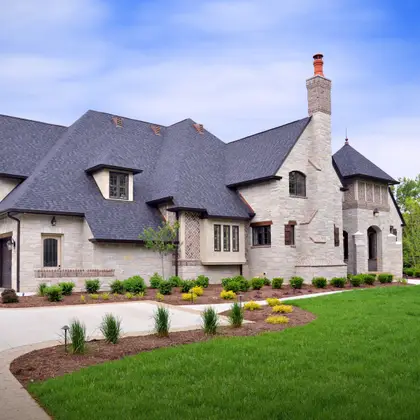
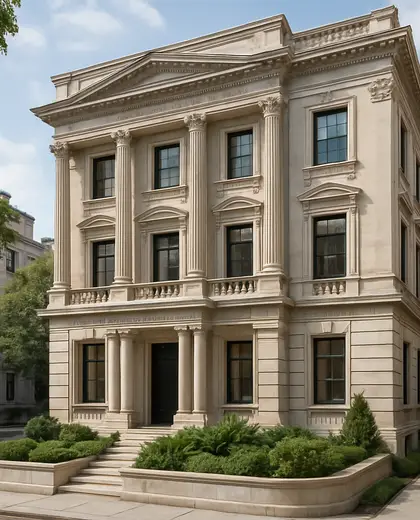
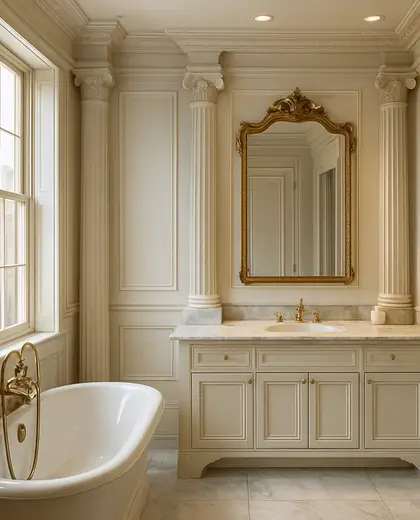
What rooms suit this composition best?
Living rooms, entry halls, dining areas, and apartments with strong window lines or tall ceilings work especially well.
How do I keep it from looking dated?
Use classical proportions and trim sparingly, then bring in modern lighting, simplified furniture, and fewer but higher-quality decorative pieces.

— The style
What defines it
Plaster, marble, stone, painted woodwork, bronze or black metal, and glass are common.
Warm white, ivory, greige, soft grey, charcoal, and restrained black details.
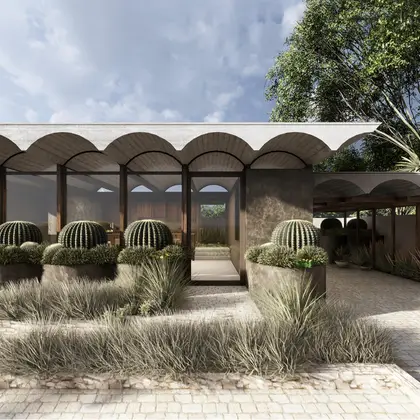
It pairs classical detailing with urban features like loft layouts, large windows, industrial metalwork, and polished concrete.
— Professionals
Who has already built it
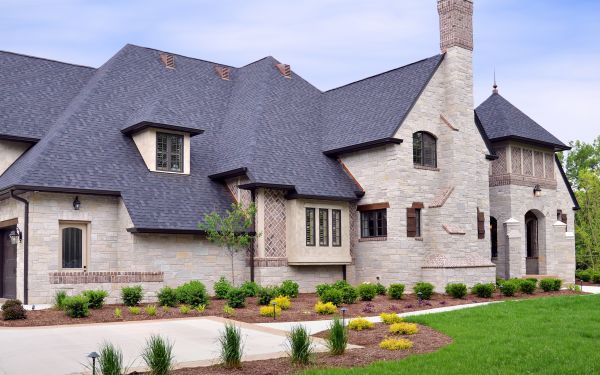



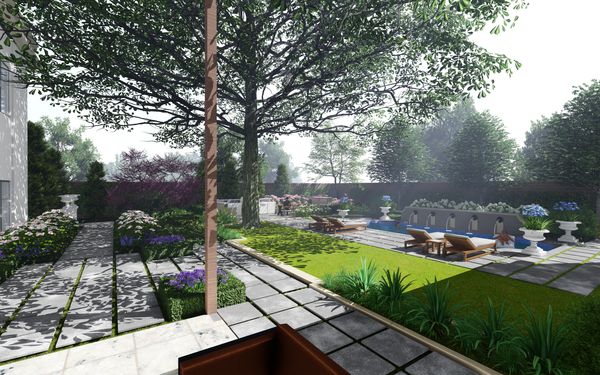

- annilee b watermanarchitects · Wylie · 5 projectsView profile →
- Karavaan Homefurniture sellers · High Point · 4 projectsView profile →
- roland a arriaga architecarchitects · 1 projectsView profile →
— Questions
Frequently asked questions
Will neoclassical urban style feel too formal for a home?
It can feel formal if every detail is ornate, but the urban side softens it with cleaner lines, open layouts, and simpler finishes.
What rooms suit this composition best?
Living rooms, entry halls, dining areas, and apartments with strong window lines or tall ceilings work especially well.
How do I keep it from looking dated?
Use classical proportions and trim sparingly, then bring in modern lighting, simplified furniture, and fewer but higher-quality decorative pieces.