— Ideas & inspiration
Neoclassical calm in the mountains
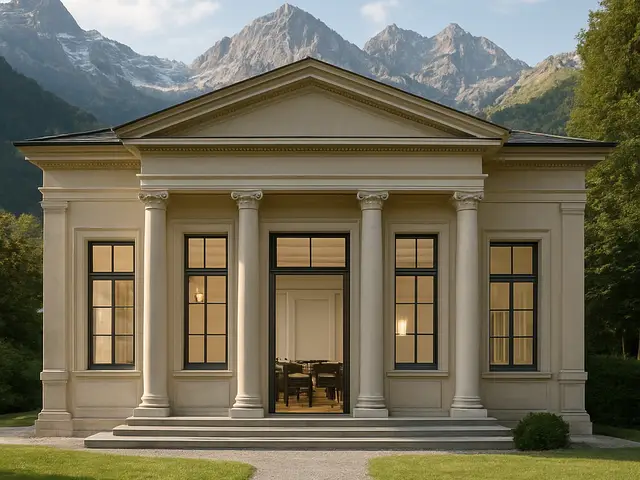
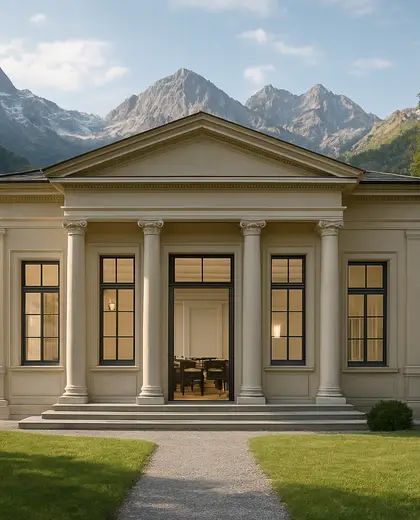
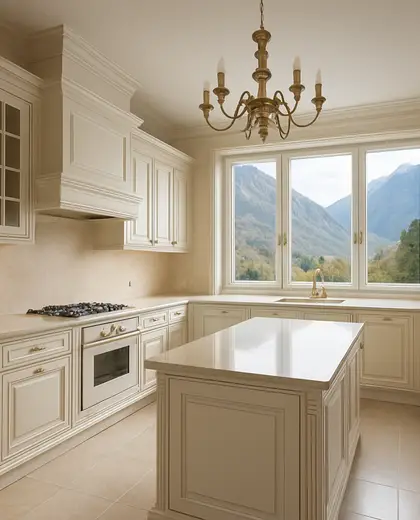
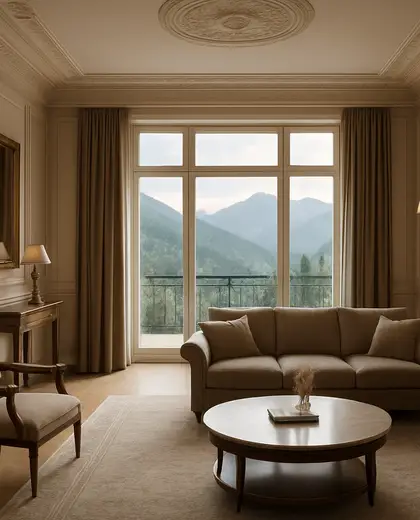
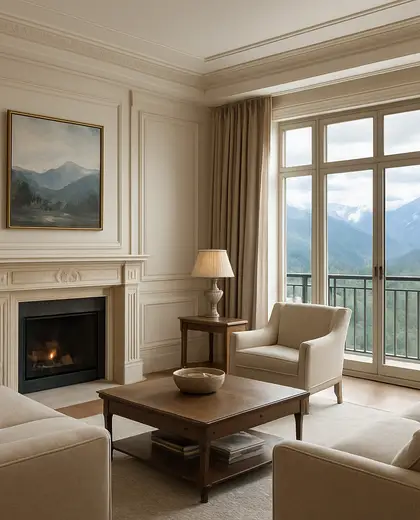
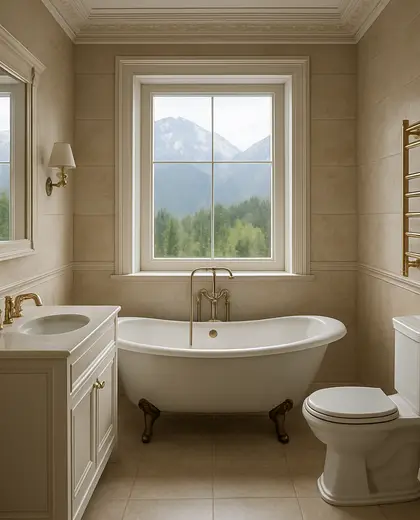
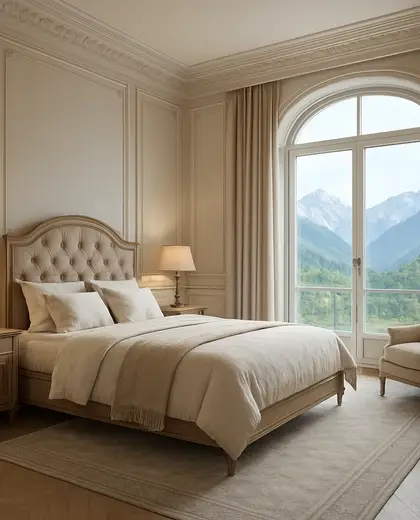
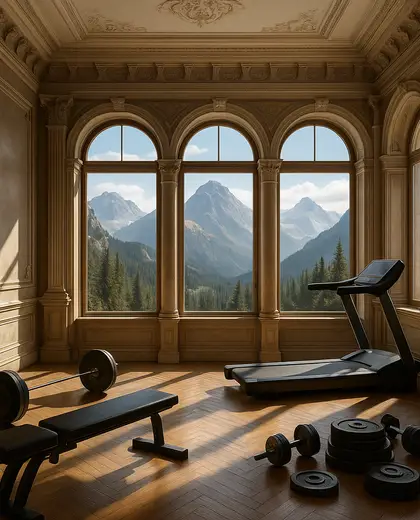
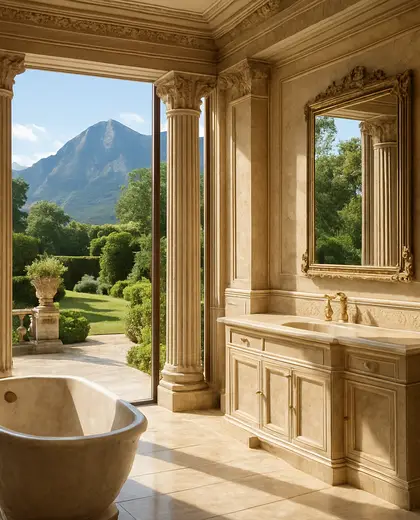
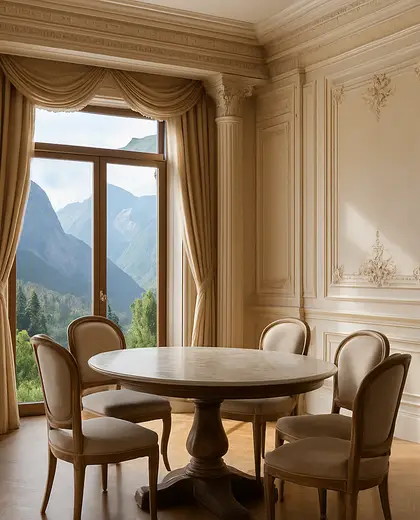
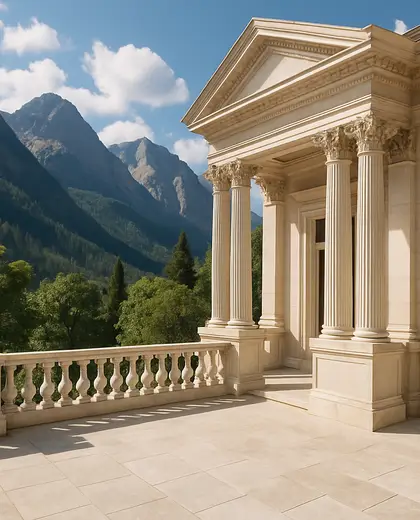
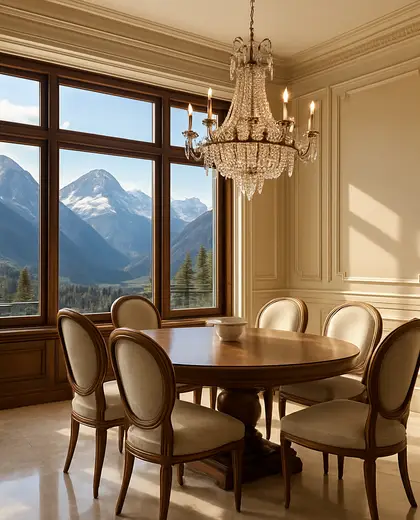
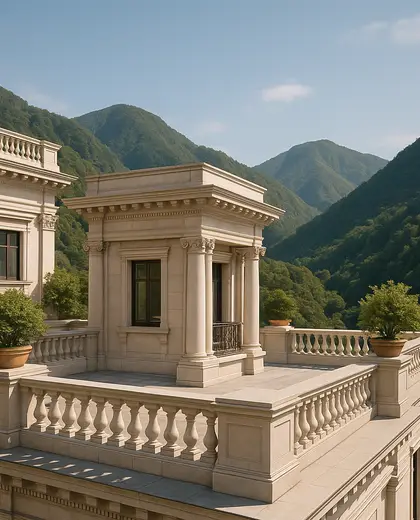
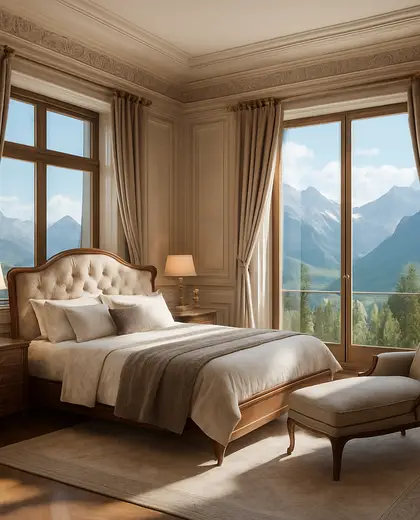
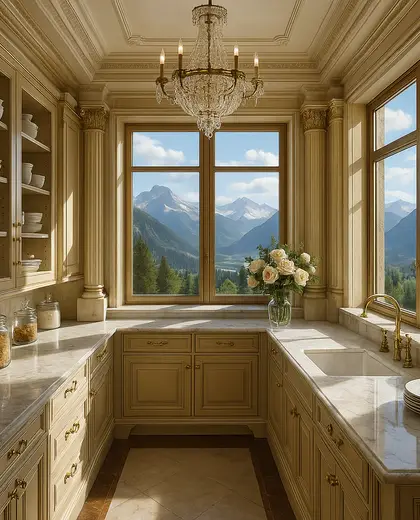
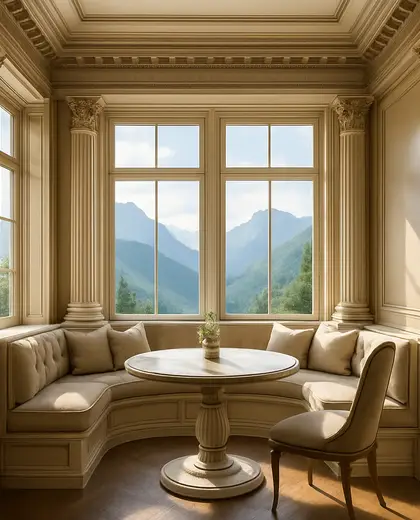
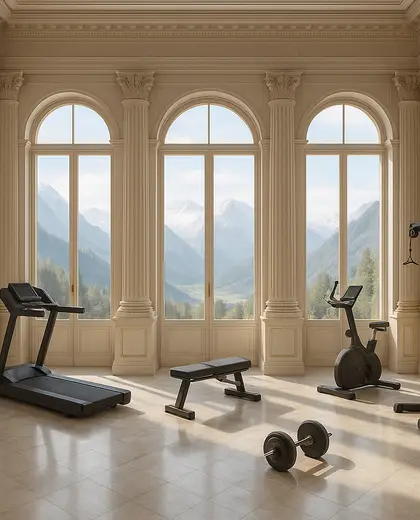
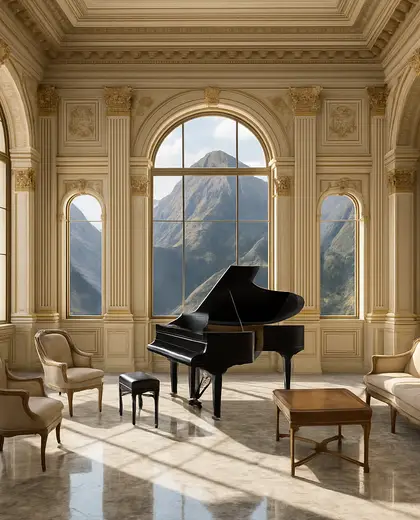
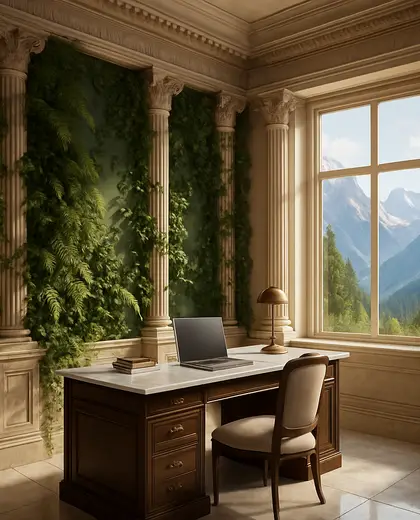
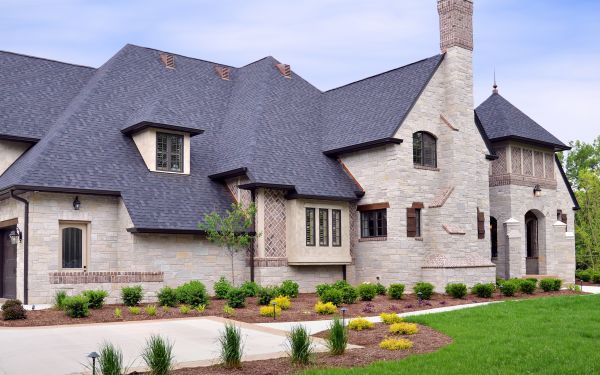
This composition pairs neoclassical symmetry and proportion with a mountain setting, using stone, timber, plaster, and metal details that feel grounded in the landscape. The palette is usually restrained: warm whites, greige, natural stone, deep wood tones, and dark roof accents. Key elements include formal entries, balanced facades, tall windows, columns or pilasters, and sturdy forms that suit cold weather and steep sites.
- neoclassical
- mountain
— References
References to explore
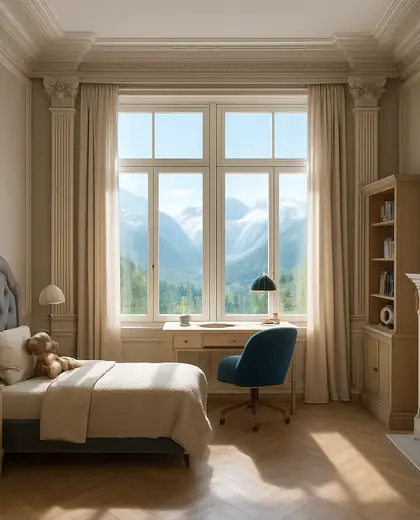
Does neoclassical style work well in a mountain setting?
Yes. The style can adapt well when the massing is kept solid, the details are restrained, and the materials are appropriate for snow, wind, and temperature swings.
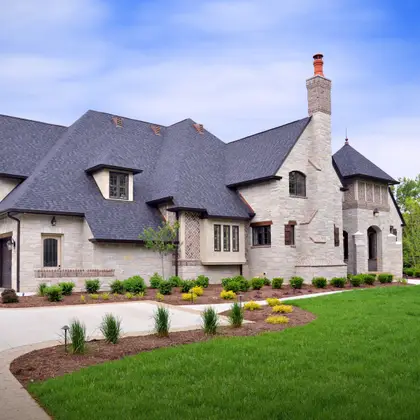
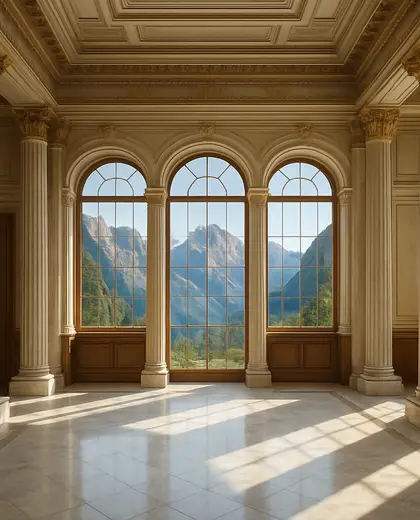
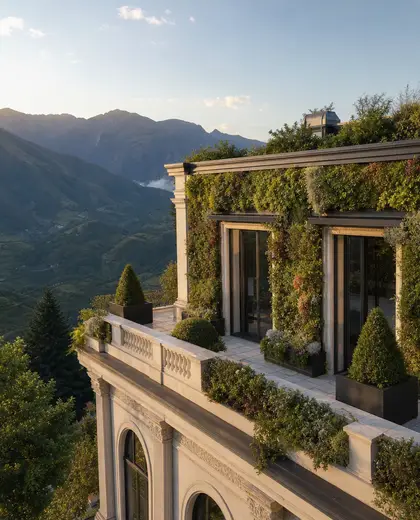
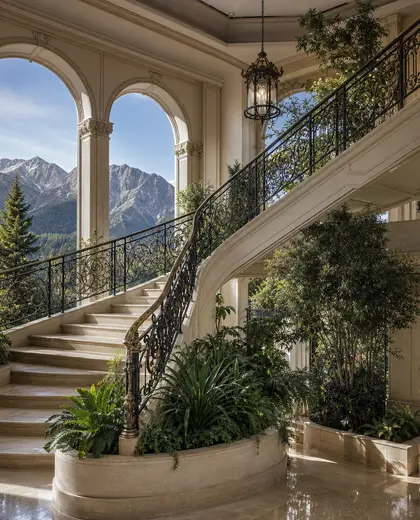
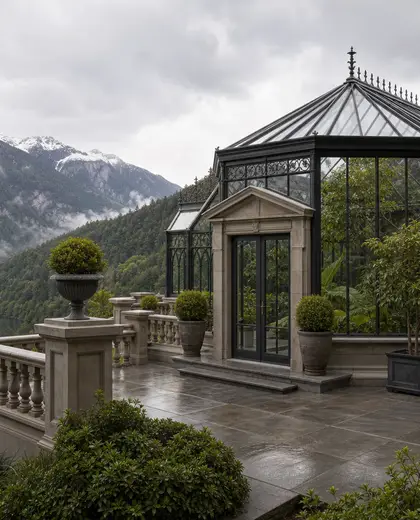
What exterior features make it feel neoclassical rather than rustic?
Look for symmetry, a centered entry, aligned windows, pilasters or columns, classical trim, and a controlled façade rather than irregular chalet-like forms.
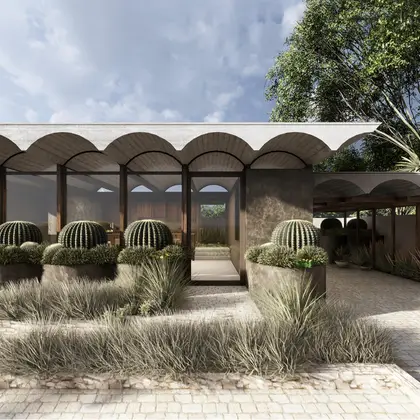
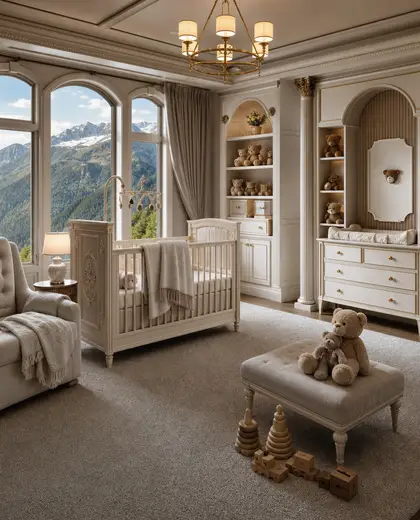
Can this composition feel modern without losing its character?
Yes. Simplifying the ornament, using cleaner window profiles, and pairing classical proportions with natural stone and timber can make it feel current while still recognizable.
— The style
What defines it
Stone, lime plaster, timber, ironwork, and slate or metal roofing are common, chosen for durability and a solid, traditional look.
Warm white, cream, taupe, soft gray, natural wood, and charcoal or black accents keep the scheme calm and rooted.
It combines classical symmetry and detailing with mountain-oriented construction, larger overhangs, heavier massing, and weather-resistant finishes.
— Professionals
Who has already built it



- Karavaan Homefurniture sellers · High Point · 4 projectsView profile →
- roland a arriaga architecarchitects · 1 projectsView profile →
- annilee b watermanarchitects · Wylie · 5 projectsView profile →
— Questions
Frequently asked questions
Does neoclassical style work well in a mountain setting?
Yes. The style can adapt well when the massing is kept solid, the details are restrained, and the materials are appropriate for snow, wind, and temperature swings.
What exterior features make it feel neoclassical rather than rustic?
Look for symmetry, a centered entry, aligned windows, pilasters or columns, classical trim, and a controlled façade rather than irregular chalet-like forms.
Can this composition feel modern without losing its character?
Yes. Simplifying the ornament, using cleaner window profiles, and pairing classical proportions with natural stone and timber can make it feel current while still recognizable.