— Ideas & inspiration
Ocean-light facades with coastal texture
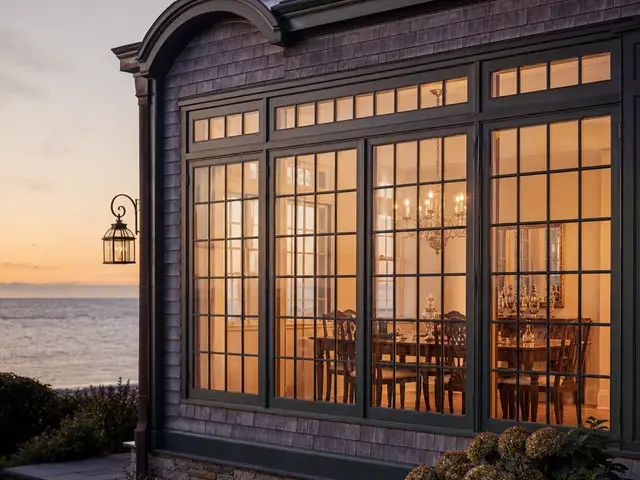
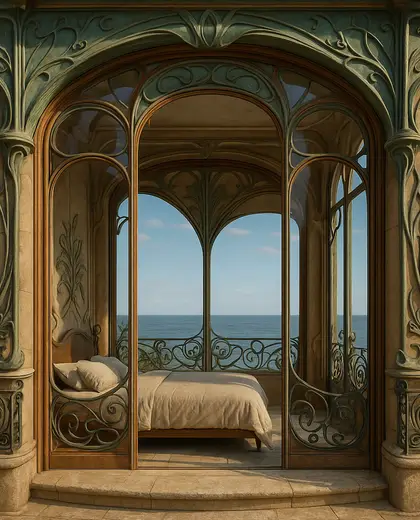
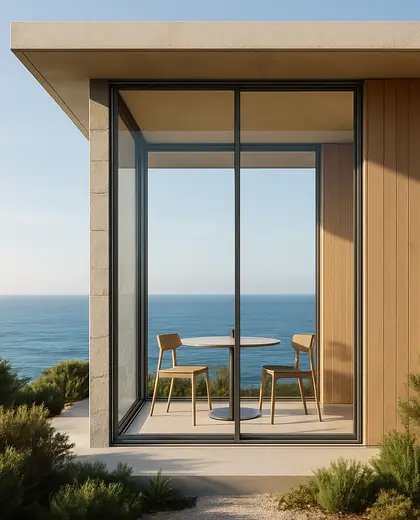
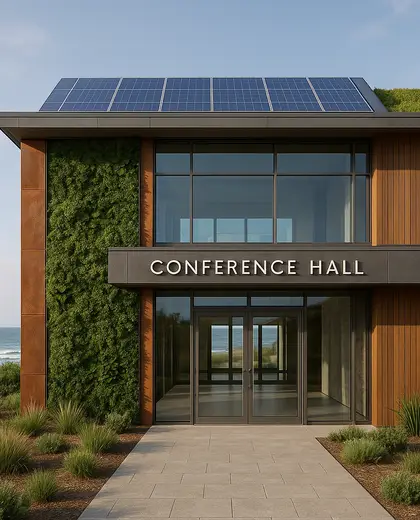
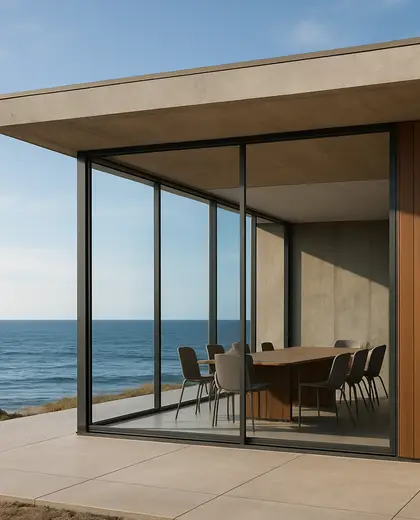
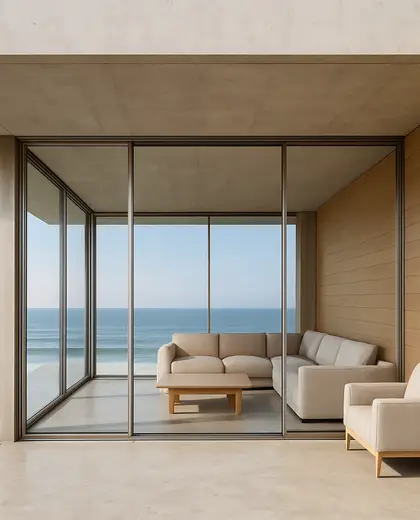
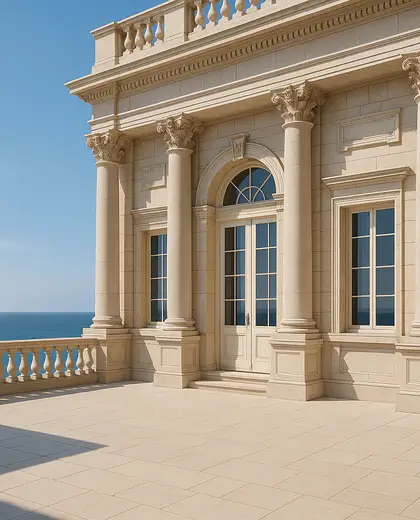
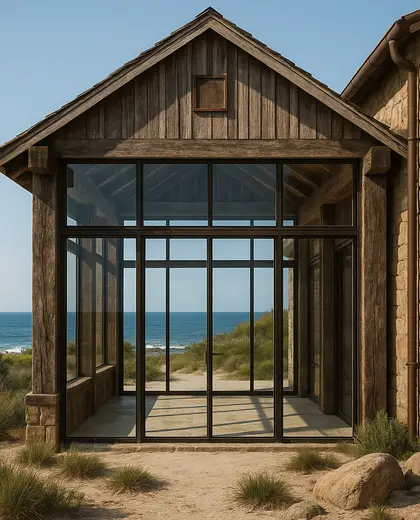
This composition is defined by a facade shaped by the sea: weathered textures, reflective glazing, and crisp horizontal lines that echo the horizon. Materials often include timber, stone, concrete, metal, and salt-resistant finishes in a soft coastal palette of white, sand, grey, and blue-green. The result is an exterior that feels calm, durable, and closely tied to its waterfront setting.
- facade
- ocean
— References
References to explore
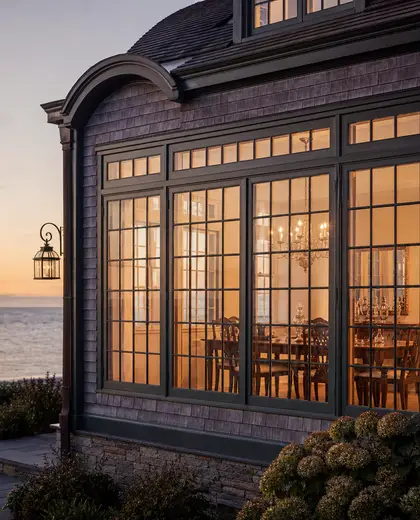
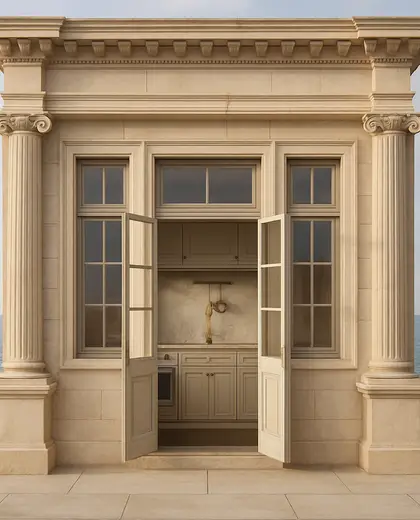
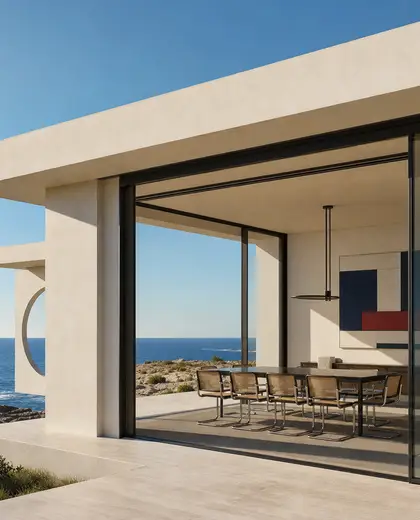
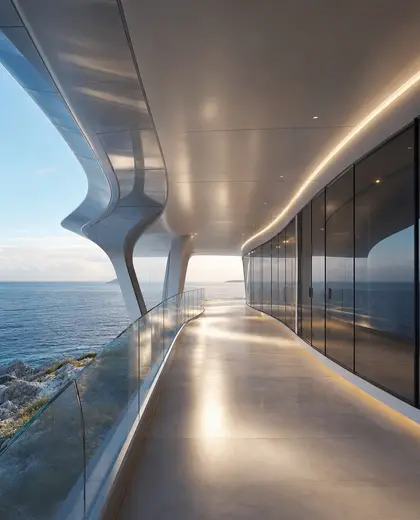
What makes a facade feel ocean-inspired without being too literal?
Use restrained coastal cues such as horizontal proportions, pale finishes, textured surfaces, and materials that weather naturally. Avoid obvious nautical motifs and let light, air, and view orientation do most of the work.
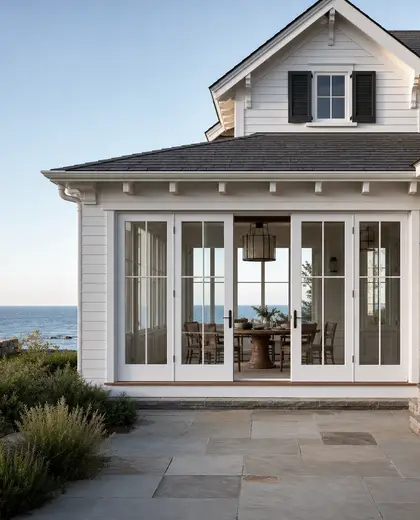
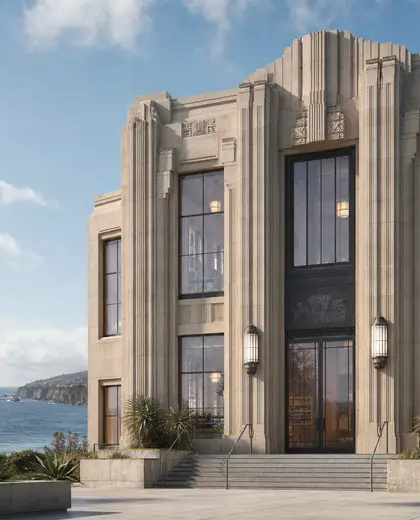
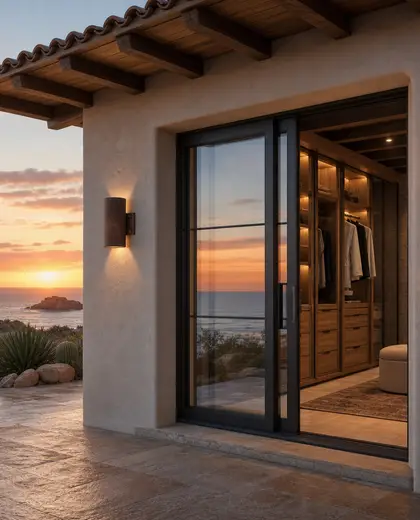
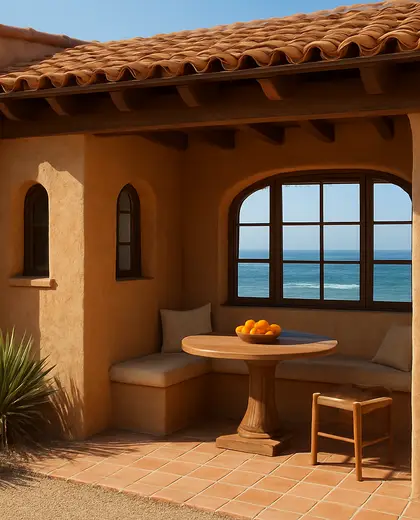
Which materials hold up best near the sea?
Durable, low-maintenance materials are usually preferred, including treated timber, stone, fiber-cement, concrete, stainless steel, and marine-grade aluminum or glazing. Details should also account for salt exposure, moisture, and wind.
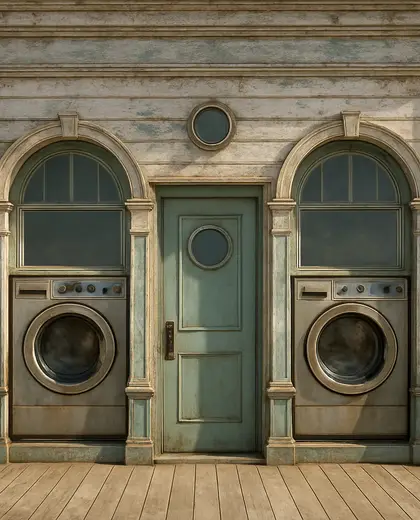
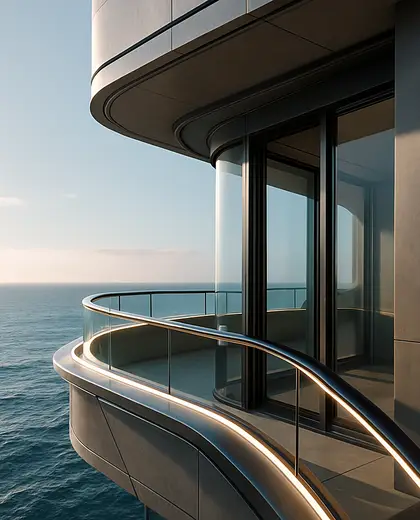
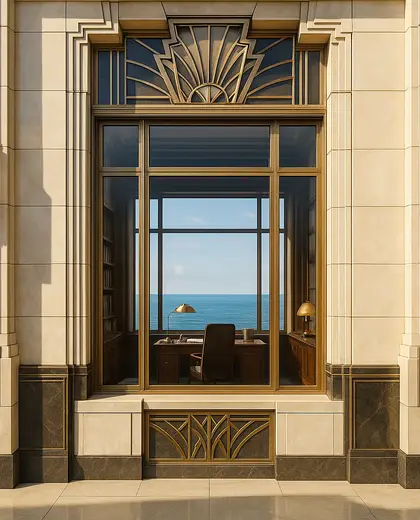
How do I keep a coastal facade from looking washed out?
Balance light colors with deeper accents like charcoal metal, darker timber, or shadow gaps. Texture, shading devices, and strong window framing help add depth while staying in a soft coastal range.
— The style
What defines it
Timber slats, stone, board-formed concrete, anodized metal, and marine-grade glazing are common choices.
White, sand, driftwood brown, mist grey, slate, and muted ocean blue keep the facade light and coastal.
Works well with terraces, large openings, balconies, screens, and other elements that frame views and manage sun and wind.
— Professionals
Who has already built it
- shahinazarchitects · New York · 6 projectsView profile →
- Karavaan Homefurniture sellers · High Point · 4 projectsView profile →
- jacob galleslandscape designers · 6 projectsView profile →
- pfuner designinterior designers · 11 projectsView profile →
— Explore
Keep exploring
— Questions
Frequently asked questions
What makes a facade feel ocean-inspired without being too literal?
Use restrained coastal cues such as horizontal proportions, pale finishes, textured surfaces, and materials that weather naturally. Avoid obvious nautical motifs and let light, air, and view orientation do most of the work.
Which materials hold up best near the sea?
Durable, low-maintenance materials are usually preferred, including treated timber, stone, fiber-cement, concrete, stainless steel, and marine-grade aluminum or glazing. Details should also account for salt exposure, moisture, and wind.
How do I keep a coastal facade from looking washed out?
Balance light colors with deeper accents like charcoal metal, darker timber, or shadow gaps. Texture, shading devices, and strong window framing help add depth while staying in a soft coastal range.