— Ideas & inspiration
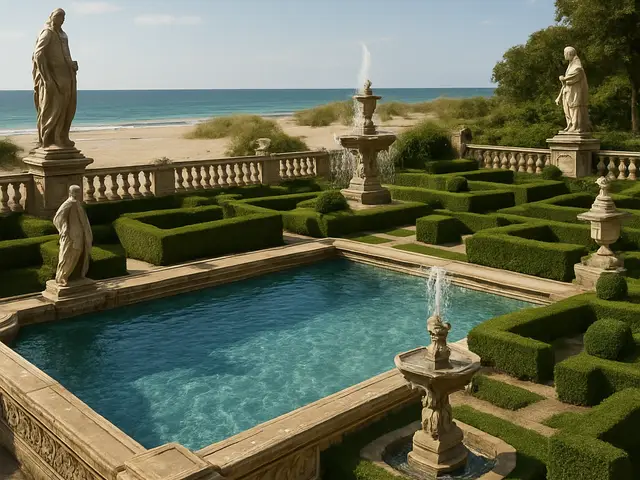
Renaissance light on the shoreline
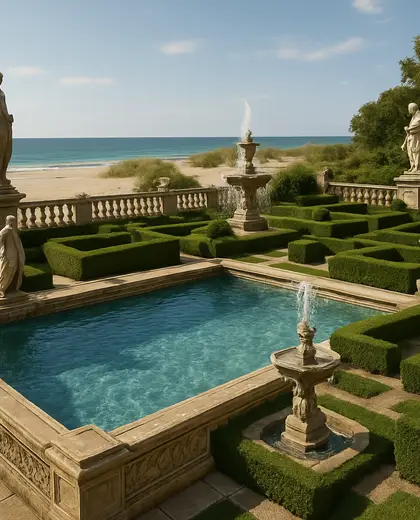
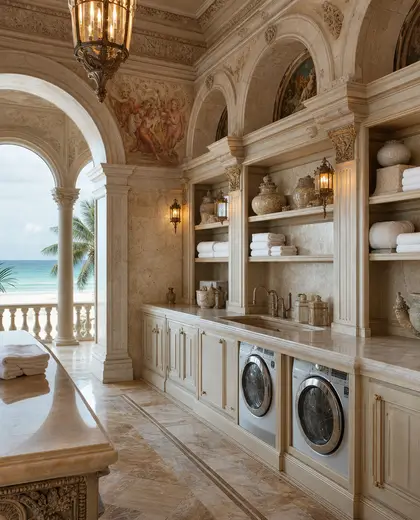
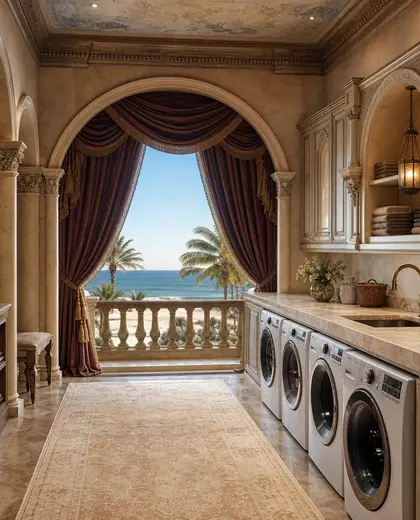
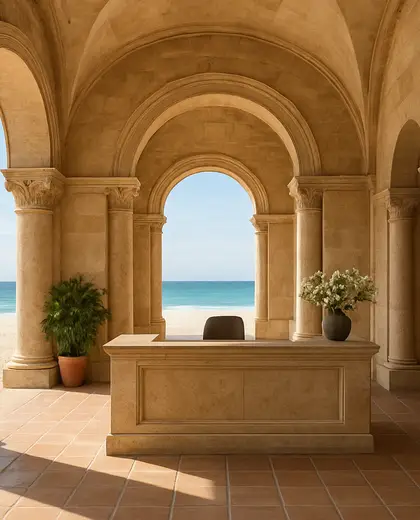
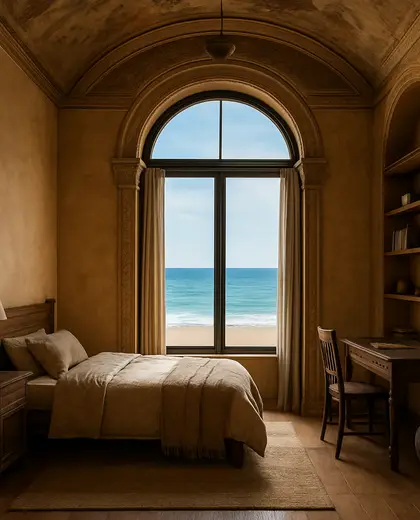
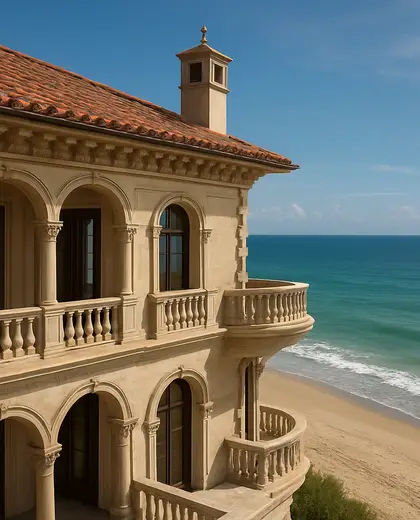
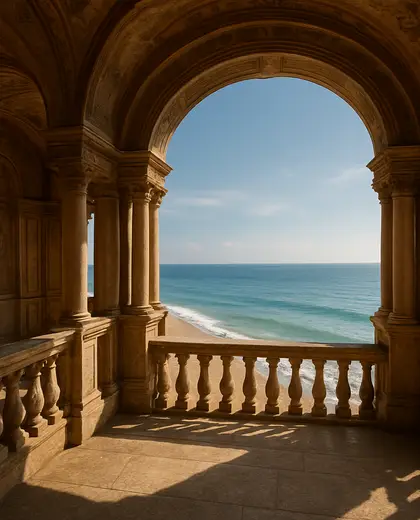
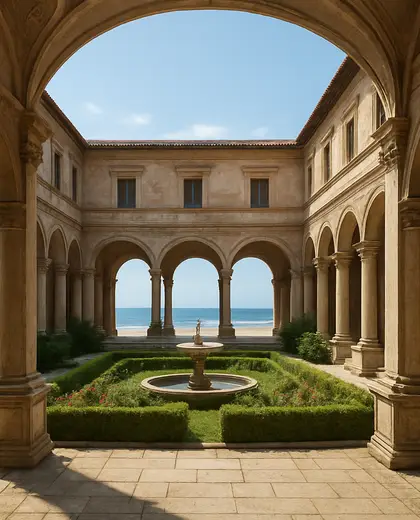
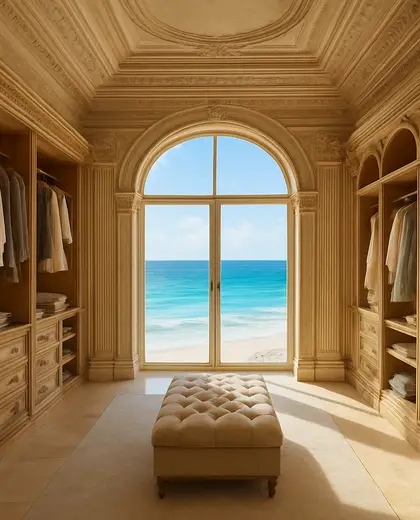
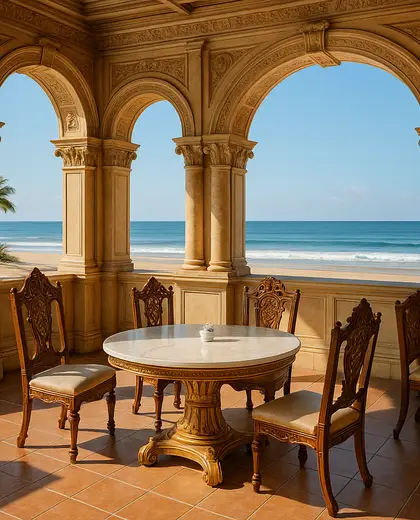
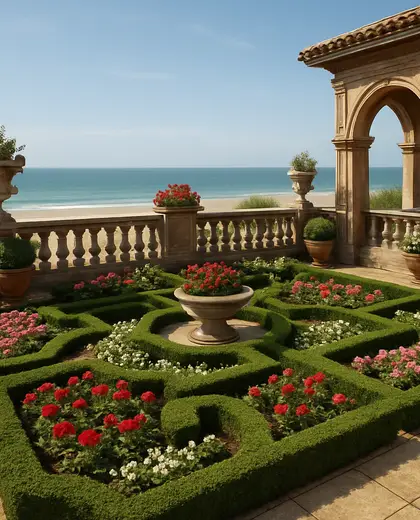
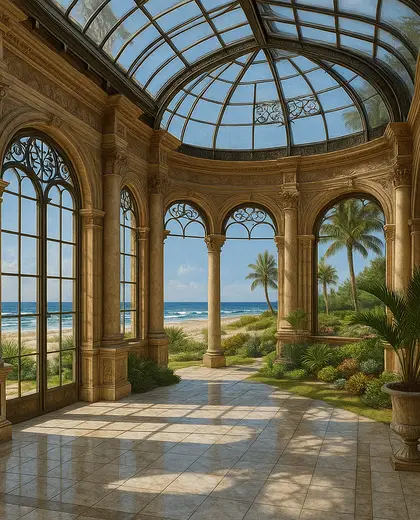
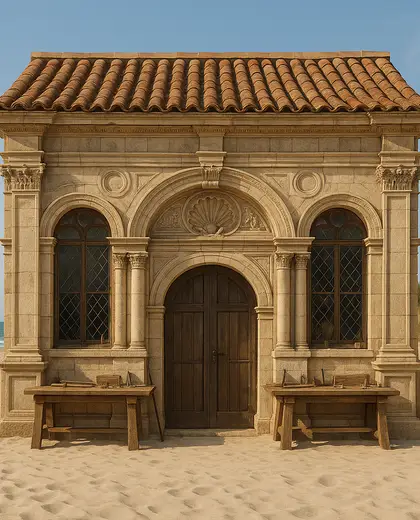
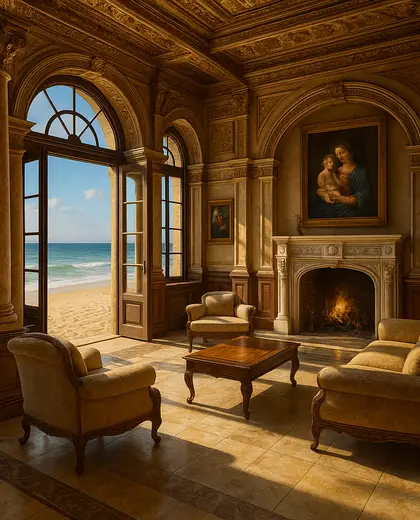
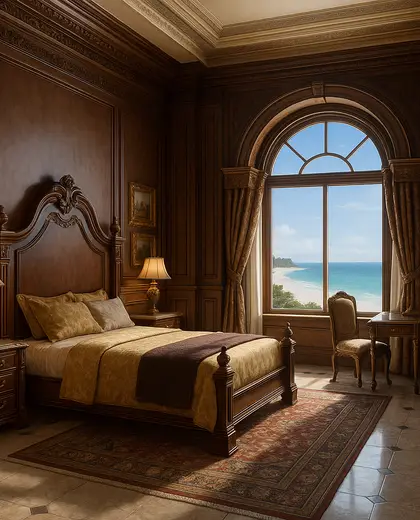
This composition pairs Renaissance symmetry and ornament with a relaxed coastal shell. Expect stone, plaster, arched openings, columns, and carved detailing balanced by breezy terraces, sun-washed surfaces, and wide views to the water. The look feels formal in structure but softened by salt air materials and an open, light-filled plan.
- renaissance
- beach
— References
References to explore
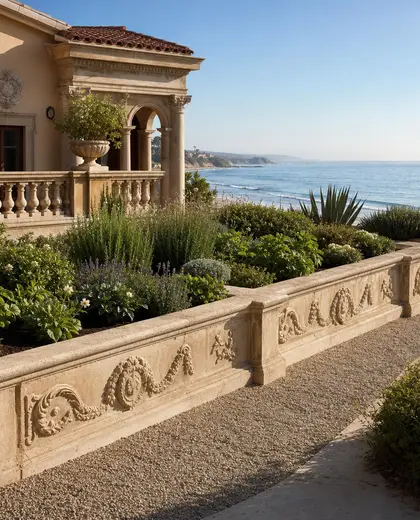
How do I keep a Renaissance-inspired beach house from feeling too heavy?
Use the classical elements in a restrained way and keep the envelope light: pale plaster, larger openings, simpler trim, and fewer but stronger decorative moments. Coastal daylight and airy proportions help prevent the architecture from feeling overly formal.
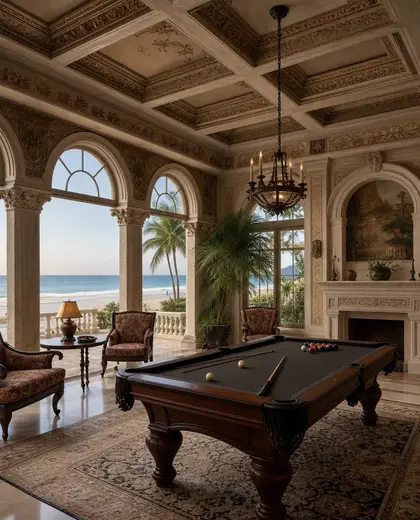
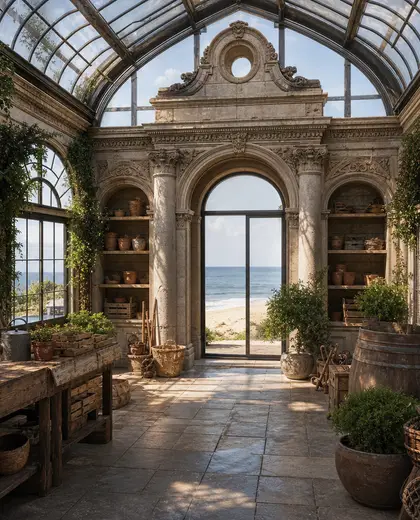
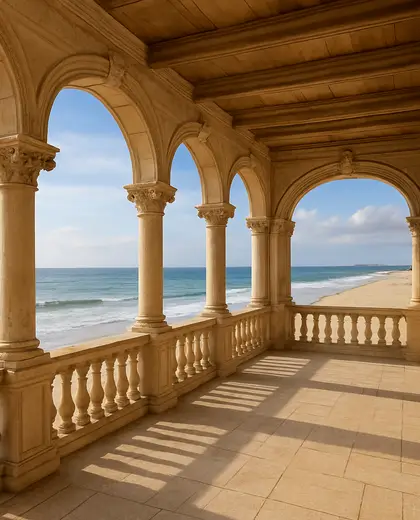
What materials work best near the coast?
Choose durable, low-porosity materials that tolerate salt air, such as sealed stone, lime plaster, treated timber, corrosion-resistant metal, and quality exterior tile. Avoid overly delicate finishes in exposed areas.
Can this style include modern beach-house features?
Yes. The composition usually works best when classic massing and details are paired with modern glazing, shaded outdoor rooms, and a practical open plan. That keeps the house usable while preserving the Renaissance character.
— The style
What defines it
Plaster, limestone, marble accents, timber, wrought iron, and coastal stone or tile.
Warm whites, sand, pale stone, muted blue-green, seafoam, and weathered earth tones.
Classical arches, pilasters, symmetry, loggias, verandas, and beachfront indoor-outdoor living.
— Professionals
Who has already built it
- todd verwers architectsarchitects · San Diego · 6 projectsView profile →
- jacob galleslandscape designers · 6 projectsView profile →
- pfuner designinterior designers · 11 projectsView profile →
- Karavaan Homefurniture sellers · High Point · 4 projectsView profile →
— Explore
Keep exploring
— Questions
Frequently asked questions
How do I keep a Renaissance-inspired beach house from feeling too heavy?
Use the classical elements in a restrained way and keep the envelope light: pale plaster, larger openings, simpler trim, and fewer but stronger decorative moments. Coastal daylight and airy proportions help prevent the architecture from feeling overly formal.
What materials work best near the coast?
Choose durable, low-porosity materials that tolerate salt air, such as sealed stone, lime plaster, treated timber, corrosion-resistant metal, and quality exterior tile. Avoid overly delicate finishes in exposed areas.
Can this style include modern beach-house features?
Yes. The composition usually works best when classic massing and details are paired with modern glazing, shaded outdoor rooms, and a practical open plan. That keeps the house usable while preserving the Renaissance character.