— Ideas & inspiration
Neoclassical facades with timeless symmetry
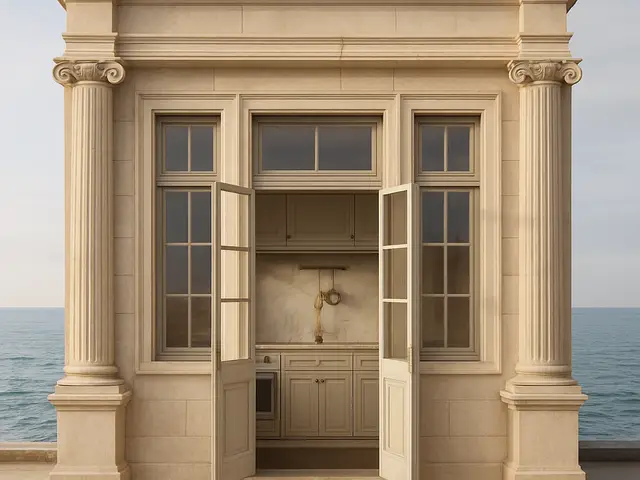
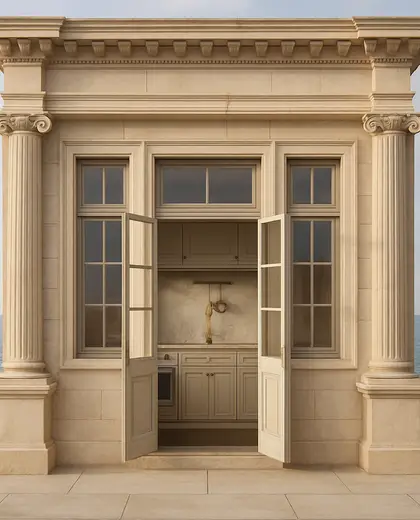
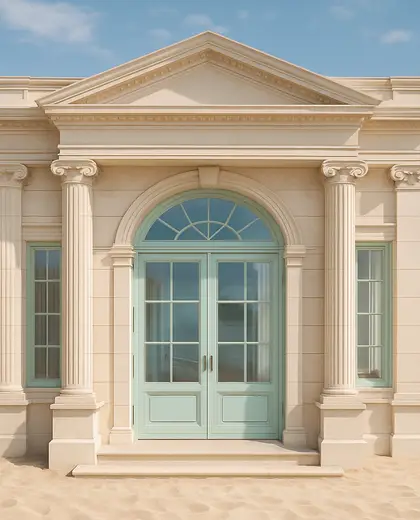
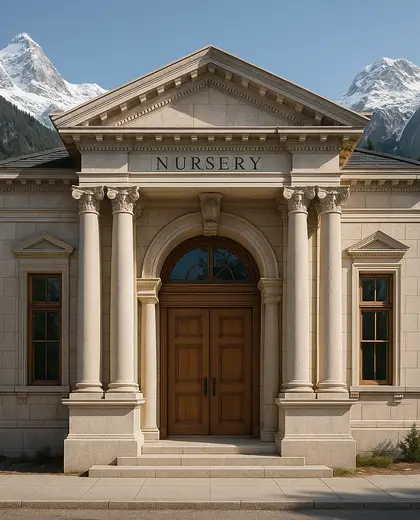
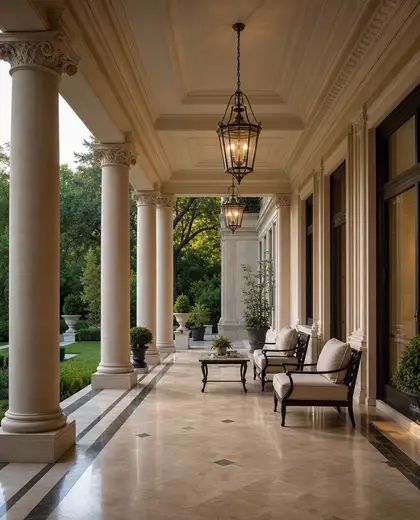
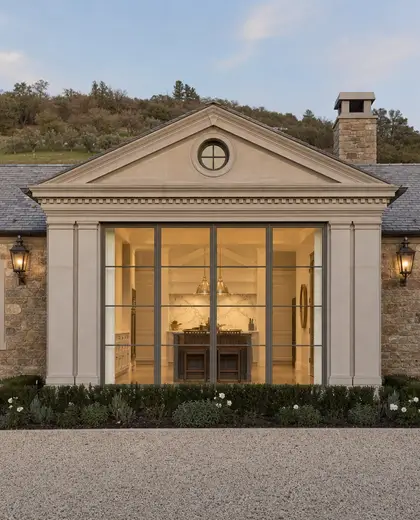
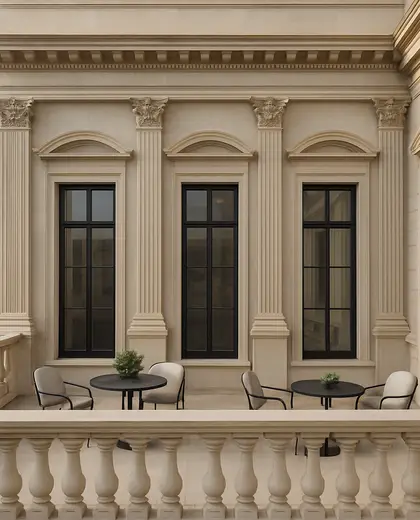
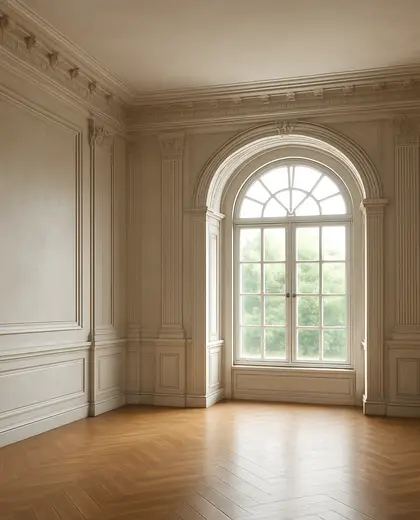
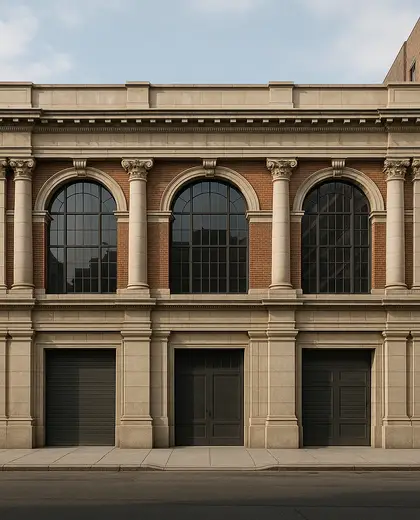
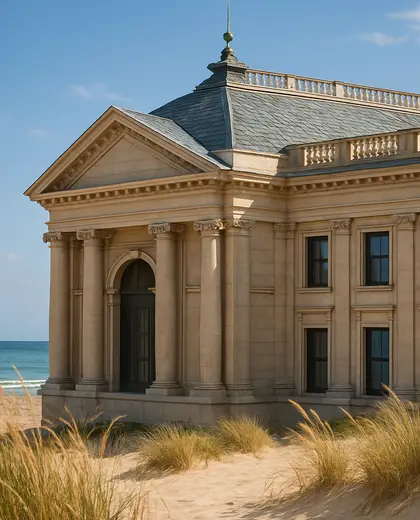
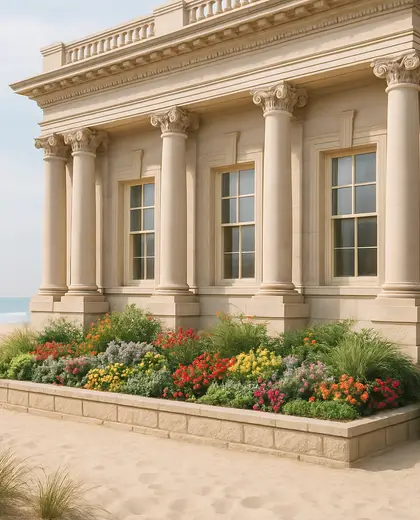
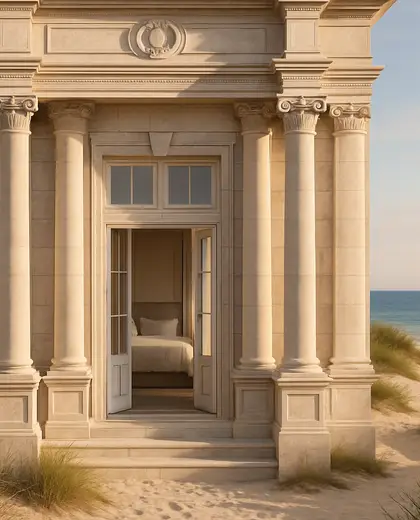
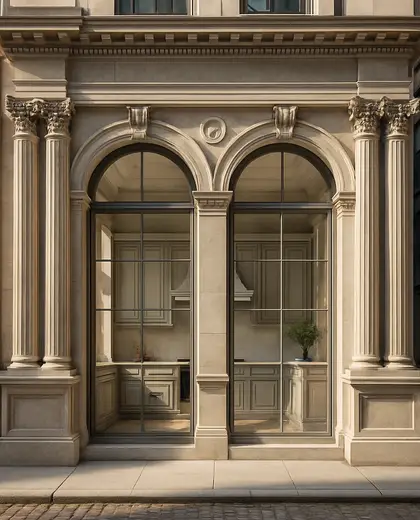
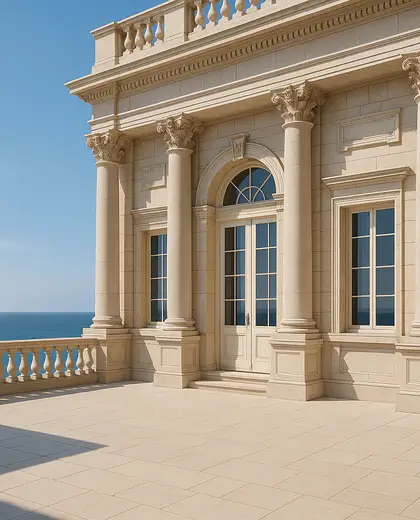
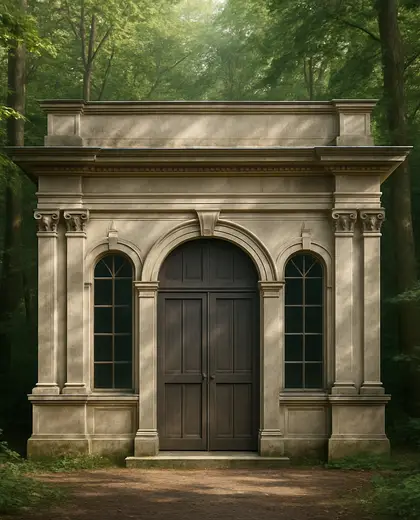
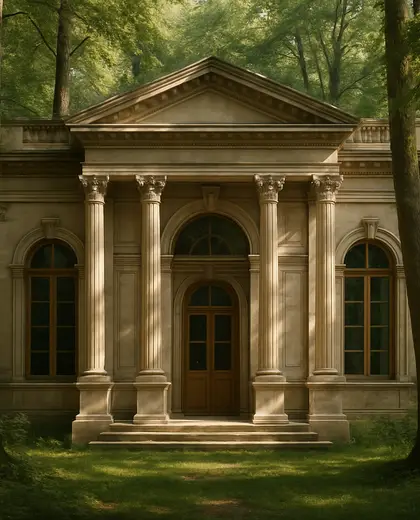
A neoclassical facade is defined by balanced proportions, a clear central axis, and classical details such as columns, pilasters, cornices, pediments, and molded surrounds. It is often finished in stone, stucco, or painted masonry, with a restrained palette of white, cream, warm gray, and soft beige. The composition combines classical ornament with clean, formal massing to create an orderly, elegant front elevation.
- facade
- neoclassical
— References
References to explore
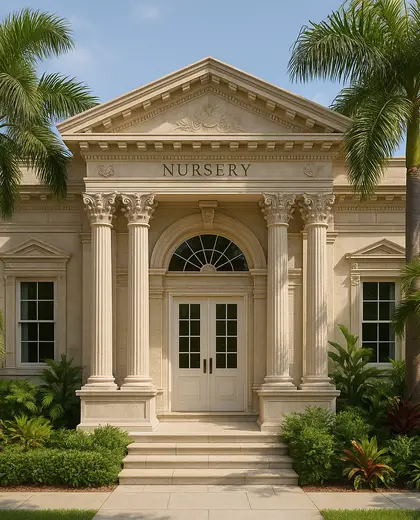
What makes a facade look neoclassical?
Symmetry, strong proportions, and classical architectural details are the main signs, especially columns, cornices, pediments, and formal window alignment.
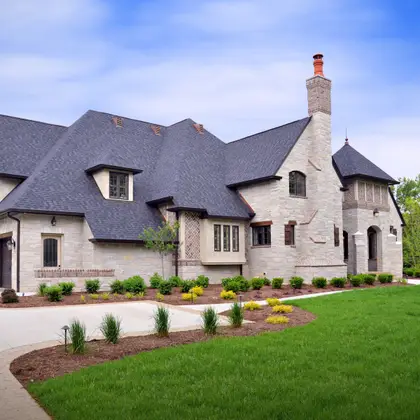
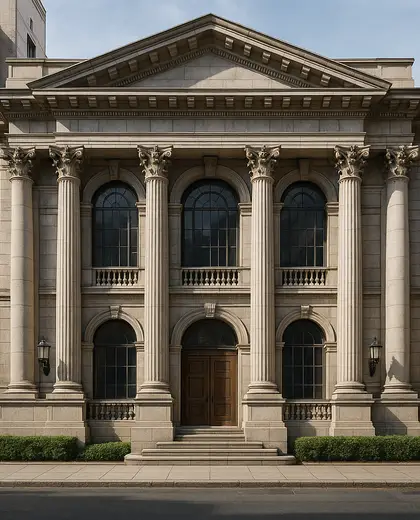
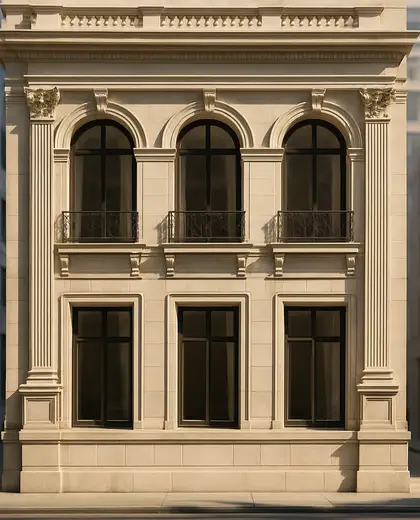
Can a neoclassical facade feel modern?
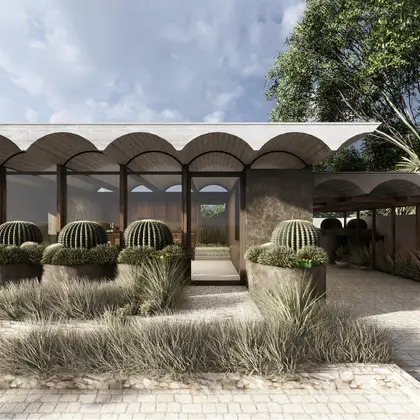
Yes. You can simplify the ornament, keep the symmetry, and use cleaner lines or larger glazing while still retaining the classical structure.
What exterior finishes suit this style best?
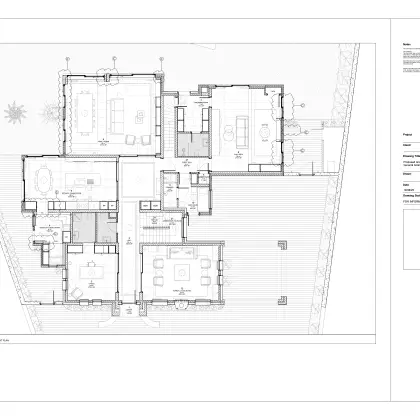
Smooth stucco, stone cladding, painted masonry, and carefully detailed trim all suit the style well, especially when used in a light, muted palette.
— The style
What defines it
Stone, stucco, painted brick, and plastered moldings are common, often paired with cast details or smooth rendered surfaces.
Typically light and restrained: white, ivory, cream, sand, pale gray, and muted taupe, sometimes accented with black or bronze hardware.
Works with symmetrical front entries, tall windows, porticos, balconies, and classical trim to reinforce a formal facade.
— Professionals
Who has already built it


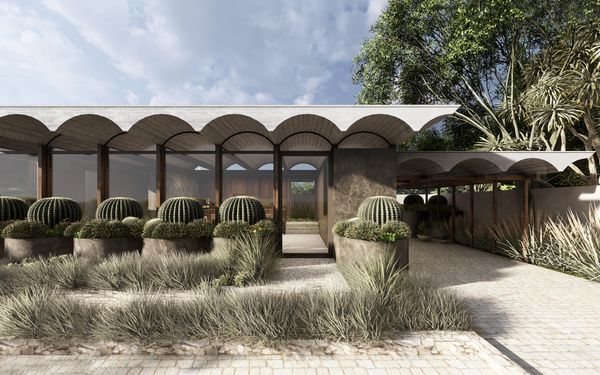

- annilee b watermanarchitects · Wylie · 5 projectsView profile →
- Karavaan Homefurniture sellers · High Point · 4 projectsView profile →
- jacob galleslandscape designers · 1 projectsView profile →
- roland a arriaga architecarchitects · 1 projectsView profile →
— Explore
Keep exploring
— Questions
Frequently asked questions
What makes a facade look neoclassical?
Symmetry, strong proportions, and classical architectural details are the main signs, especially columns, cornices, pediments, and formal window alignment.
Can a neoclassical facade feel modern?
Yes. You can simplify the ornament, keep the symmetry, and use cleaner lines or larger glazing while still retaining the classical structure.
What exterior finishes suit this style best?
Smooth stucco, stone cladding, painted masonry, and carefully detailed trim all suit the style well, especially when used in a light, muted palette.