— Ideas & inspiration
Alpine
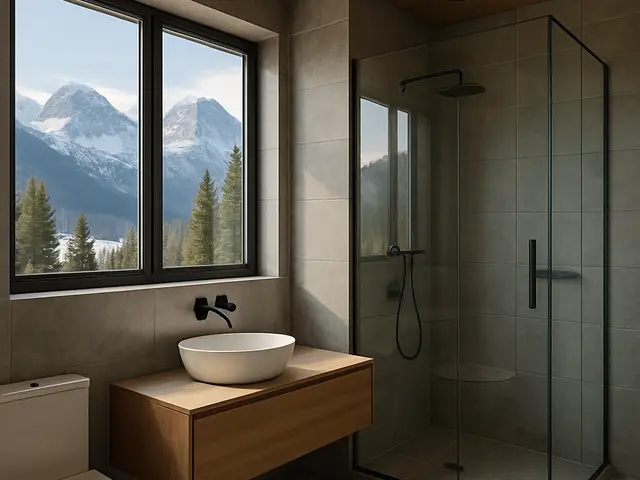
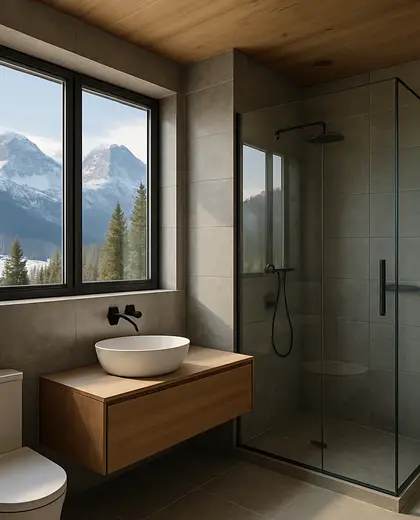
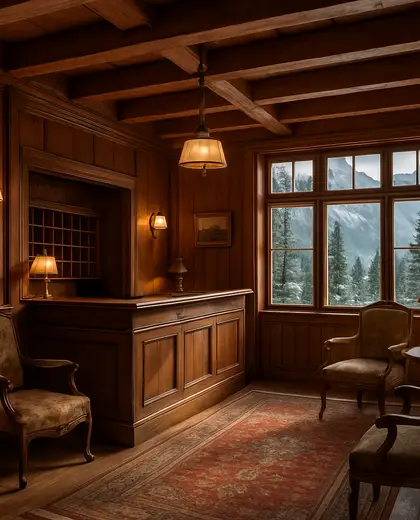
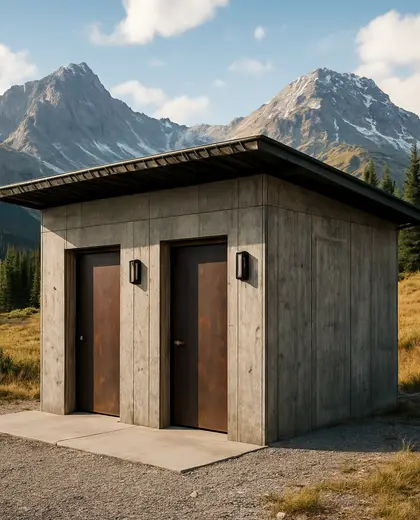
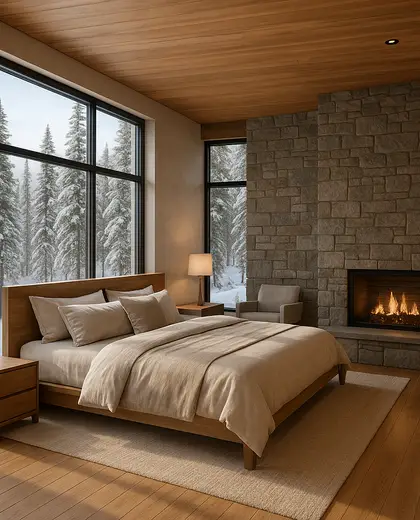
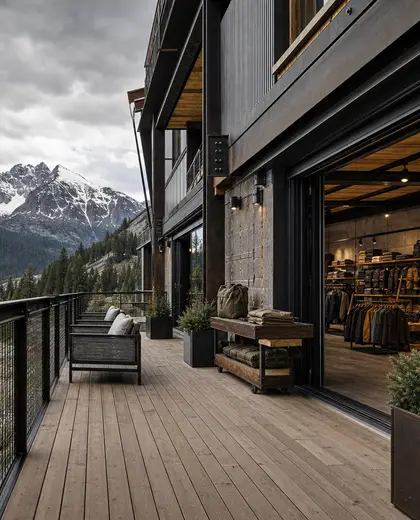
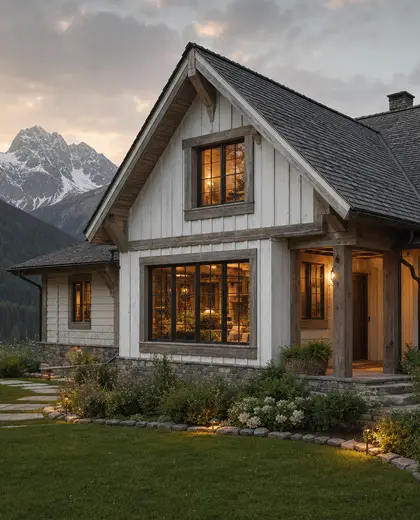
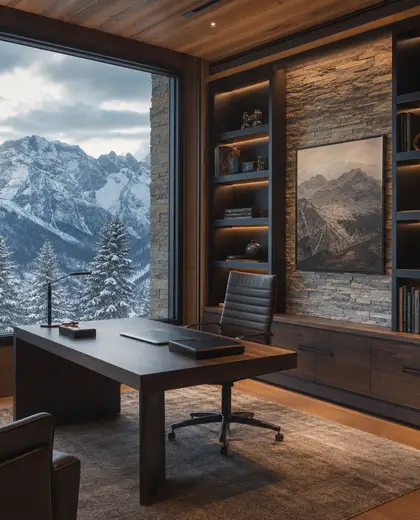
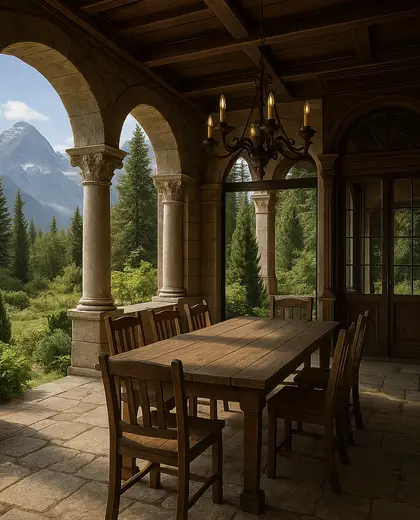
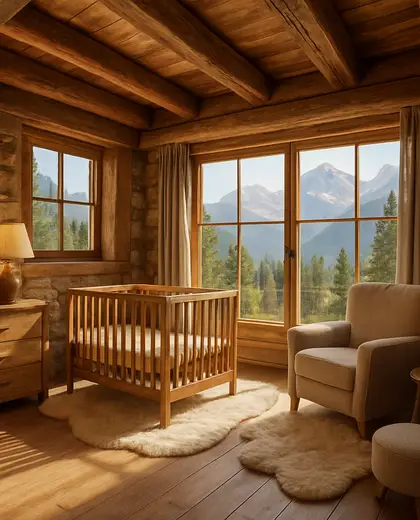
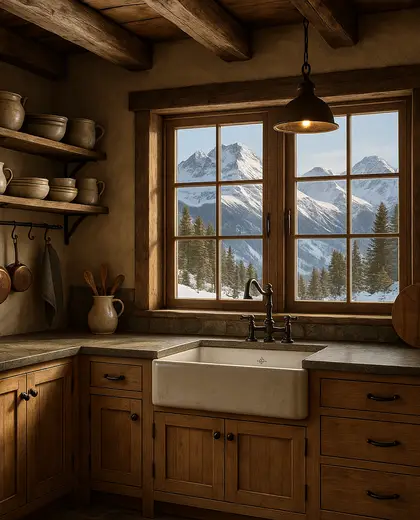
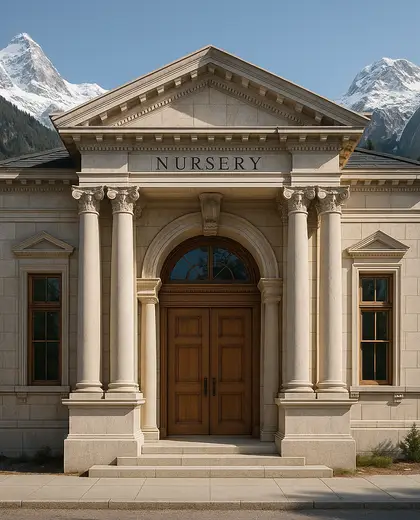
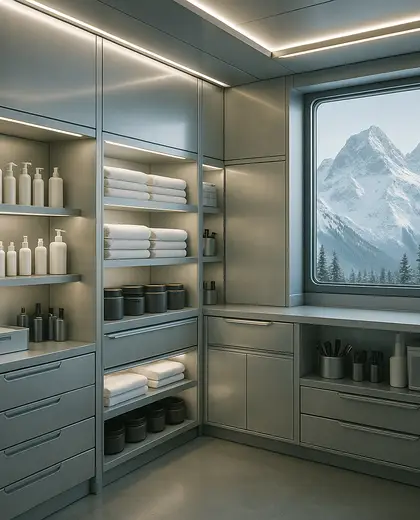
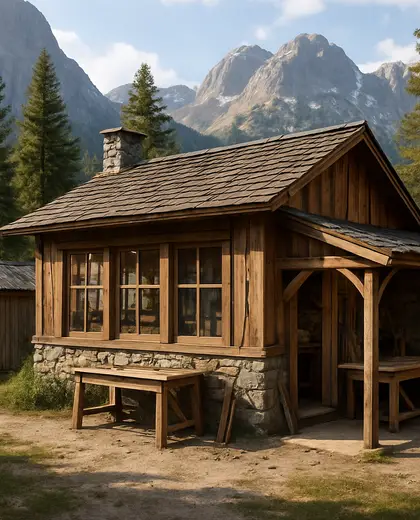
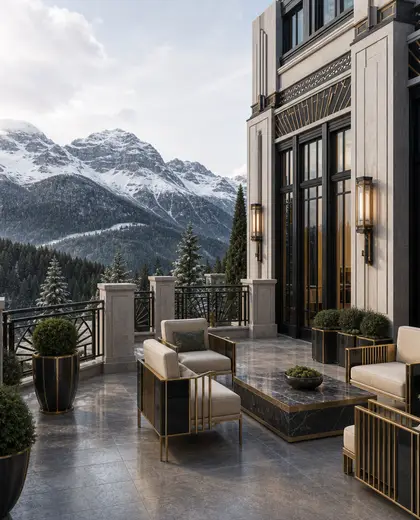
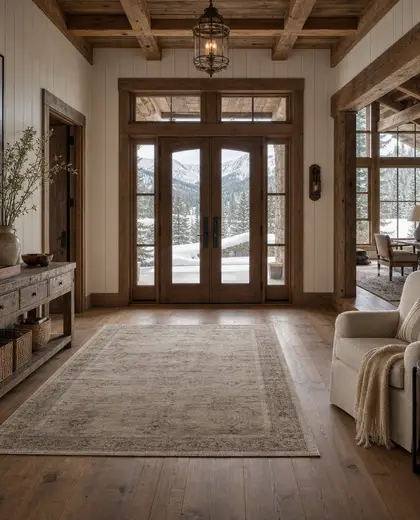
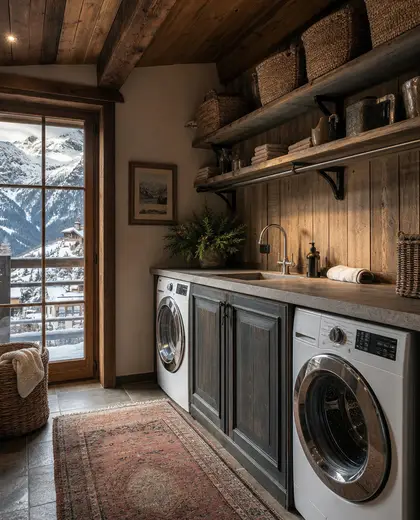
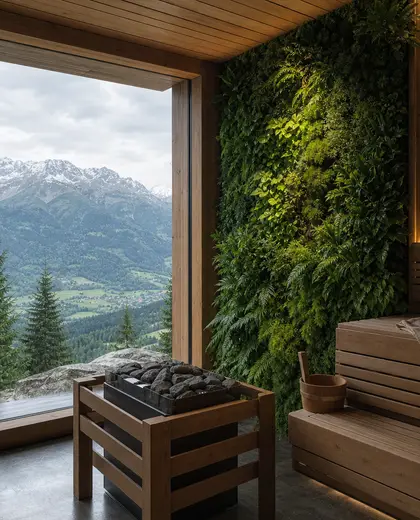
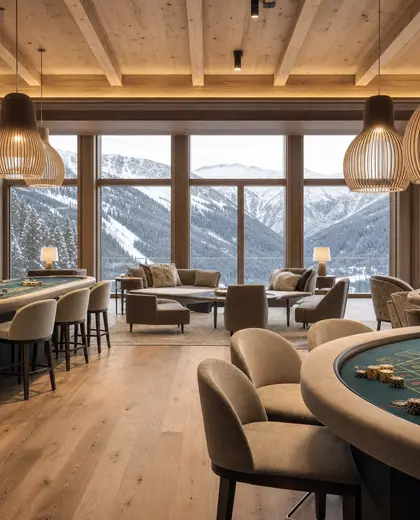
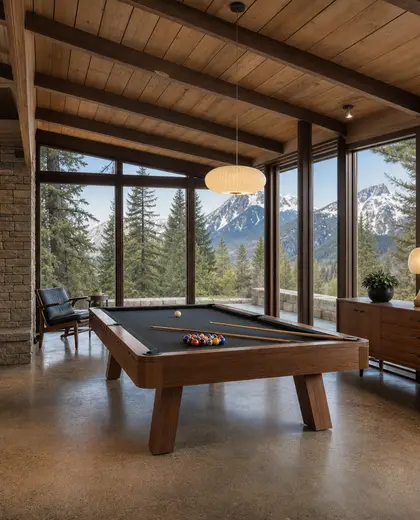
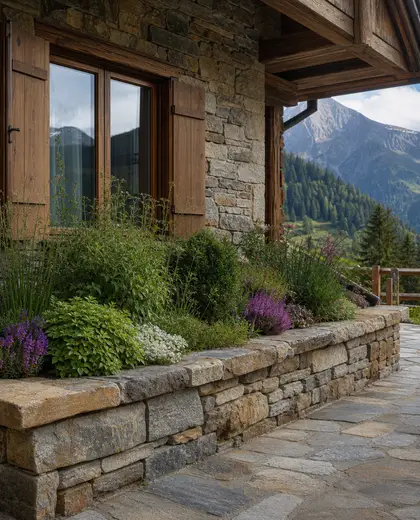
Alpine composition uses solid, weather-resilient materials such as timber, stone, plaster, and metal, arranged in a simple, sheltering form. The palette is usually restrained and natural, with warm wood tones, muted greys, off-white, charcoal, and earthy browns. It is defined by steep rooflines, deep overhangs, generous glazing, and a close relationship to the surrounding landscape.
- alpine
— References
References to explore
Is alpine style only for mountain homes?
No. It is most associated with mountain settings, but the composition can also work in colder or wooded locations, or anywhere a sheltered, grounded look makes sense.
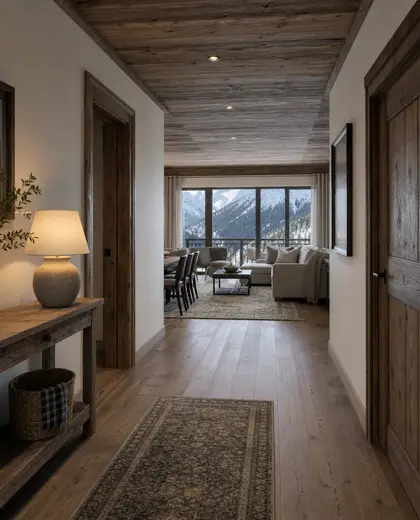
What roof shape is typical in alpine composition?
Steep pitched roofs are typical because they suit snow and rain runoff, and they also give the profile a strong, compact silhouette.
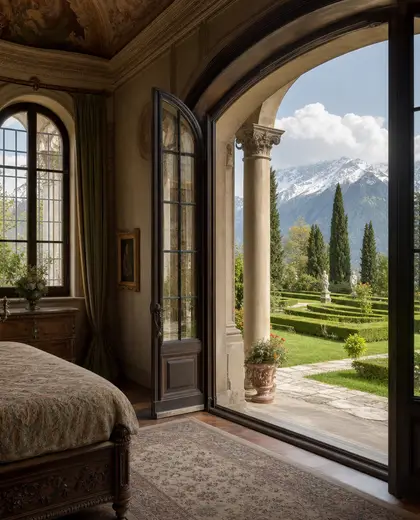
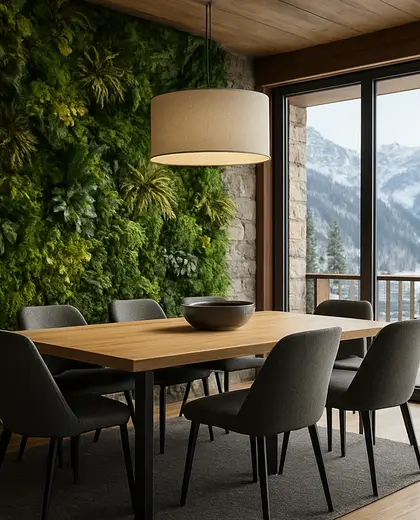
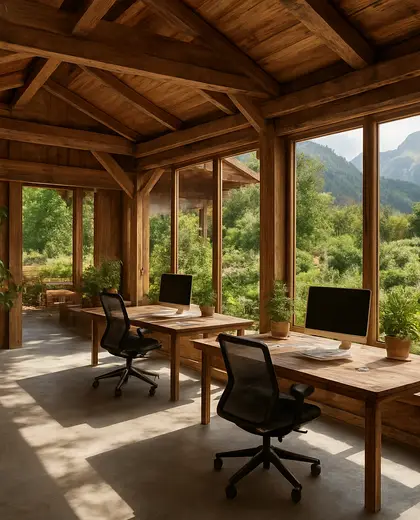
What interior feel does alpine architecture usually create?
It usually feels warm, sturdy, and natural, with exposed wood, stone surfaces, and large openings that keep the interior connected to the outdoors.
— The style
What defines it
Timber, local stone, plaster, metal cladding, and exposed structural elements are common.
Natural wood, grey stone, white or off-white walls, dark roofs, and soft earthy accents dominate.
Works well with rustic, contemporary, and chalet-inspired interiors, plus large windows, terraces, and landscape-driven layouts.
— Professionals
Who has already built it
- john allegrettiarchitects · 6 projectsView profile →
- pfuner designinterior designers · 11 projectsView profile →
- Karavaan Homefurniture sellers · High Point · 4 projectsView profile →
- jacob galleslandscape designers · 6 projectsView profile →
— Questions
Frequently asked questions
Is alpine style only for mountain homes?
No. It is most associated with mountain settings, but the composition can also work in colder or wooded locations, or anywhere a sheltered, grounded look makes sense.
What roof shape is typical in alpine composition?
Steep pitched roofs are typical because they suit snow and rain runoff, and they also give the profile a strong, compact silhouette.
What interior feel does alpine architecture usually create?
It usually feels warm, sturdy, and natural, with exposed wood, stone surfaces, and large openings that keep the interior connected to the outdoors.