— Ideas & inspiration
Apartment interior design
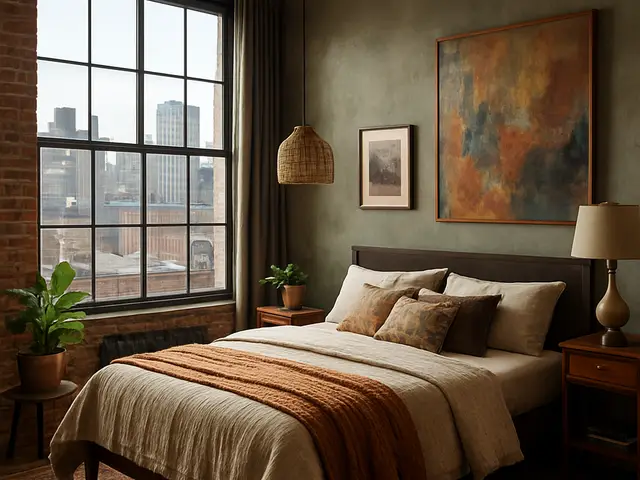
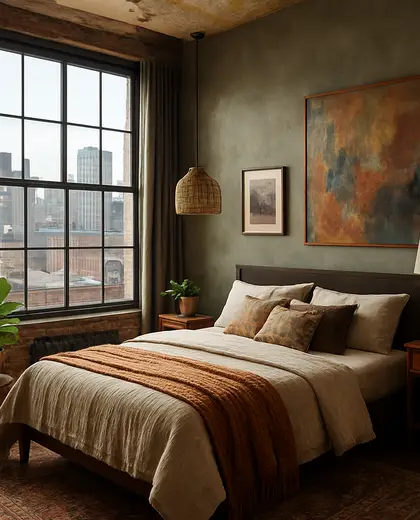
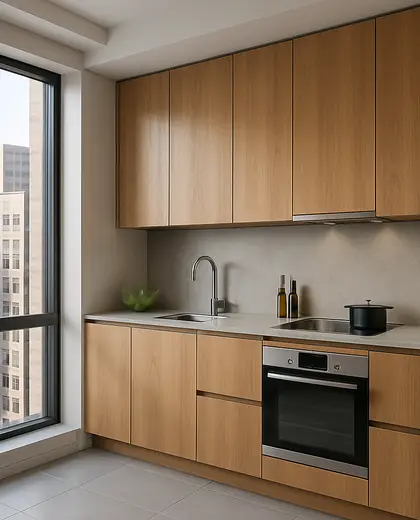
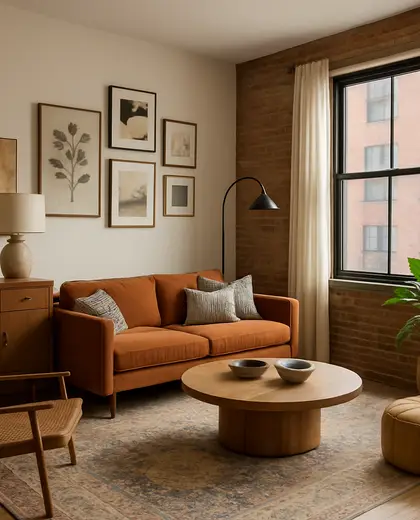
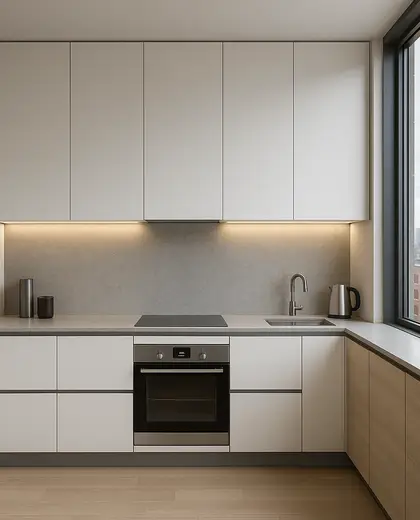
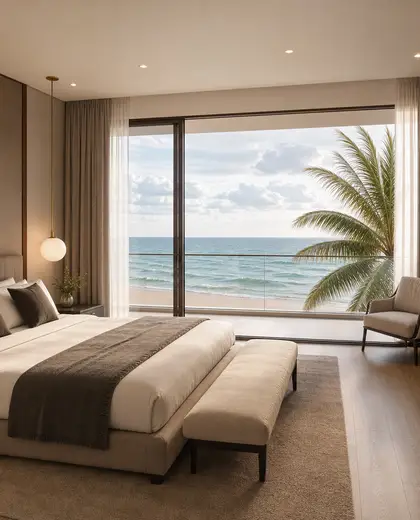
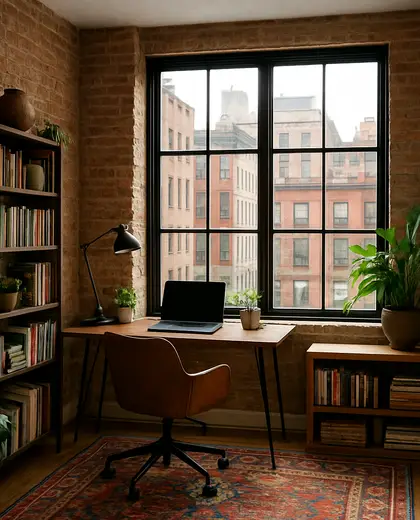
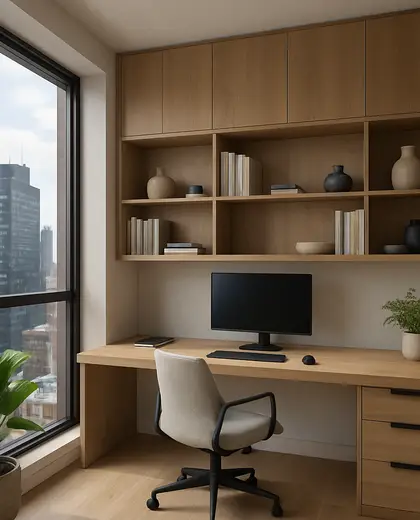
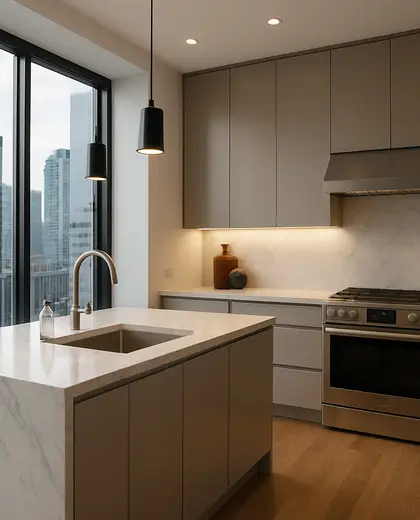
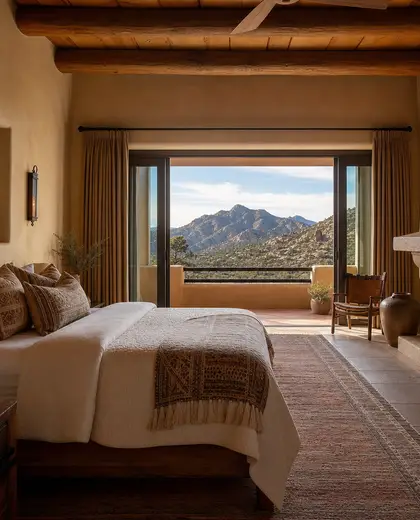
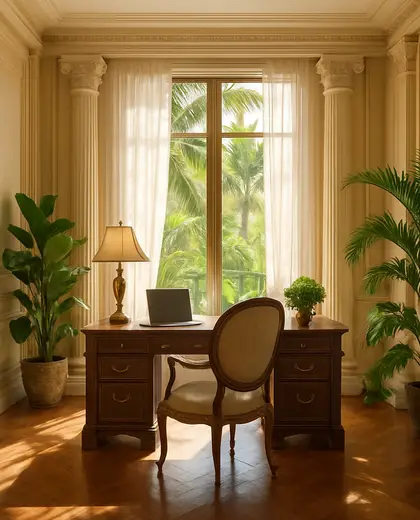
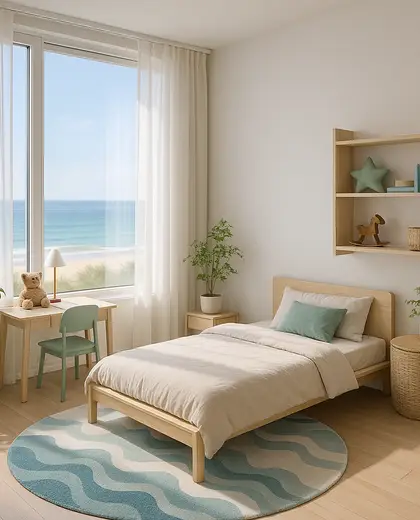
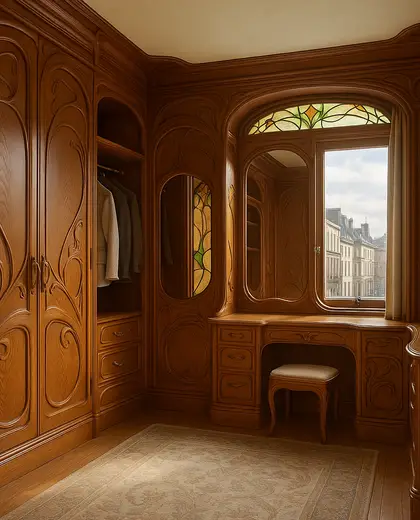
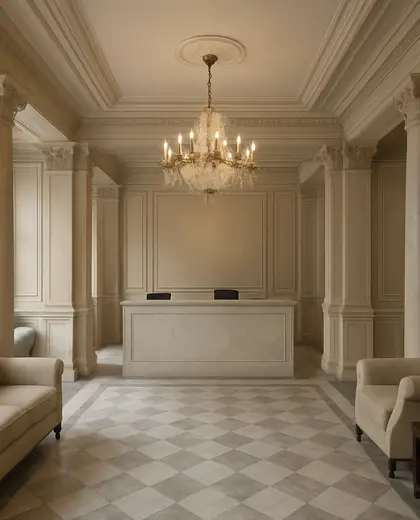
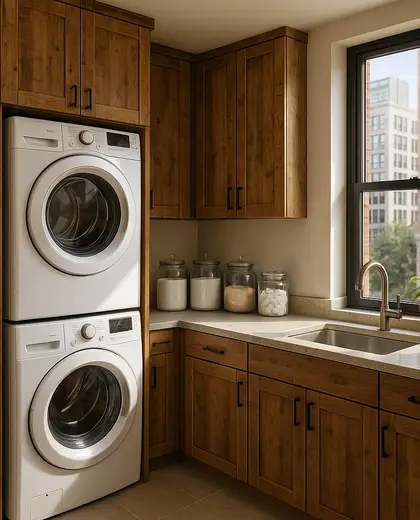
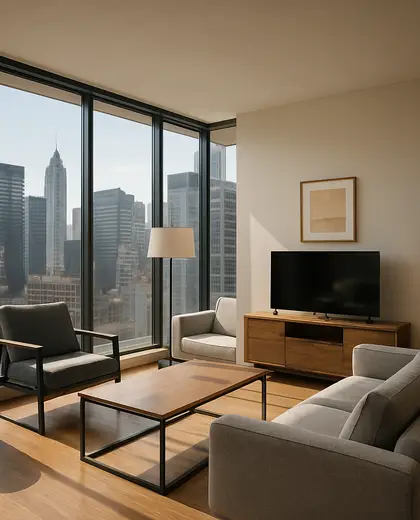
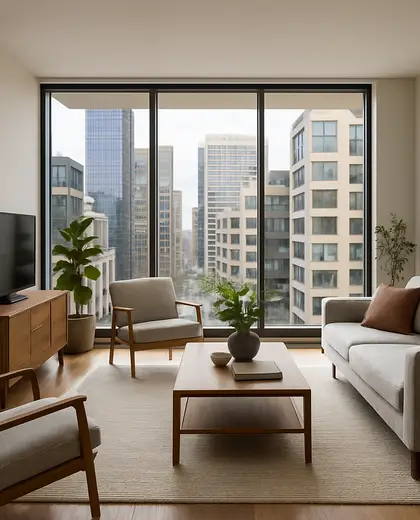
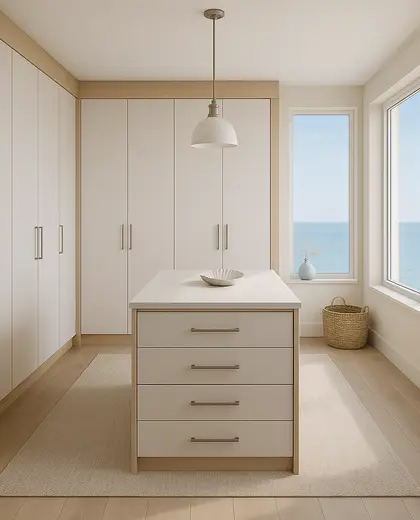
An apartment composition usually relies on compact, efficient finishes such as painted plaster, wood veneer, laminate, stone, tile, and metal accents. The palette is often restrained: whites, warm neutrals, greys, and muted natural tones, with stronger color used sparingly to keep rooms feeling open. Built-in storage, slim-profile furniture, and clear circulation lines are key elements that define the look.
- apartment
— References
References to explore
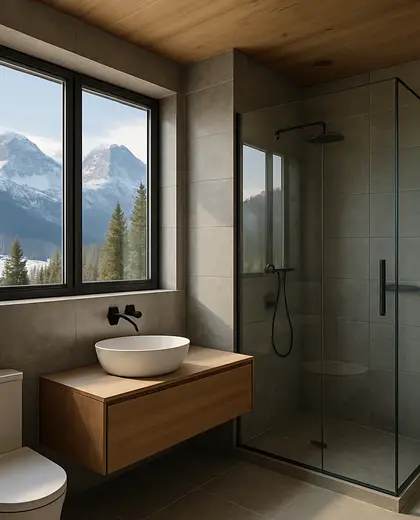
How can I make an apartment feel larger with this composition?
Use lighter wall colors, continuous flooring, built-in storage, and furniture with slim legs or low profiles. Keeping finishes consistent from room to room also helps the space read as larger.
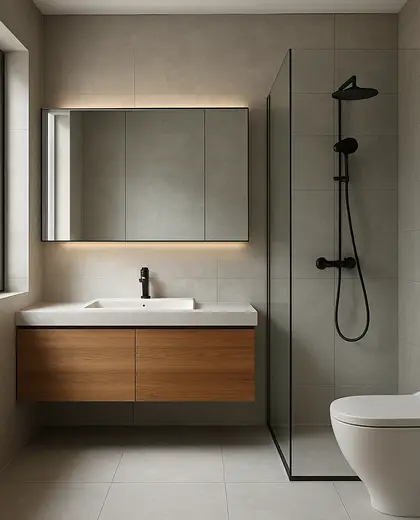
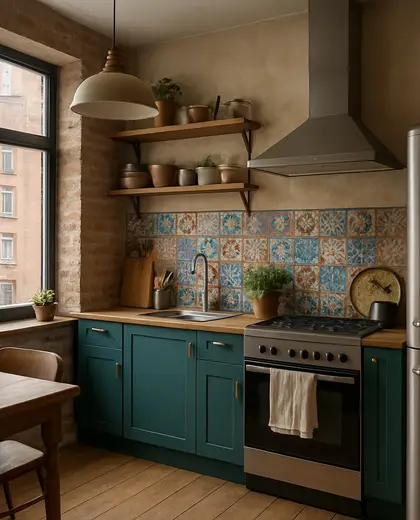
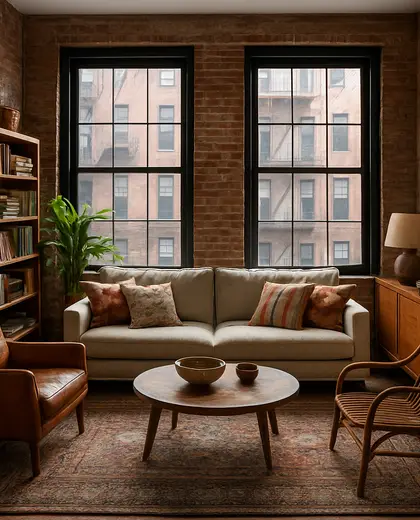
Which materials work best in a small apartment?
Durable, low-maintenance materials are usually the most practical: painted drywall, engineered wood, porcelain tile, laminate, and quartz or similar composite surfaces. These hold up well while keeping the interior visually calm.
Can this composition still feel warm, not minimal?
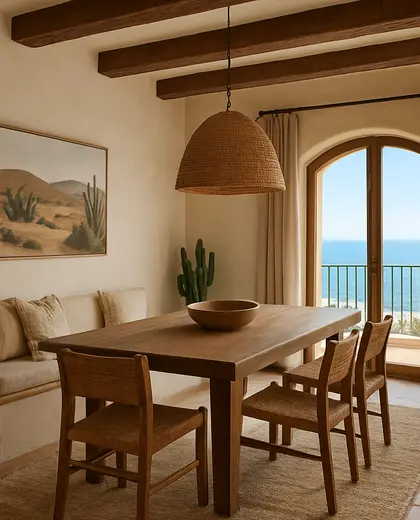
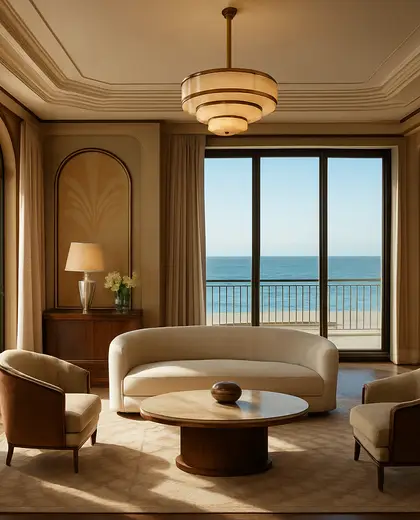
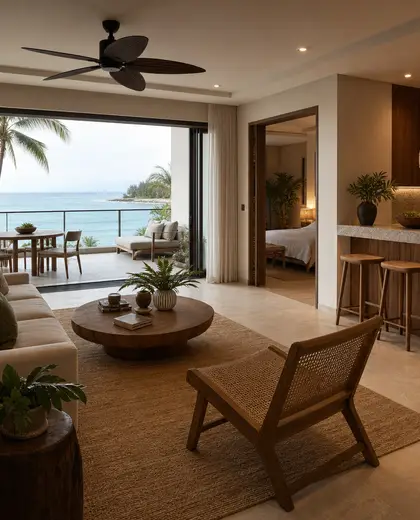
Yes. Warmth usually comes from wood tones, textured textiles, layered lighting, and a few tactile finishes like linen, wool, or matte plaster. The base can stay simple while the furnishings add softness.
— The style
What defines it
Painted walls, engineered wood or laminate flooring, tile in wet rooms, stone or quartz counters, and lightweight metal or glass details are common.
Soft neutrals, off-white, beige, grey, sand, and muted wood tones help preserve brightness and visual space.
It pairs well with compact built-ins, multifunctional furniture, simple lighting, and clean-lined contemporary decor.
— Professionals
Who has already built it
- Karavaan Homefurniture sellers · High Point · 4 projectsView profile →
- todd verwers architectsarchitects · San Diego · 6 projectsView profile →
- jacob galleslandscape designers · 6 projectsView profile →
- pfuner designinterior designers · 11 projectsView profile →
— Explore
Keep exploring
— Questions
Frequently asked questions
How can I make an apartment feel larger with this composition?
Use lighter wall colors, continuous flooring, built-in storage, and furniture with slim legs or low profiles. Keeping finishes consistent from room to room also helps the space read as larger.
Which materials work best in a small apartment?
Durable, low-maintenance materials are usually the most practical: painted drywall, engineered wood, porcelain tile, laminate, and quartz or similar composite surfaces. These hold up well while keeping the interior visually calm.
Can this composition still feel warm, not minimal?
Yes. Warmth usually comes from wood tones, textured textiles, layered lighting, and a few tactile finishes like linen, wool, or matte plaster. The base can stay simple while the furnishings add softness.