— Ideas & inspiration
Colonial composition
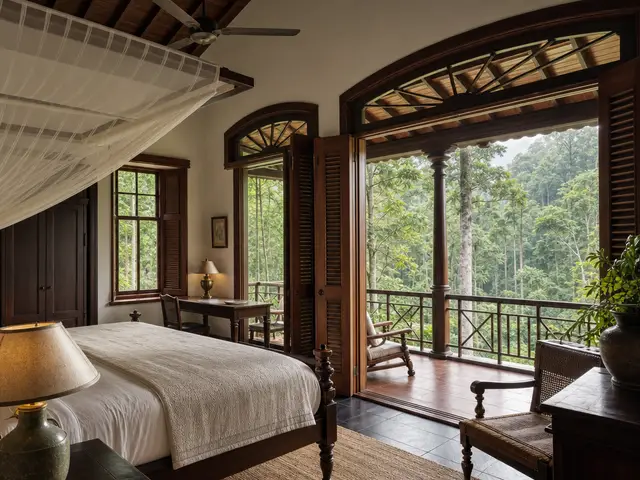
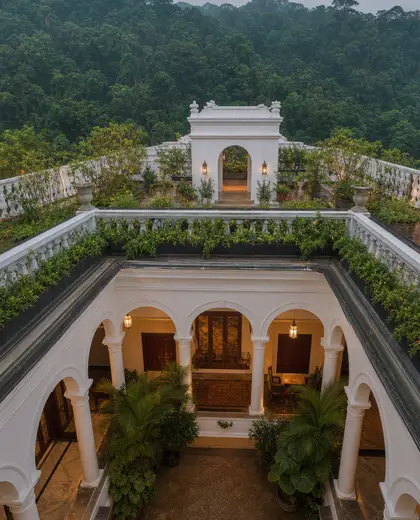
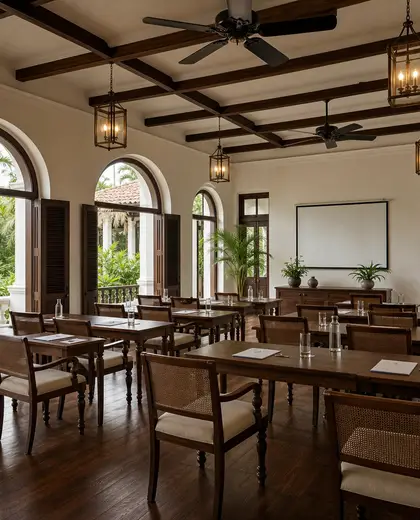
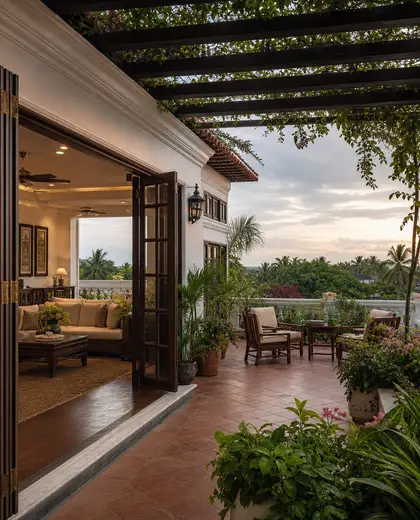
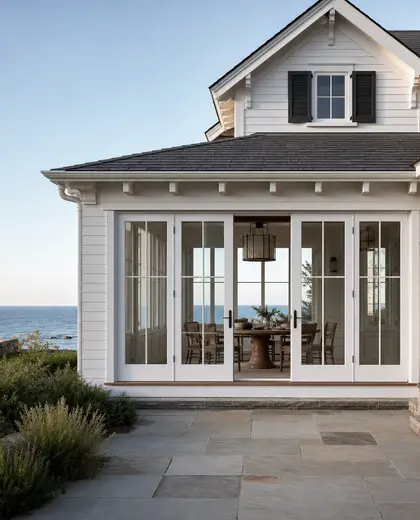
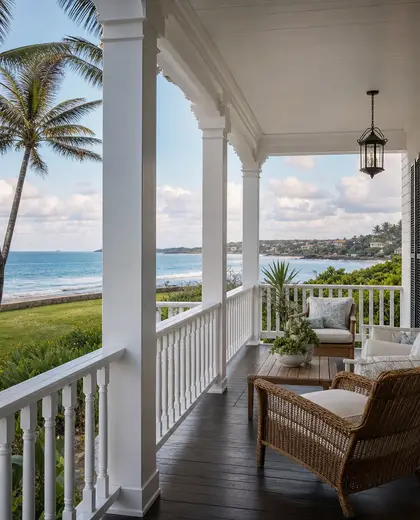
Colonial composition is defined by symmetrical facades, multi-pane windows, shutters, and restrained classical trim. It often uses painted wood siding, brick, or clapboard, with a balanced roofline and a formal front entry. The palette is typically white, cream, muted gray, deep green, or navy, with contrasting dark shutters and doors.
- colonial
— References
References to explore
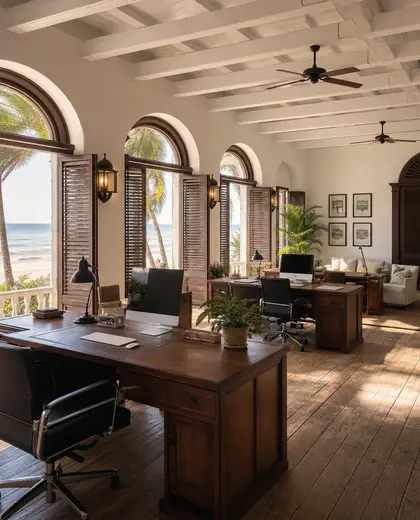
What makes a house look colonial?
A colonial house usually has a symmetrical front, evenly spaced windows, shutters, and a centered entry door with simple classical detailing.
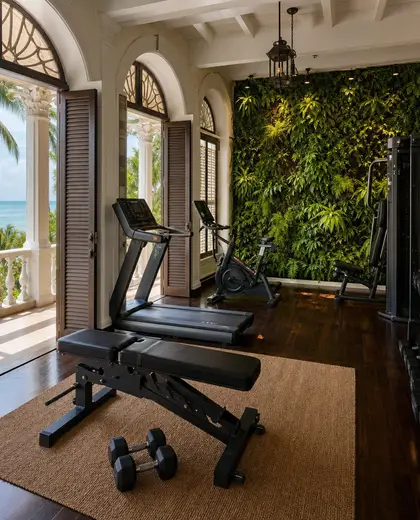
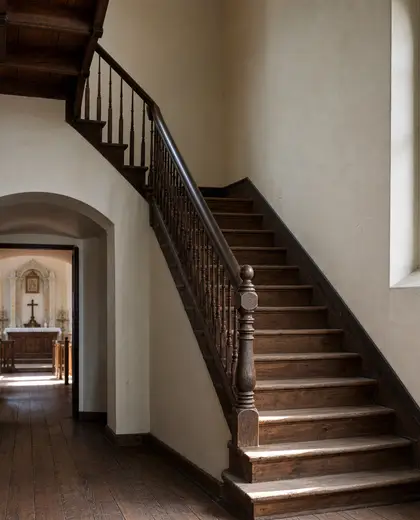
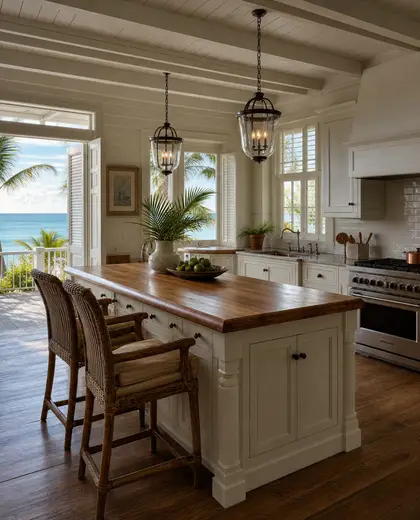
Can colonial style feel modern inside?
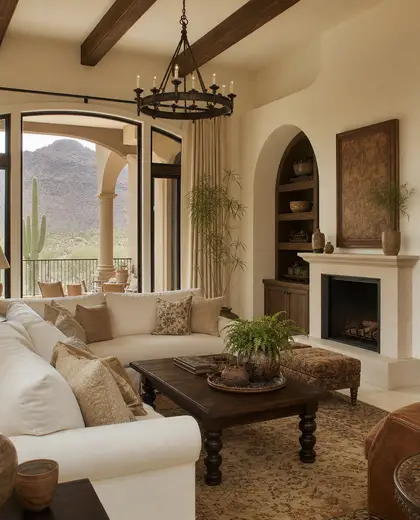
Yes. The exterior can stay traditional while the interior uses open layouts, contemporary kitchens, and cleaner finishes, as long as the main proportions remain balanced.
What should I avoid if I want a colonial look?
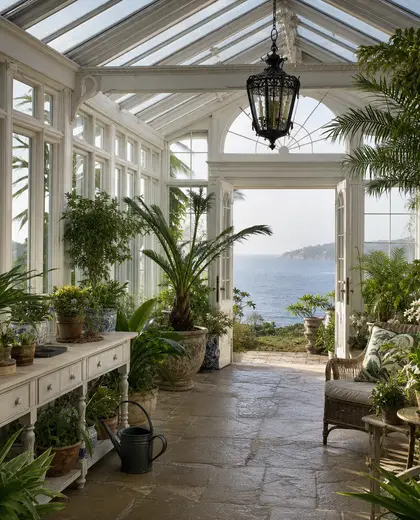
Avoid overly irregular facades, very large asymmetrical windows, heavy ornament, and overly bright colors that break the restrained, formal character.


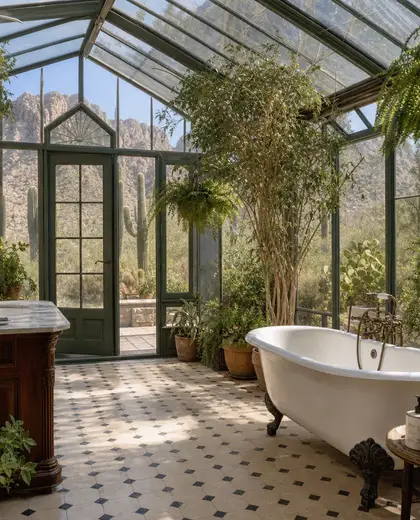
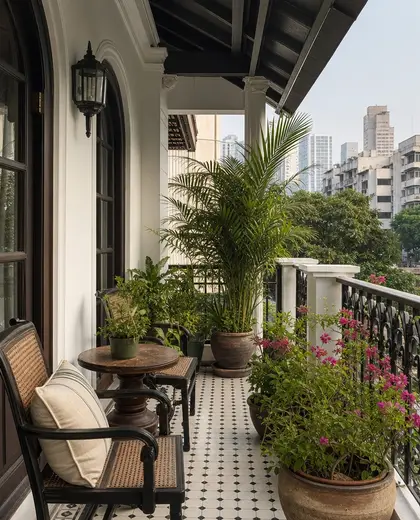
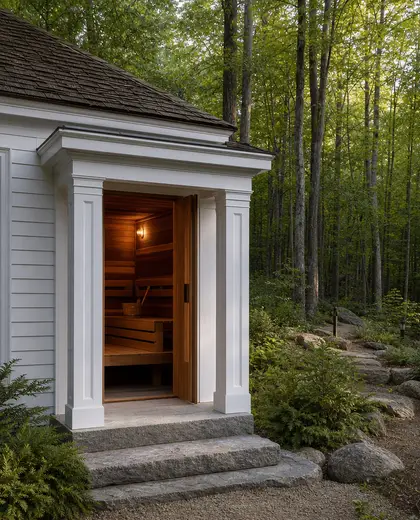
— The style
What defines it
Painted wood siding, brick, clapboard, plaster, and occasional stone details are common.
White, off-white, cream, pale gray, muted blue, deep green, and black accents keep the look crisp and traditional.
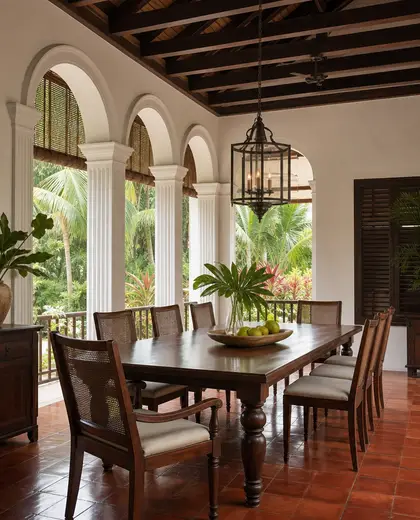
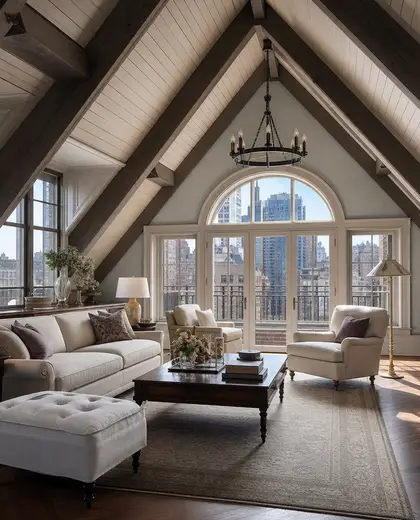
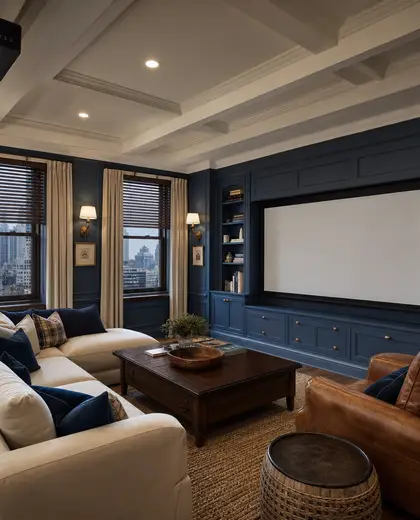
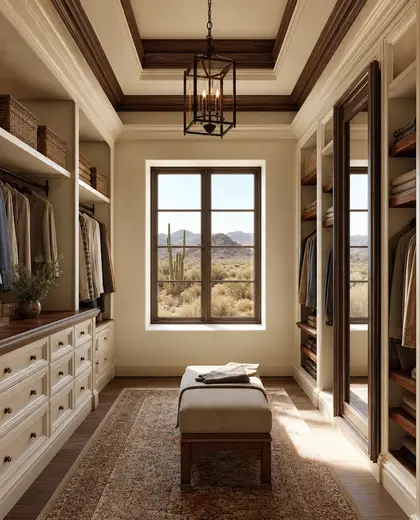
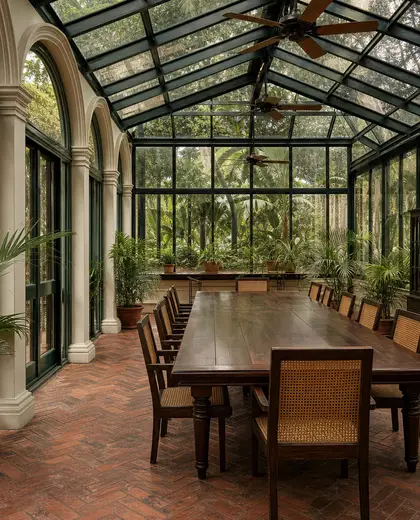
Works well with traditional landscaping, simple iron railings, formal porches, and interiors that mix classic moldings with modern finishes.
— Professionals
Who has already built it
- pfuner designinterior designers · 11 projectsView profile →
- annilee b watermanarchitects · Wylie · 6 projectsView profile →
- Karavaan Homefurniture sellers · High Point · 4 projectsView profile →
- jacob galleslandscape designers · 6 projectsView profile →
— Questions
Frequently asked questions
What makes a house look colonial?
A colonial house usually has a symmetrical front, evenly spaced windows, shutters, and a centered entry door with simple classical detailing.
Can colonial style feel modern inside?
Yes. The exterior can stay traditional while the interior uses open layouts, contemporary kitchens, and cleaner finishes, as long as the main proportions remain balanced.
What should I avoid if I want a colonial look?
Avoid overly irregular facades, very large asymmetrical windows, heavy ornament, and overly bright colors that break the restrained, formal character.