— Ideas & inspiration
Coworking spaces shaped by light, flexibility, and calm
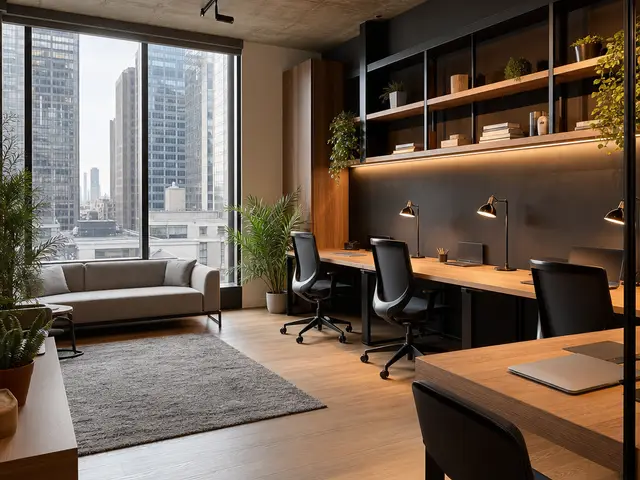
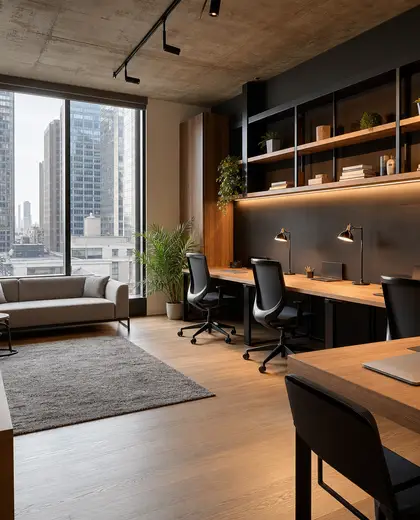
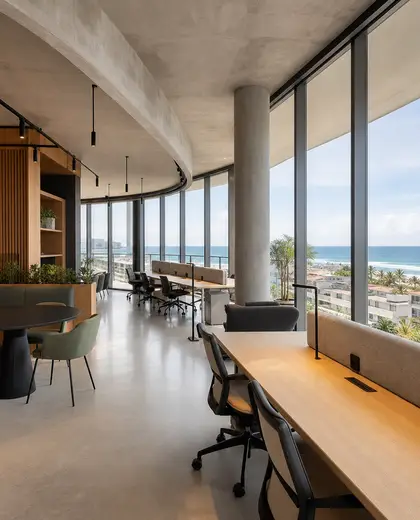
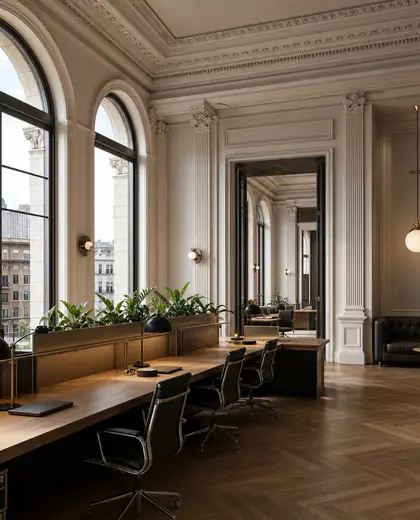
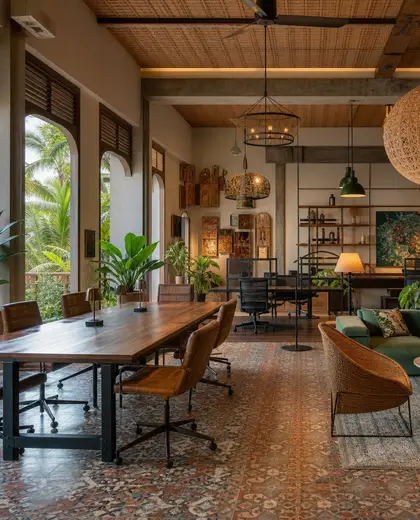
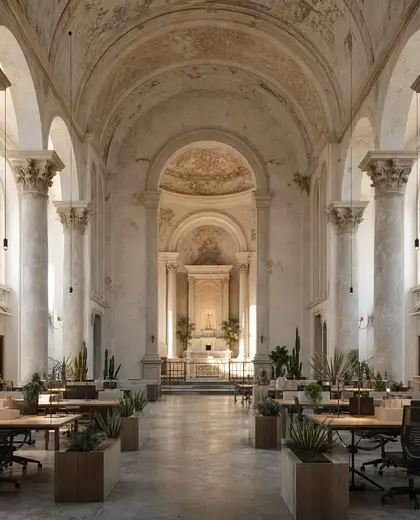
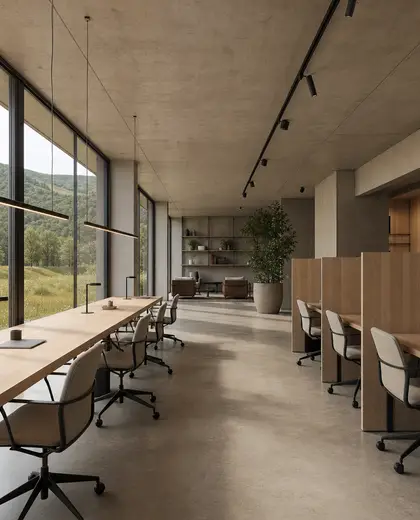
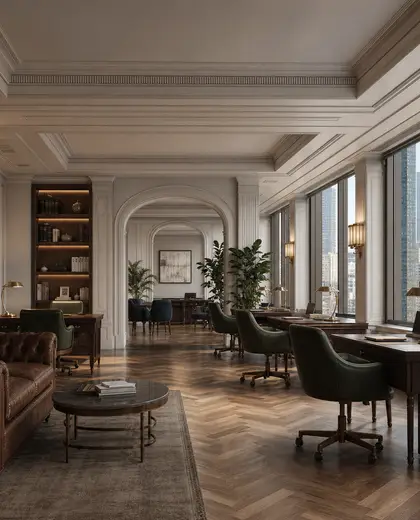
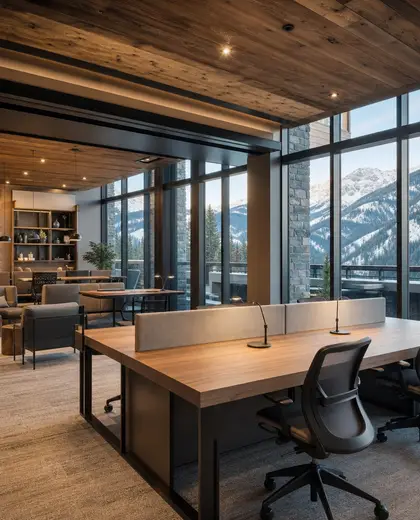
A coworking space is typically defined by open layouts, modular furniture, and a mix of shared and semi-private zones. Materials often include glass, metal, timber, acoustic panels, and durable flooring to handle heavy daily use. The palette usually stays neutral—white, grey, black, and natural wood—with occasional accent colors for wayfinding or energy.
- coworking space
— References
References to explore
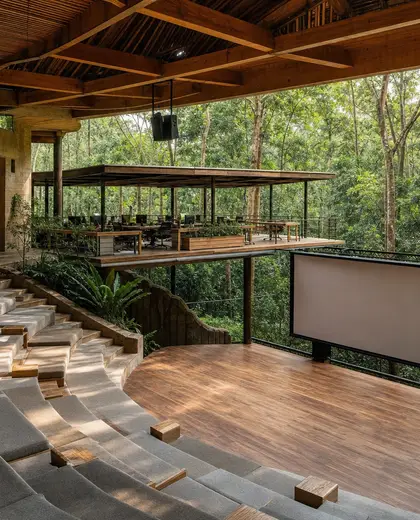
What makes a coworking space feel different from a regular office?
It usually has more flexibility: shared desks, movable seating, informal meeting spots, and a mix of open and enclosed areas.
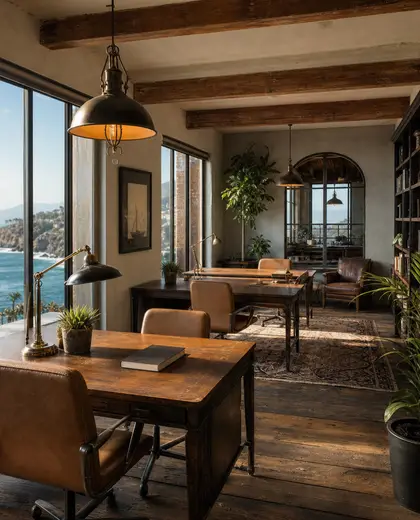
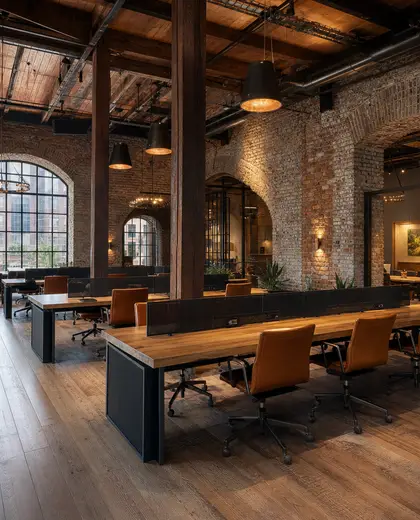
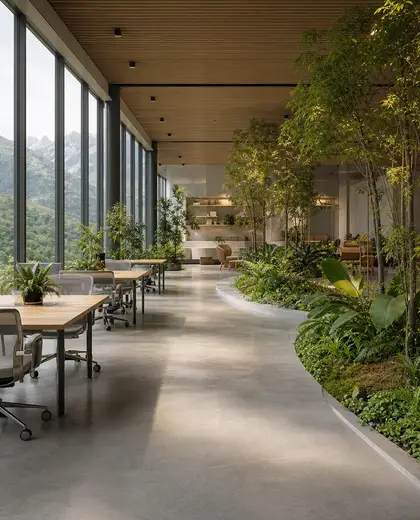
Which materials work best for a coworking interior?
Durable and low-maintenance materials work best, especially glass, metal, timber, acoustic finishes, and resilient flooring.
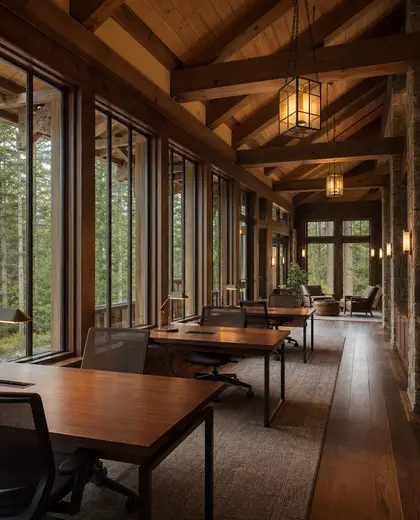
Can a coworking space feel warm instead of corporate?
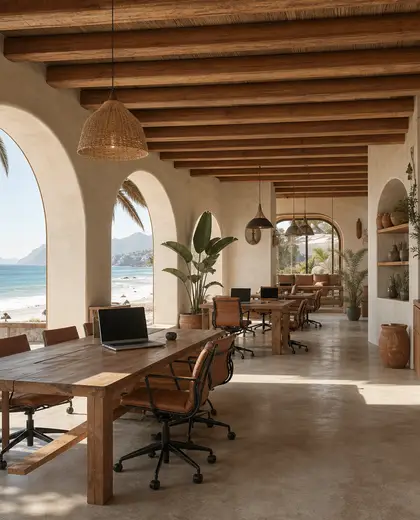
Yes. Warm wood tones, softer lighting, upholstered seating, and acoustic surfaces can make the space feel more relaxed and comfortable.

— The style
What defines it
Glass partitions, powder-coated metal, wood veneer, acoustic felt, concrete, and hard-wearing carpet or vinyl are common.
Neutral tones lead the scheme, often softened with warm timber colors, muted greens, or restrained brand accents.
Open workstations, meeting rooms, phone booths, lounge seating, breakout areas, and strong lighting layers.
— Professionals
Who has already built it
- pfuner designinterior designers · 11 projectsView profile →
- annilee b watermanarchitects · Wylie · 6 projectsView profile →
- Karavaan Homefurniture sellers · High Point · 4 projectsView profile →
- jacob galleslandscape designers · 6 projectsView profile →
— Questions
Frequently asked questions
What makes a coworking space feel different from a regular office?
It usually has more flexibility: shared desks, movable seating, informal meeting spots, and a mix of open and enclosed areas.
Which materials work best for a coworking interior?
Durable and low-maintenance materials work best, especially glass, metal, timber, acoustic finishes, and resilient flooring.
Can a coworking space feel warm instead of corporate?
Yes. Warm wood tones, softer lighting, upholstered seating, and acoustic surfaces can make the space feel more relaxed and comfortable.