— Ideas & inspiration
Edging
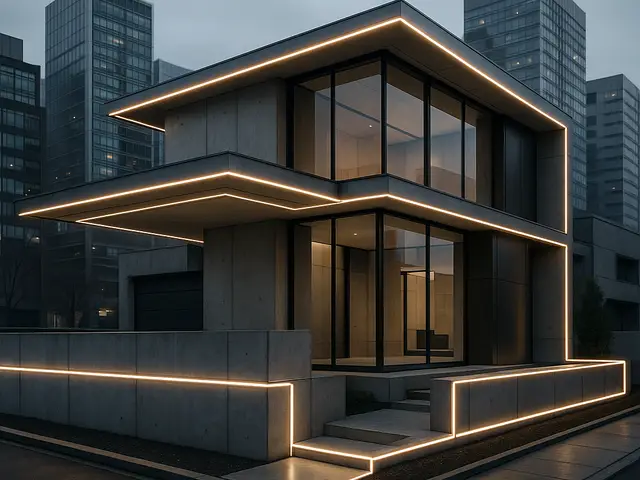
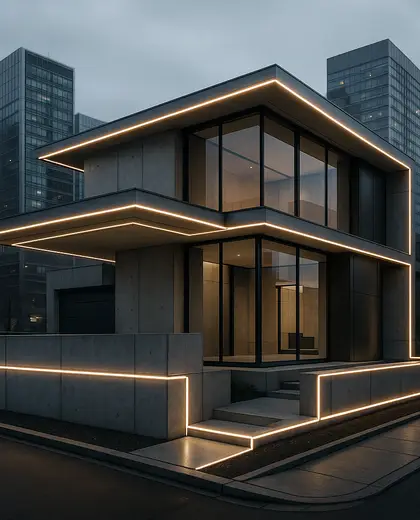
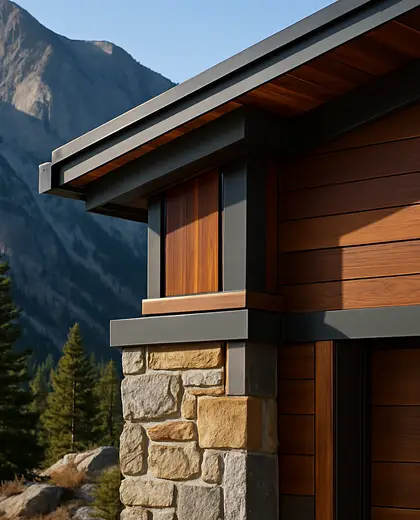
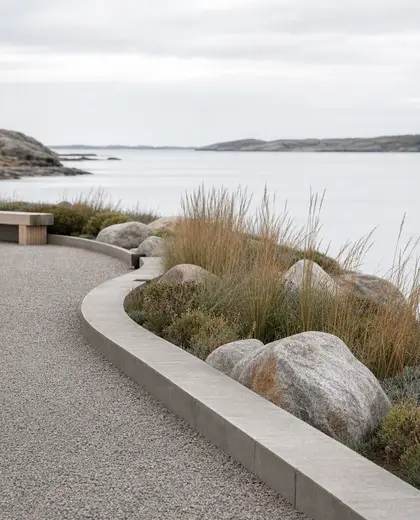
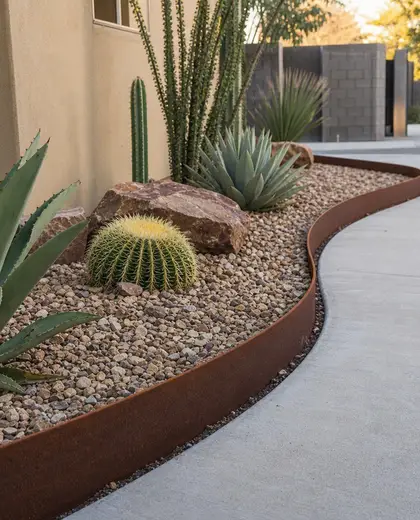
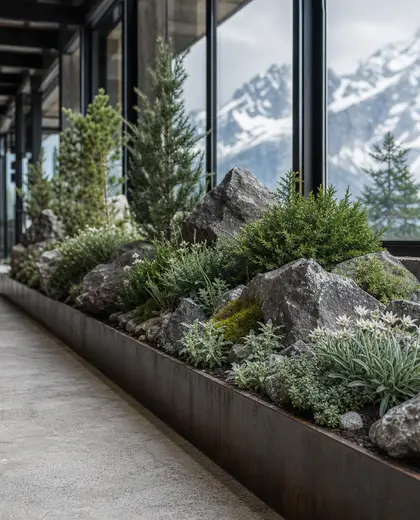
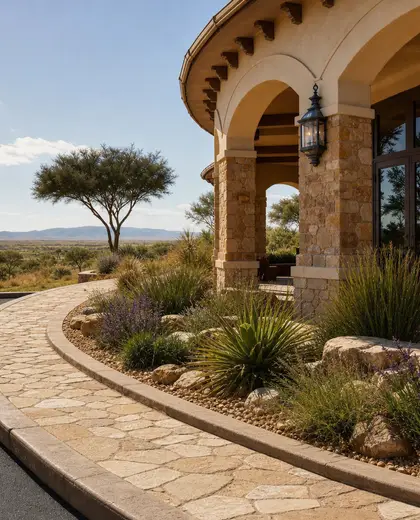
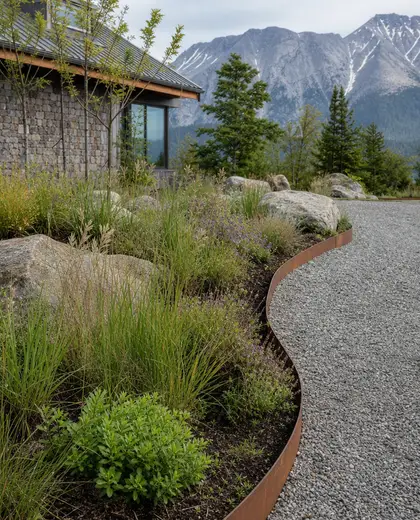
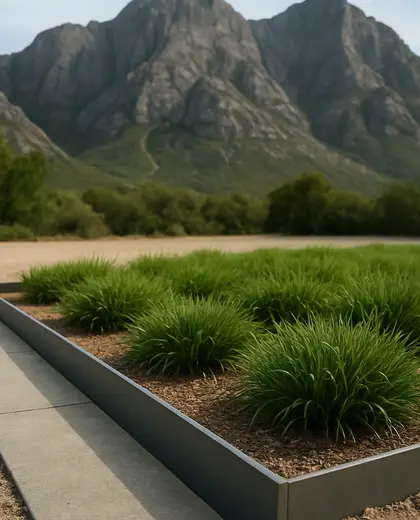
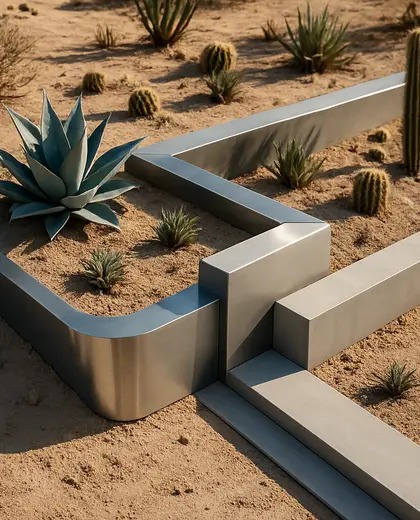
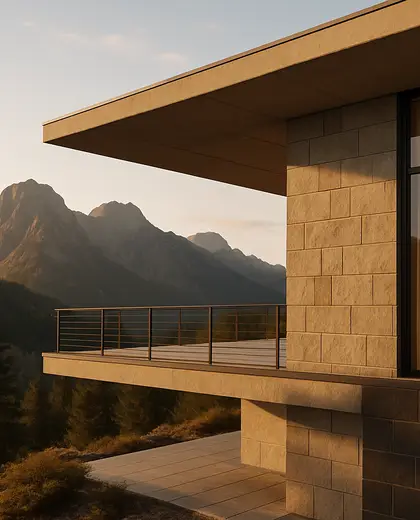
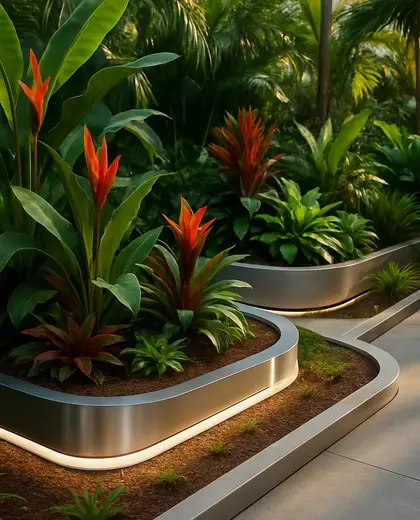
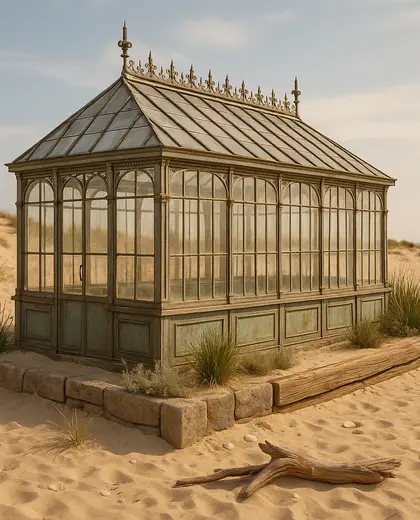
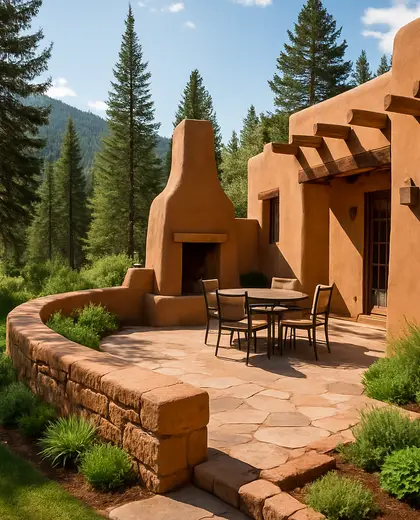
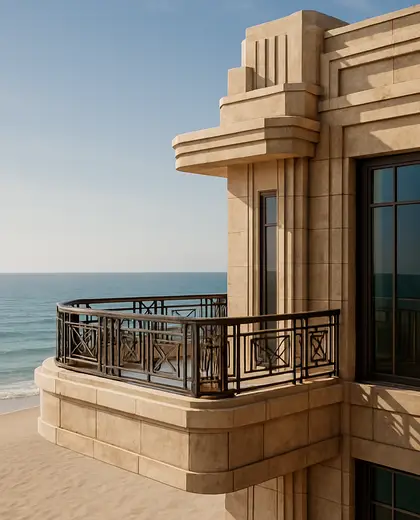
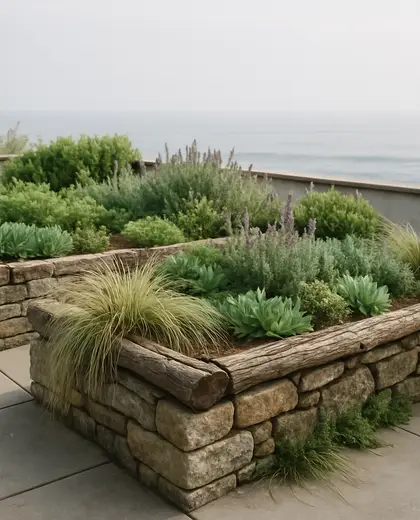
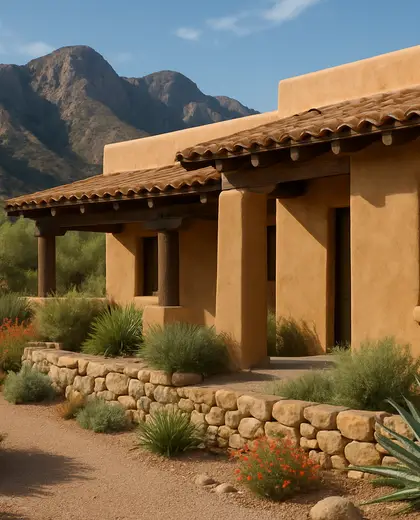
Edging is the finishing line that frames a surface, opening, or transition with a clearly defined border. It is typically made from stone, metal, wood, tile, or concrete, chosen to create a crisp visual edge, protect vulnerable corners, or separate one material from another. The look is usually clean and controlled, with thin profiles, sharp geometry, and a palette that either matches the main surface or provides a deliberate contrast.
- edging
— References
References to explore
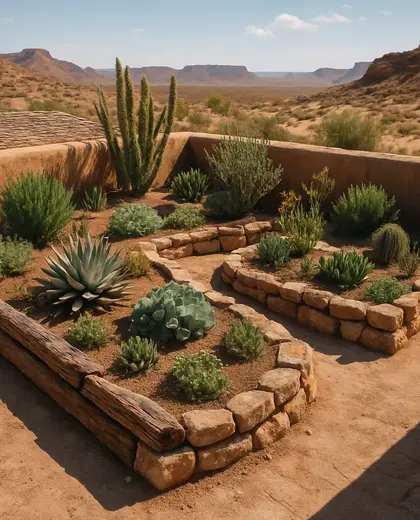
What is edging used for in a home project?
It defines boundaries, protects exposed edges, and gives a surface a neater finish. In landscapes and hardscapes, it also helps keep gravel, soil, or paving in place.
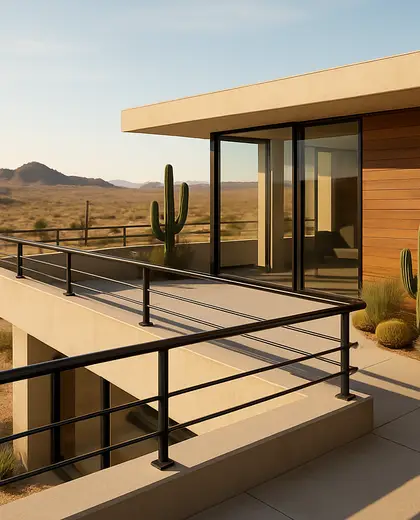
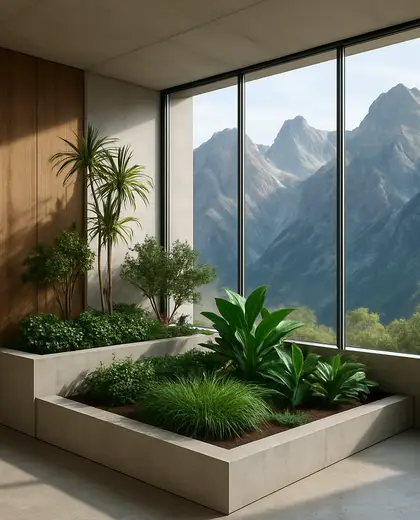
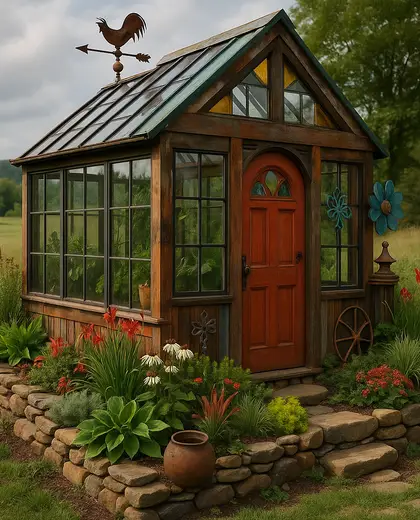
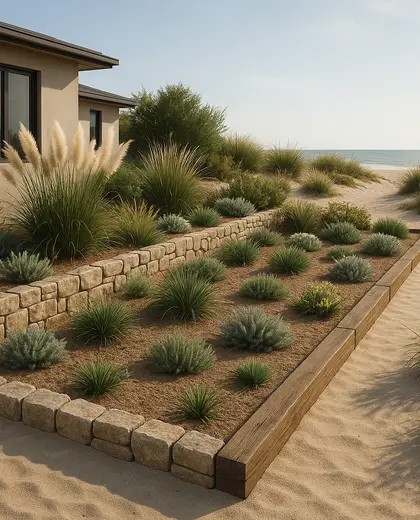
Does edging have to match the main material?
No. It can blend in for a quiet look or contrast to make the border more visible. The choice depends on whether you want the edge to disappear or read as a design line.
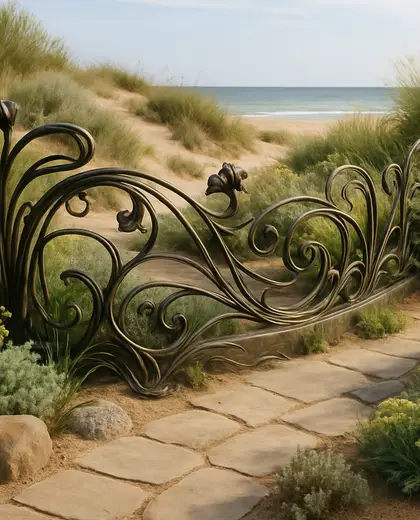
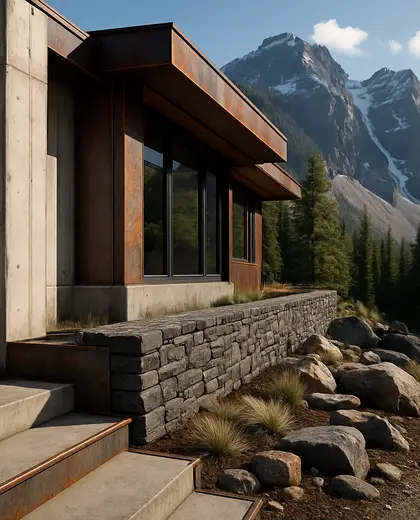
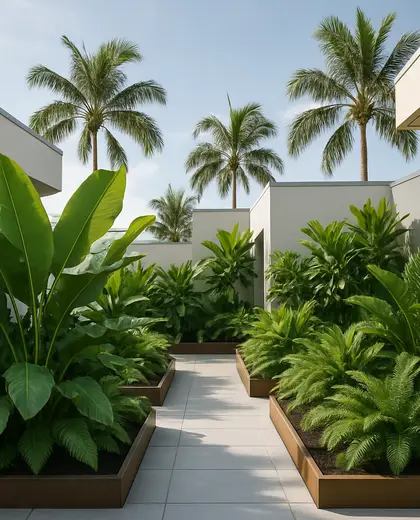
Is edging more decorative or practical?
It is both. A well-chosen edge improves durability and drainage details, while also sharpening the composition of the space.
— The style
What defines it
Stone, metal, timber, ceramic tile, and cast or precast concrete are the most common edging materials.
Usually neutral and restrained: blackened metal, stainless steel, natural wood tones, grey concrete, beige stone, or white ceramic.
Works well with paving, garden beds, steps, terraces, patios, pool surrounds, walls, and built-in joinery.
— Professionals
Who has already built it
- pfuner designinterior designers · 11 projectsView profile →
- annilee b watermanarchitects · Wylie · 6 projectsView profile →
- Karavaan Homefurniture sellers · High Point · 4 projectsView profile →
- jacob galleslandscape designers · 6 projectsView profile →
— Questions
Frequently asked questions
What is edging used for in a home project?
It defines boundaries, protects exposed edges, and gives a surface a neater finish. In landscapes and hardscapes, it also helps keep gravel, soil, or paving in place.
Does edging have to match the main material?
No. It can blend in for a quiet look or contrast to make the border more visible. The choice depends on whether you want the edge to disappear or read as a design line.
Is edging more decorative or practical?
It is both. A well-chosen edge improves durability and drainage details, while also sharpening the composition of the space.