— Ideas & inspiration
Game room
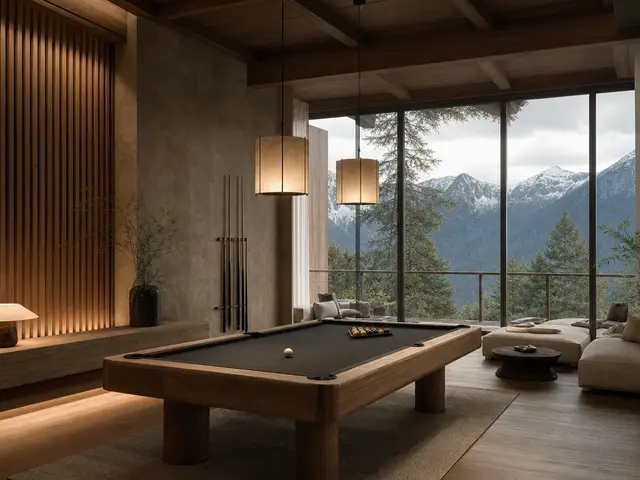
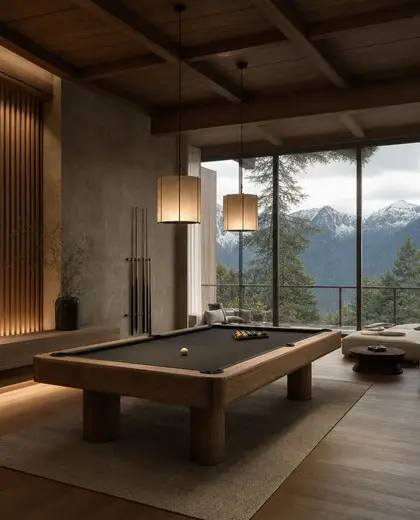
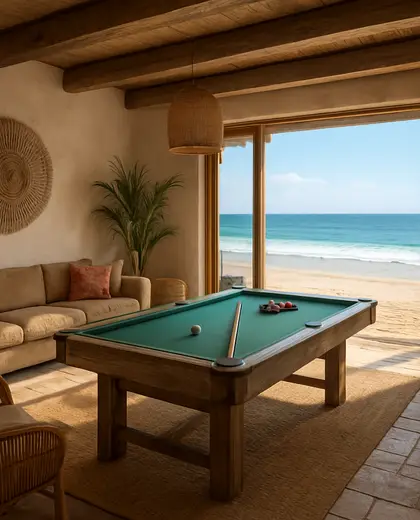
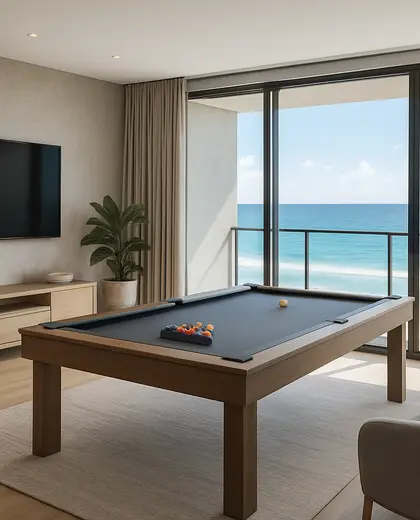
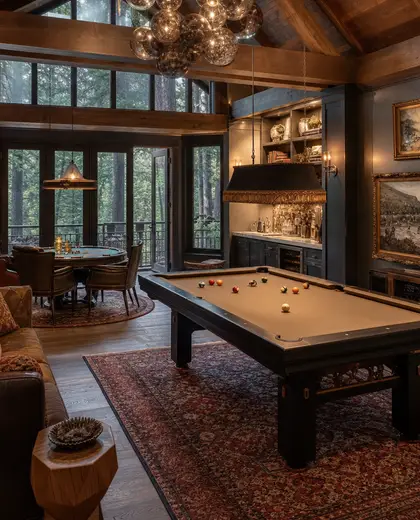
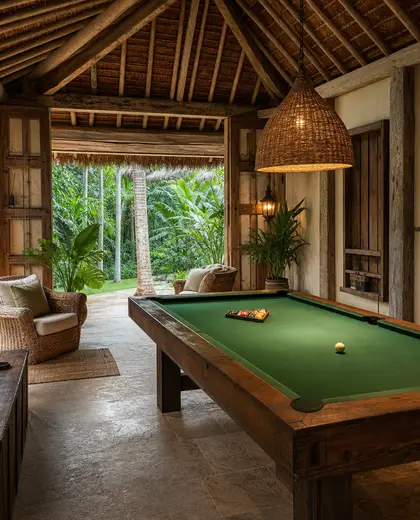
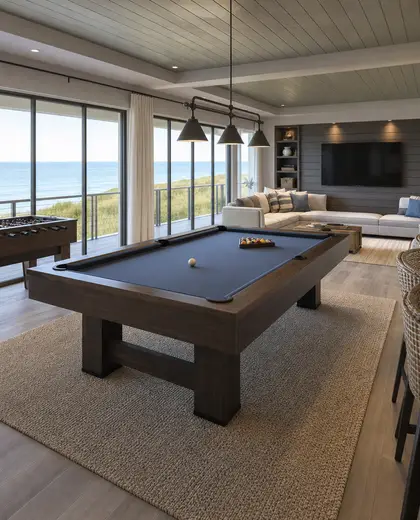
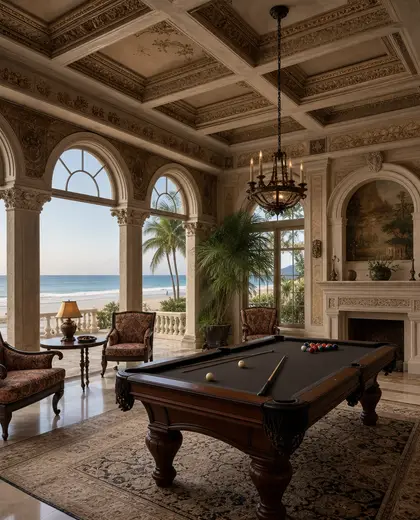
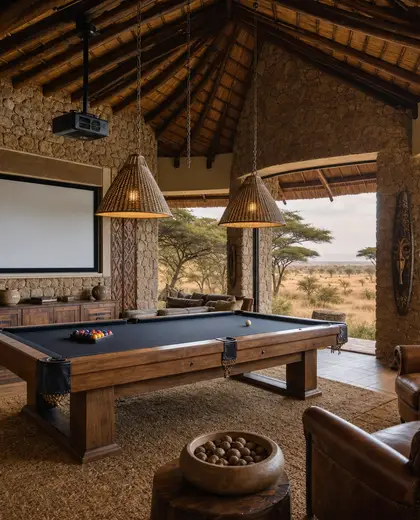
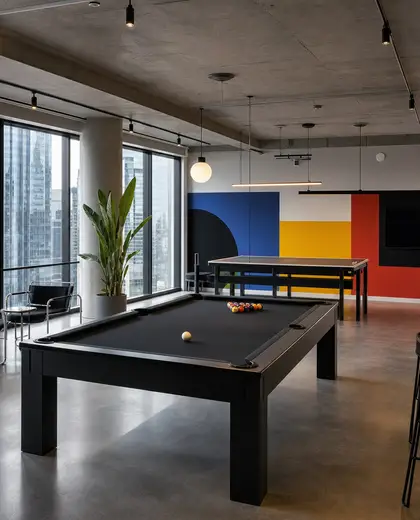
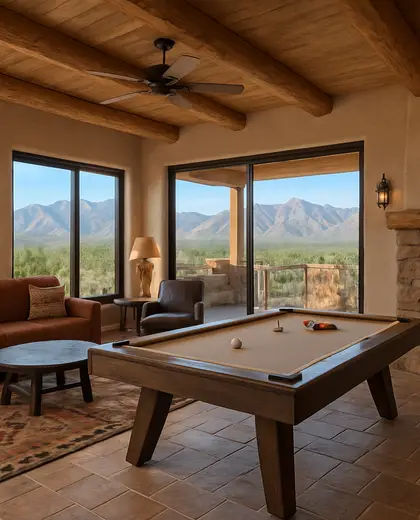
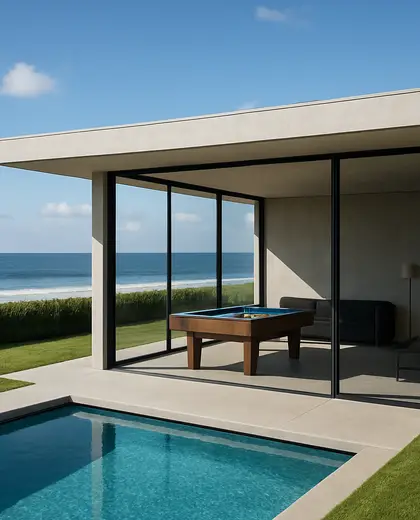
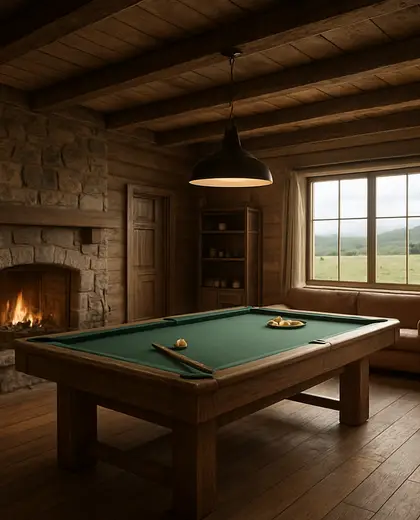
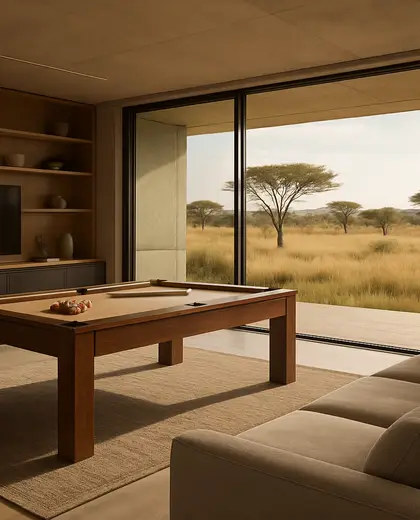
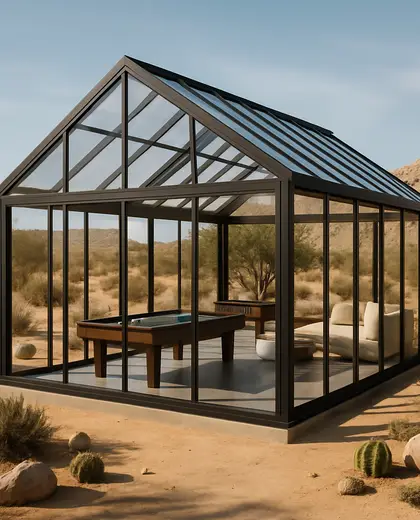
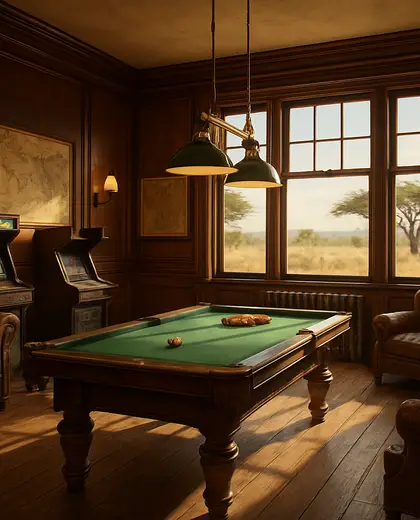
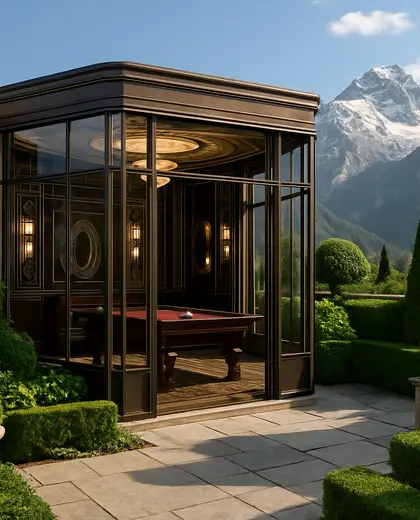
A game room is defined by durable, easy-clean surfaces that can handle heavy use: carpet tiles or polished concrete, wipeable painted walls, and sturdy millwork or laminate cabinetry for storage. The palette is often darker or more saturated than the rest of the home, with wood, charcoal, navy, or muted accent colors used to make the space feel focused and relaxed. Built-ins for consoles, a display wall for screens or trophies, and controlled lighting are common defining elements.
- game room
— References
References to explore
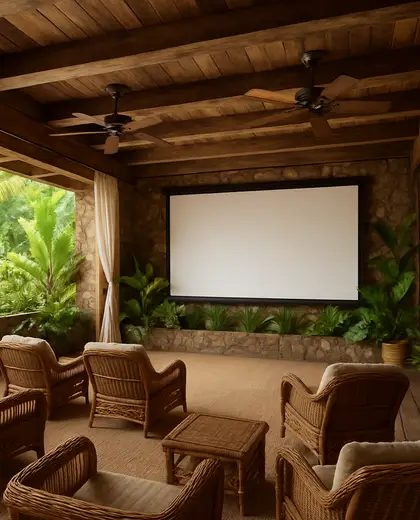
What flooring works best in a game room?
Choose flooring that is durable and comfortable underfoot, such as carpet tile for acoustics, luxury vinyl plank for easy cleaning, or polished concrete if you want a harder, more modern look.
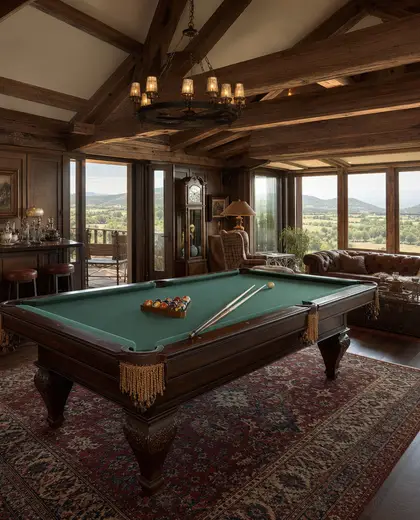
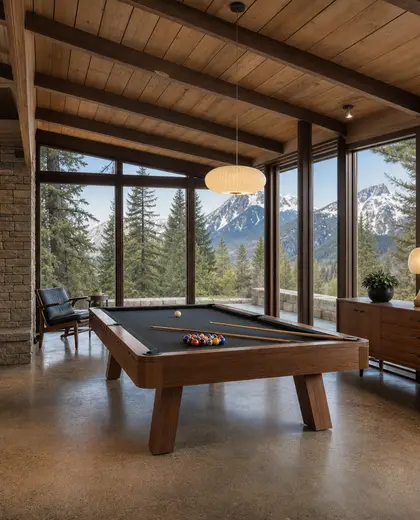
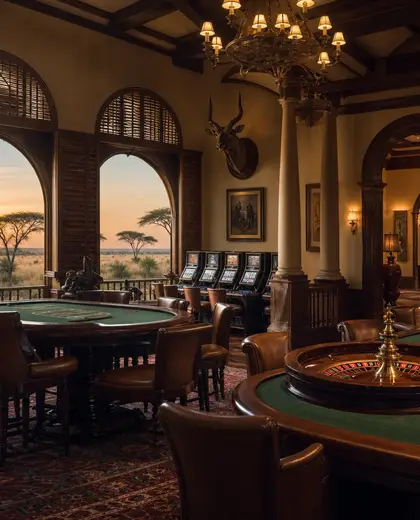
Does a game room need built-in storage?
It helps a lot. Cabinets, shelving, and closed storage keep games, controllers, cables, and accessories organized and make the room easier to keep tidy.
Can a game room also be a multipurpose space?
Yes. Many homeowners design it to double as a media room, teen lounge, or playroom by using flexible seating, dimmable lighting, and storage that can hide equipment when not in use.

— The style
What defines it
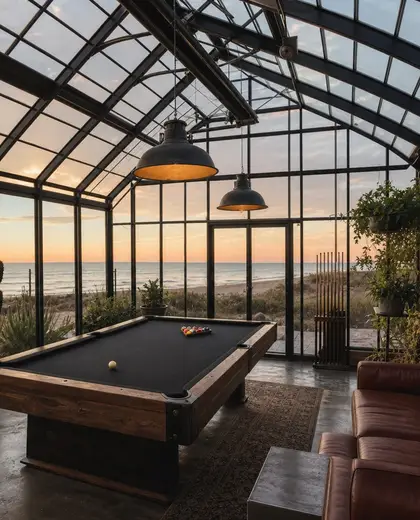
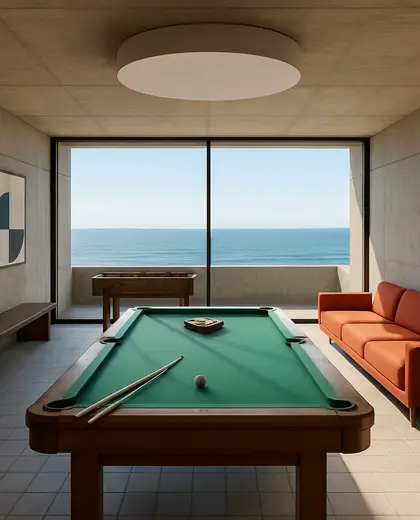
Carpet tile, polished concrete, engineered wood, laminate, painted drywall, and scratch-resistant finishes are typical choices.
Deep neutrals, warm wood tones, charcoal, navy, green, and occasional bold accents work well without feeling busy.
Game rooms often connect with a media room, bar nook, lounge seating, storage wall, or flexible basement family space.
— Professionals
Who has already built it
- pfuner designinterior designers · 11 projectsView profile →
- annilee b watermanarchitects · Wylie · 6 projectsView profile →
- Karavaan Homefurniture sellers · High Point · 4 projectsView profile →
- jacob galleslandscape designers · 6 projectsView profile →
— Questions
Frequently asked questions
What flooring works best in a game room?
Choose flooring that is durable and comfortable underfoot, such as carpet tile for acoustics, luxury vinyl plank for easy cleaning, or polished concrete if you want a harder, more modern look.
Does a game room need built-in storage?
It helps a lot. Cabinets, shelving, and closed storage keep games, controllers, cables, and accessories organized and make the room easier to keep tidy.
Can a game room also be a multipurpose space?
Yes. Many homeowners design it to double as a media room, teen lounge, or playroom by using flexible seating, dimmable lighting, and storage that can hide equipment when not in use.