— Ideas & inspiration
Mediterranean composition
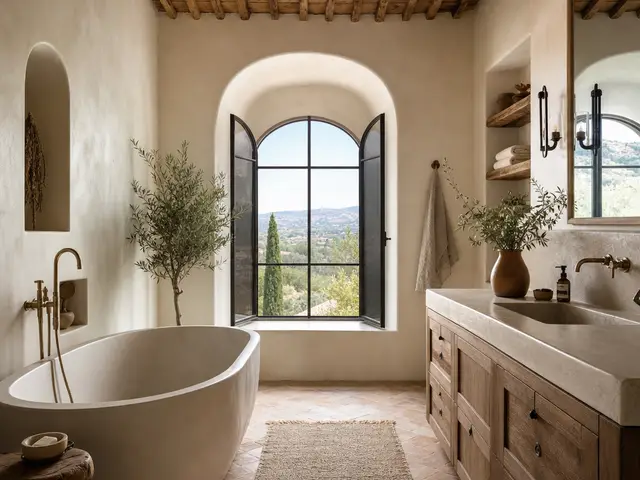
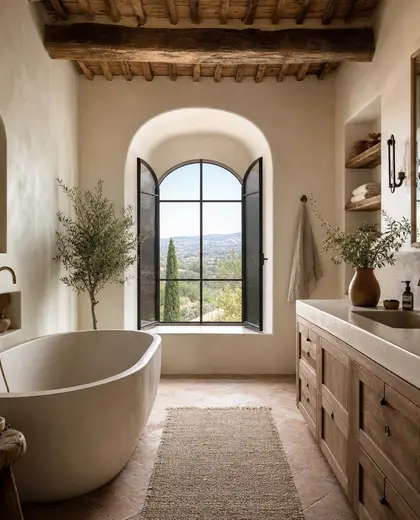
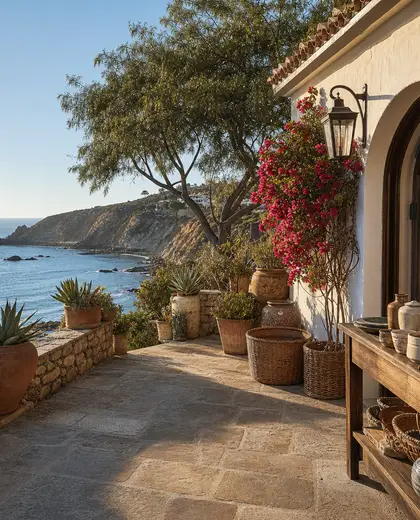
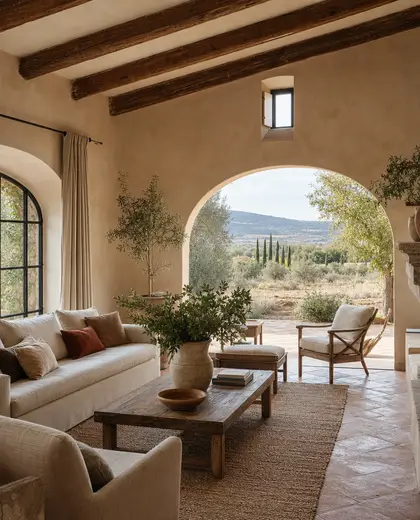
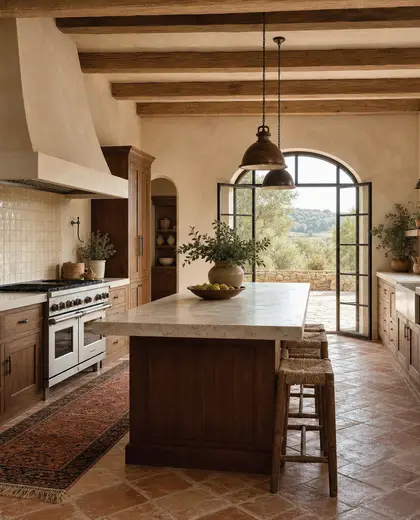
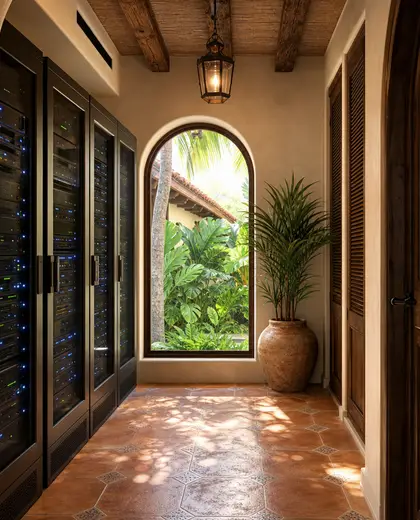
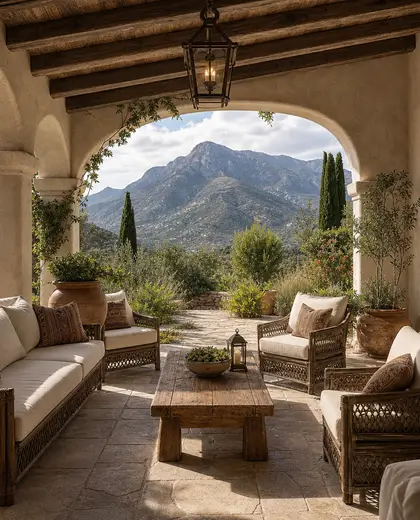
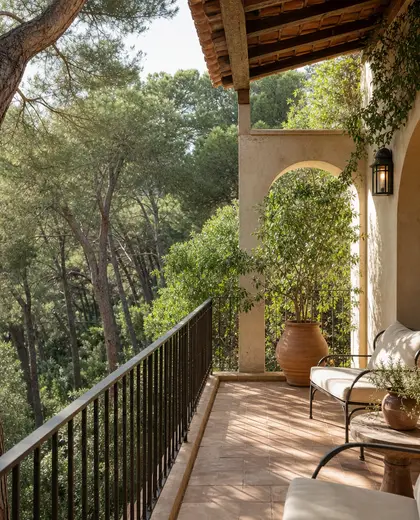
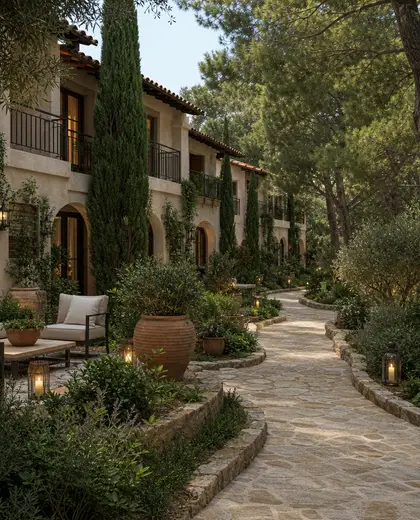
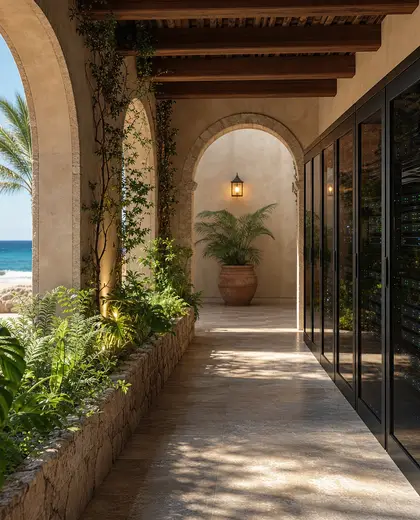
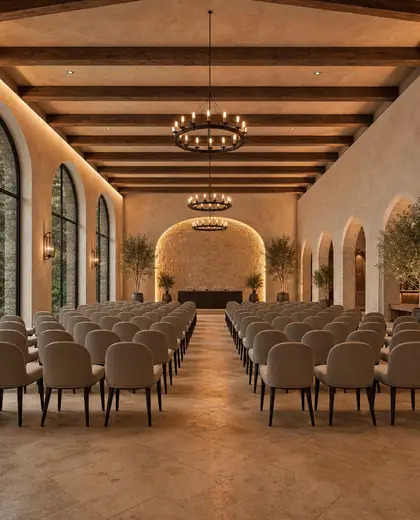
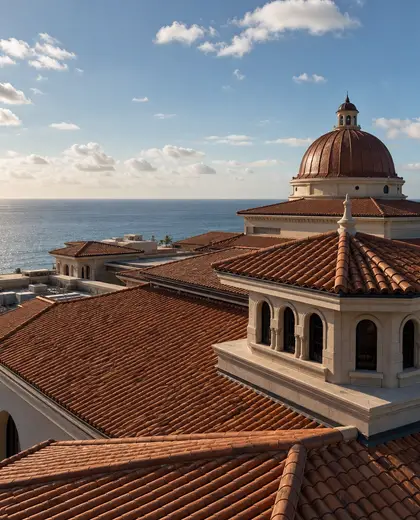
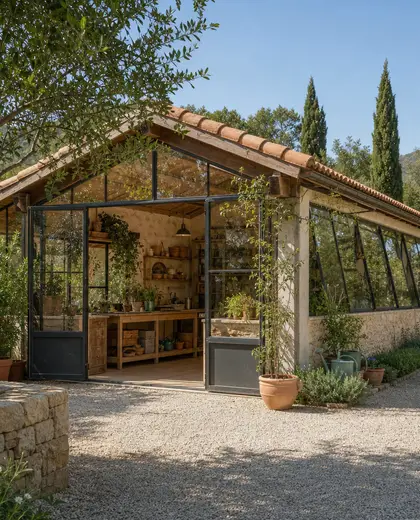
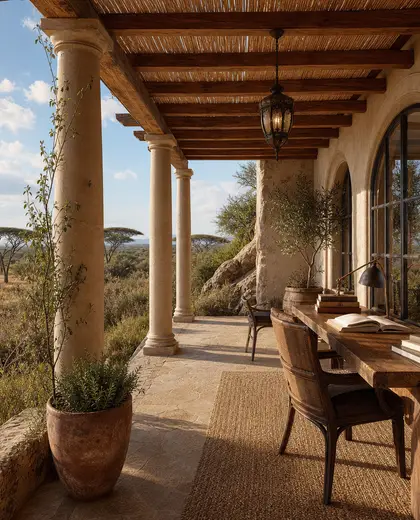
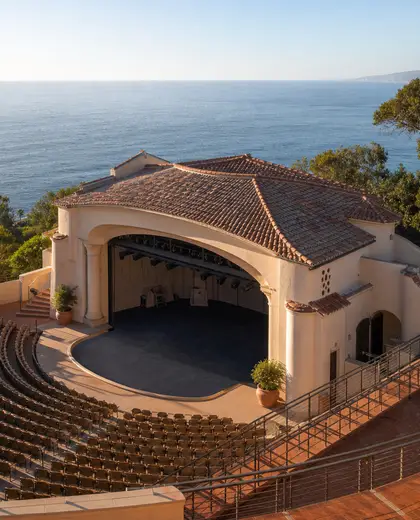
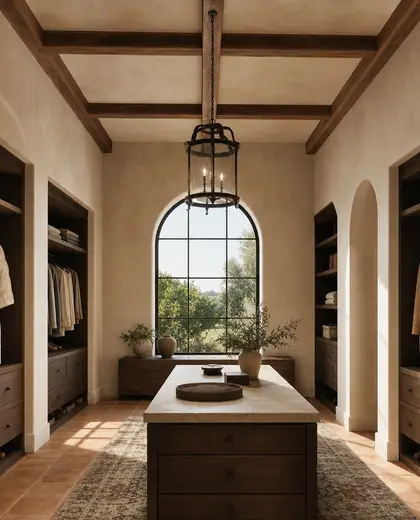
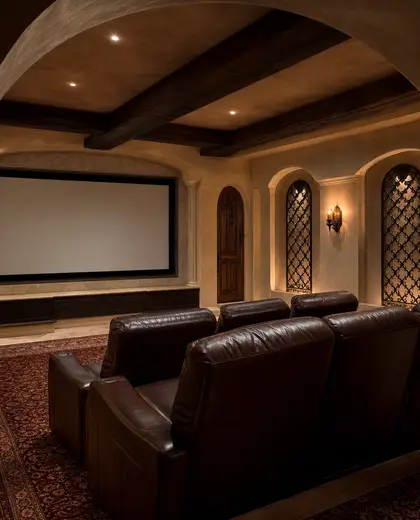
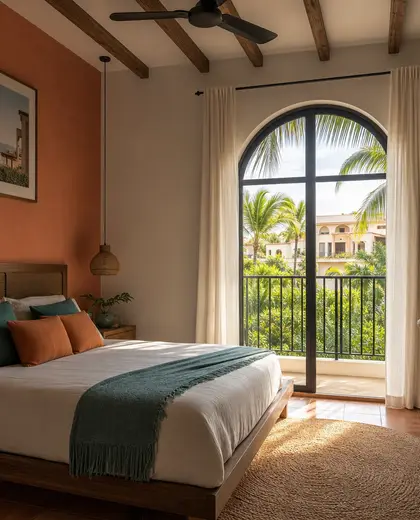
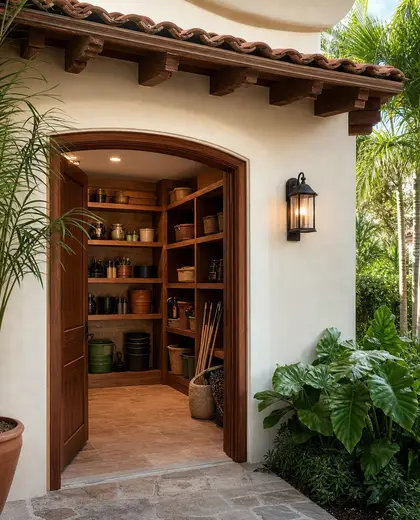
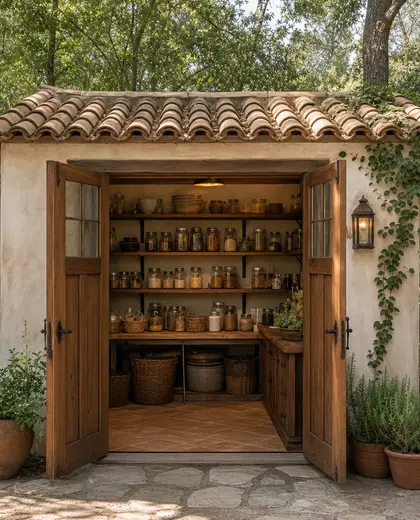
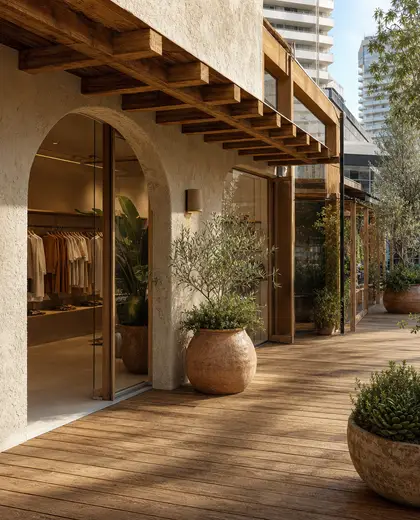
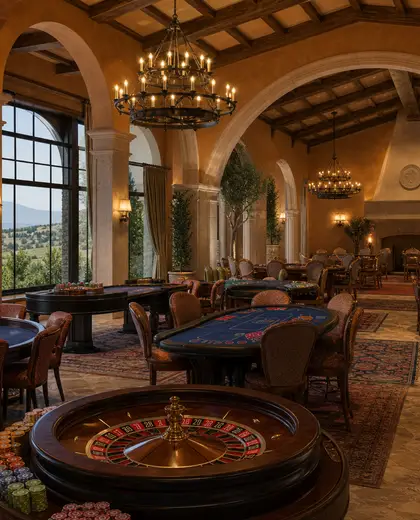
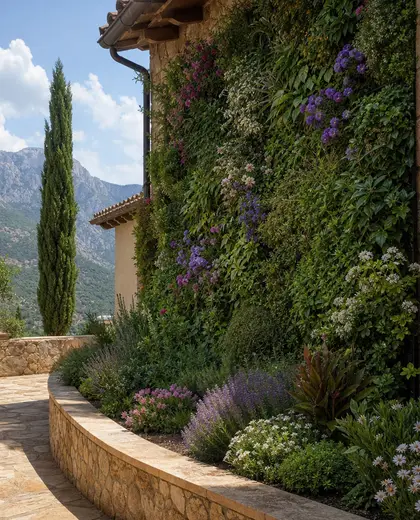
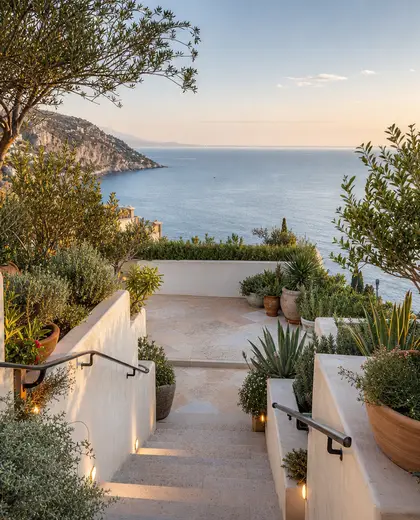
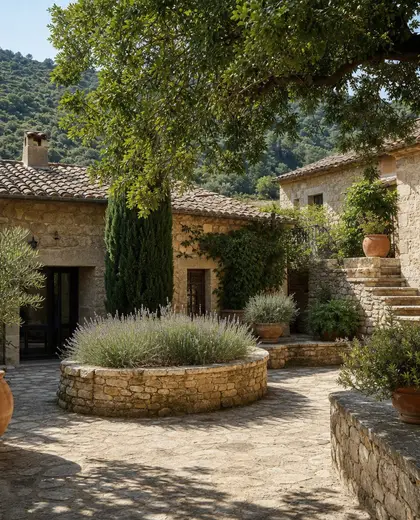
Mediterranean composition is defined by lime plaster or stucco walls, terracotta tile, natural stone, wood beams, and wrought iron details. The palette is warm and sun-washed: white, sand, ochre, clay, olive green, and deep blue. It often includes arched openings, shaded terraces, textured finishes, and handmade surfaces that feel grounded and breathable.
- mediterranean
— References
References to explore
Does Mediterranean style work in a small home?
Yes, if the palette stays light and the finishes are kept simple. Use fewer heavy elements and rely on texture, arches, and natural light rather than oversized furniture.
Is Mediterranean the same as rustic?
Not exactly. Mediterranean is usually brighter and more architectural, with plaster, tile, and arches, while rustic tends to lean heavier into raw wood and rougher surfaces.
What materials are easiest to use if I want this look without a full renovation?
Paint, textured wall finishes, terracotta or zellige-inspired tile, linen textiles, wood furniture, and iron lighting can suggest the style without changing the whole structure.
— The style
What defines it
Lime plaster, terracotta, stone, timber, ceramic tile, and wrought iron.
Warm neutrals with earthy reds, muted greens, sea blues, and chalky whites.
Works well with rustic, coastal, bohemian, and softly modern interiors.
— Professionals
Who has already built it
- roland a arriaga architecarchitects · 8 projectsView profile →
- pfuner designinterior designers · 11 projectsView profile →
- Karavaan Homefurniture sellers · High Point · 4 projectsView profile →
- jacob galleslandscape designers · 6 projectsView profile →
— Questions
Frequently asked questions
Does Mediterranean style work in a small home?
Yes, if the palette stays light and the finishes are kept simple. Use fewer heavy elements and rely on texture, arches, and natural light rather than oversized furniture.
Is Mediterranean the same as rustic?
Not exactly. Mediterranean is usually brighter and more architectural, with plaster, tile, and arches, while rustic tends to lean heavier into raw wood and rougher surfaces.
What materials are easiest to use if I want this look without a full renovation?
Paint, textured wall finishes, terracotta or zellige-inspired tile, linen textiles, wood furniture, and iron lighting can suggest the style without changing the whole structure.