— Ideas & inspiration
Meeting room
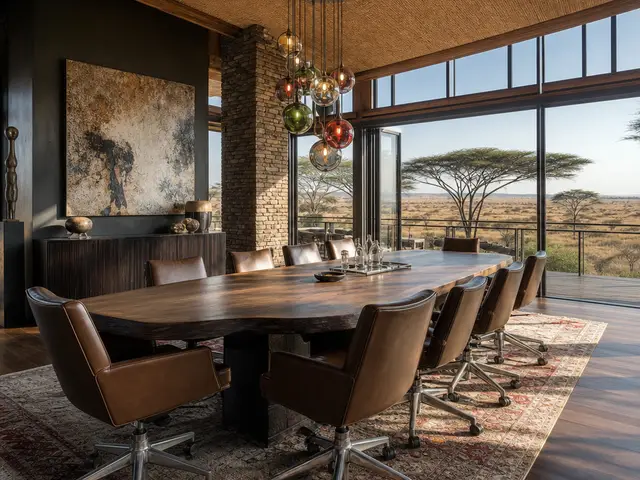
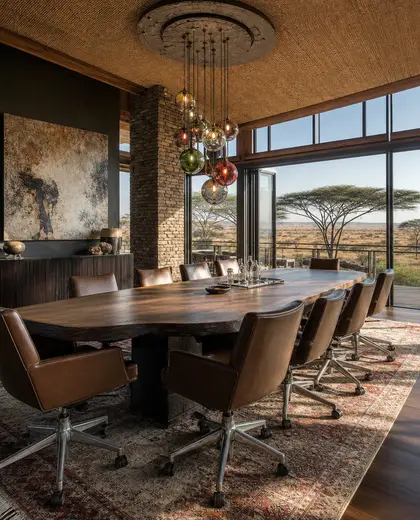
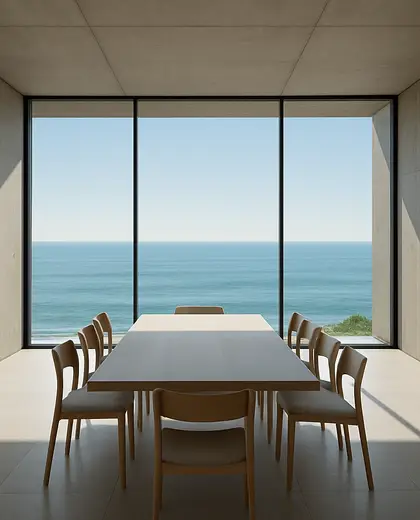
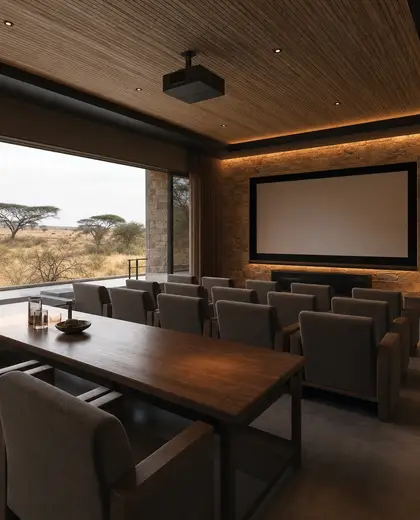
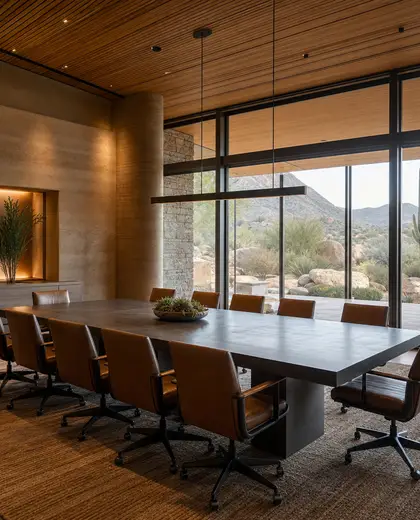
A meeting room is typically defined by a clear, functional layout centered on a table or conference setting, with comfortable seating and integrated technology. Materials are usually restrained and durable: wood veneer, painted MDF, glass, metal, acoustic panels, and hardwearing textiles. The palette tends toward neutrals, warm woods, and muted dark accents to keep the space focused and professional.
- meeting room
— References
References to explore
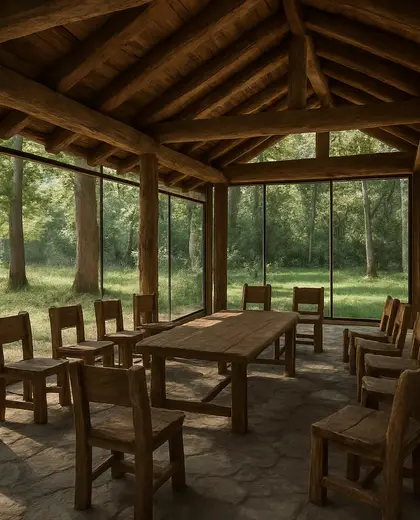
What makes a room read as a meeting room instead of a lounge or dining room?
The furniture arrangement is the main signal: a centered table, evenly spaced seating, and clear sightlines to screens or speakers. Acoustic control and integrated power also make it feel purpose-built.
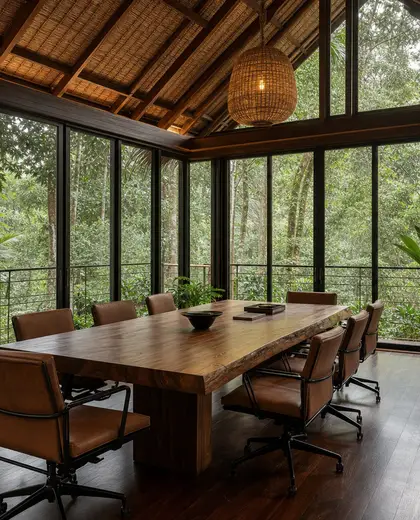
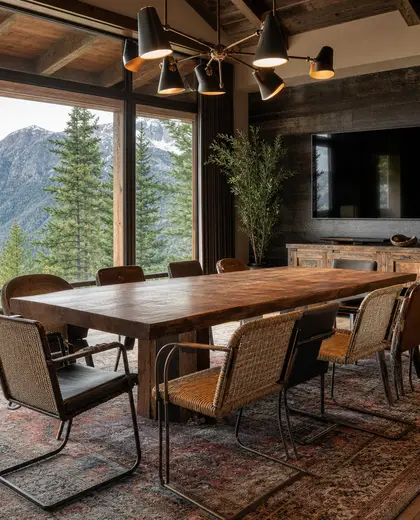
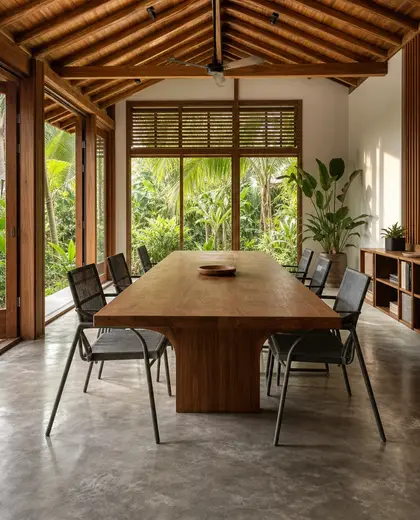
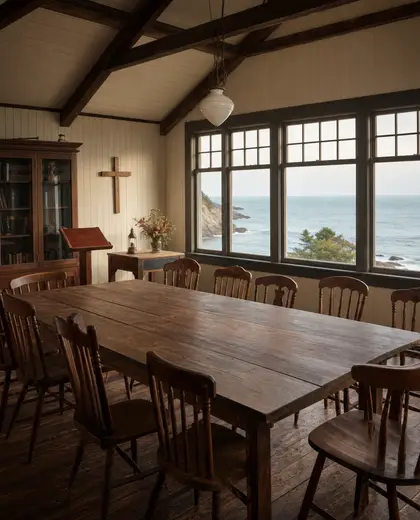
Which materials work best in a meeting room?
Durable, low-reflection materials usually work best, such as wood veneer, laminate, glass, metal, and acoustic panels. Upholstery should be easy to maintain and comfortable for longer sessions.
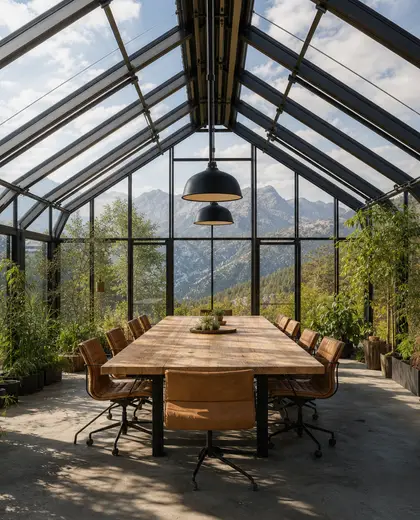
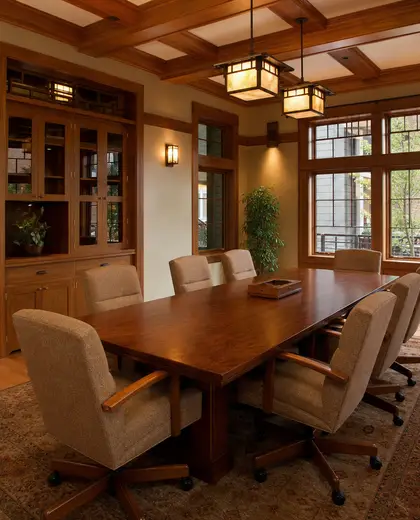
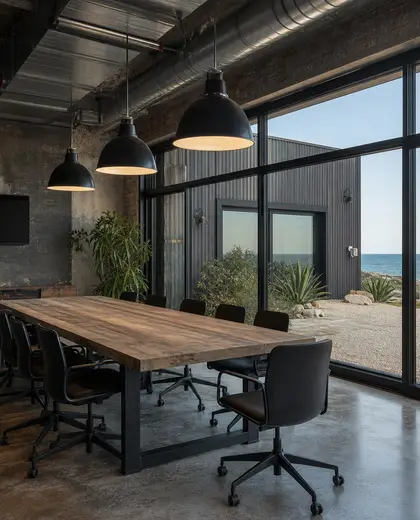
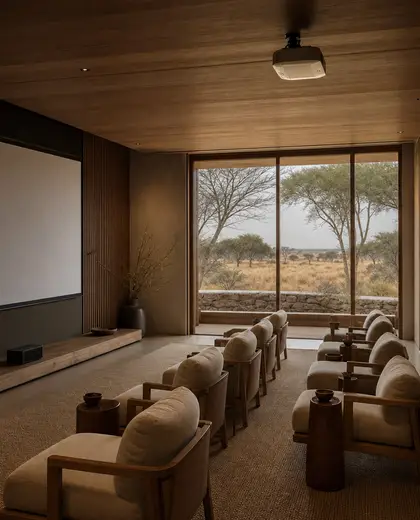
Can a meeting room still feel warm and not too corporate?
Yes, if you introduce natural wood, softer textiles, and warmer neutrals instead of only hard surfaces and high-contrast finishes. Good lighting and some acoustic fabric also help the room feel more welcoming.
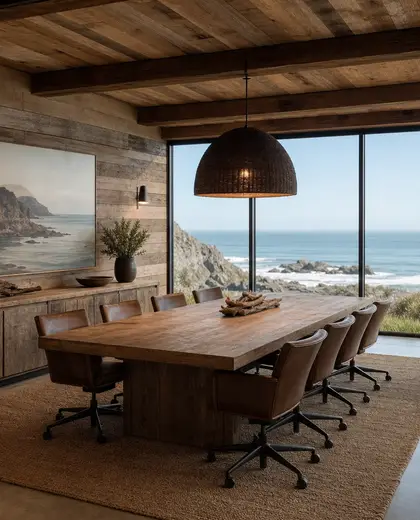
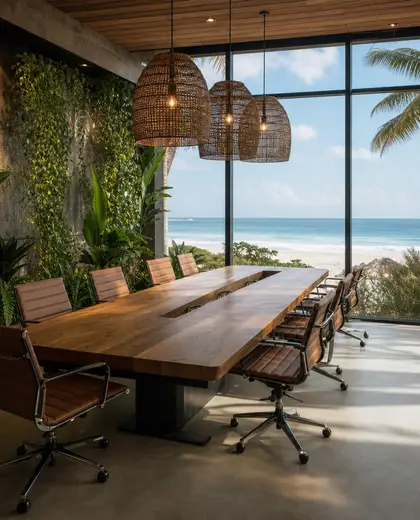
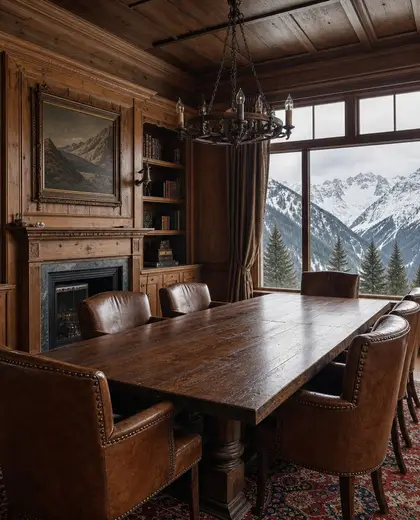

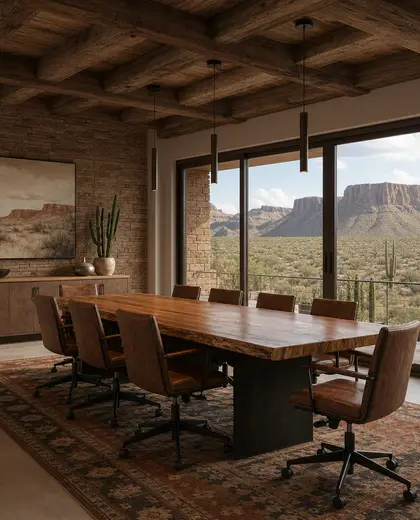
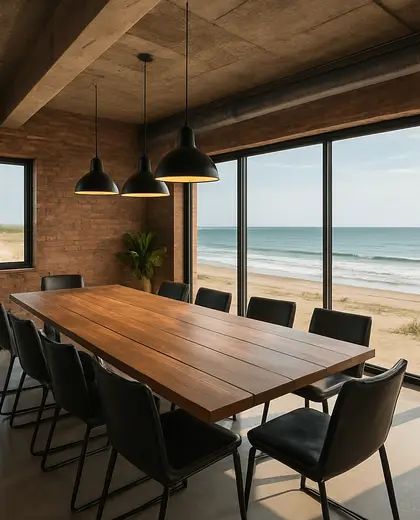
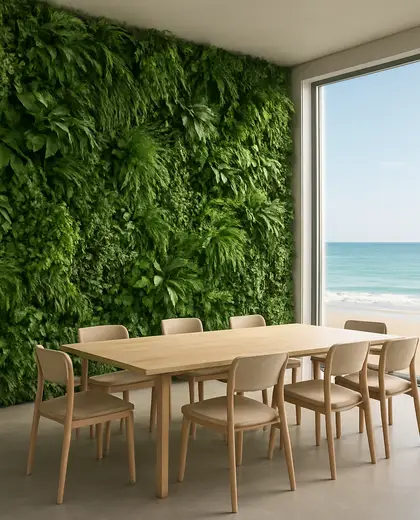
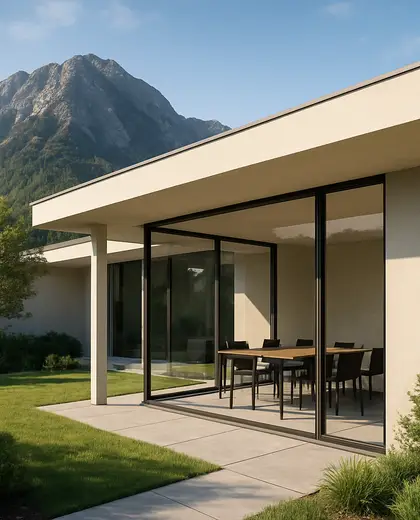
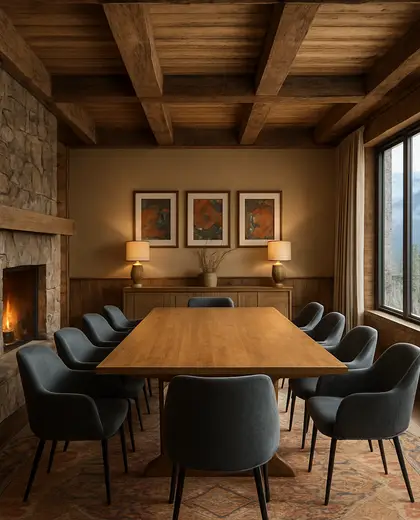
— The style
What defines it
Wood veneer, glass, powder-coated metal, acoustic felt, painted surfaces, and upholstery designed for frequent use.
Neutral whites, greys, taupe, black, and natural wood tones, sometimes softened with muted blue, green, or beige.
Task lighting, built-in storage, acoustic treatments, presentation equipment, and simple wall finishes that keep attention on the table.
— Professionals
Who has already built it
- annilee b watermanarchitects · Wylie · 6 projectsView profile →
- interior design by emilyinterior designers · 8 projectsView profile →
- Karavaan Homefurniture sellers · High Point · 4 projectsView profile →
- jacob galleslandscape designers · 6 projectsView profile →
— Questions
Frequently asked questions
What makes a room read as a meeting room instead of a lounge or dining room?
The furniture arrangement is the main signal: a centered table, evenly spaced seating, and clear sightlines to screens or speakers. Acoustic control and integrated power also make it feel purpose-built.
Which materials work best in a meeting room?
Durable, low-reflection materials usually work best, such as wood veneer, laminate, glass, metal, and acoustic panels. Upholstery should be easy to maintain and comfortable for longer sessions.
Can a meeting room still feel warm and not too corporate?
Yes, if you introduce natural wood, softer textiles, and warmer neutrals instead of only hard surfaces and high-contrast finishes. Good lighting and some acoustic fabric also help the room feel more welcoming.