— Ideas & inspiration
Mountain architecture
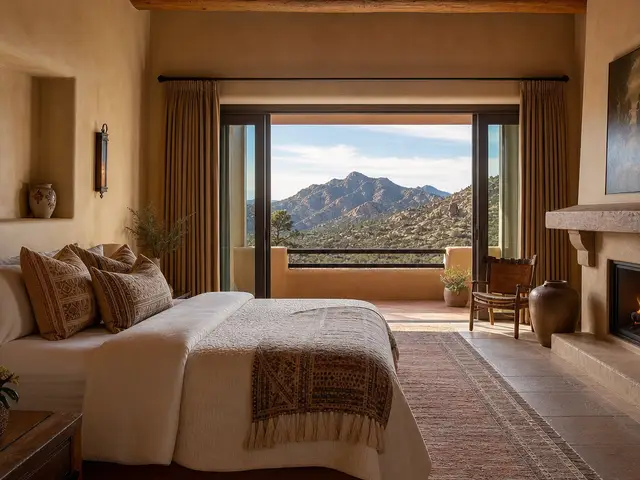
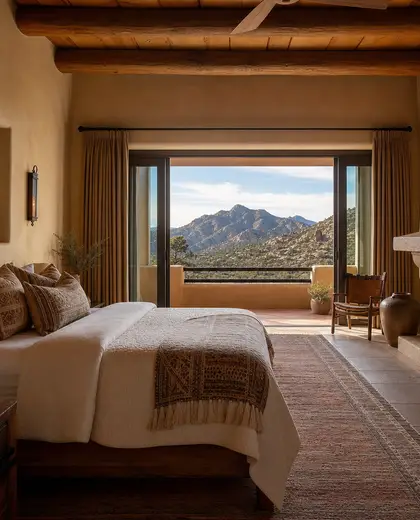
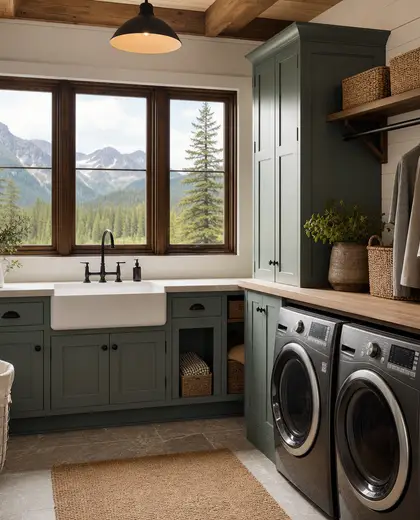
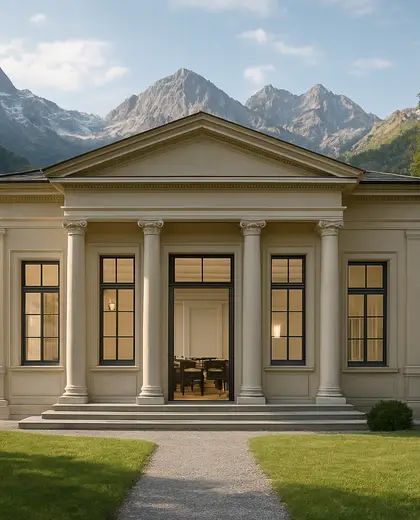
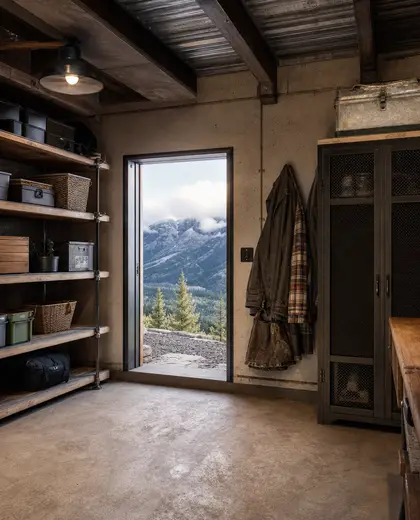
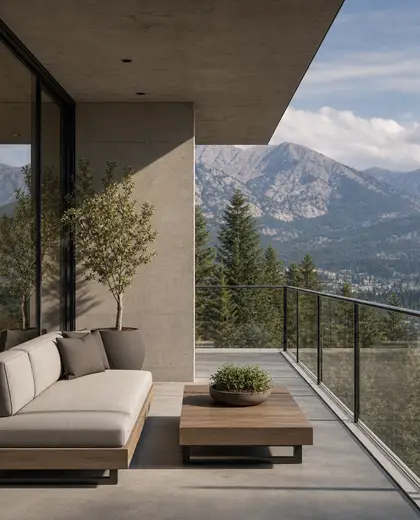
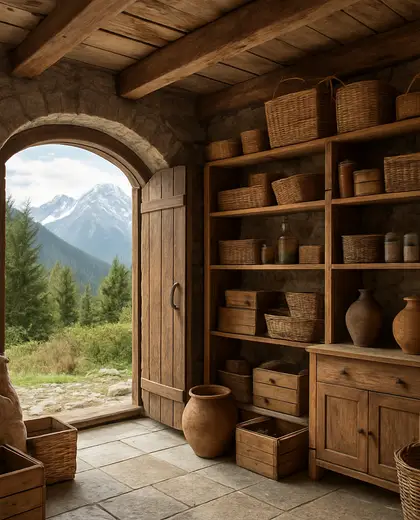
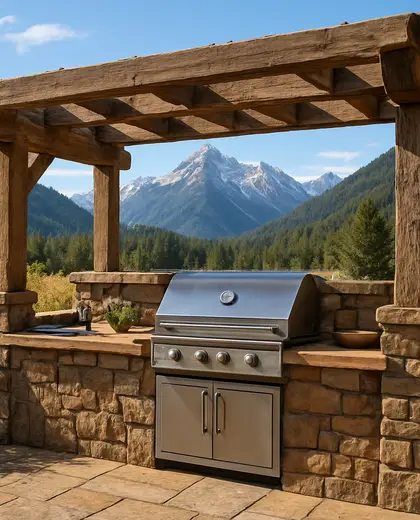
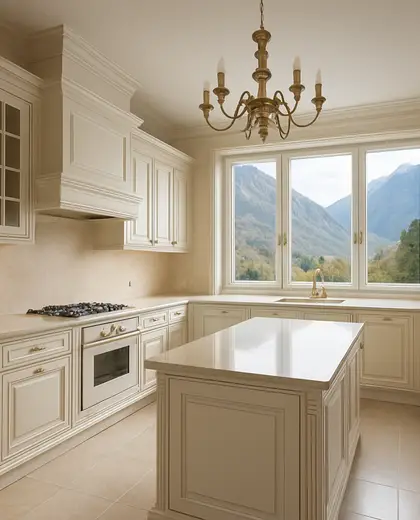
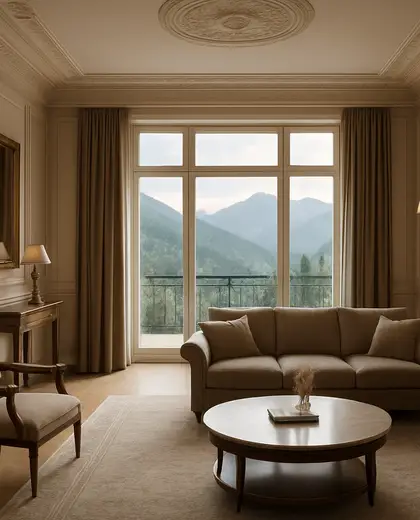
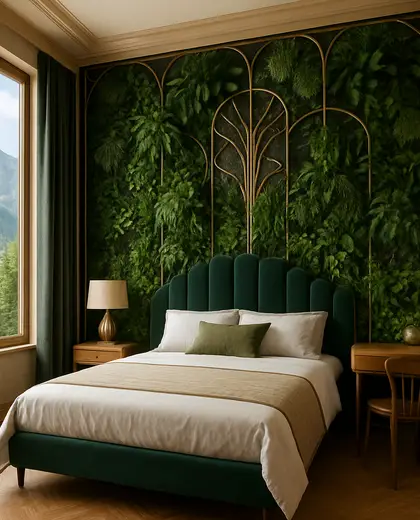
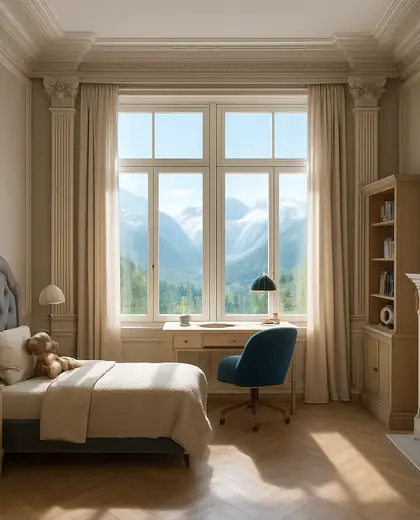
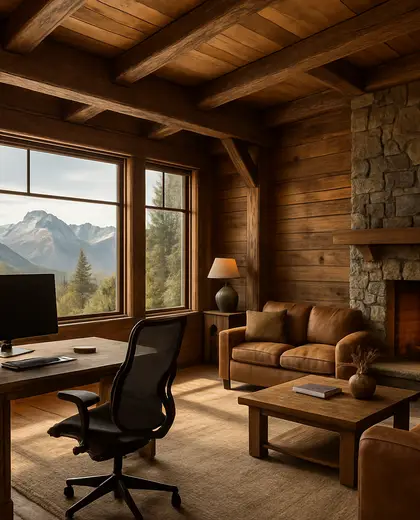
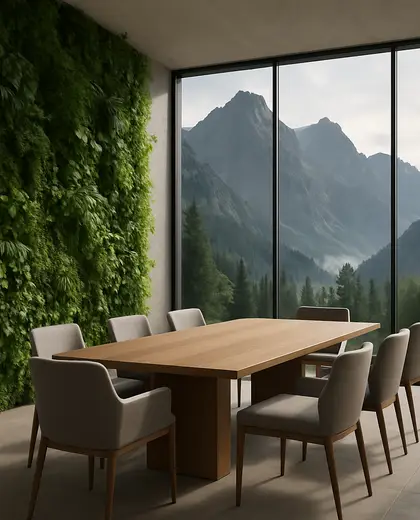
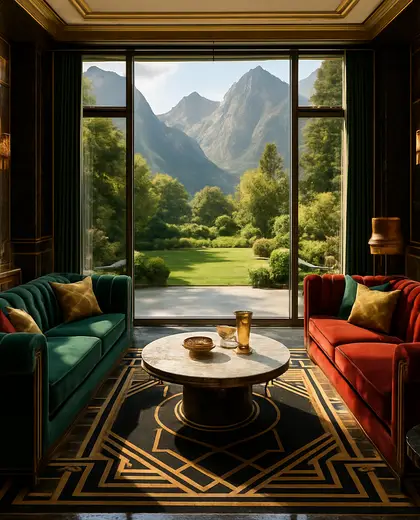
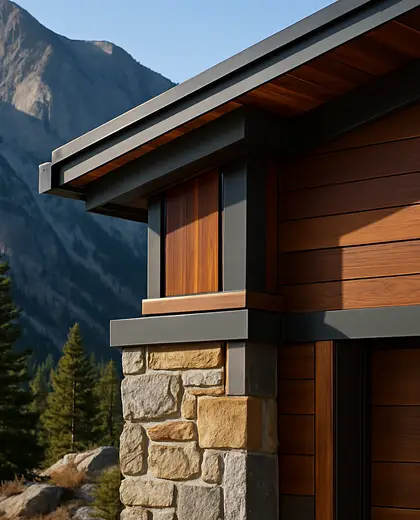
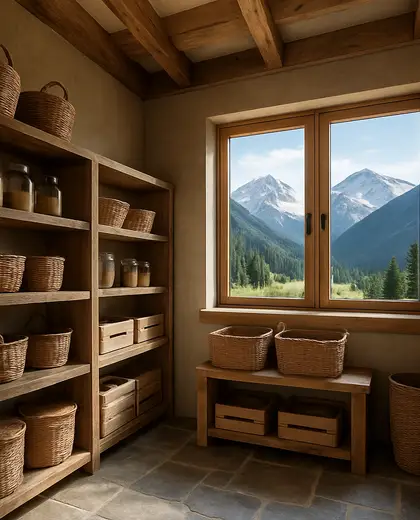
Mountain composition is defined by heavy, grounded materials such as stone, timber, and weathered metal, arranged to feel solid against a rugged landscape. The palette usually stays natural and muted: greys, browns, charcoal, deep greens, and off-white. It often includes steep roofs, deep overhangs, large openings, and textures that echo rock, bark, and snow.
- mountain
— References
References to explore
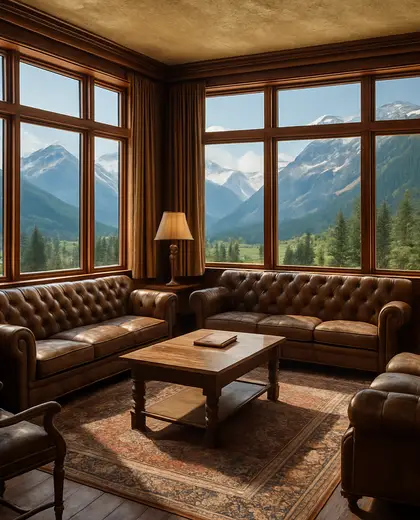
What makes a house feel mountain-inspired?
A mountain-inspired house usually feels low and solid, uses natural materials, and responds to climate with steep roofs, sheltered entries, and strong insulation-friendly envelopes.
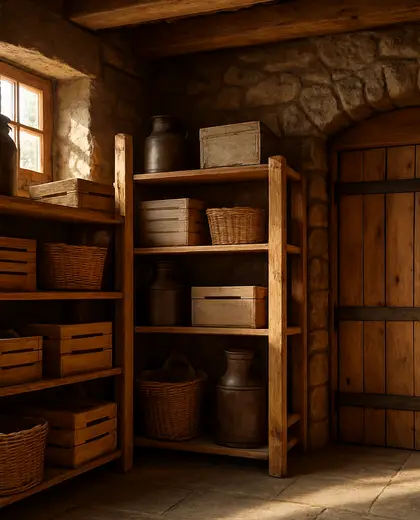
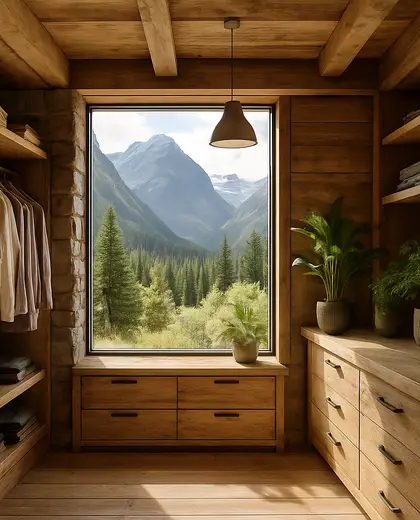
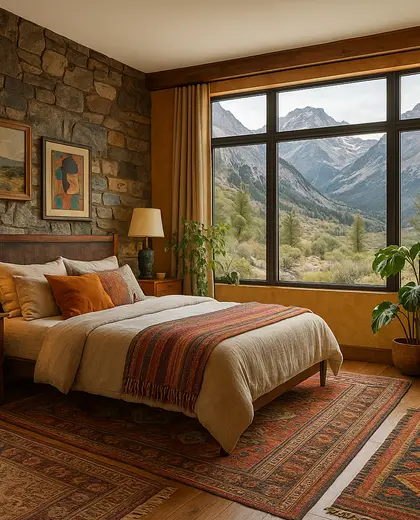
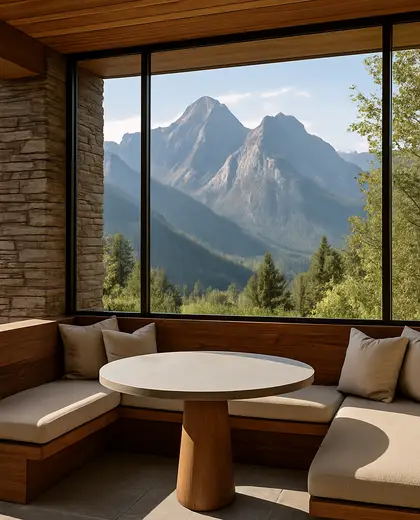
Can mountain style look modern?
Yes. Mountain composition can be modern when the massing is simple, the detailing is clean, and materials like stone and timber are used in a restrained way.
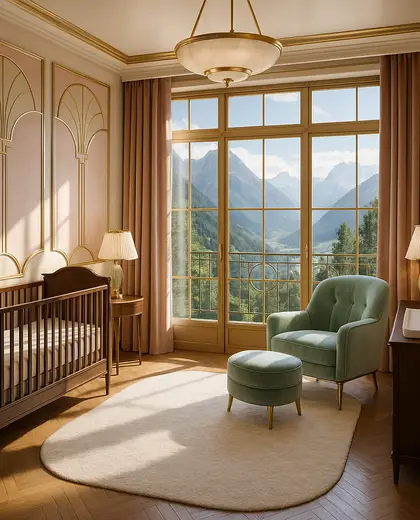
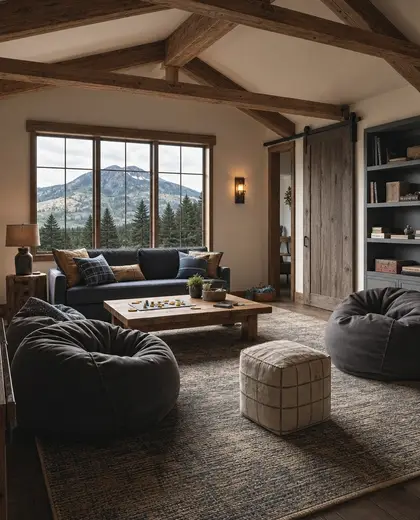
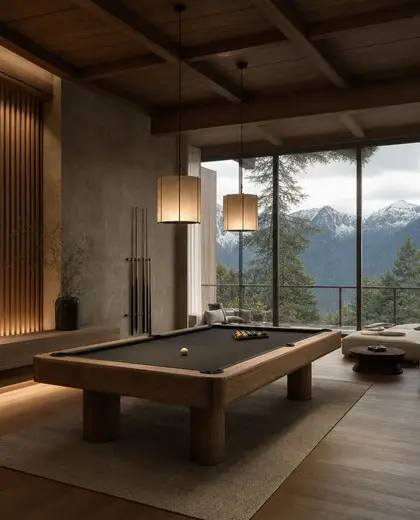
Does mountain composition only work in the mountains?
No. It can work anywhere you want a grounded, nature-led look, though it is especially effective on sites with trees, slopes, or dramatic views.
— The style
What defines it
Stone, timber, board-formed concrete, metal roofing, and dark framing are the most typical choices.
Earthy neutrals dominate: slate grey, warm brown, blackened steel, forest green, and soft white.
Works well with alpine, rustic, contemporary cabin, and minimalist forms, especially on sloped sites.
— Professionals
Who has already built it
- roland a arriaga architecarchitects · 8 projectsView profile →
- pfuner designinterior designers · 11 projectsView profile →
- Karavaan Homefurniture sellers · High Point · 4 projectsView profile →
- jacob galleslandscape designers · 6 projectsView profile →
— Questions
Frequently asked questions
What makes a house feel mountain-inspired?
A mountain-inspired house usually feels low and solid, uses natural materials, and responds to climate with steep roofs, sheltered entries, and strong insulation-friendly envelopes.
Can mountain style look modern?
Yes. Mountain composition can be modern when the massing is simple, the detailing is clean, and materials like stone and timber are used in a restrained way.
Does mountain composition only work in the mountains?
No. It can work anywhere you want a grounded, nature-led look, though it is especially effective on sites with trees, slopes, or dramatic views.