— Ideas & inspiration
Neoclassical calm in a rural setting
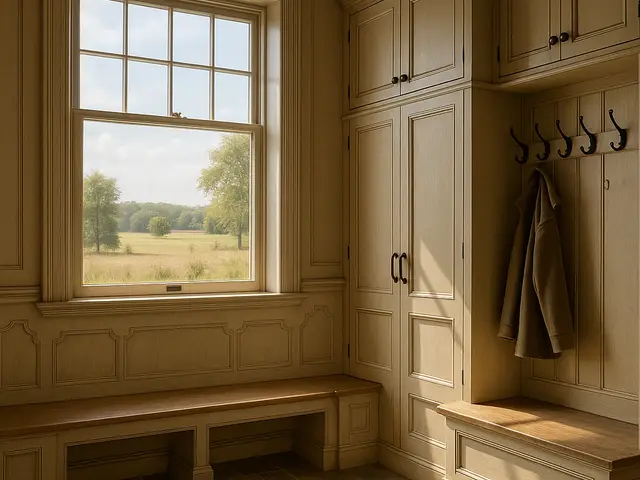
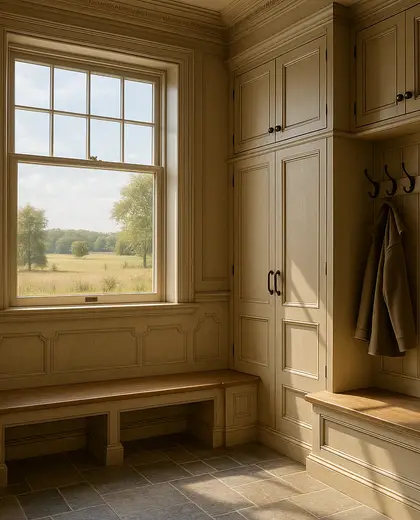
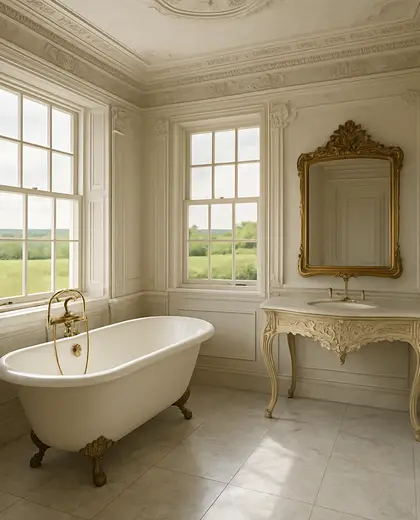
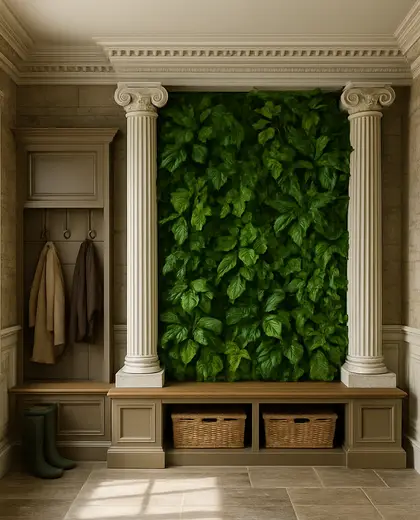
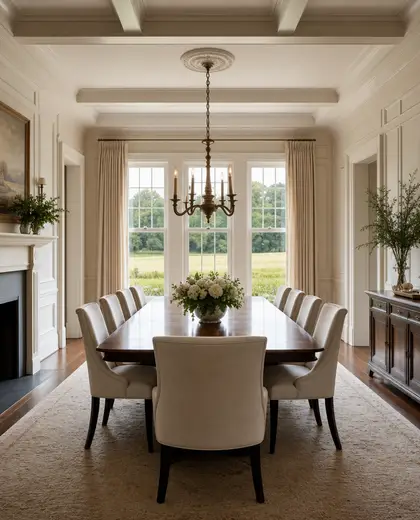
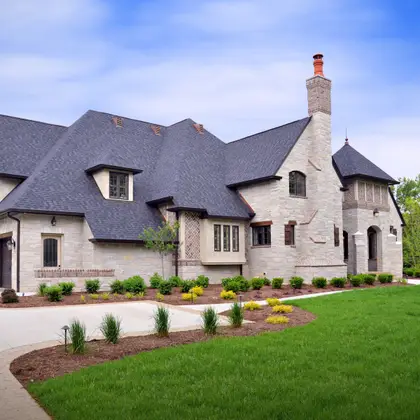
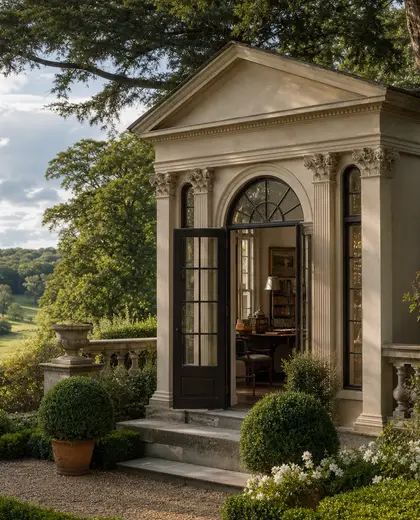
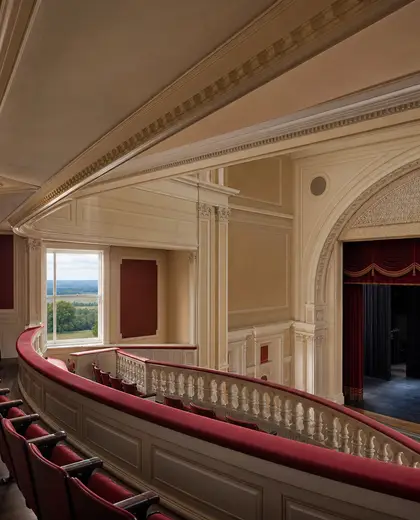
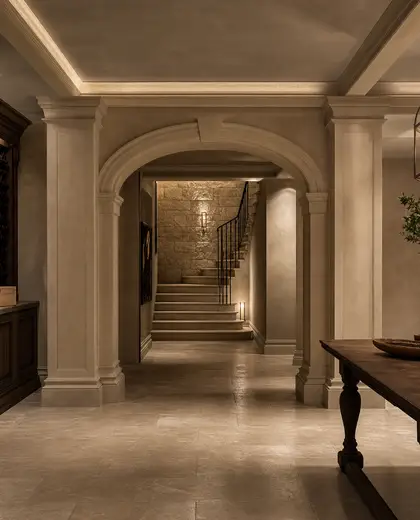
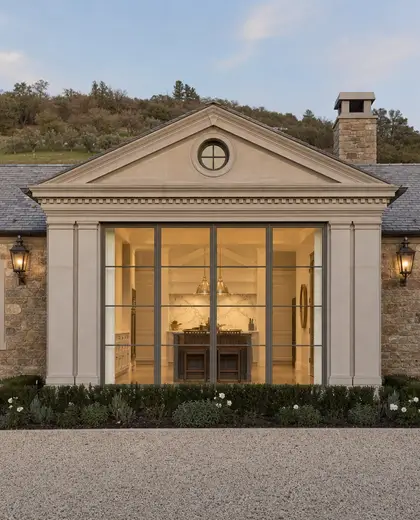
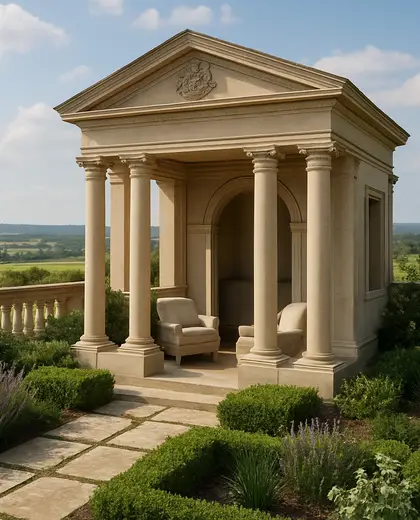
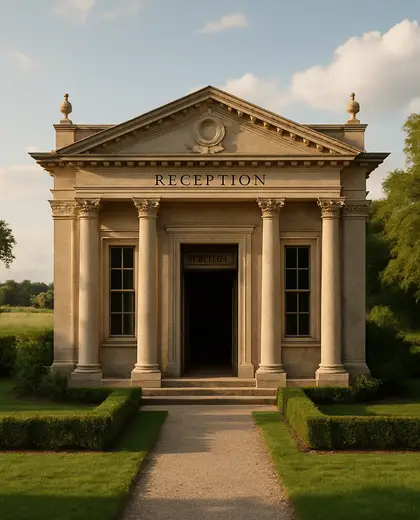
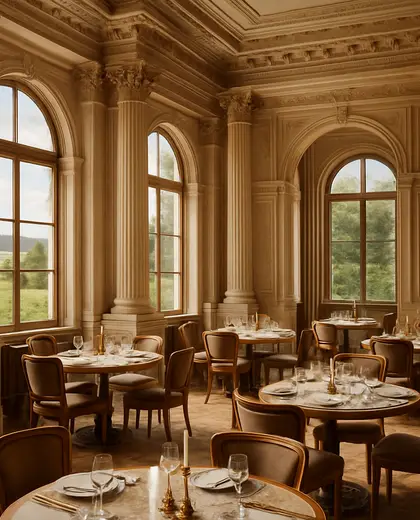
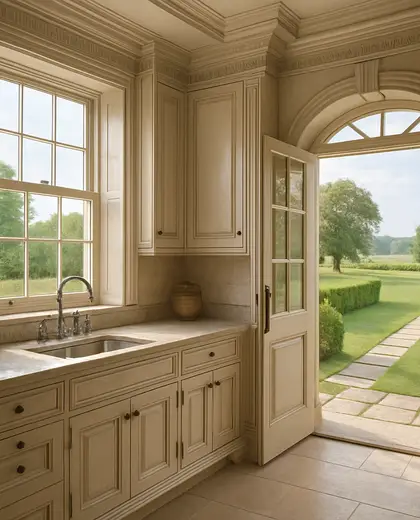
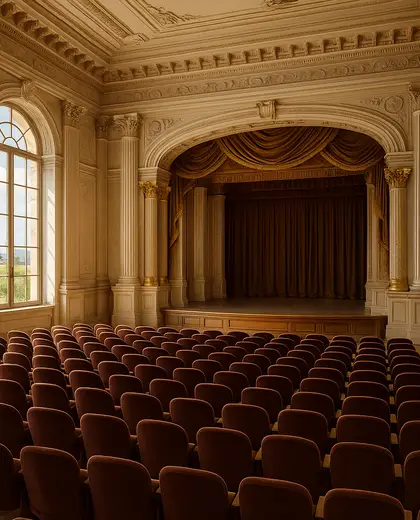
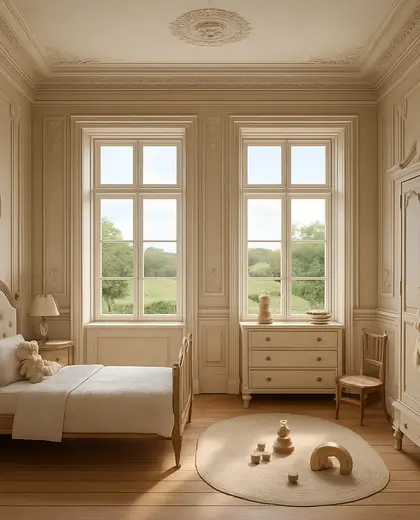
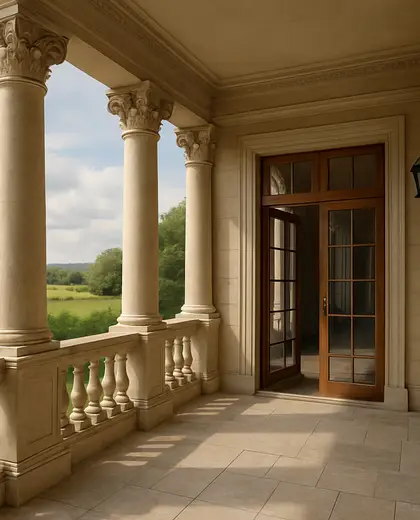
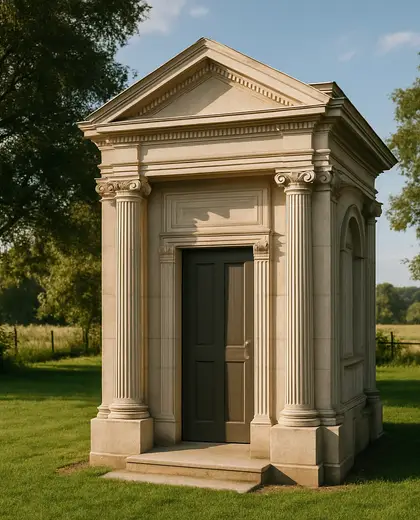
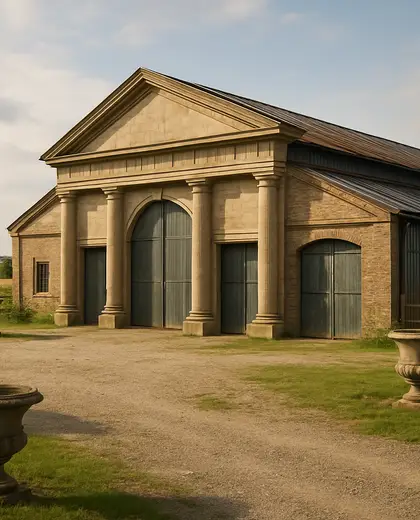
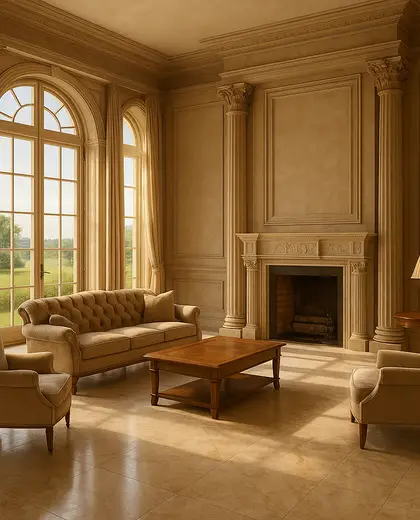
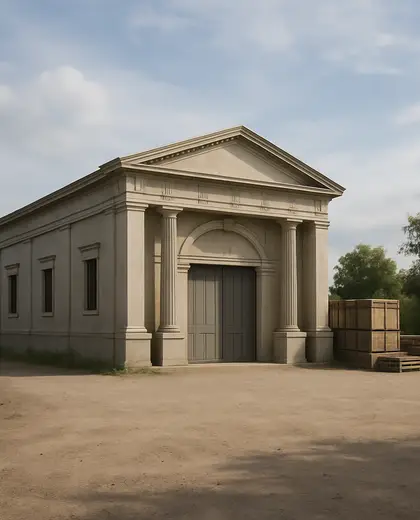
This composition pairs the symmetry and formal detailing of neoclassical design with the warmth and simplicity of rural living. It typically uses plaster moldings, tall paneled doors, stone or timber floors, and restrained furniture in a soft palette of ivory, beige, clay, and muted green. The result feels structured but relaxed, with classical proportions softened by natural textures and everyday materials.
- neoclassical
- rural
— References
References to explore
How do I keep this style from feeling too formal?
Use neoclassical proportions and trim, but keep the finishes matte and the furnishings simple. Unpolished wood, linen, and handmade textures help soften the formality.
What flooring works best in a rural neoclassical interior?
Wide-plank timber, limestone, terracotta, or another natural stone floor usually fits well. Choose finishes that look understated rather than glossy or ornate.
Does this style work in a modern home?
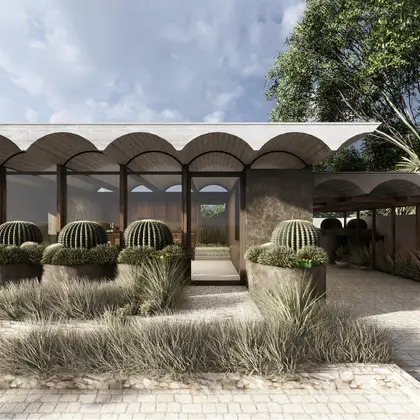
Yes, if you keep the classical detailing selective and let the rural materials do the warming. A simple floor plan, a few moldings, and natural surfaces are often enough to suggest the style.
— The style
What defines it
Plaster, painted wood, natural stone, timber, linen, and sometimes wrought iron.
Ivory, warm white, sand, taupe, muted sage, soft gray, and weathered wood tones.
Classical symmetry, cornices, pilasters, and refined trim combined with rural simplicity, natural finishes, and lived-in comfort.
— Professionals
Who has already built it
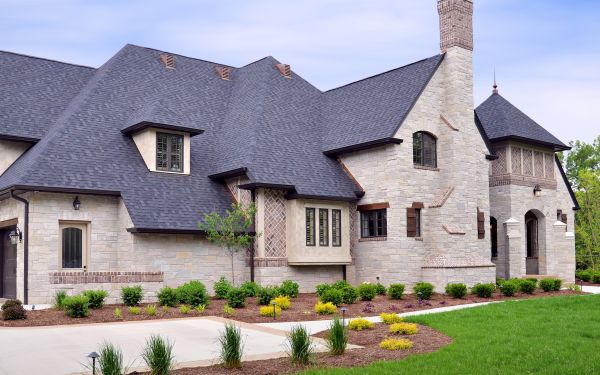



- Karavaan Homefurniture sellers · High Point · 4 projectsView profile →
- roland a arriaga architecarchitects · 1 projectsView profile →
- annilee b watermanarchitects · Wylie · 5 projectsView profile →
— Explore
Keep exploring
— Questions
Frequently asked questions
How do I keep this style from feeling too formal?
Use neoclassical proportions and trim, but keep the finishes matte and the furnishings simple. Unpolished wood, linen, and handmade textures help soften the formality.
What flooring works best in a rural neoclassical interior?
Wide-plank timber, limestone, terracotta, or another natural stone floor usually fits well. Choose finishes that look understated rather than glossy or ornate.
Does this style work in a modern home?
Yes, if you keep the classical detailing selective and let the rural materials do the warming. A simple floor plan, a few moldings, and natural surfaces are often enough to suggest the style.