— Ideas & inspiration
Ocean composition
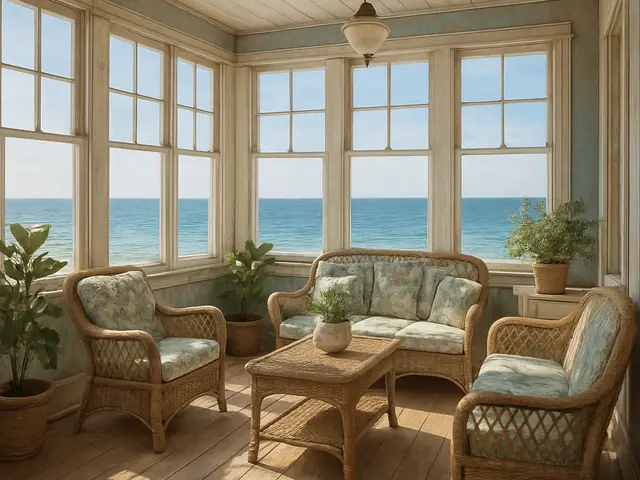
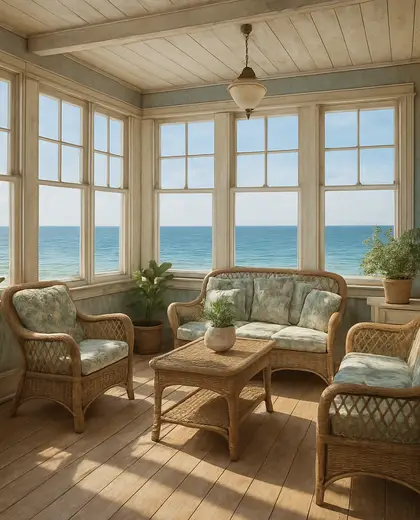
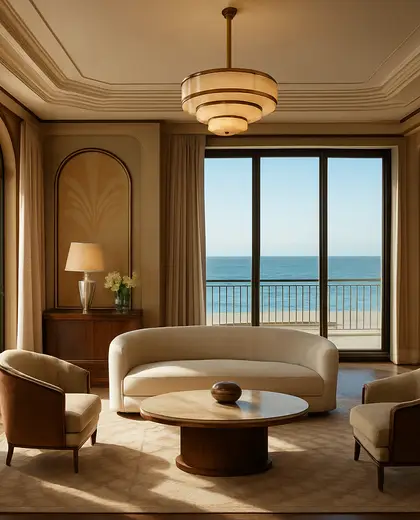
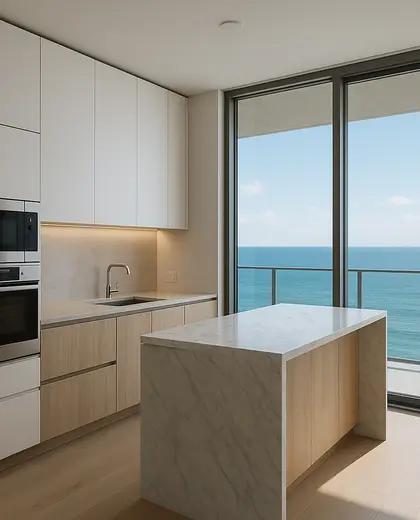
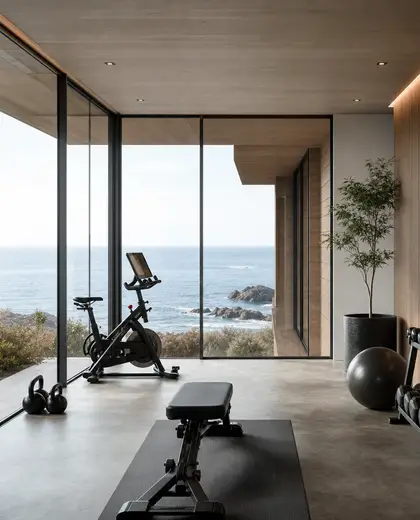
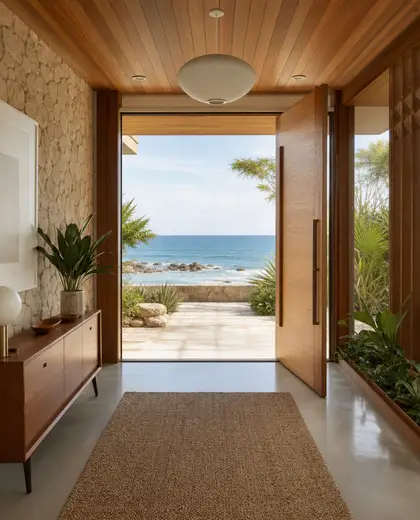
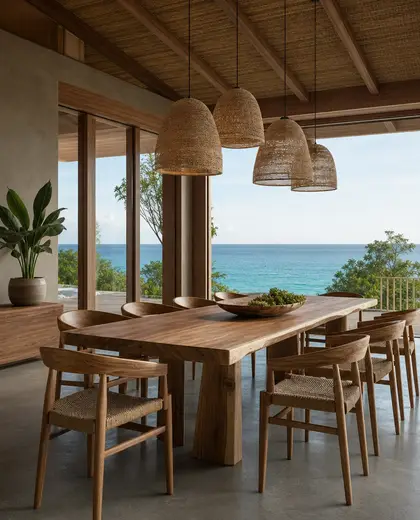
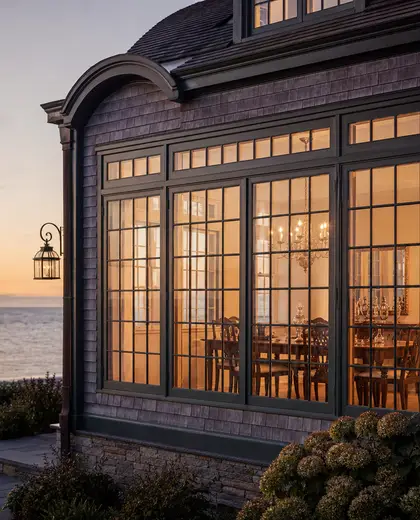
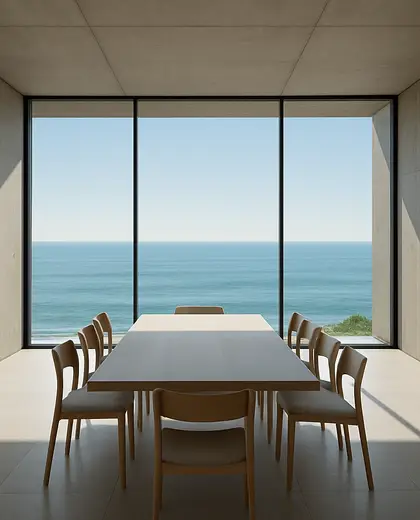
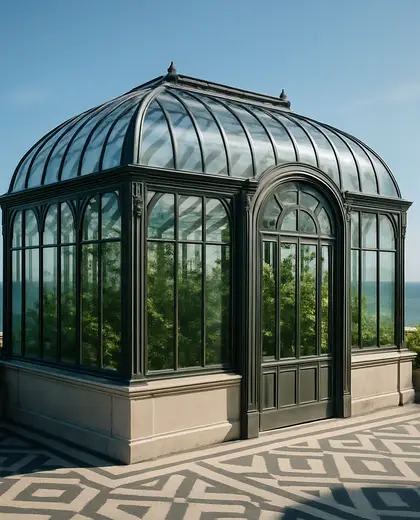
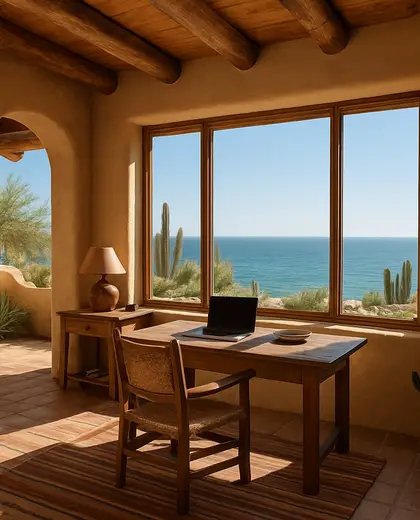
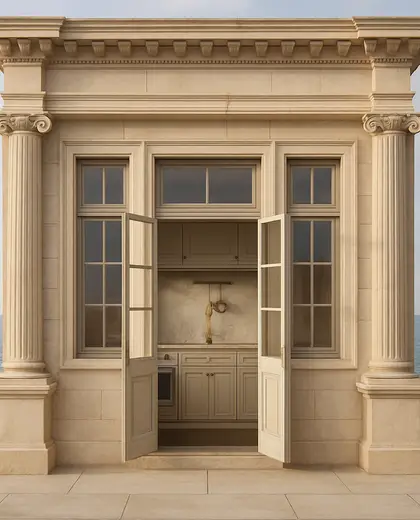
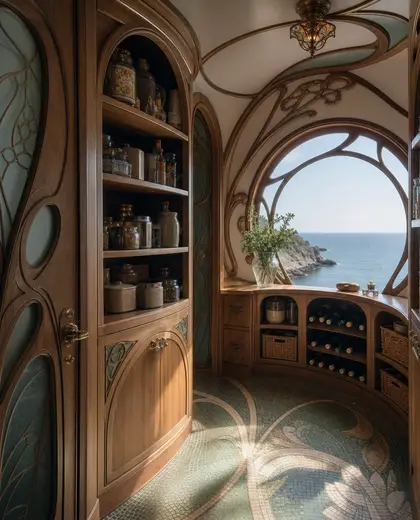
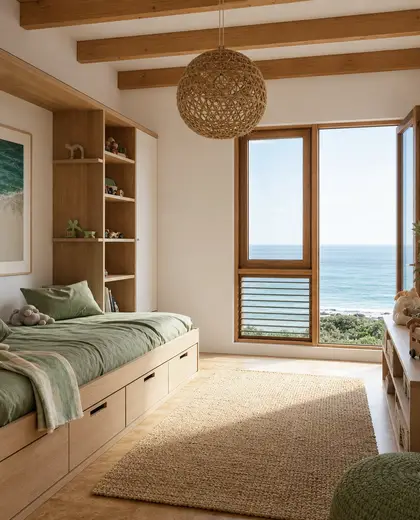
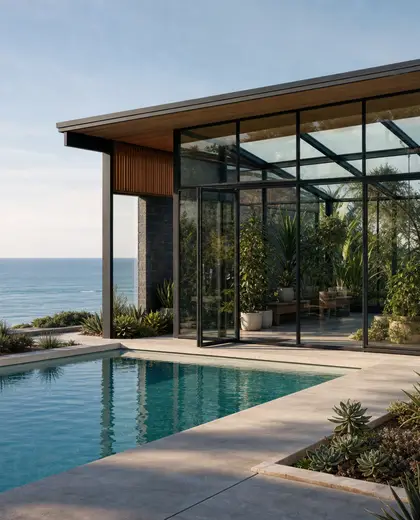
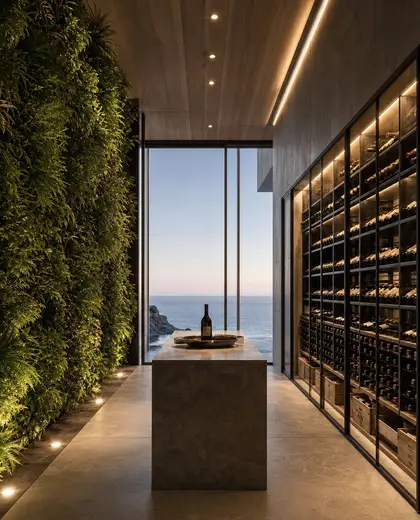
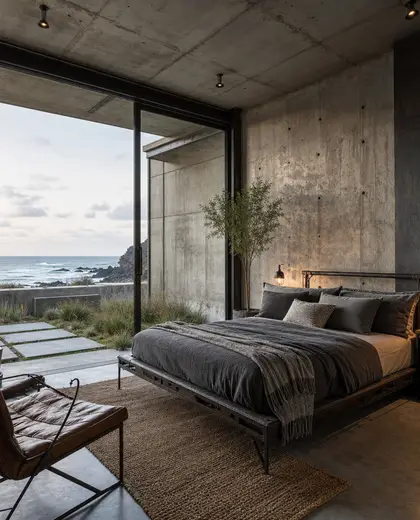
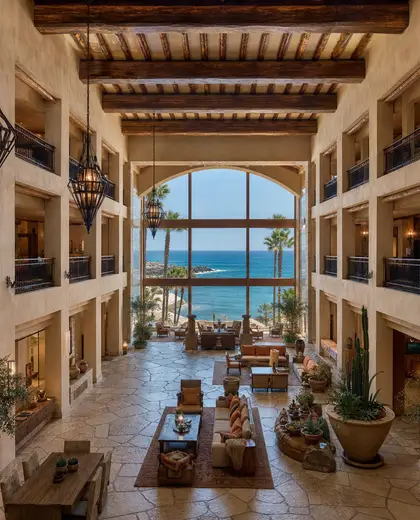
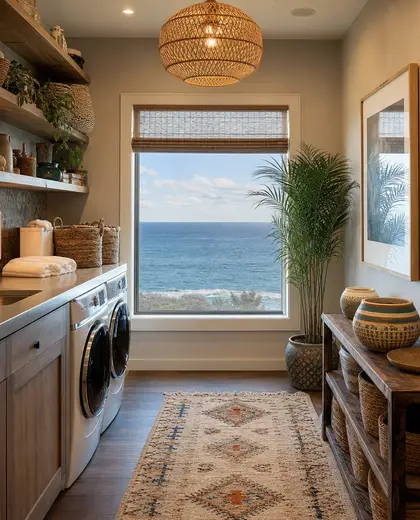
Ocean composition is defined by salt-washed blues, seafoam greens, whitewashed surfaces, and materials that feel weathered by water and wind. It often uses timber, lime plaster, stone, linen, rattan, and glazed ceramics, with soft curves and light-filled layouts that echo the coast. The look is built around natural textures, airy contrast, and a restrained palette that keeps the room calm rather than themed.
- ocean
— References
References to explore
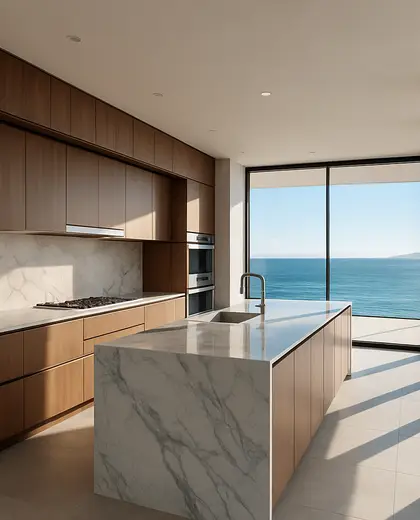
Is ocean style the same as nautical decor?
No. Ocean composition is usually softer and more natural, with fewer literal motifs like stripes, anchors, or rope. It focuses more on light, texture, and water-inspired color.
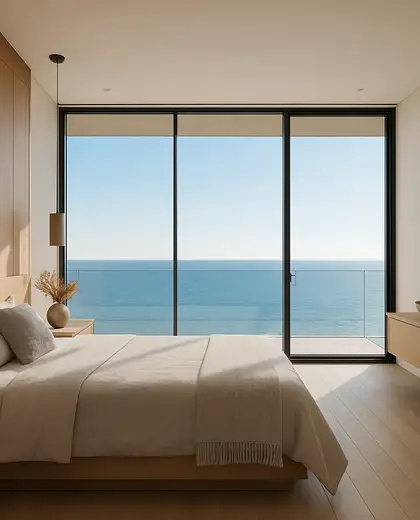
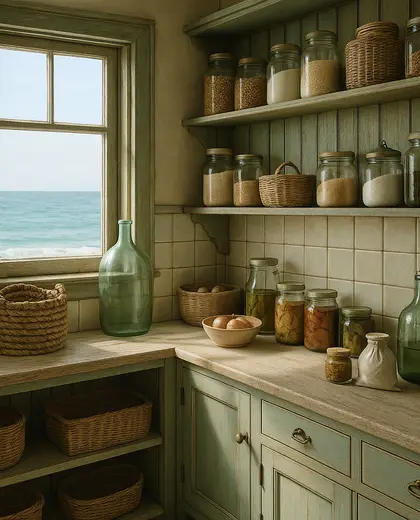
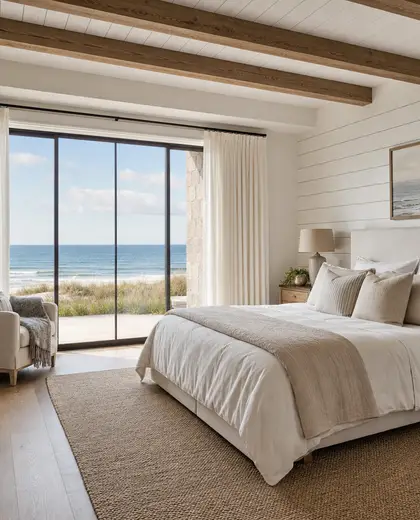
What materials make this composition feel authentic?
Choose materials that look sun-faded or naturally worn: linen, oak, stone, clay, and woven fibers. High-gloss finishes and overly polished surfaces usually feel less convincing.
Can I use ocean composition in a home that is far from the coast?
Yes. The composition is about palette and material feel, not location. It works best when you keep the colors subdued and use a few tactile elements rather than filling the room with beach references.


— The style
What defines it
White oak, bleached timber, limestone, linen, rattan, ceramic, and brushed metal.
Off-white, sand, driftwood beige, pale blue, sea glass green, and muted navy.
Works well with Scandinavian, Mediterranean, coastal, minimalist, and relaxed contemporary interiors.
— Professionals
Who has already built it
- umang shaharchitects · Jersey City · 8 projectsView profile →
- jacob galleslandscape designers · 6 projectsView profile →
- pfuner designinterior designers · 11 projectsView profile →
- Karavaan Homefurniture sellers · High Point · 4 projectsView profile →
— Questions
Frequently asked questions
Is ocean style the same as nautical decor?
No. Ocean composition is usually softer and more natural, with fewer literal motifs like stripes, anchors, or rope. It focuses more on light, texture, and water-inspired color.
What materials make this composition feel authentic?
Choose materials that look sun-faded or naturally worn: linen, oak, stone, clay, and woven fibers. High-gloss finishes and overly polished surfaces usually feel less convincing.
Can I use ocean composition in a home that is far from the coast?
Yes. The composition is about palette and material feel, not location. It works best when you keep the colors subdued and use a few tactile elements rather than filling the room with beach references.