— Ideas & inspiration
Rural composition
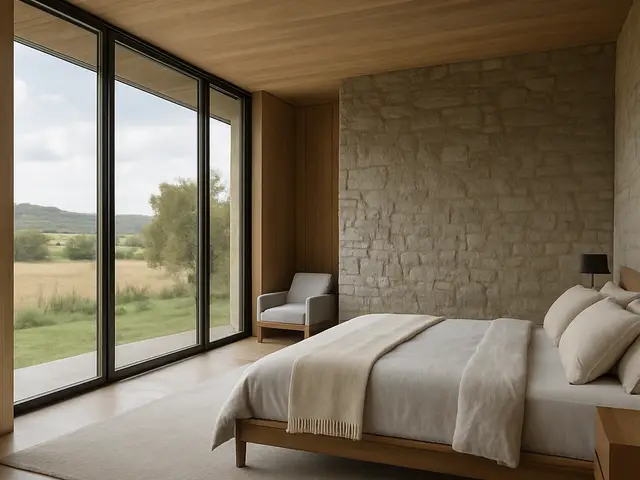
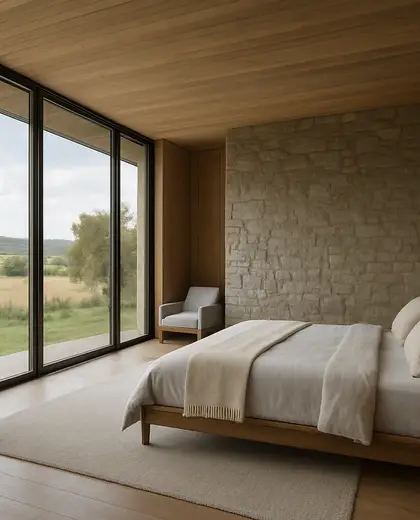
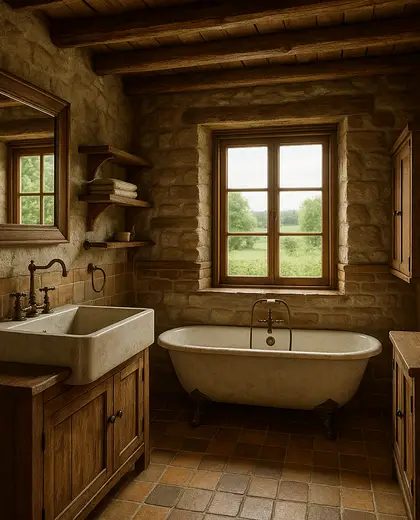
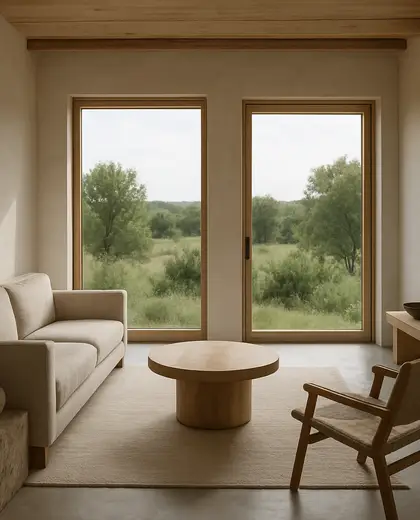
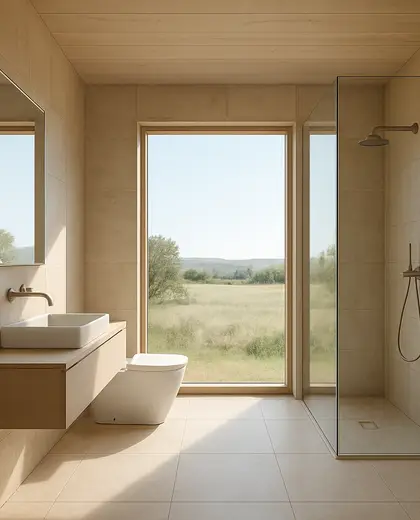
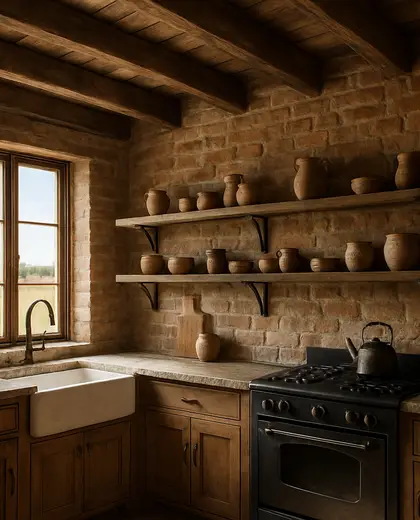
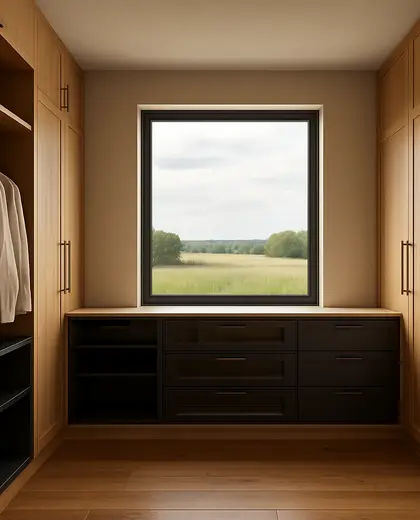
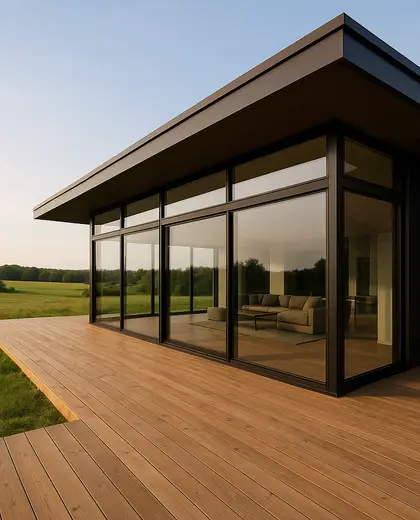
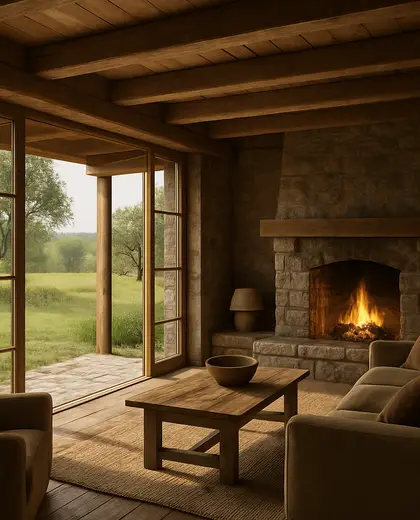
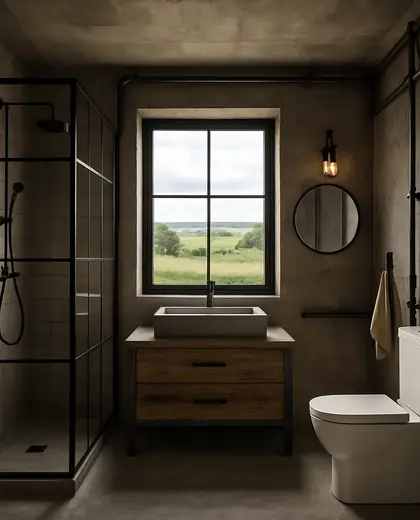
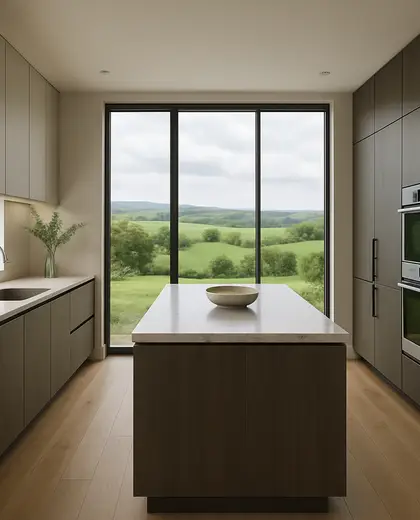
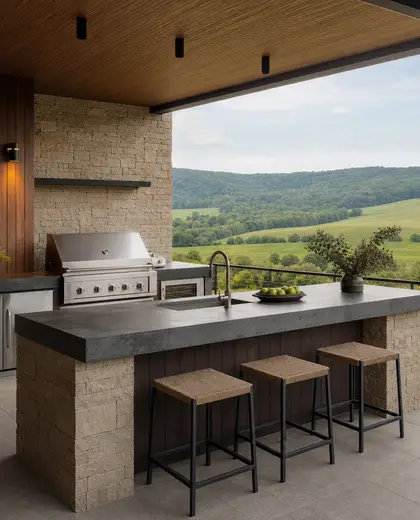
A rural composition is defined by natural, tactile materials such as timber, stone, lime plaster, terracotta, and woven fibers. The palette usually stays soft and grounded, with whites, beiges, clay tones, muted greens, and weathered browns. Its defining elements are simple massing, visible structure, handcrafted details, and a close connection to landscape and daylight.
- rural
— References
References to explore
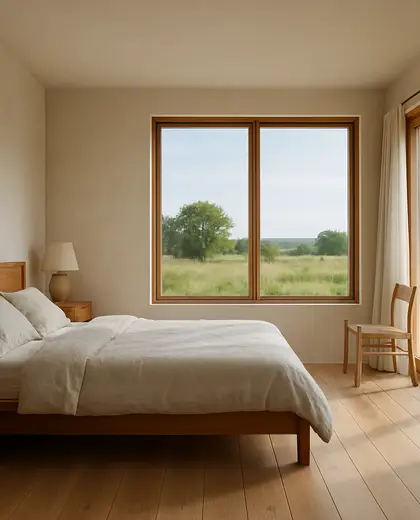
What makes a space read as rural rather than just natural?
Rural spaces usually combine natural materials with a more modest, utilitarian character: simple forms, visible texture, and details that feel handmade or locally sourced.
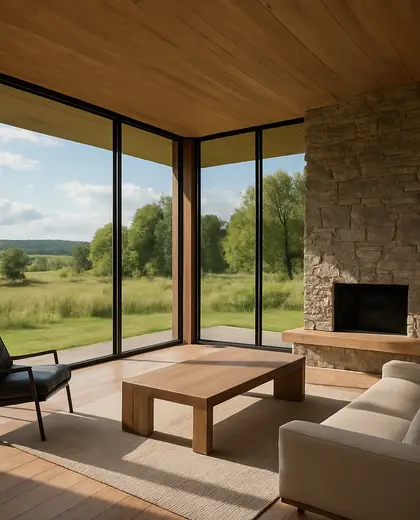
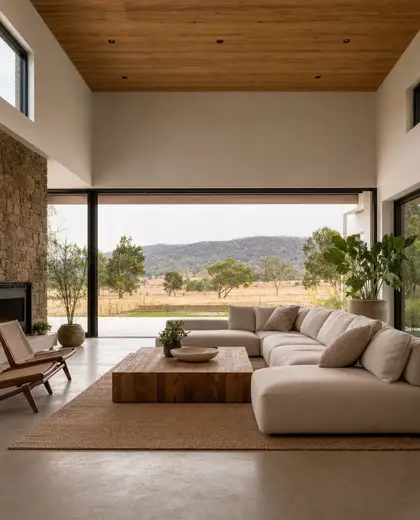
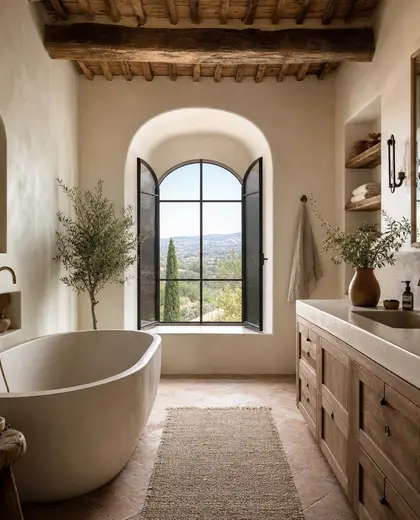
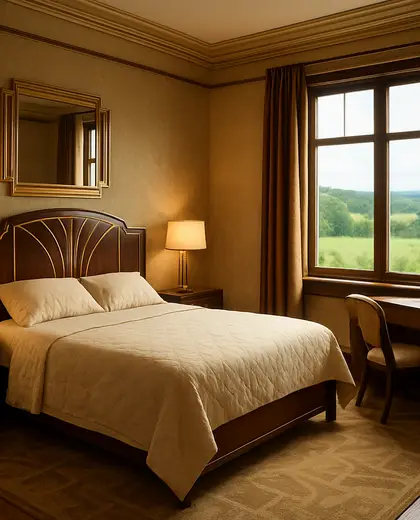
Can a rural composition feel refined?
Yes. It can be refined when the materials are carefully selected, the palette is restrained, and the detailing stays clean rather than overly decorative.
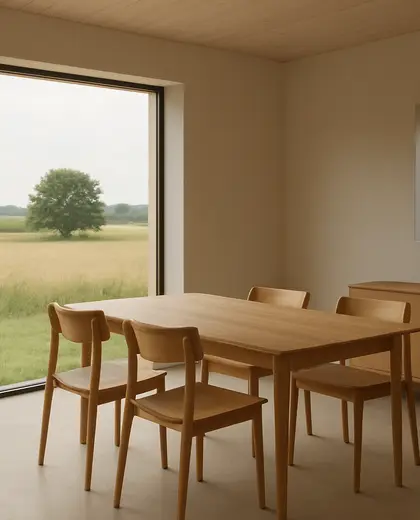
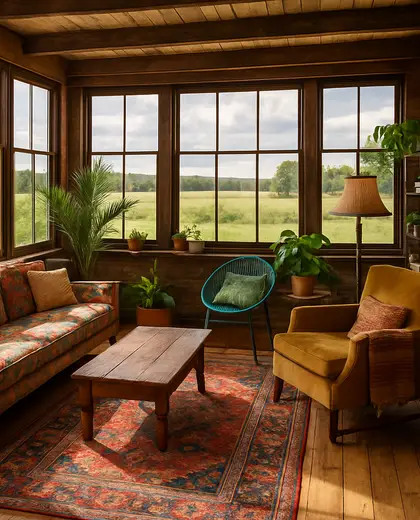
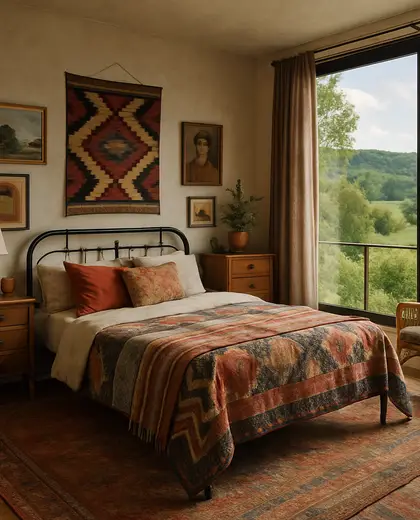
Does this style require reclaimed materials?
No. Reclaimed wood and aged finishes fit well, but new materials can also work if they have a natural look, a tactile surface, and a quiet color palette.
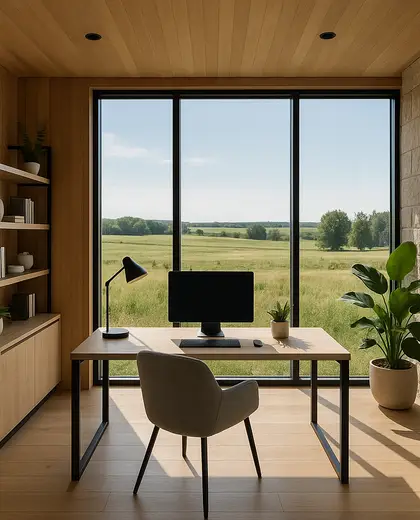
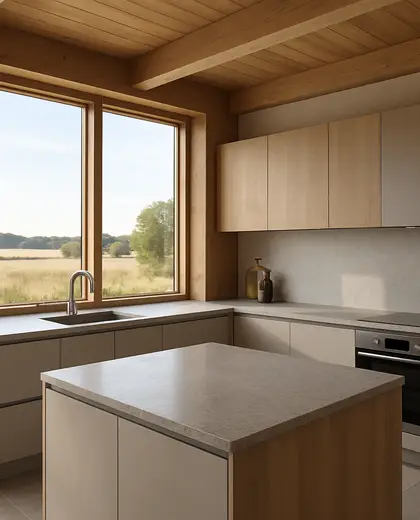
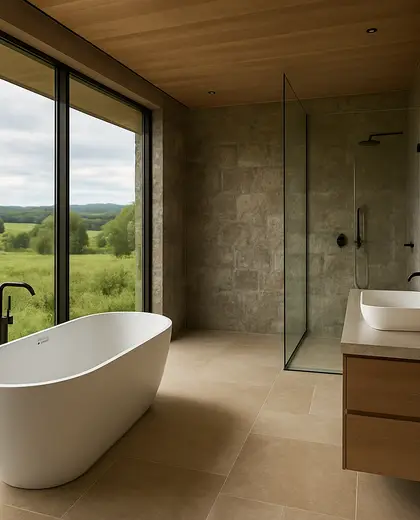
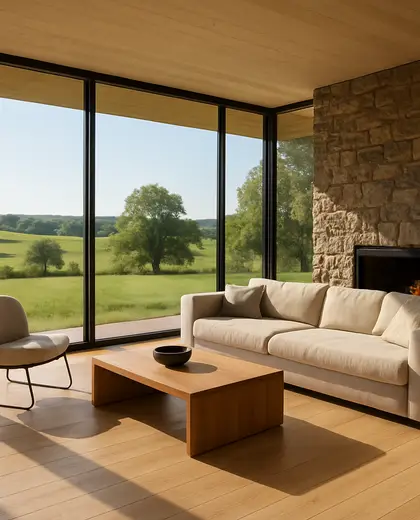
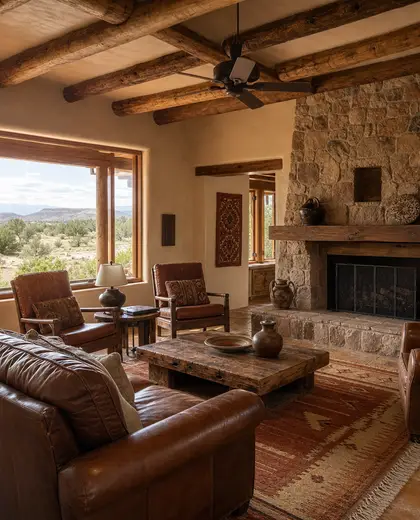
— The style
What defines it
Wood, stone, clay, linen, wool, and other finishes that feel natural and age well.
Warm neutrals, earthy browns, faded greens, off-whites, and sun-washed tones.
Works well with rustic, farmhouse, Mediterranean, vernacular, and contemporary natural interiors.
— Professionals
Who has already built it
- robert srotearchitects · 8 projectsView profile →
- pfuner designinterior designers · 11 projectsView profile →
- Karavaan Homefurniture sellers · High Point · 4 projectsView profile →
- jacob galleslandscape designers · 6 projectsView profile →
— Questions
Frequently asked questions
What makes a space read as rural rather than just natural?
Rural spaces usually combine natural materials with a more modest, utilitarian character: simple forms, visible texture, and details that feel handmade or locally sourced.
Can a rural composition feel refined?
Yes. It can be refined when the materials are carefully selected, the palette is restrained, and the detailing stays clean rather than overly decorative.
Does this style require reclaimed materials?
No. Reclaimed wood and aged finishes fit well, but new materials can also work if they have a natural look, a tactile surface, and a quiet color palette.