— Ideas & inspiration
Youth bedroom
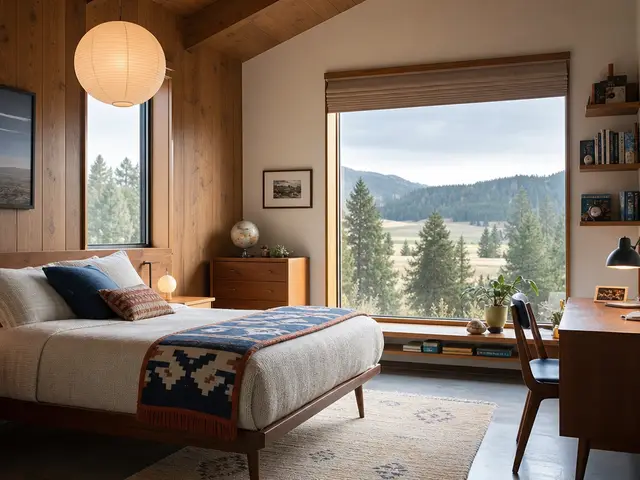
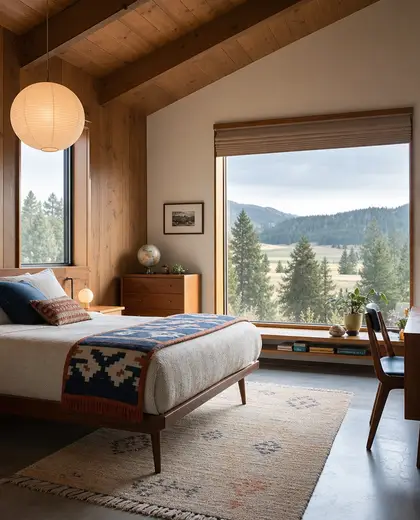
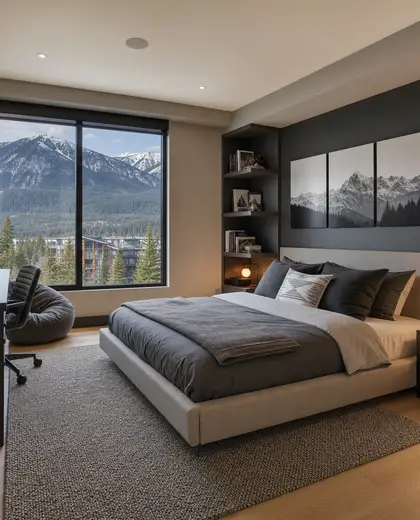
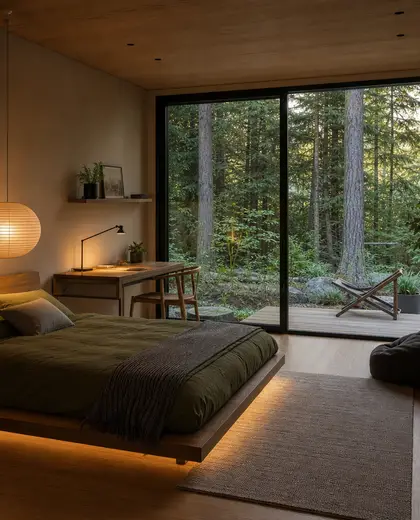
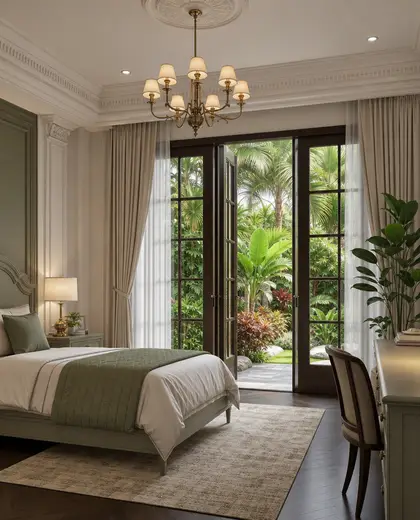
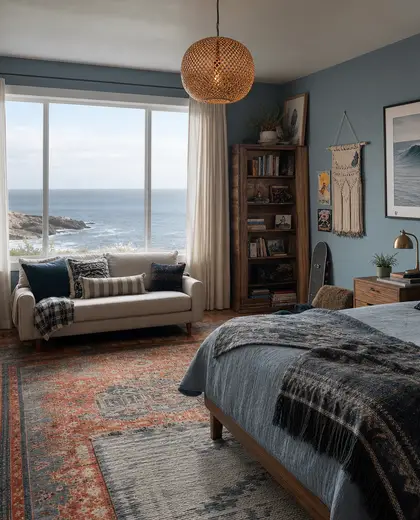
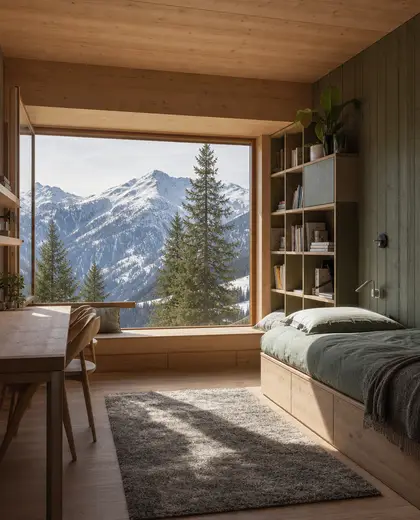
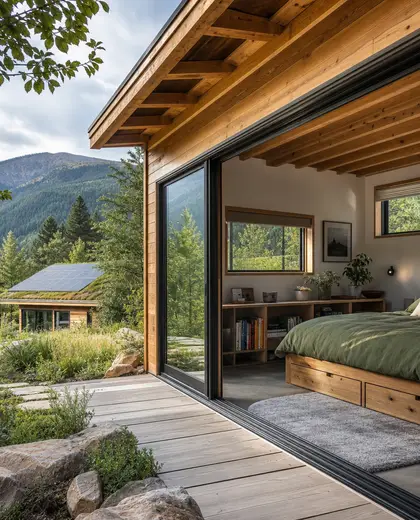
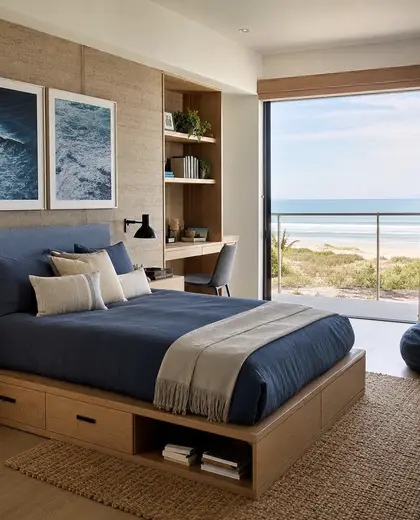
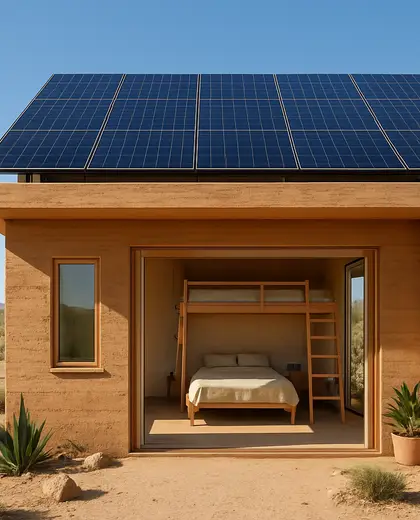
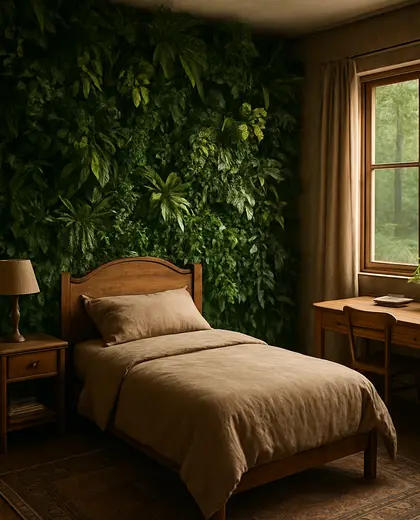
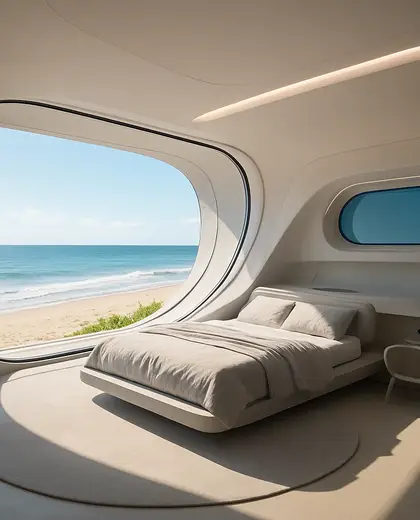
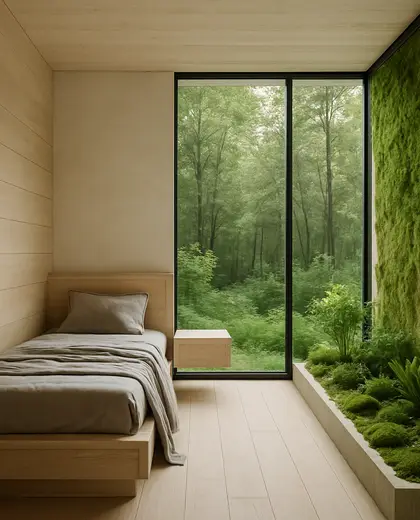
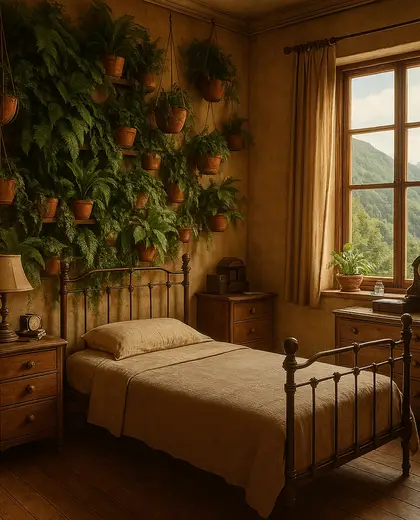
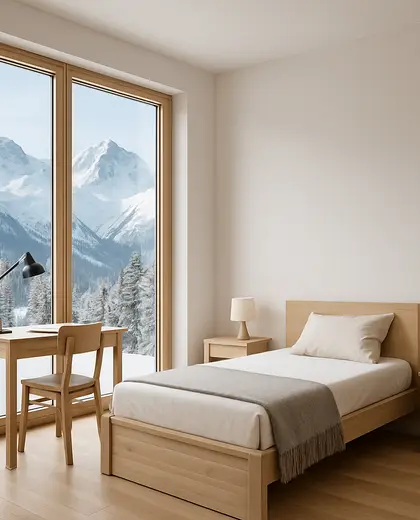
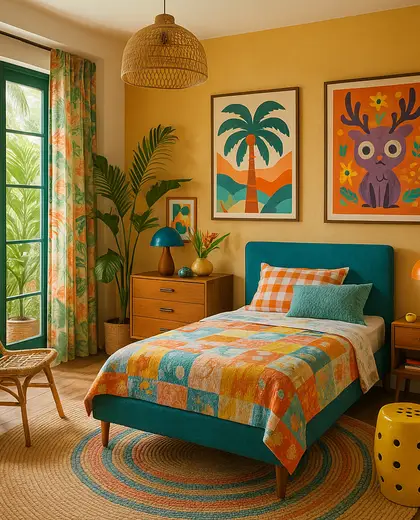
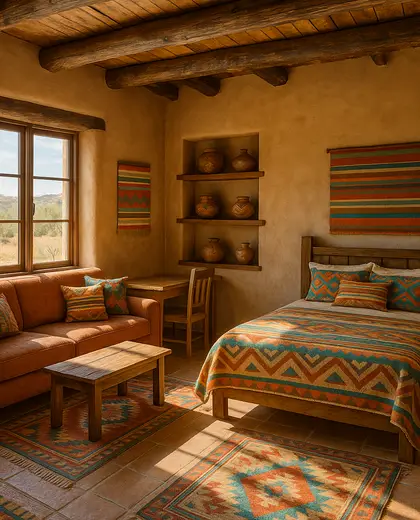
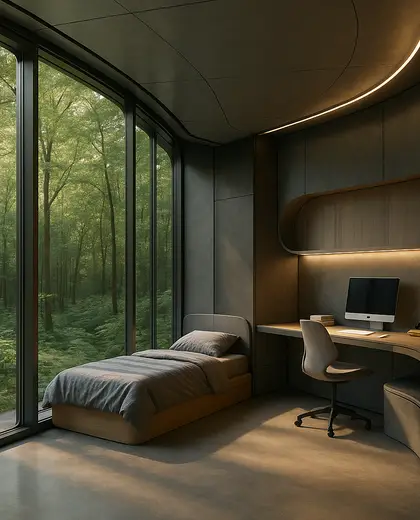
A youth bedroom is typically defined by durable, easy-to-clean finishes, compact storage, and furniture sized for growing use. The palette often leans light and adaptable, with neutral bases, soft color accents, and simple graphics or texture. Common defining elements include a bed with integrated storage, a desk or study nook, open shelving, and layered lighting.
- youth bedroom
— References
References to explore

How is a youth bedroom different from a child’s bedroom?
It usually shifts toward a more neutral, less playful look and includes study space, larger storage, and furniture that can last through several years of use.

What materials are best for a youth bedroom?
Choose durable painted surfaces, laminate or veneer furniture, and textiles that are easy to wash. These materials help the room stay practical as needs change.
How can I make the room adaptable over time?
Keep the main finishes neutral and use changeable elements like bedding, wall art, lighting, and accessories to update the room without replacing the core furniture.
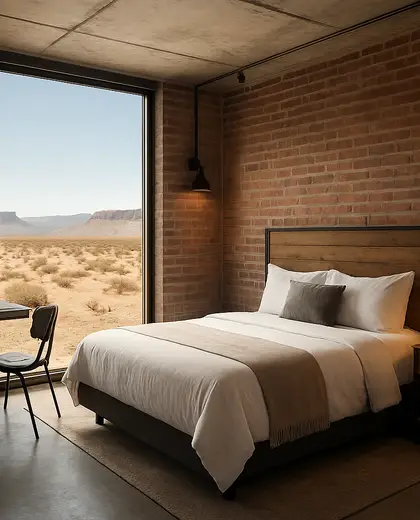
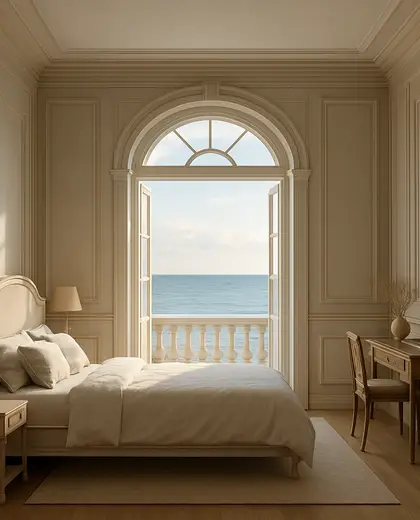
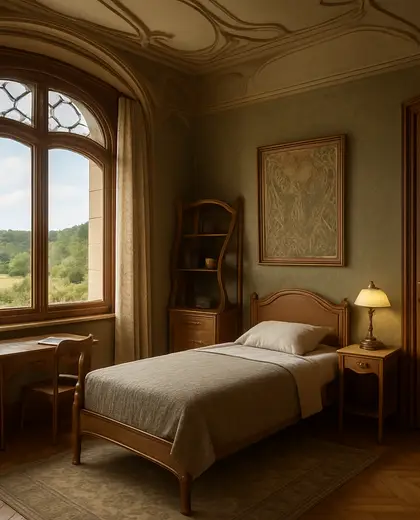
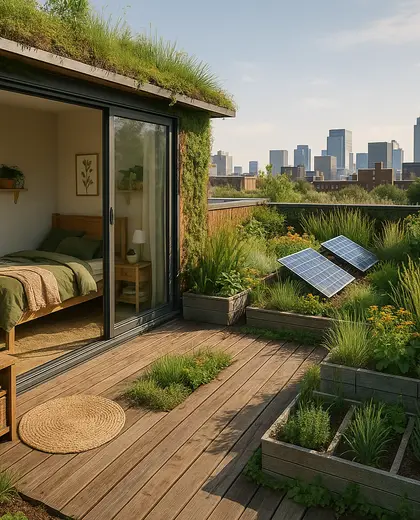

— The style
What defines it
Painted MDF, laminate, timber veneer, powder-coated metal, and washable textiles are common because they handle daily use well.
Neutral whites, greys, and wood tones are often paired with muted blues, greens, terracotta, or pastel accents.
Works well with built-in wardrobes, compact desks, storage benches, cork or pinboard walls, and soft rugs or blackout curtains.
— Professionals
Who has already built it
- robert srotearchitects · 8 projectsView profile →
- pfuner designinterior designers · 11 projectsView profile →
- Karavaan Homefurniture sellers · High Point · 4 projectsView profile →
- jacob galleslandscape designers · 6 projectsView profile →
— Questions
Frequently asked questions
How is a youth bedroom different from a child’s bedroom?
It usually shifts toward a more neutral, less playful look and includes study space, larger storage, and furniture that can last through several years of use.
What materials are best for a youth bedroom?
Choose durable painted surfaces, laminate or veneer furniture, and textiles that are easy to wash. These materials help the room stay practical as needs change.
How can I make the room adaptable over time?
Keep the main finishes neutral and use changeable elements like bedding, wall art, lighting, and accessories to update the room without replacing the core furniture.